






Impasto Oil on Board
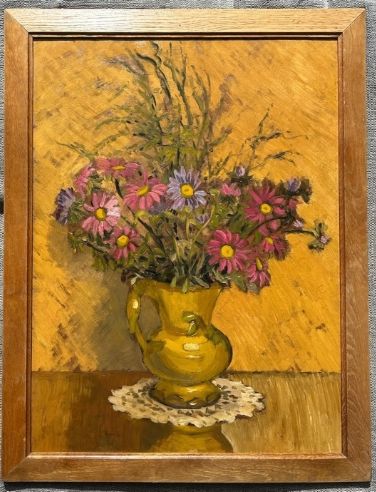
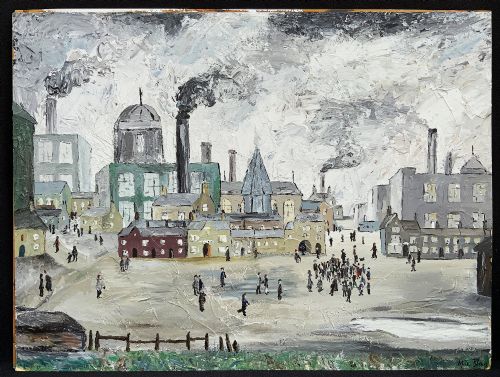
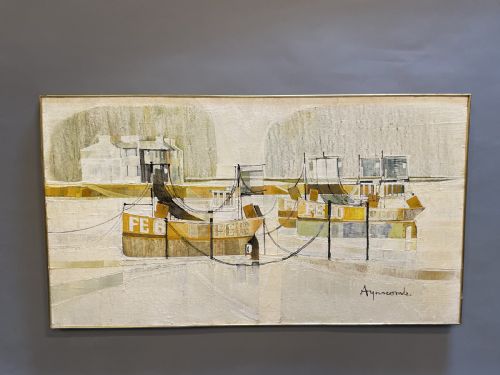
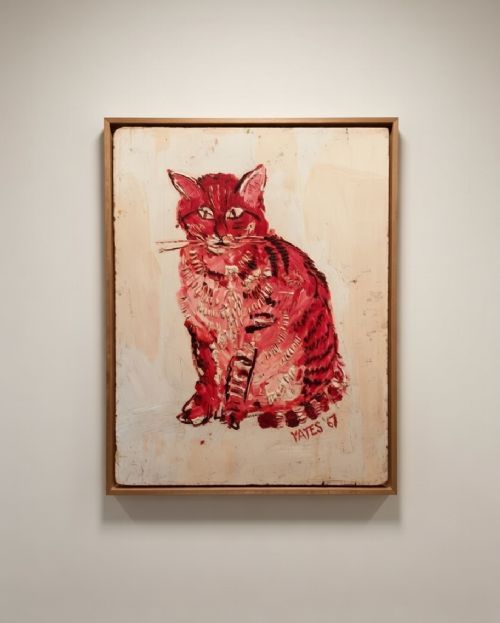
Impasto oil on board works use thick paint built up on rigid panels to give landscapes and still lifes real physical depth.
Impasto Oil on Board
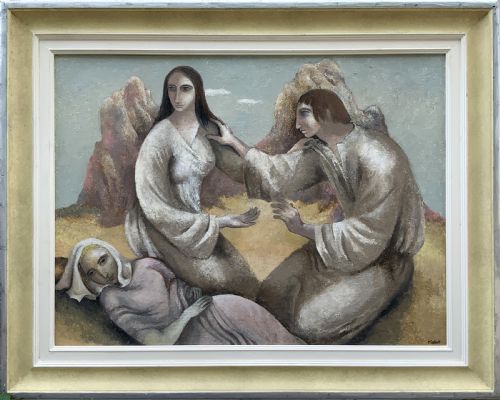
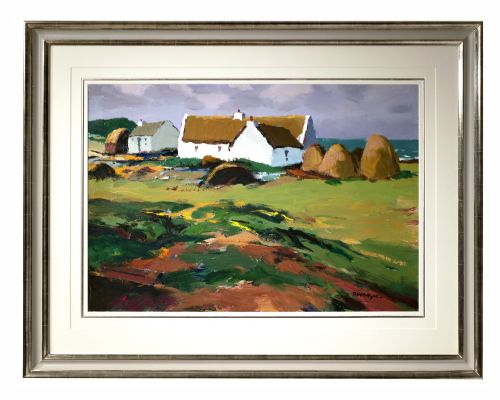
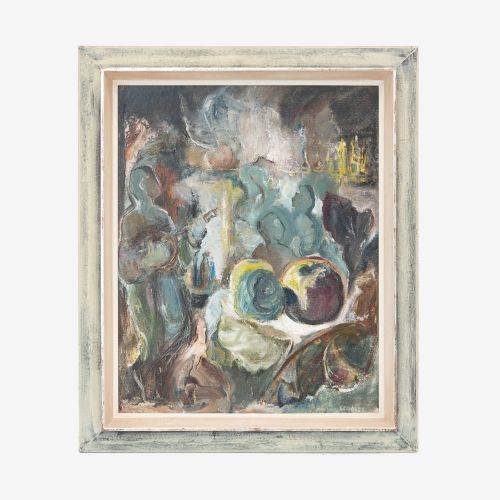
Impasto oil on board paintings span from nineteenth-century examples to mid-century modernist compositions. Buyers will encounter various subjects here, including harbour scenes, townscapes, floral still lifes, and figure studies.
The works appearing here bridge several movements such as British Impressionism, Post-Impressionism, and mid-century expressionism. Many pieces capture regional British views from locations like Dorset, Yorkshire, and the Tees, alongside European subjects.
Materials and Technique
Artists apply oil paint directly onto wooden panels or prepared boards, often laying pigment down with heavy brushstrokes or palette knives. This method creates physical texture and relief on the surface of the painting.
Framing frequently includes wood and gilt surrounds that complement the applied paint layers. The rigid support prevents the flexing that can crack thick paint over time.
Several cats, lions, and barges have managed to stay perfectly still for decades under layers of thick oil paint.
Evaluating Quality
Quality rests on the confidence and precision of the brushwork or knife application, where purposeful texture elevates the composition. The handling of light and colour relationships defines the visual strength of each painted scene.
Provenance and clear attribution to known painters distinguish certain works within the selection. The harmony between the painted subject and its period frame also influences the overall cohesion of the piece.
Kenneth Cozens·Christine Nesbit·Donald McIntyre·Lilian Colbourn·Fred Yates·James Fry·Florence Hess·Herbert Royle·Ernest Higgins Rigg·John Falconar Slater·William Ernst Burwell
The Impasto Oil on Board Glossary
- Impasto
- Paint applied thickly to a canvas or board, leaving brush or palette knife marks standing proud of the surface. This technique adds tactile dimension and catches light across the composition.
- Board
- A rigid flat support made from wood or composite material used in place of stretched canvas. It provides a stable foundation for heavy oil applications.
- Impressionism
- A style focused on capturing the visual impression of a moment, shifting light, and open brushwork. It prioritises atmospheric effects over strict academic detail.
- Gilt
- A thin layer of gold leaf or gold-coloured finish applied to frames. It provides a decorative border that isolates and frames the painted surface.
- Post-Impressionism
- An art movement extending impressionist techniques while exploring more expressive forms and symbolic colours. Artists pushed beyond naturalistic depiction towards personal interpretation.
Impasto Oil on Board: Frequently Asked Questions
What is impasto oil on board?
These works consist of oil pigments applied thickly onto rigid wooden panels. The raised paint surface creates a tactile quality that distinguishes them from flat oil paintings.
The medium allows artists to build visible texture using brushes or knives. This technique appears across various twentieth-century landscape and still life subjects.
How do I care for these paintings?
Keep the panels away from direct sunlight and extreme temperature fluctuations to protect both the wood and the paint layers. Dust the textured surfaces gently with a soft, dry brush.
Avoid using liquid cleaners on the paint or the gilt frames. Proper hanging ensures the rigid board remains stable over decades.
How do I identify the period?
Clues include the framing style, the artist's signature, and the subject matter characteristic of movements like mid-century modernism or early twentieth-century impressionism. Exhibition labels on the reverse also offer dating evidence.
The materials used for the boards and the nature of the pigments help narrow down the decade of creation.
Where were these works created?
The pieces originate from British and European studios, capturing regional scenes from locations such as Dorset, Yorkshire, and France. Artists painted both outdoors on location and within their studio spaces.
Local townscapes and coastal harbours form a significant portion of the regional subjects represented.