
Folding Leaf Side Table
These folding leaf side table examples provide versatile surfaces that expand when needed and fold flat against a wall.
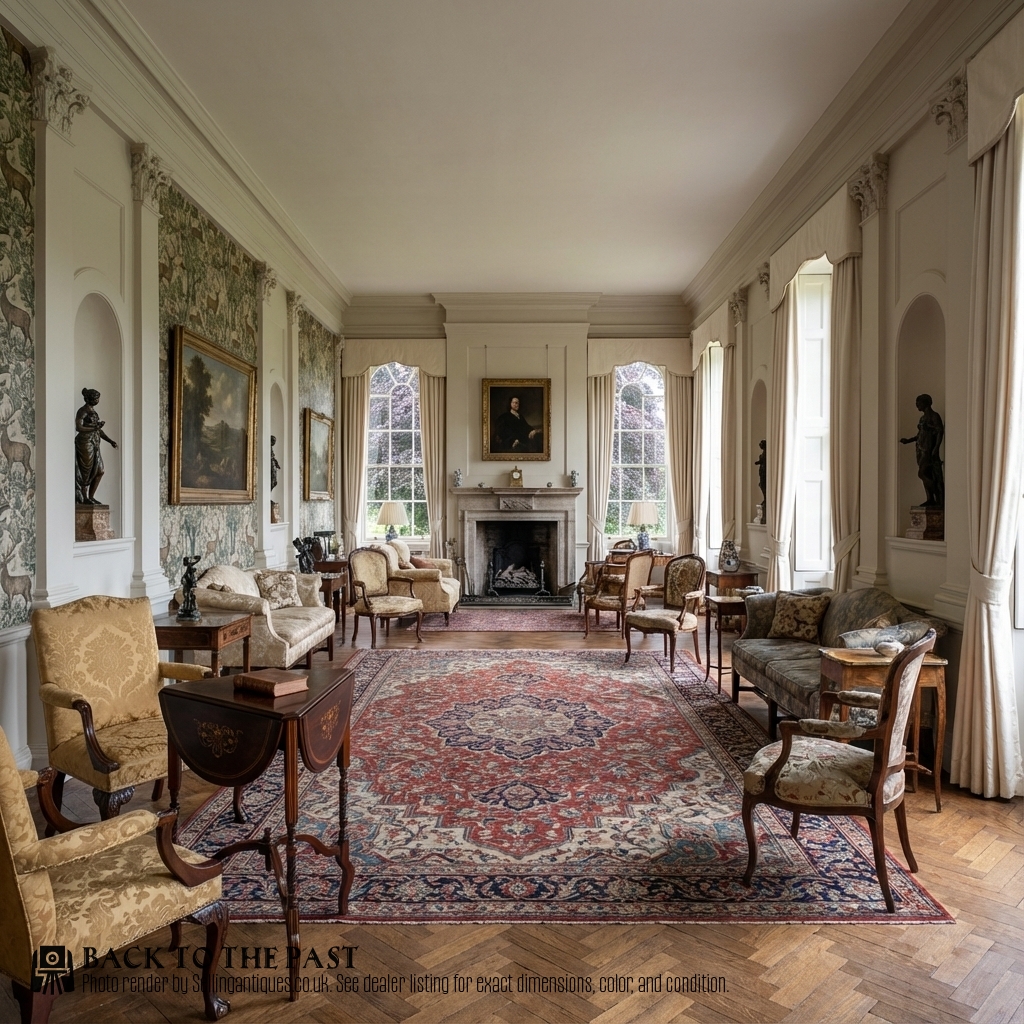
Folding Leaf Side Table
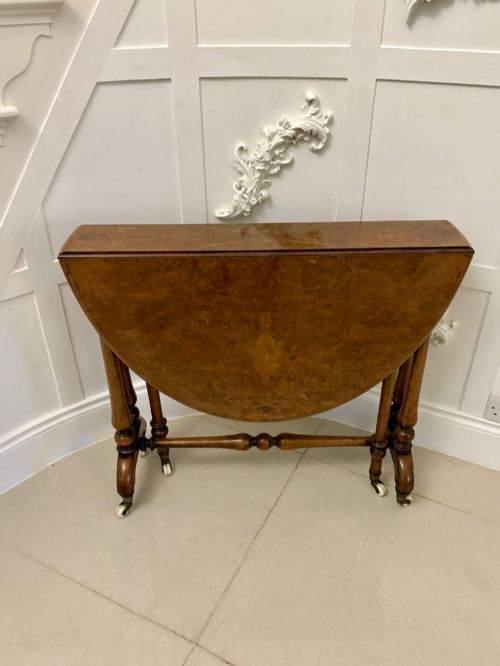
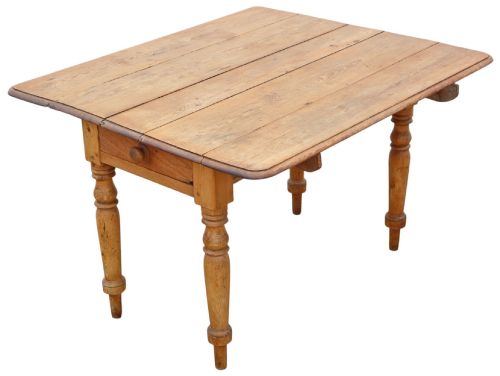
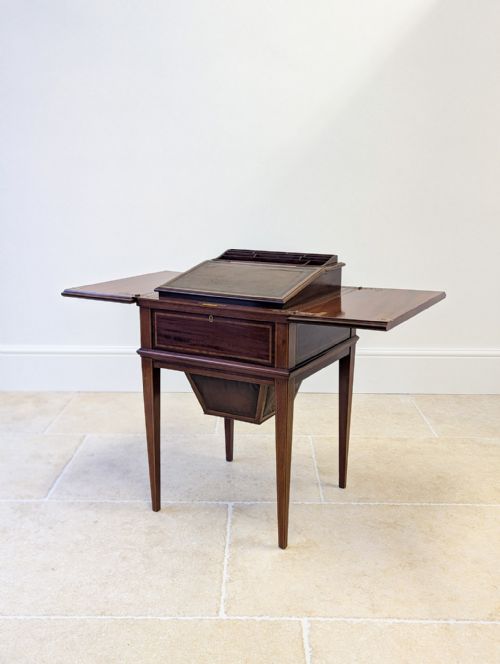
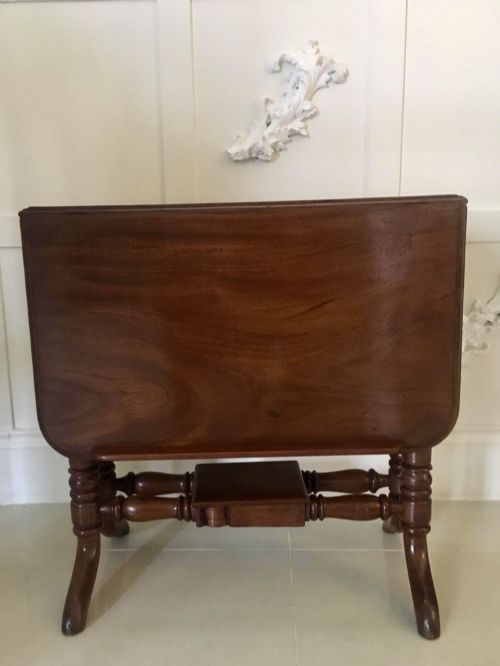
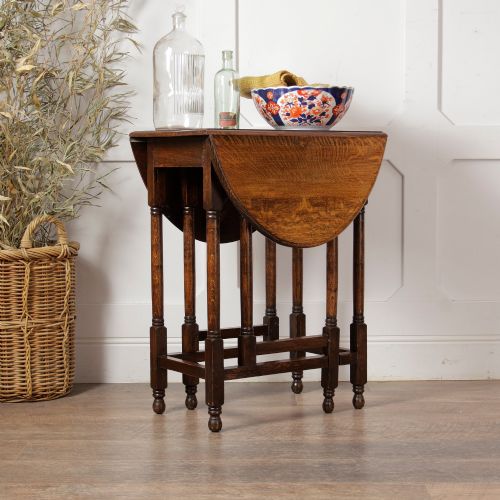
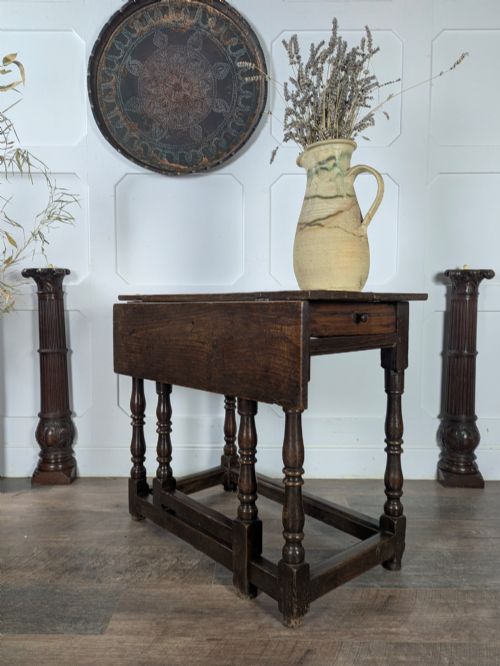
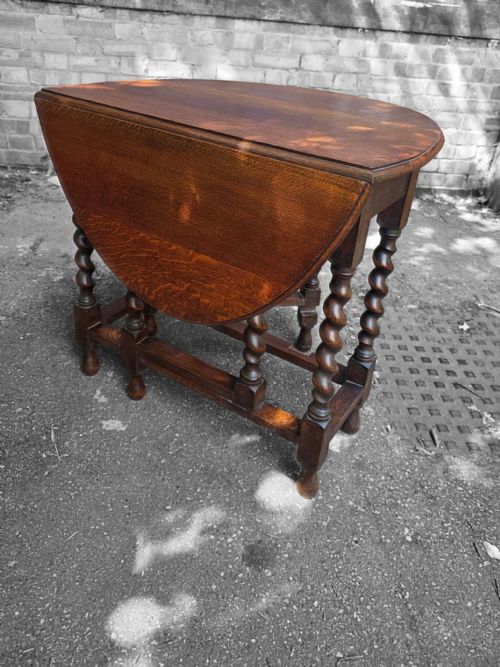
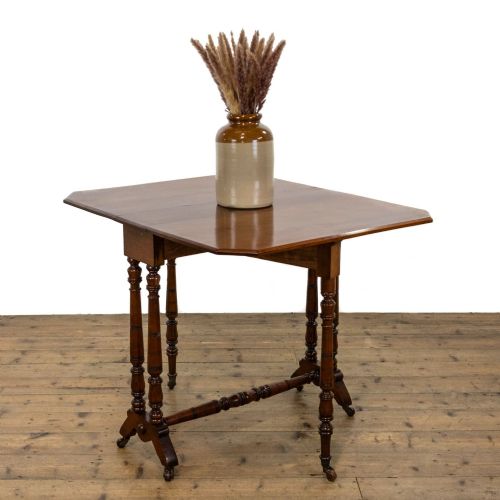
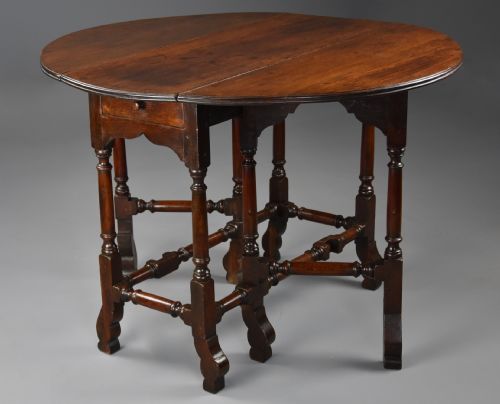
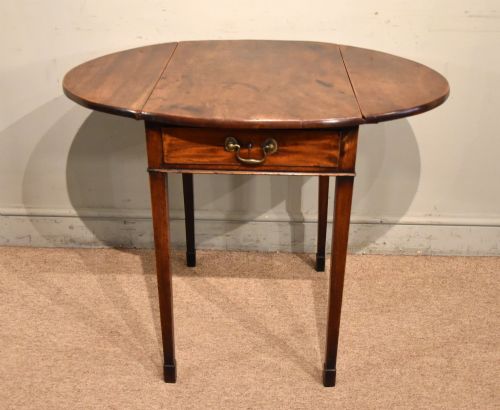
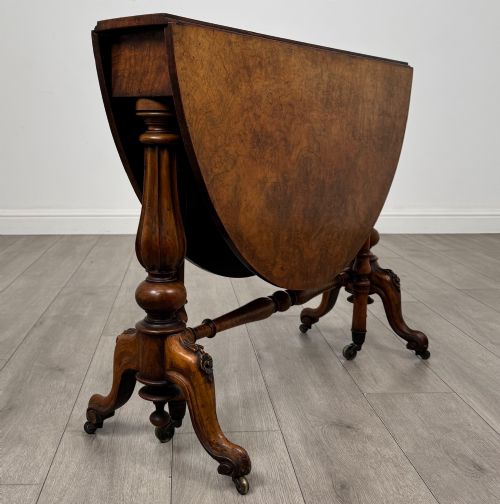
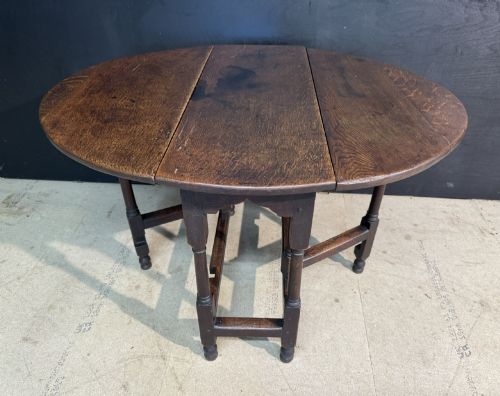
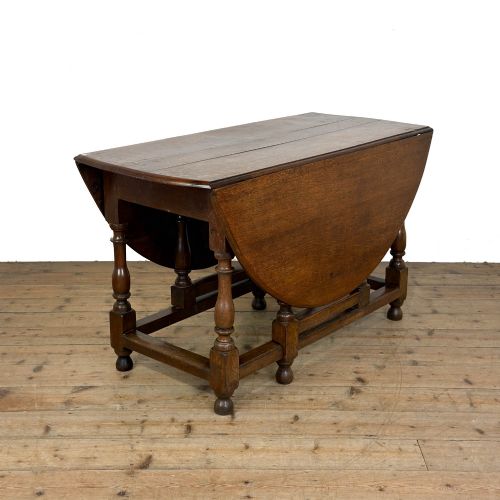
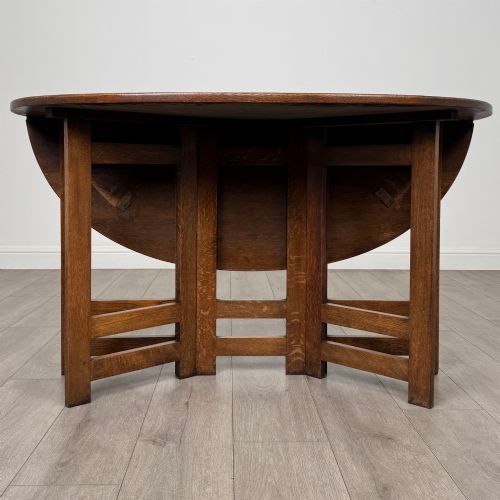
A folding leaf side table serves as a flexible surface designed to adapt to changing room layouts through hinged leaves that drop or lift. When searching this phrase, a buyer encounters forms such as gateleg tables, Sutherland tables, and Pembroke tables originating from the 17th century through to the 1920s.
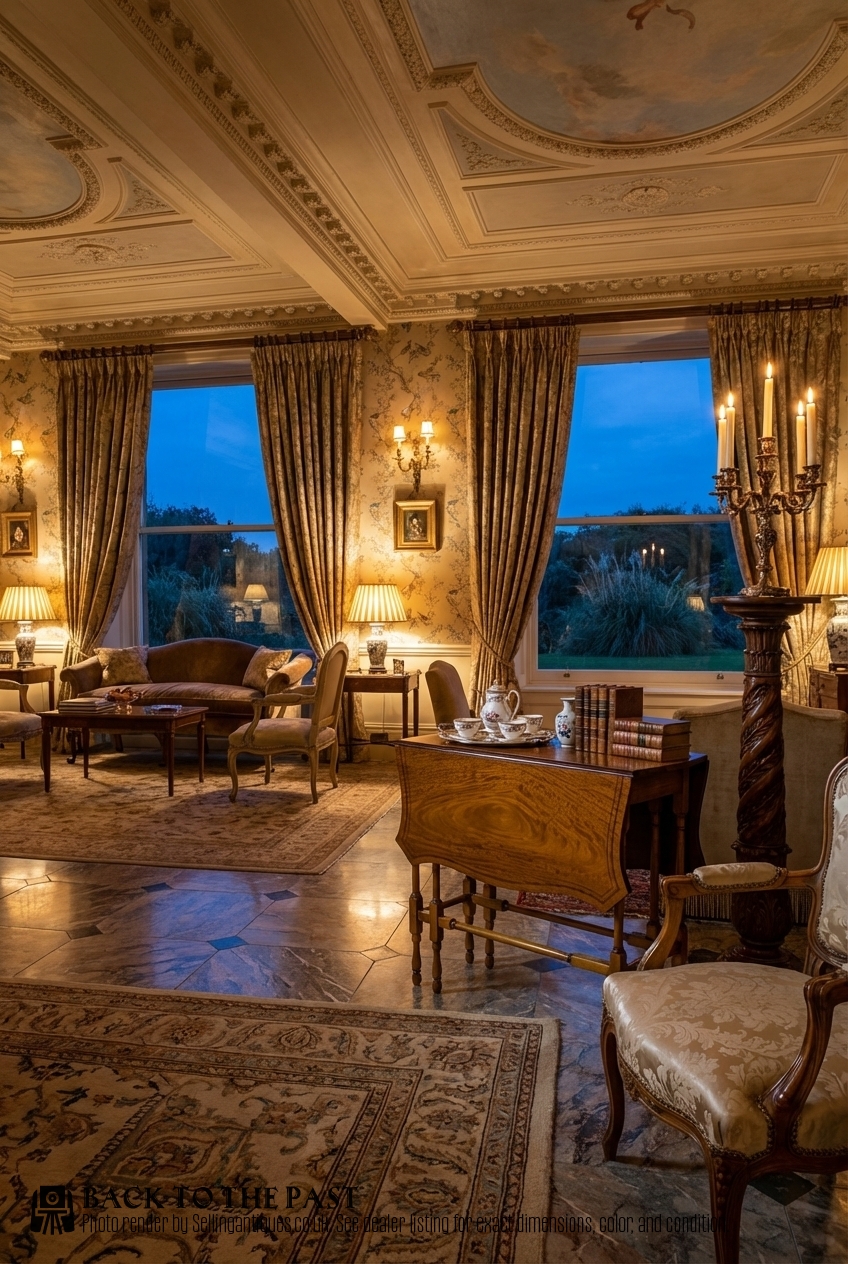
How they were made
Joinery relies on sturdy methods to support moving flaps, utilising swinging gatelegs, wooden pivots, or dropping brackets. Timbers such as solid oak, mahogany, and burr walnut provide the structural integrity required for folding mechanisms.
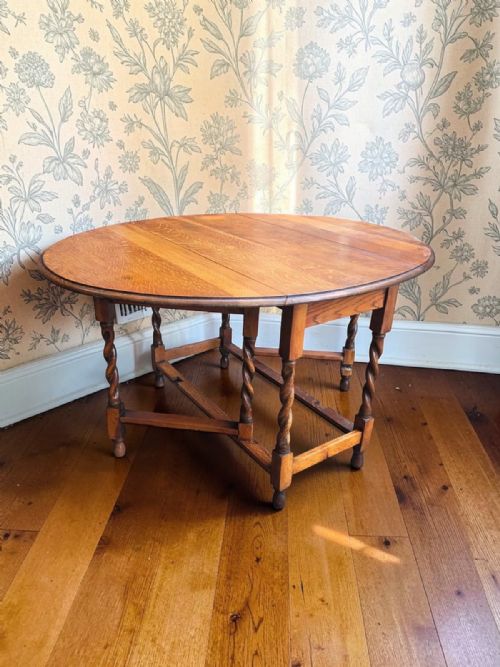
Surface decoration incorporates marquetry, boxwood inlay, and hand-turned elements like barley twist legs. Painted finishes and polished veneers appear across pieces from the 18th century to the early 20th century.
Folding Leaf Side Table Retail Price Guide 2026
Typical asking prices for folding leaf side table among the pieces listed under this phrase on Sellingantiques today, from the lower quarter to the upper quarter. They describe what is for sale here now, not the wider market.
Some tables hide tiny drawers beneath their falling leaves, perfect for keeping stray keys or secret love letters out of sight.
What varies in quality
The standard of timber selection and veneer matching defines the upper tier of these tables. Finely figured burr walnut and rich red mahogany distinguish superior examples from standard utility pieces.
The precision of the pivoting hinges and the stability of the folding leaves dictate the overall execution. Smooth operation of drop flaps and balanced gatelegs reflect superior workshop joinery.
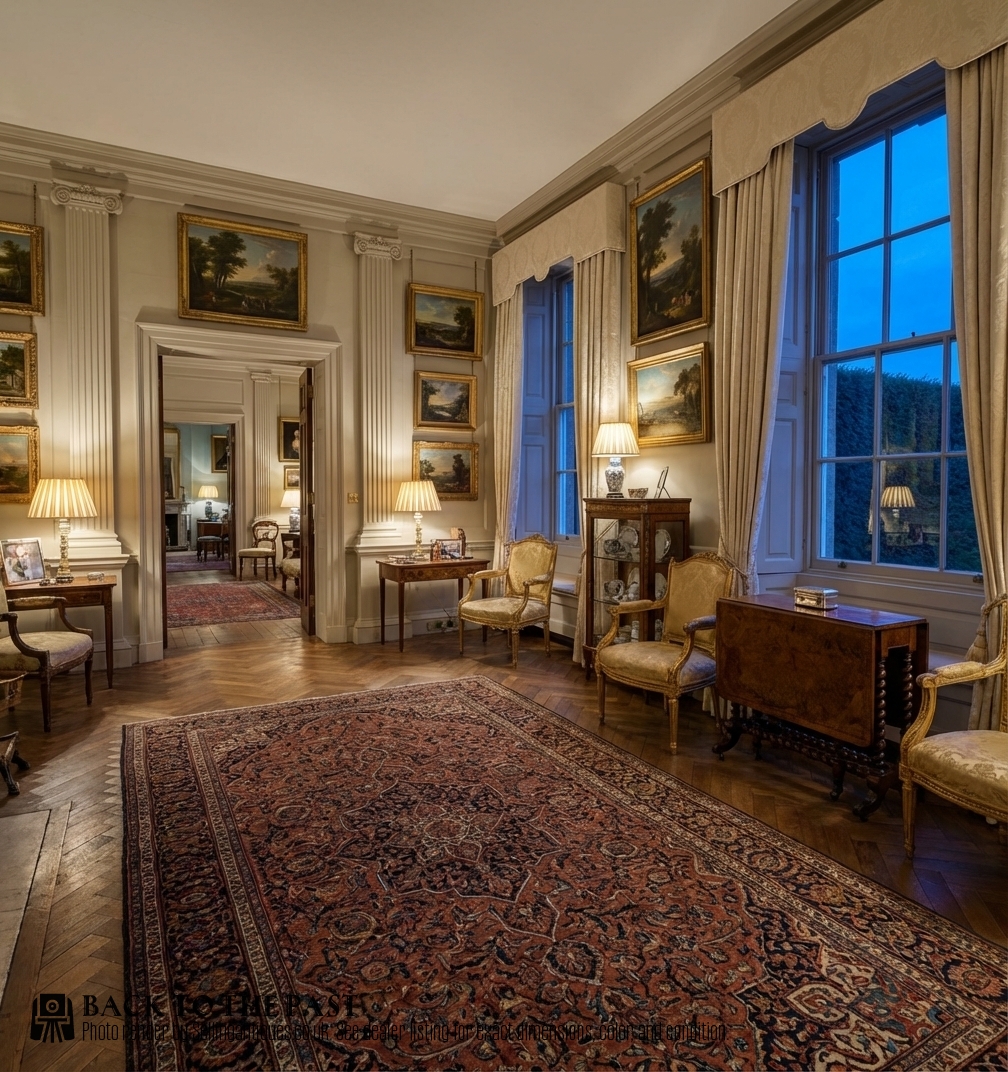
The Folding Leaf Side Table Glossary
- Gateleg table
- A table with hinged leaves supported by legs that swing outward like gates. This design provides sturdy underpinnings for drop flaps.
- Sutherland table
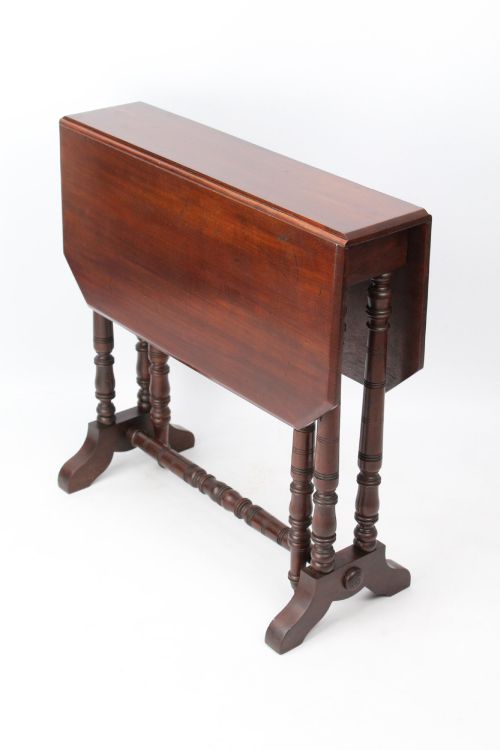
- A narrow-profile table featuring particularly slender folding leaves and low-set legs. The design allows the piece to fold into an exceptionally compact footprint.
- Pembroke table
- A rectangular table with two side flaps and a drawer, popular in the 18th and 19th centuries. The leaves are typically smaller than those on gateleg variants.
- Marquetry
- Decorative patterns formed by fitting together thin slices of wood veneer. This technique creates floral or geometric designs on tabletops.
- Barley twist
- A turned wooden column resembling a spiralling rope. This decorative turning method appears frequently on 17th-century and Jacobean Revival supports.
Folding Leaf Side Table: Frequently Asked Questions
How do I spot a genuine antique?
Examine the construction methods, timber ageing, and hand-cut joinery typical of older periods. Tool marks and traditional fixings indicate age.
Compare the timber patina and wear patterns on the folding leaves with the rest of the frame to ensure consistency.
Can I use these daily?
These pieces function well for regular daily use provided the folding mechanisms are handled with care. Many historical examples were built for active dining and writing.
Protect surfaces from moisture and heat to preserve antique polishes and delicate veneer work.
What is a Sutherland table?
A Sutherland table is a narrow drop-leaf table with very wide leaves and tall, slender legs. The design folds down into a very slim profile.
Victorian makers favoured this form in burr walnut for drawing rooms where space was at a premium.
How do I care for polished wood?
Maintain timber surfaces by applying appropriate wax polishes and avoiding direct sunlight. Excessive heat can dry out old veneers and cause cracking.
Dust regularly with a soft cloth to prevent abrasive particles from scratching the antique polish.