





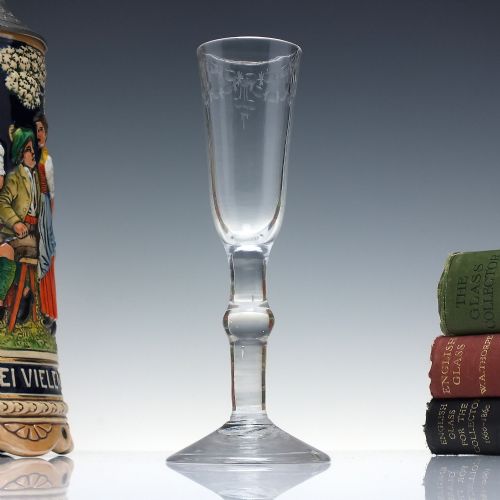
Fluted Lead Glass Stemware
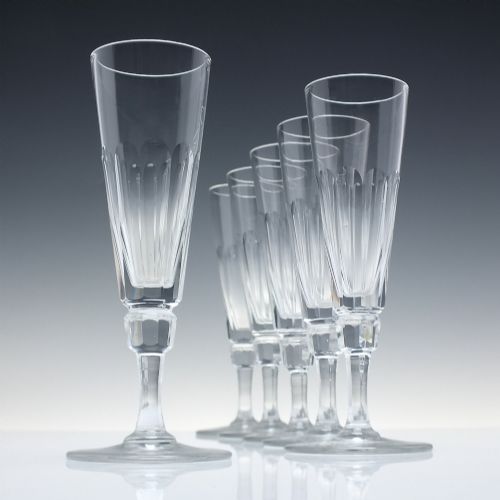
These fluted lead glass stemware pieces span Georgian drinking vessels to Victorian champagne flutes, bringing authentic historic character to any table setting.
Fluted Lead Glass Stemware
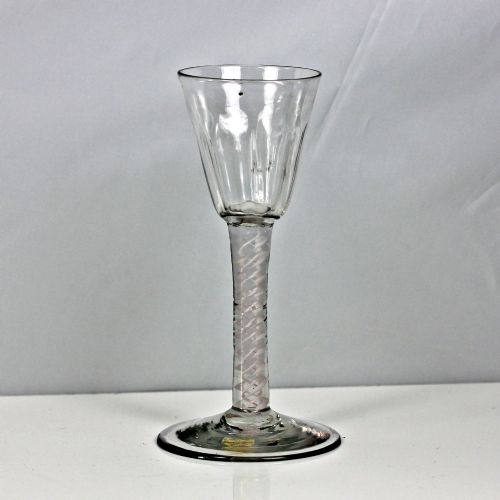
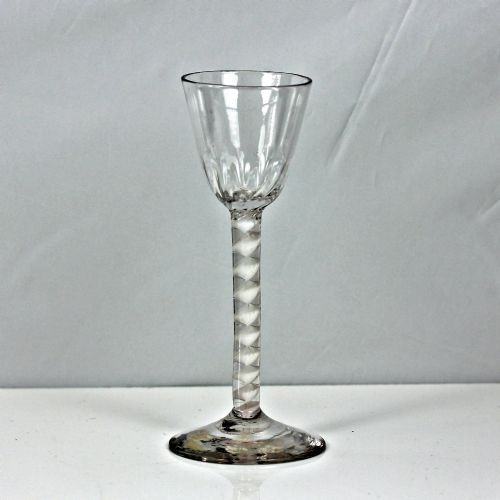
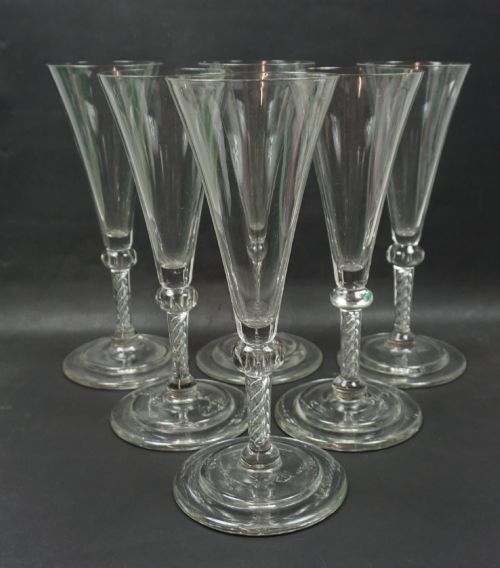
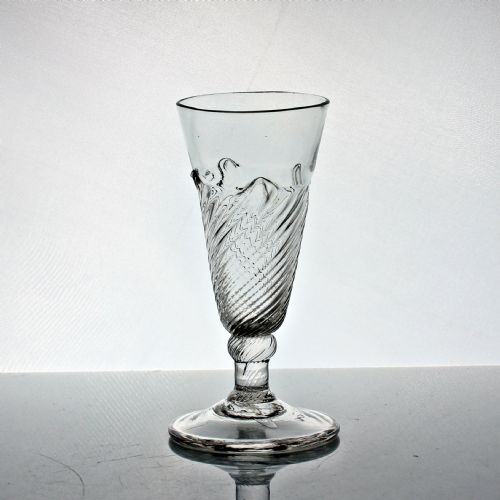
When you search for fluted lead glass stemware, you encounter a selection spanning the eighteenth and nineteenth centuries, featuring Georgian ale glasses and wine flutes alongside Victorian glassware. The most common forms on this page are eighteenth-century wine and ale glasses fitted with twist stems and moulded bowls.
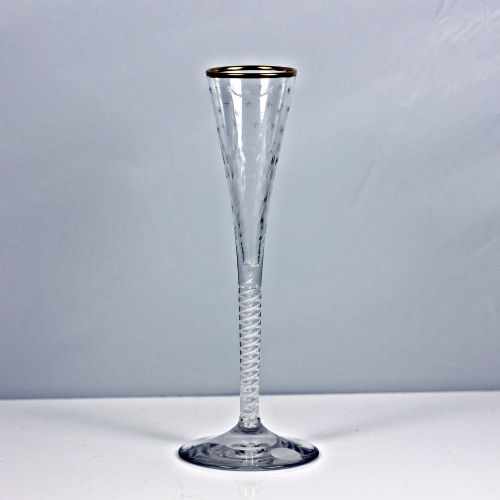
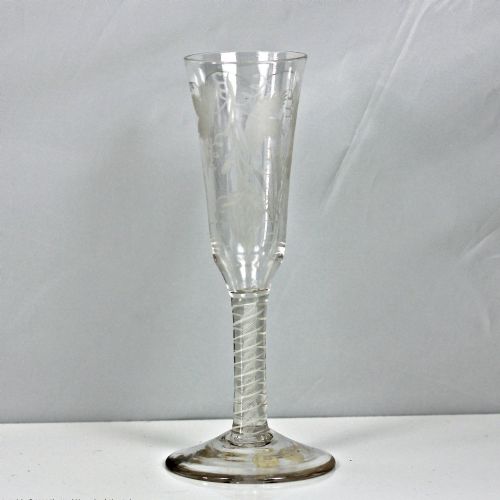
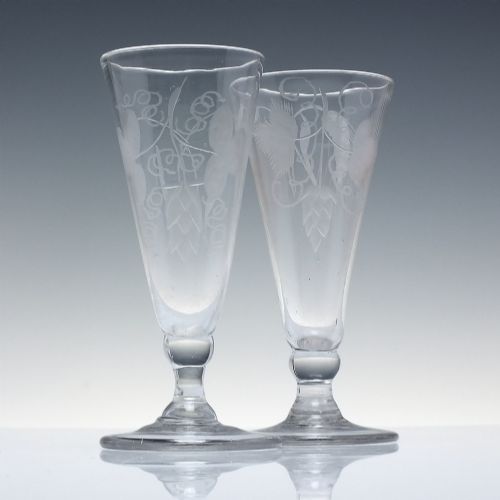
The inventory includes specialised drinking vessels such as ratafia glasses, rummers, jelly glasses, and champagne flutes. Many examples display detailed wheel engraving depicting hops and barley, or feature facet-cut stems designed to catch the light.
What varies in quality
Quality rests upon the crispness of the glass moulding, the symmetry of the internal air or opaque twists, and the delicacy of any wheel-engraved motifs. Earlier eighteenth-century examples with folded feet and complex balustroid or twist stems represent the higher end of the range.
The weight, resonance, and clarity of the lead crystal material itself dictate the overall caliber of each drinking vessel. Pieces with undamaged rims, stable bases, and well-executed facet cutting demonstrate superior workshop execution.
Fluted Lead Glass Stemware Retail Price Guide 2026
Typical asking prices for fluted lead glass stemware among the pieces listed under this phrase on Sellingantiques today, from the lower quarter to the upper quarter. They describe what is for sale here now, not the wider market.
Eighteenth-century drinkers enjoyed narrow ratafia flutes so much they invented special slim vessels just to sip sweet almond cordials.
The Fluted Lead Glass Stemware Glossary
- Flint glass
- A heavy, brilliant form of potassium-lead glass developed for its high refractive index. It provides the sparkling clarity seen in eighteenth and nineteenth-century drinking vessels.
- Opaque twist
- A stem form created by drawing out white enamel rods encased within clear glass. These threads are twisted into complex spiral patterns during the hot-forming process.
- Air twist
- A decorative stem type containing elongated spiral channels of trapped air inside the glass. It results from manipulating air bubbles within the molten metal before drawing.
- Ratafia glass
- A tall, narrow drinking vessel specifically used for serving sweet cordial or fruit-flavoured liqueurs. They often feature elongated bowls supported by slender stems.
- Balustroid
- A stem form intermediate between the heavy baluster styles and later lighter stems, featuring a swelling knop above a plain lower section. This profile is characteristic of mid-eighteenth-century English drinking glasses.
Fluted Lead Glass Stemware: Frequently Asked Questions
How do I use antique stemware safely?
These historical drinking vessels are best reserved for special occasions or careful celebratory toasts rather than daily dining. Hand washing in lukewarm water with mild soap protects the fragile lead glass and delicate twist stems from thermal shock and mechanical damage.
Avoid placing any of these pieces in modern dishwashers or exposing them to sudden temperature changes. Storing them upright on a stable shelf prevents rim chips and structural strain.
How can I tell an air twist from an opaque twist?
An air twist contains internal spiral channels filled with trapped air that catch the light transparently. They typically date from the mid-eighteenth century and have a lighter, more ethereal appearance.
An opaque twist incorporates solid white or sometimes coloured enamel rods within the clear glass stem. These threads appear starkly white and solid against the surrounding metal, often indicating a slightly later eighteenth-century production date.
What distinguishes an ale glass from a wine glass?
Ale glasses generally feature taller, narrower bowls designed to preserve the carbonation and head of the brew. They frequently display wheel-engraved hop and barley motifs directly related to their contents.
Wine glasses usually present broader, more open funnel or ogee bowls intended to release the aromas of the vintage. Their stems and feet are scaled to balance the shallower bowl proportions.
What is a folded foot on a glass?
A folded foot is created by turning the outer edge of the hot glass foot under itself during formation, producing a rounded rim on the underside. This technique adds structural strength and weight to the base of early drinking vessels.
This method is commonly encountered on mid-eighteenth-century English pieces and provides a tactile indicator of age. It helps stabilize taller glasses against accidental tipping.