


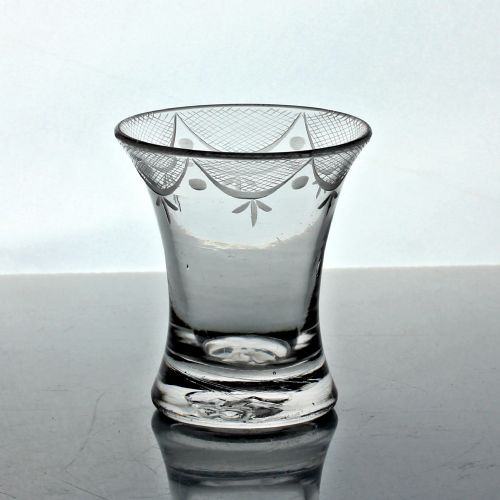


Small 18th Century Glass
These small 18th century glass pieces are compact drinking vessels, mirrors, and domestic objects that bring period craftsmanship directly to your table or wall.
Small 18th Century Glass
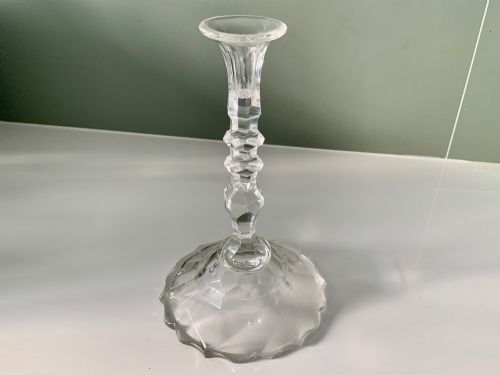
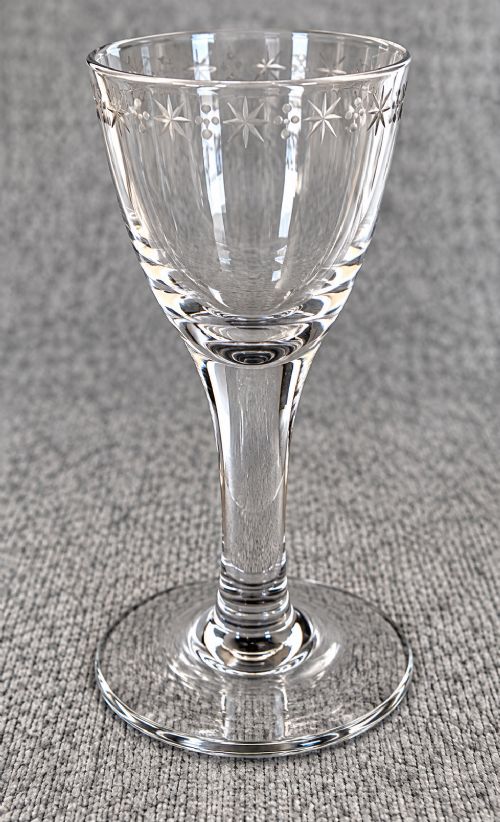
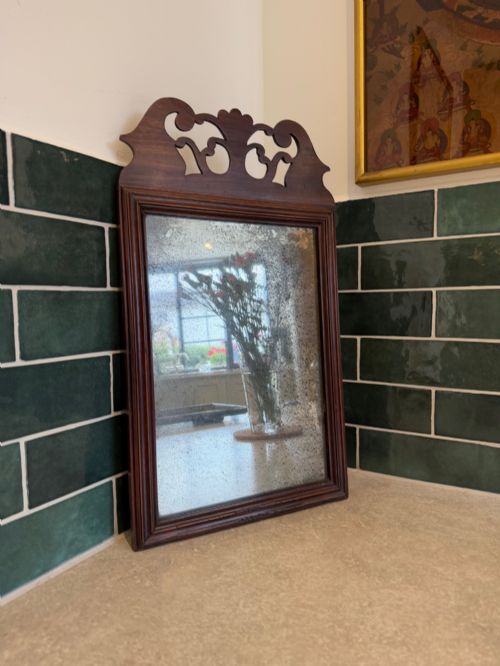
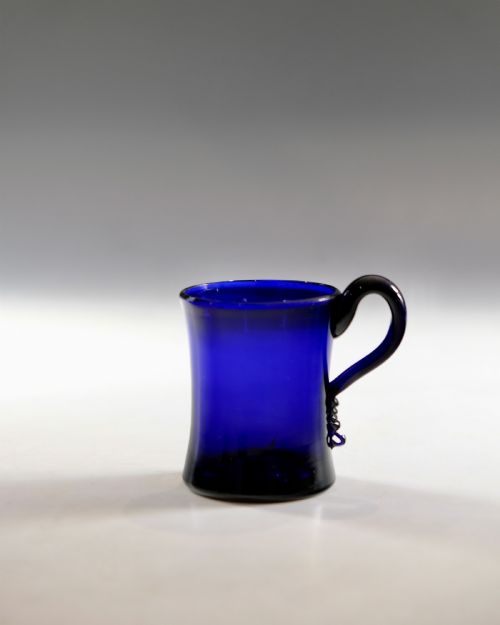
Small 18th century glass encompasses a range of domestic objects from the Georgian era, including drinking glasses, taper sticks, and mirrors framed in mahogany or giltwood. You will frequently encounter glassware such as dram glasses, firing glasses, and tumblers alongside wall mirrors and dressing mirrors.
The objects date primarily from the eighteenth century, spanning periods from the seventeen-forties through to eighteen-hundred. Forms range from utilitarian vessels to decorative items adorned with engraving and gilding.
Origins include English and Spanish workshops, with pieces like La Granja de San Ildefonso tumblers appearing alongside domestic English lead glass. Wall mirrors demonstrate regional styles including Italian Rococo and Georgian fretwork.
What varies in quality
Quality rests upon the clarity of the metal in glass vessels and the crispness of the cutting, engraving, or rib-moulding. Superior examples display balanced proportions and refined handling of decorative motifs such as swags and tails.
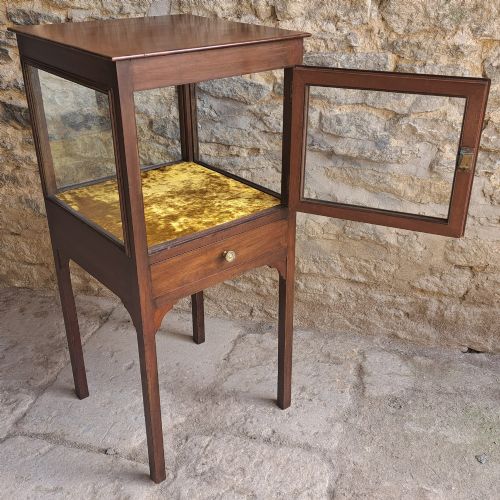
For mirrors and cabinets, the standard depends on the depth and definition of the wood carving, the preservation of original gilding, and the integrity of the antique plate. Finer pieces maintain their structural joinery and original decorative slips without intrusive restoration.
Small 18th Century Glass Retail Price Guide 2026
Typical asking prices for small 18th century glass among the pieces listed under this phrase on Sellingantiques today, from the lower quarter to the upper quarter. They describe what is for sale here now, not the wider market.
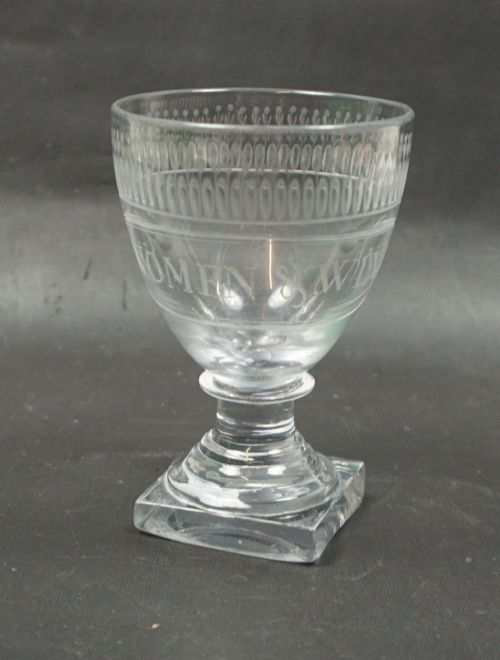
One surviving rummer carries an engraved toast to women and wine from seventeen-eighty, proving eighteenth-century glassware had a sense of humour.
The Small 18th Century Glass Glossary
- Lead glass
- Heavy glass containing lead oxide that increases brilliance and weight. This material allowed eighteenth-century makers to produce deeply cut and clearly defined vessels.
- Taper stick
- A small candlestick designed for holding a thin wax taper rather than a heavy candle. These items sat on desks and tables for sealing letters or providing concentrated light.
- Firing glass
- A drinking glass with a heavy, thick foot designed to be banged on a table instead of cheered. They date predominantly from the Georgian period.
- Sweetmeat glass
- A shallow bowl on a stem used for serving dry sweetmeats or small confectioneries. They often feature rib-moulding or folded rims.
- Cartouche mirror
- A wall mirror featuring an ornate, scroll-bordered frame resembling a rolled-up piece of paper or shield. These items frequently display Italian Rococo styling.
- Foxed plate
- Mirror glass showing spots and discoloration caused by the degradation of the backing over time. Collectors view this ageing as an indicator of authenticity.
Small 18th Century Glass: Frequently Asked Questions
What is a dram glass?
A dram glass is a small drinking vessel produced in the eighteenth century for a single measure of spirits. They typically feature heavy feet and straightforward bowl forms suitable for daily use at the time.
These glasses were handled frequently in domestic settings. Today, they fit well into small display cabinets or onto open shelves alongside other Georgian glassware.
How do I care for antique glass?
Antique glass requires gentle hand washing in lukewarm water with mild soap. Avoid soaking pieces with gilt decoration or engraving to preserve the surface finish.
Store vessels securely away from table edges and direct vibrations. Regular dusting with a soft cloth keeps mirrors and glass surfaces clear without risking chemical damage.
Where were La Granja glasses made?
La Granja de San Ildefonso glassworks operated in Spain during the eighteenth century. Artisans there produced distinctive tableware featuring detailed engraving and gilding.
These pieces often display floral motifs and specific regional characteristics that separate them from contemporary English lead glass production.
What is a dressing mirror?
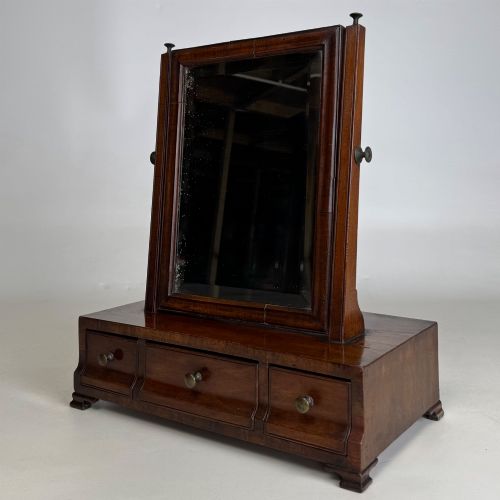
A dressing mirror is a small tabletop glass mounted in a wooden frame with drawers or supports. They sat upon chests of drawers in eighteenth-century bedrooms for grooming.
Mahogany and walnut served as common timbers for the frames. They bring functional period design into modern spaces when placed on side tables or desks.