
Fluted Column Lamp
A fluted column lamp brings architectural dignity and warm illumination into a room, drawing on classical forms built to endure.
Fluted Column Lamp
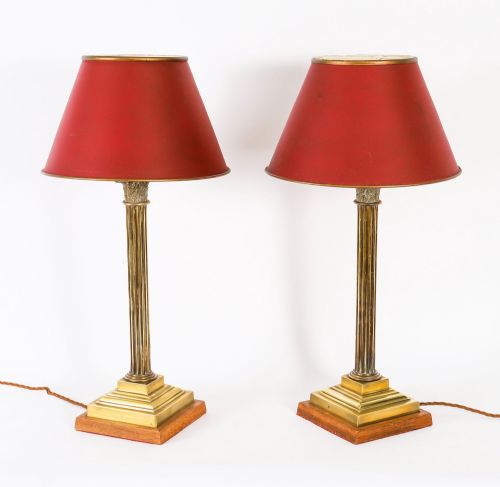
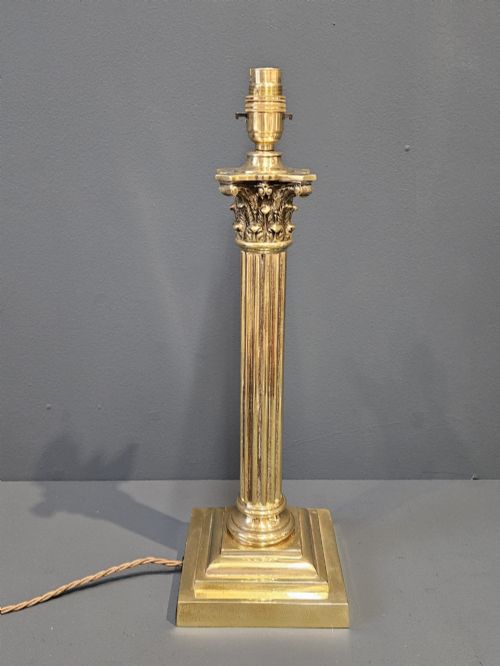
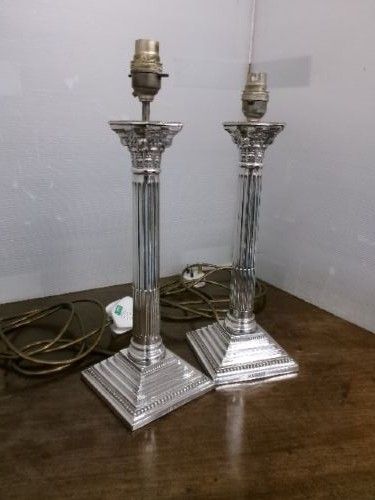
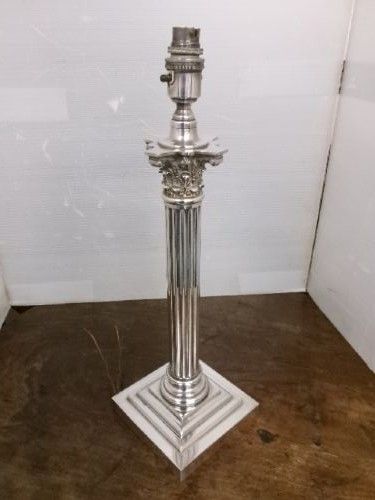
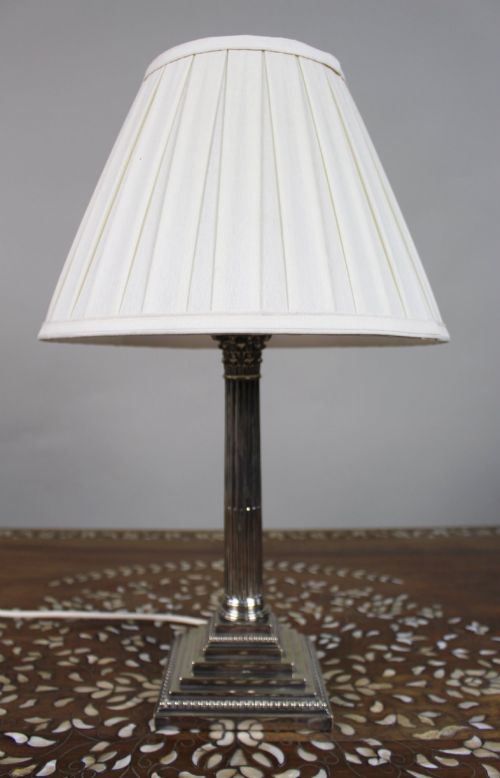
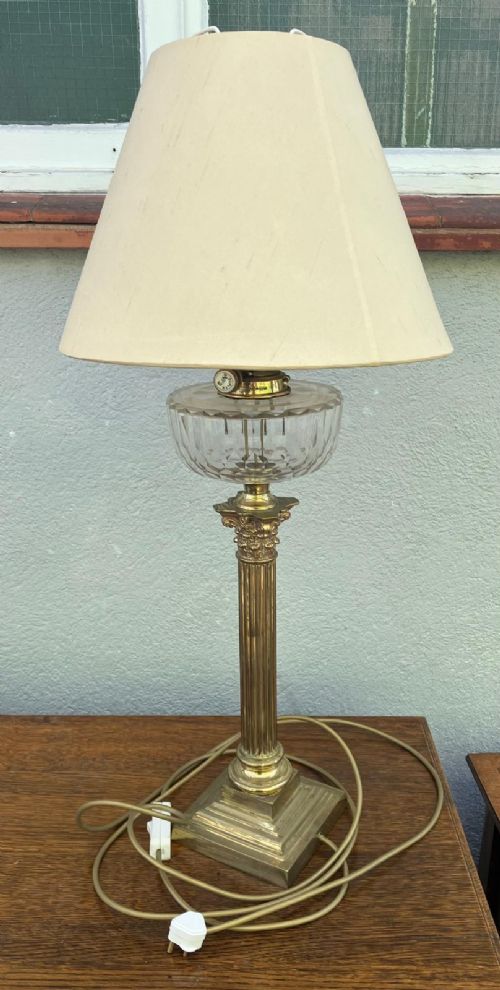
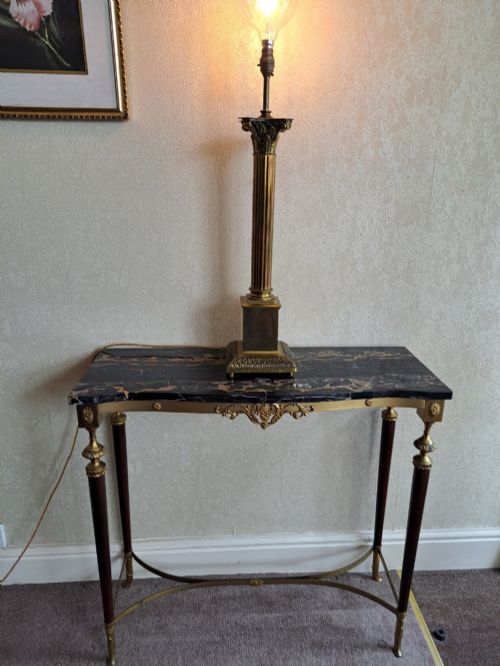
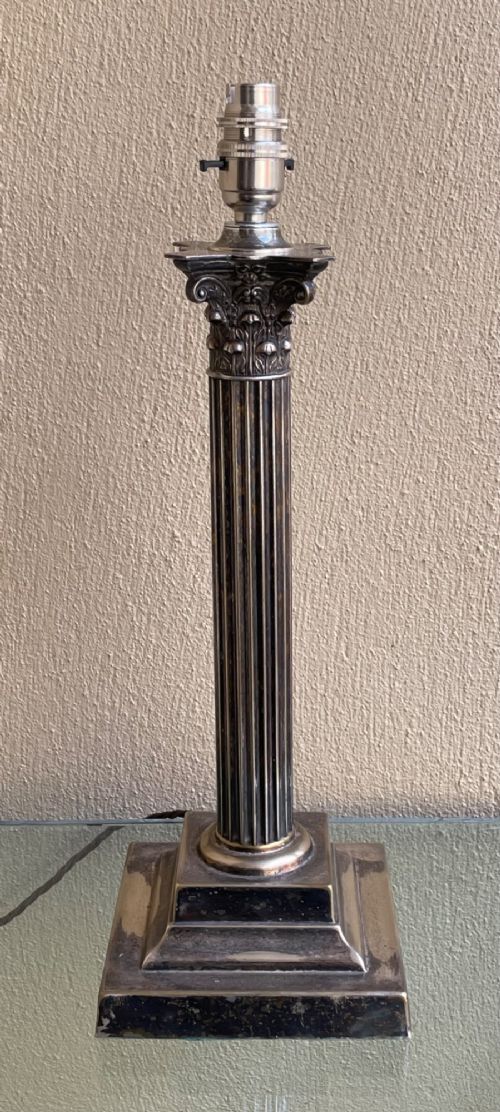
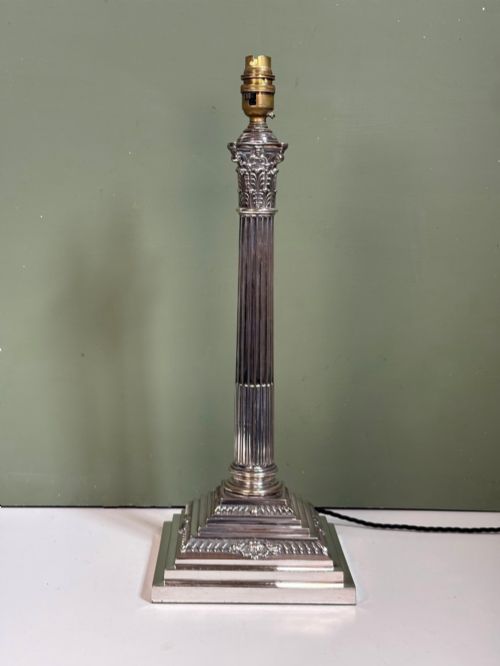
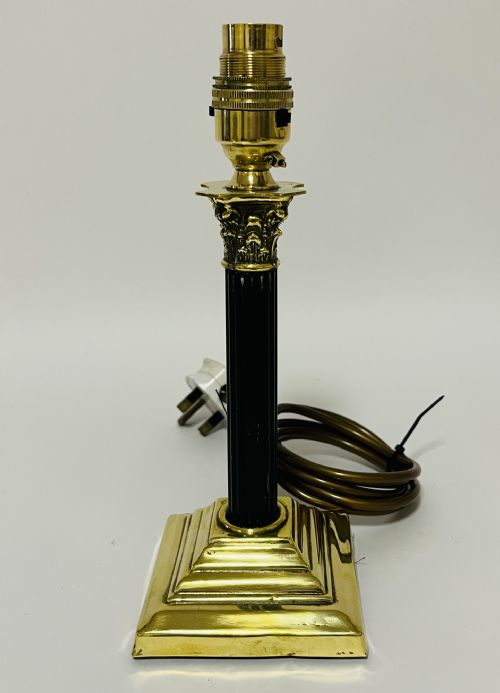
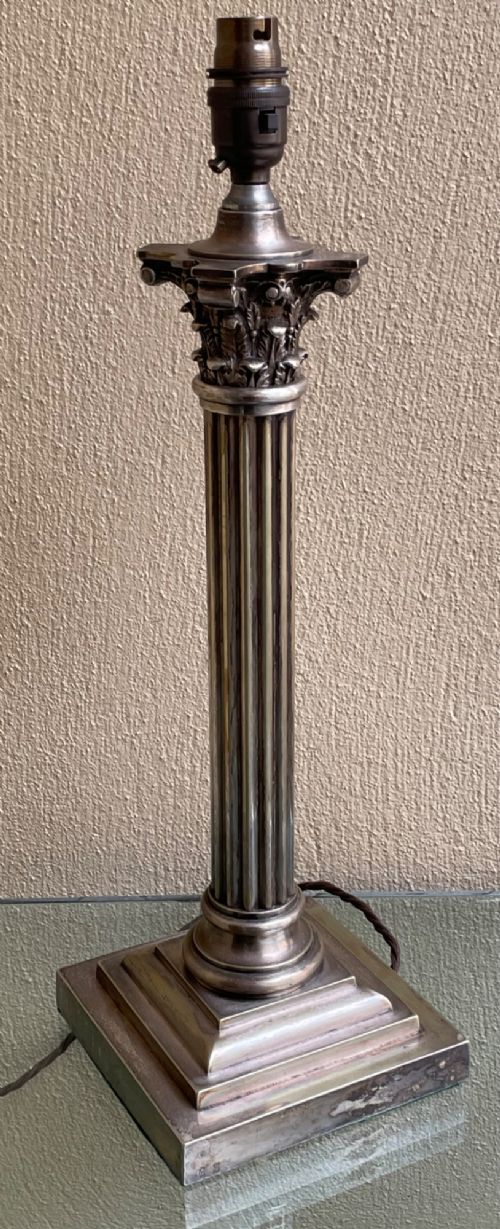
When you search for a fluted column lamp, you encounter lighting fixtures shaped by classical architecture, predominantly taking the form of table lamps, oil lamps, and floor-standing standard lamps. The most common version met on this page is the brass or silver-plated Corinthian column lamp dating from the Victorian and Edwardian periods.
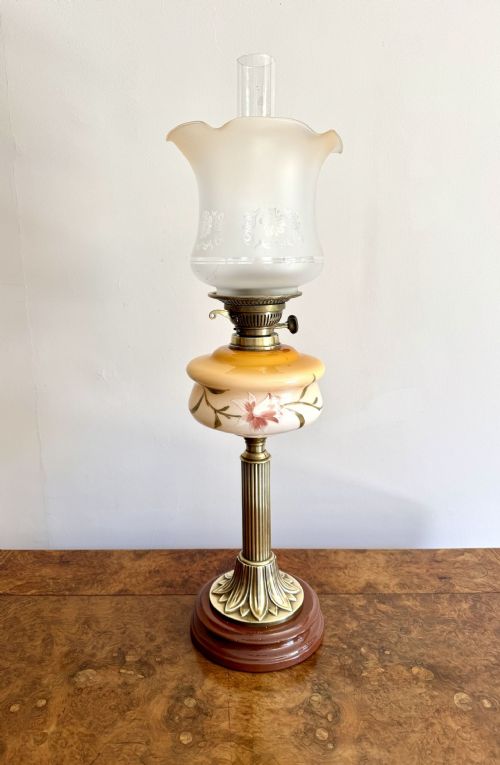
Many of these pieces began life as oil lamps or candlesticks before conversion to electricity, retaining their original proportions and heavy weighted bases. Materials range widely across the inventory, incorporating brass, silver plate, glass, ceramic, mahogany, walnut, ormolu, and fabric shades.
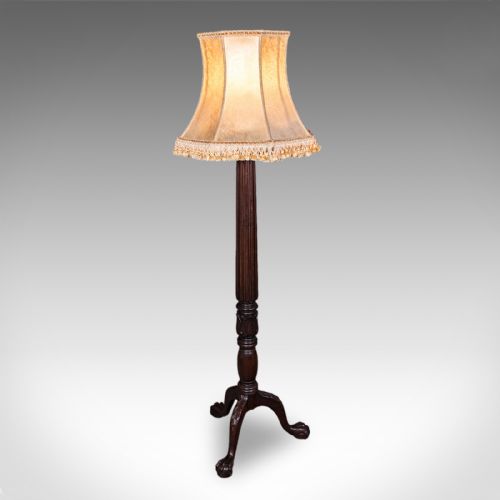
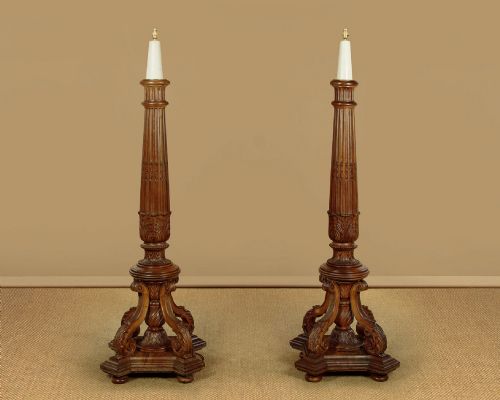
Origins span the nineteenth and early twentieth centuries, with styles heavily influenced by Neoclassical revivalism, French Empire designs, and Victorian classical grandeur. Alongside table models, taller floor lamps and torcheres appear frequently, bringing vertical emphasis to a traditional interior.
How They Were Made
The construction of a fluted column lamp relies on metalworking techniques such as casting, turning, and silver plating over a base metal, frequently resulting in substantial weight and durability. Brass shafts are often extruded or turned on a lathe to create precise vertical flutes, then topped with finely detailed Corinthian or ionic capitals.
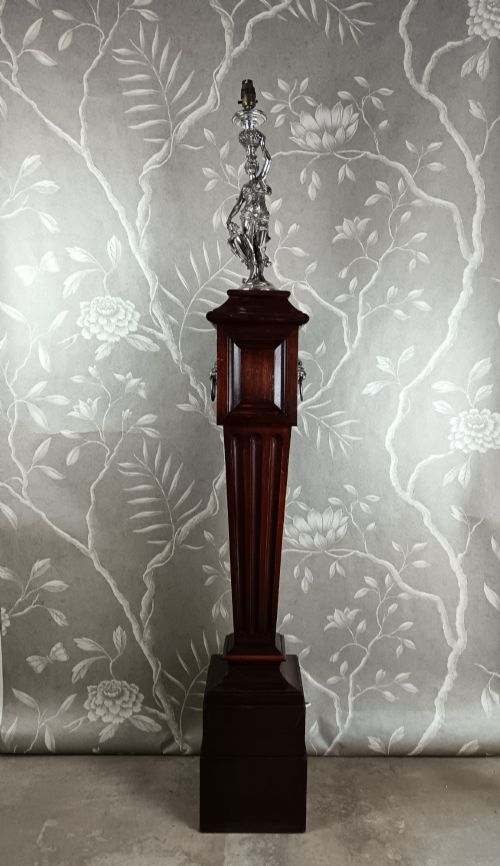
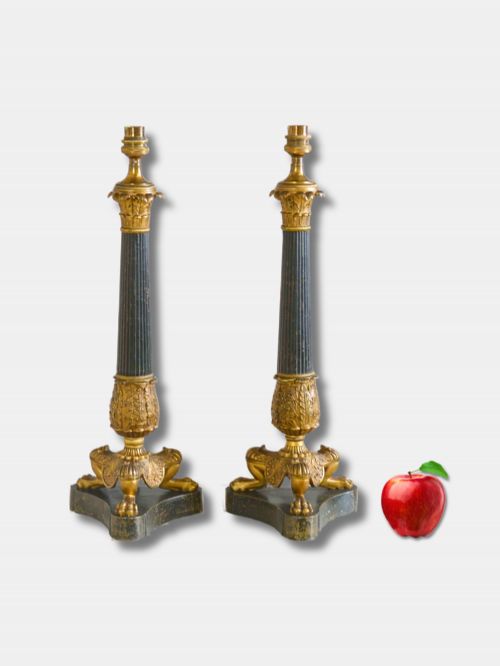
Timber examples, including those in mahogany, walnut, and giltwood, demonstrate traditional cabinetmaking and carving methods, sometimes incorporating turned shafts and decorative pedestals. Metal mounts, ormolu accents, and applied details like lion's paw feet are cast separately and securely fastened to the main column structure.
Fluted Column Lamp Retail Price Guide 2026
Typical asking prices for fluted column lamp among the pieces listed under this phrase on Sellingantiques today, from the lower quarter to the upper quarter. They describe what is for sale here now, not the wider market.
The inventory includes both compact table models and monumental floor-standing torcheres originating from British and French workshops.
What Varies in Quality
Quality in a fluted column lamp is determined by the crispness of the casting and the depth of the detailing on the capital and base. Superior pieces exhibit sharp acanthus leaves on Corinthian capitals and heavy, well-balanced metal bases rather than lightweight pressed components.
The choice of materials and the preservation of original finishes, such as intact silver plating or undisturbed patination on aged brass, separate standard utilitarian pieces from finer decorative examples. Proportion and scale also dictate quality, with taller floor standards and monumental pairs requiring architectural harmony to succeed.
Humphrey Hopper·WMF
The Fluted Column Lamp Glossary
- Corinthian
- A classical architectural order characterised by elaborate capitals decorated with rows of acanthus leaves and small scrolls.
- Torchere
- A tall stand or floor lamp designed to hold a light source high above the floor, often featuring slender proportions.
- Ormolu
- Gilded bronze or brass applied as a decorative mount, frequently found on French and neoclassical lighting fixtures.
- Standard Lamp
- A British term for a floor-standing lamp designed to illuminate a room from a standing height.
- Fluting
- Shallow, concave grooves running vertically along the shaft of a column or lamp base to create visual texture.
Fluted Column Lamp: Frequently Asked Questions
What is a fluted column lamp?
A fluted column lamp is a lighting fixture modelled after classical architectural pillars, featuring vertical grooves along the shaft. They are designed to bring formal elegance and directional height to interior spaces.
These pieces typically sit on heavy square or stepped bases and are constructed from metals like brass and silver plate, or occasionally fine woods.
Were these always electric lamps?
Most antique examples began their lives as oil lamps, paraffin burners, or heavy candlesticks before being professionally converted to electricity. This heritage accounts for their substantial weight and sturdy, stable bases.
Conversion methods vary, but quality pieces retain their original switchgear housings or burner galleries where possible while accommodating modern wiring.
How do I date a brass column lamp?
Dating relies on examining the manufacturing style, the type of metal used, and the assembly screws or threading found within the base. Victorian and Edwardian examples often display specific revival motifs and heavier metal casting than later reproductions.
Maker's marks, registry stamps, or retailer plaques stamped into the metal can also narrow down the production era significantly.
Can I use standard lampshades on these?
These lamps generally require shade carriers or specific fitter sizes depending on whether they retain their original oil lamp burners or have fixed harps. Selecting a shade that matches the proportional height of the column is essential for visual balance.
Fabric shades with traditional empire or coolie shapes complement the classical lines of metal Corinthian columns particularly well.