

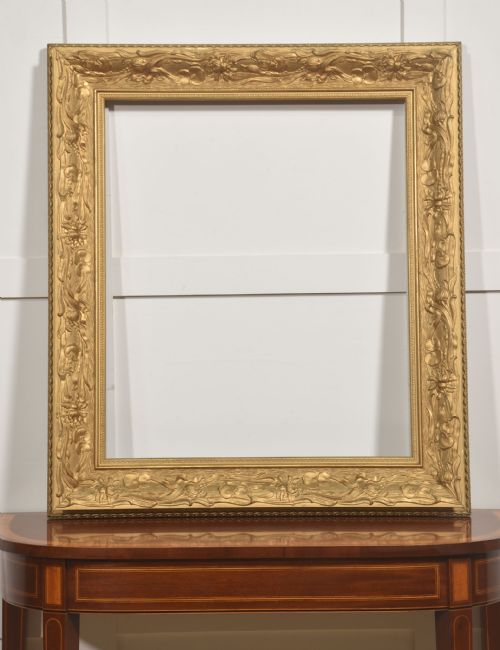


Floral Painting Mirror
A floral painting mirror brings delicate botanical brushwork together with functional glass, creating a decorative focal point for any interior wall.
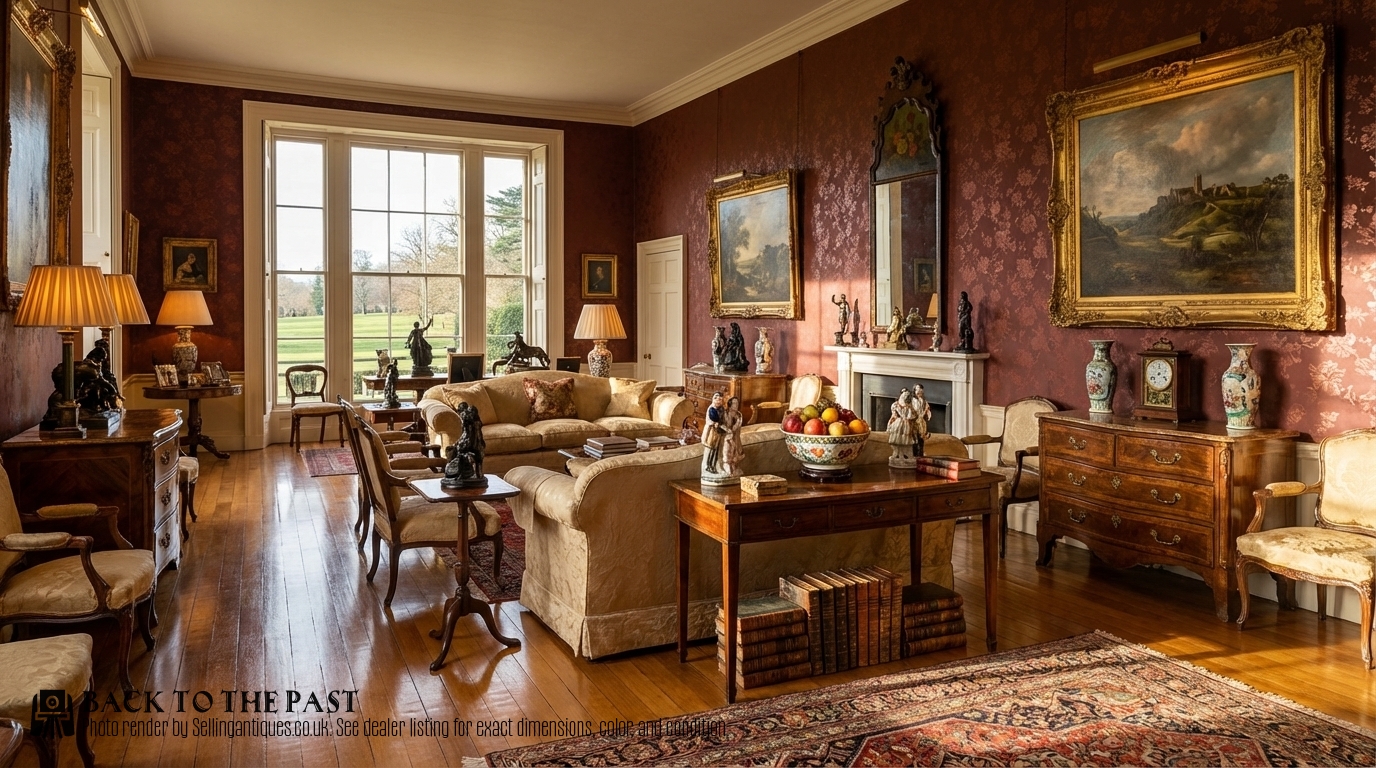
Floral Painting Mirror
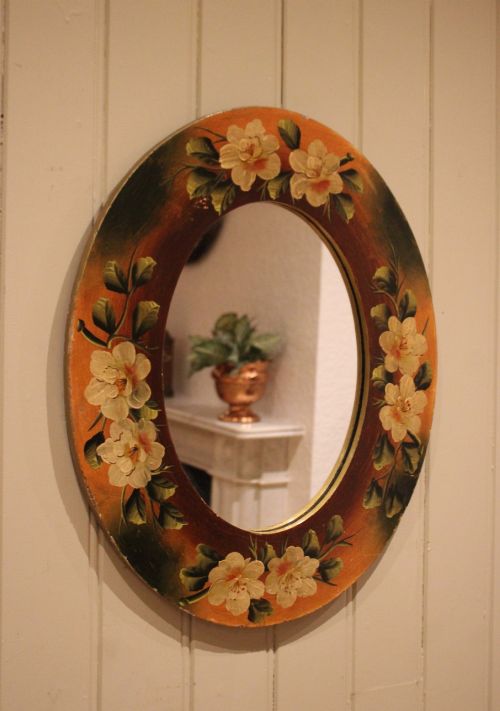
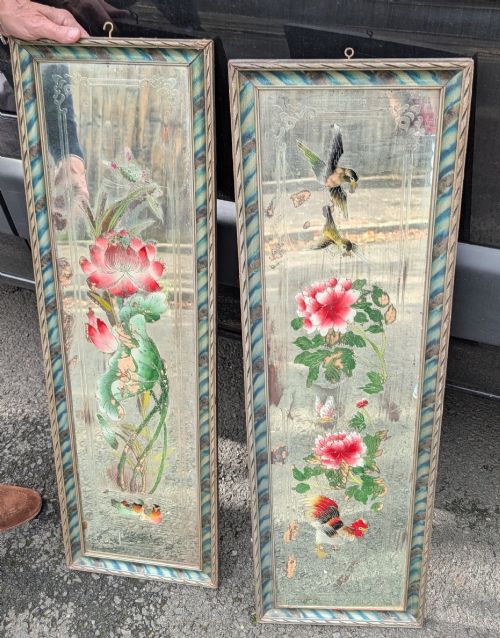
Italian and French regional designs predominate, alongside English Victorian and Edwardian interpretations. You will frequently find pieces incorporating hand-painted floral panels, gesso decoration, or reverse-painted glass depicting roses and foliage.
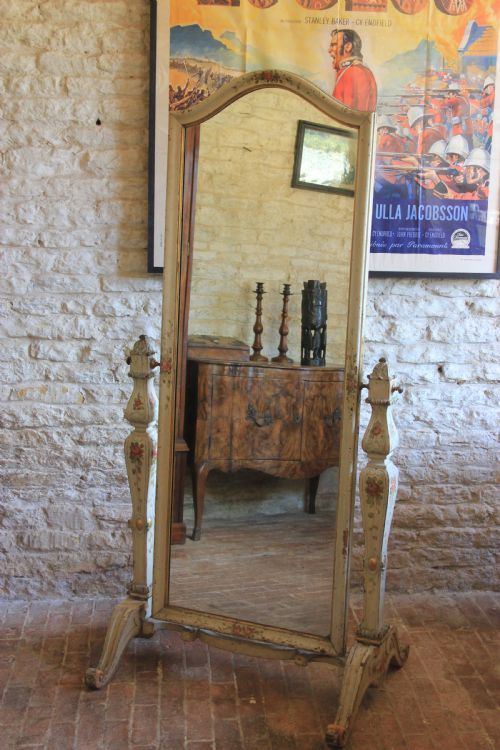
The assortment also includes specialised items such as cheval mirrors, gypsy mirrors, and mirrors integrated into display cabinets. These items reflect diverse stylistic revivals, from George II and Queen Anne styles to the sinuous lines of the Aesthetic Movement.
Materials and construction methods
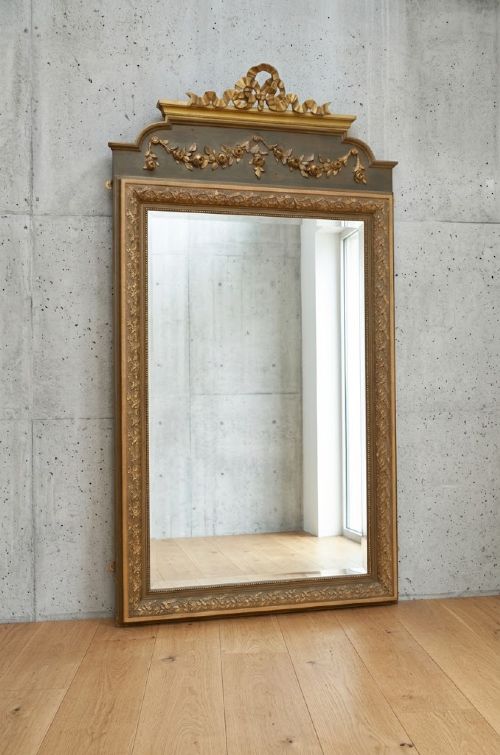
Makers utilised wood, including walnut, satinwood, and mahogany, as the foundational structure for frames and cabinets. Giltwood, gold leaf, and gesso were frequently applied to enrich surfaces, often combined with olive green or ebonised painted finishes.
The decorative floral elements involve hand-painting directly onto wood, canvas panels, or the reverse of the glass itself. Etched detailing and silk inserts occasionally complement the painted motifs to enhance visual depth.
Several mirrors sport painted ribbon crests and delicate lily of the valley, proving that Victorians loved botanical romance.
Distinctions in craftsmanship and preservation
Quality rests upon the fineness of the botanical brushwork and the crispness of the carved gesso or wood ornamentation. Superior examples display intricate, hand-painted botanical details that integrate harmoniously with the proportions of the frame.
The integrity of the original gilding and painted surfaces dictates the overall merit of a piece. Finer mirrors retain their original silvered glass and structural joinery without heavy modern intervention.
The Floral Painting Mirror Glossary
- Gesso
- A plaster-like mixture applied to wood frames to create a smooth surface for carving and gilding. This material allows for elaborate relief decoration, such as scrolls and floral motifs.
- Trumeau mirror
- A decorative wall mirror featuring an upper painted or carved panel paired with the glass plate below. These pieces originated in grand French interiors.
- Pier glass
- A tall mirror designed specifically to hang on the narrow section of wall between two windows. They often stand above small console tables or piers.
- Overmantle mirror
- A wide glass designed to be positioned directly above a fireplace mantelpiece. They frequently incorporate landscape proportions and extensive gesso ornamentation.
- Reverse painting
- A technique where artists apply pigment directly to the back of the glass, viewed from the polished front. This method protects the artwork while providing a glossy finish.
Floral Painting Mirror: Frequently Asked Questions
Where should I hang a floral painting mirror?
These mirrors suit principal reception rooms, hallways, and bedrooms where reflected light enhances the painted botanical details. Placing them above mantelpieces or consoles allows the frame and artwork to anchor the wall space.
Ensure the hanging height suits the room proportions so the painted elements remain easily visible at eye level. Avoid damp environments that might compromise the antique wood and gesso surfaces.
How do I date a painted antique mirror?
Dating relies on examining the construction methods of the wooden frame, the formulation of the gesso, and the style of the painted flora. Aesthetic Movement and Victorian pieces often feature ebonised or heavily gilt surfaces with distinct botanical subjects.
Earlier eighteenth-century Italian and French examples display different structural joinery and characteristic patination on the glass and painted panels. Comparing the decorative motifs to known period styles helps narrow the manufacturing decade.
How do I clean the glass and painted frame?
Dust the carved frame gently with a soft, dry brush to protect the delicate gesso and painted surfaces. Avoid using commercial liquid cleaners directly on the frame or painted panels, as moisture causes lifting.
Clean the mirror glass sparingly with a soft cloth and a minimal amount of glass cleaner applied to the cloth rather than the glass. Keep moisture away from the edges where it can seep behind the silvering.
What is a gypsy mirror?
A gypsy mirror typically refers to decorative, often bohemian wall mirrors produced during the late Victorian and Edwardian eras. They feature eclectic painted woodwork and sometimes fabric accents, reflecting popular taste of the period.
These pieces were intended as charming, decorative household items rather than formal furnishings. Their whimsical frames frequently incorporate vibrant floral decoration.