

Floral Painted Porcelain
Floral painted porcelain brings together centuries of ceramic artistry, offering hand-decorated vessels that transform everyday tables and display cabinets.
Floral Painted Porcelain
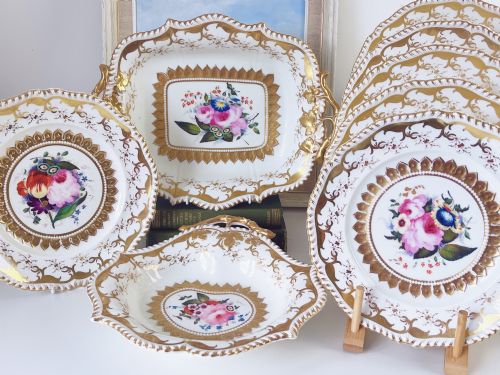
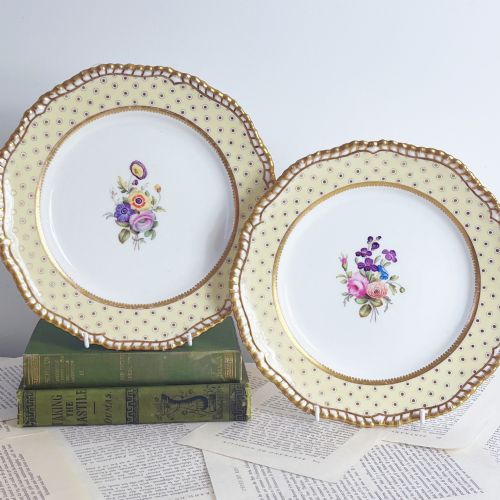
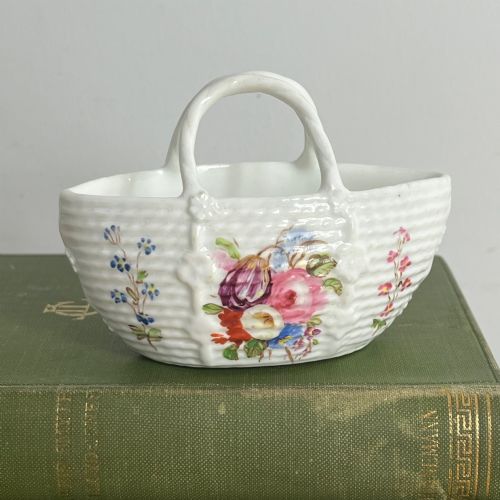
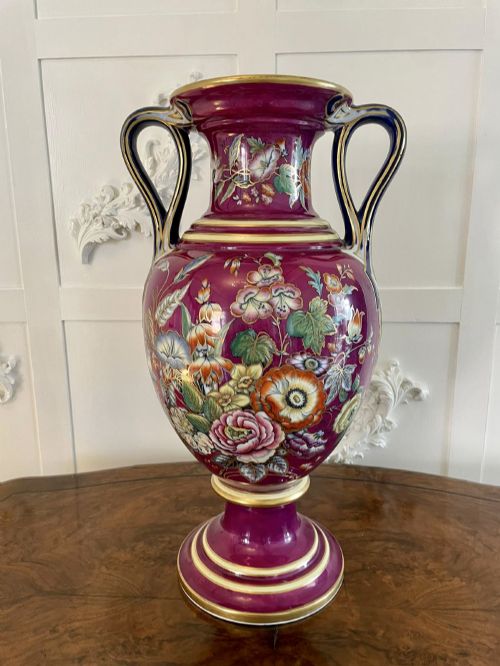
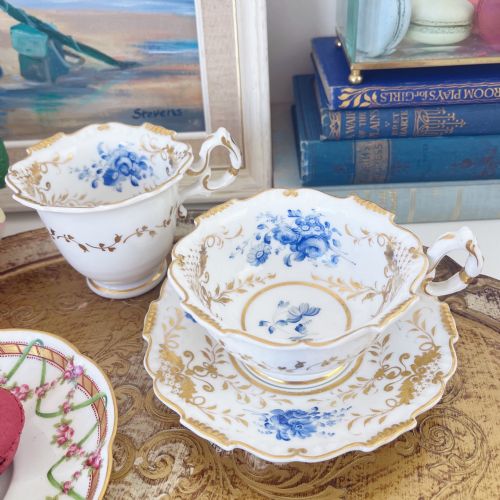
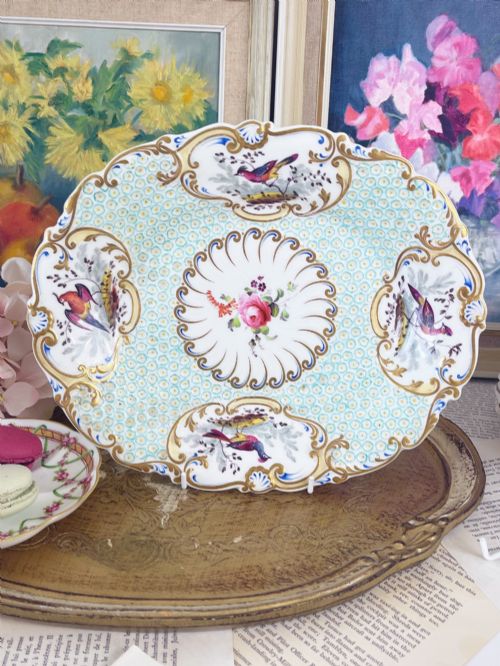
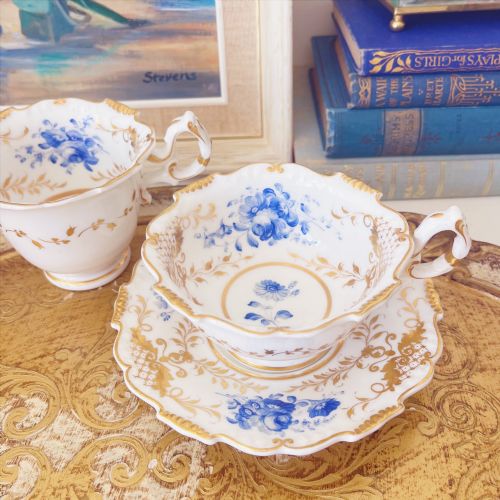
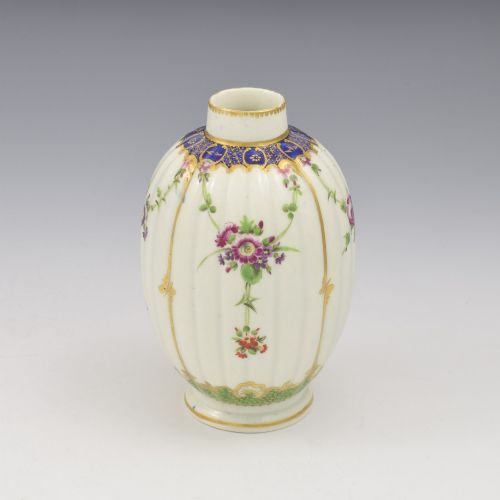
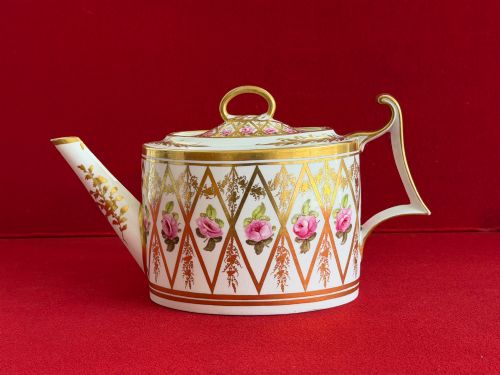
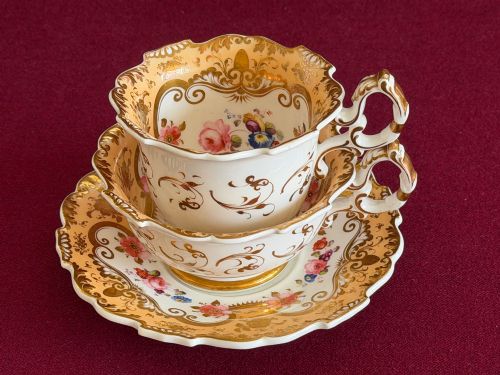
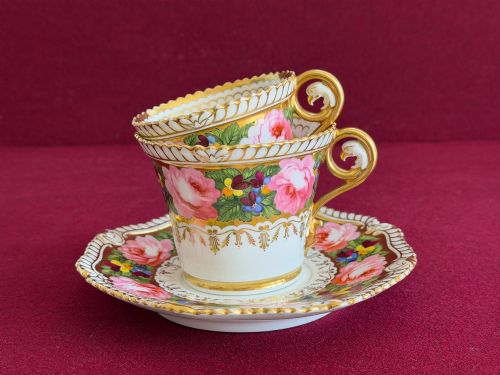
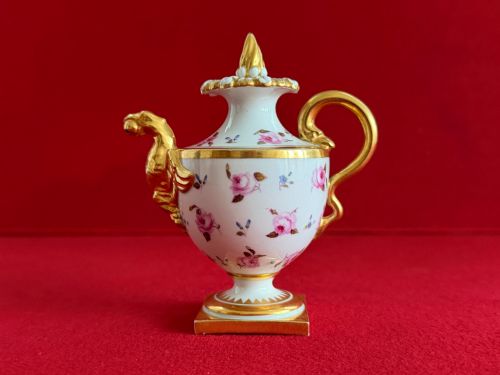
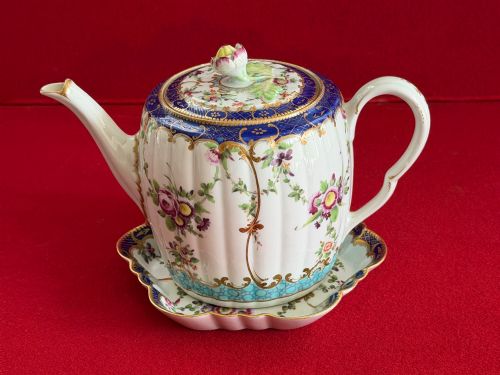
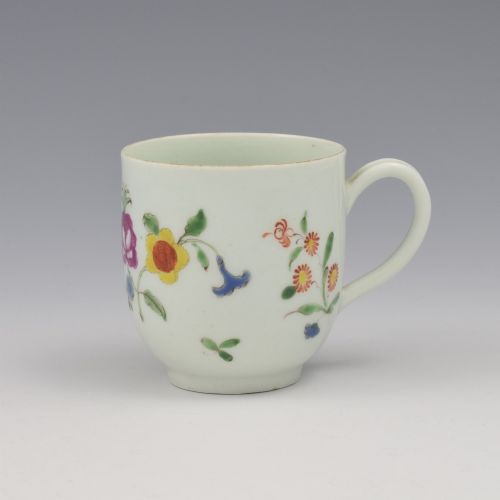
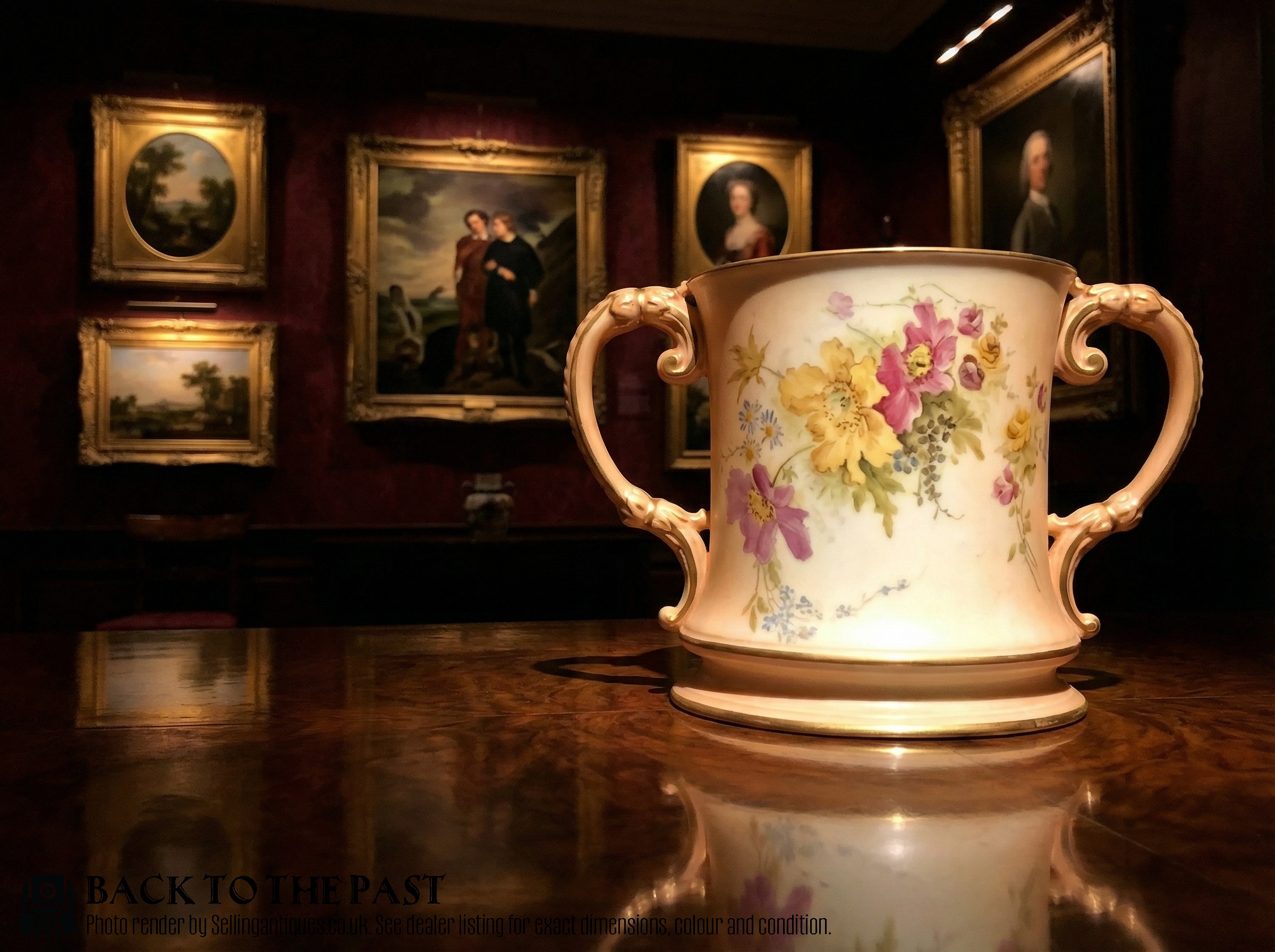
Floral painted porcelain encompasses domestic tablewares and ornamental vessels decorated with botanical motifs, spanning the eighteenth, nineteenth, and early twentieth centuries. When searching for floral painted porcelain, buyers encounter everything from Georgian tea services to Victorian vases and decorative dishes.
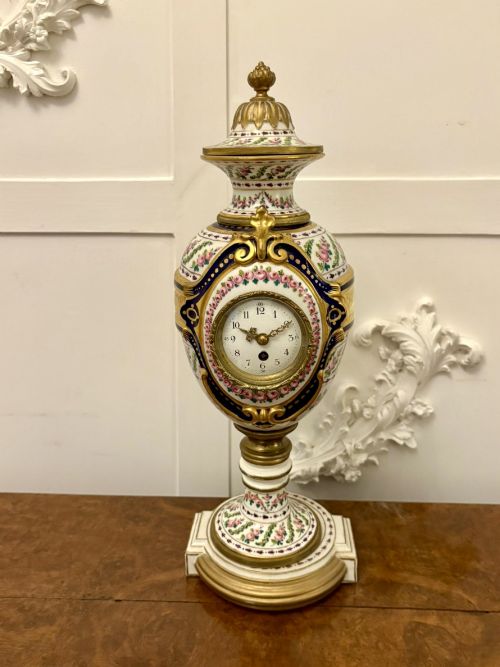
The objects on this page include teacups, saucers, teapots, urns, and chargers originating from English factories like Worcester and Derby, alongside continental European and Japanese kilns. English factory productions from the Regency period appear frequently alongside later Victorian decorative pieces.
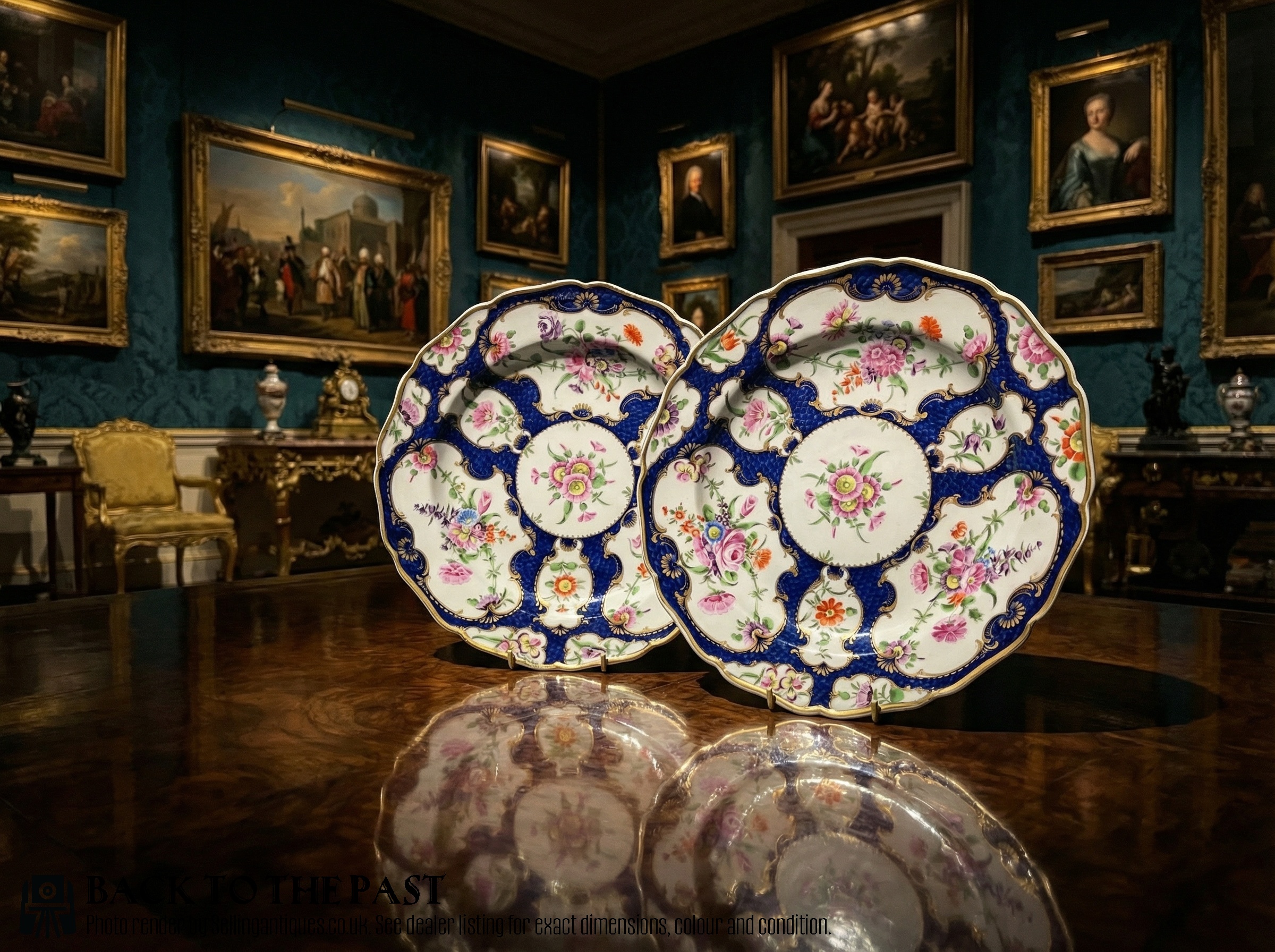
How They Were Made
Makers shaped hard-paste and soft-paste porcelain bodies before applying intricate hand-painted enamel botanical motifs, often incorporating gold leaf and gilding to accentuate handles, rims, and panels. Firing processes required precise kiln temperatures to fuse pigments and gilding securely to the white ceramic ground.
Factories utilised specialised ceramic bodies such as bone china and Felspar porcelain to achieve specific translucency and durability, while artists employed fine hairbrushes to render detailed petals, leaves, and stems.
Floral Painted Porcelain Retail Price Guide 2026
Typical asking prices for floral painted porcelain among the pieces listed under this phrase on Sellingantiques today, from the lower quarter to the upper quarter. They describe what is for sale here now, not the wider market.
Listings feature porcelain forms spanning eighteenth-century teapots to nineteenth-century urns and chargers in soft-paste, bone china, and enamel.
What Varies in Quality
Quality in these ceramics rests upon the precision of the hand-painting, the delicacy of the porcelain body, and the crispness of the gilded detailing. Superior examples demonstrate confident brushwork with subtle tonal shading in the floral displays, rather than flat or heavily stencilled application.
The reputation of the manufactory and the complexity of the form also influence distinction, as seen in pieces featuring elaborate moulded handles, scalloped edges, or custom cabinet shapes.
Grainger Lee And Co·Spode·Flight Barr And Barr·H And R Daniel·Chamberlain Worcester·Richard Chaffers·Hampton And Sons·Hadleys Royal Worcester·Jacob Petit·Sitzendorf
The Floral Painted Porcelain Glossary
- Soft-paste porcelain
- An artificial ceramic composition fired at lower temperatures than hard-paste porcelain, common in eighteenth-century English factories. It yields a warm, slightly creamy body with a soft glaze.
- Gilding
- The application of gold leaf or powdered gold to ceramic surfaces for decorative emphasis. It is often found highlighting rims, handles, and painted panels.
- Enamel
- Vitreous coloured paints applied over or under the glaze to create vibrant botanical motifs. These pigments are fused to the ceramic body during secondary kiln firings.
- Trio
- A matched set comprising a teacup, coffee cup, and matching saucer. This grouping gained popularity during the Georgian and Regency periods for formal hospitality.
- Imari
- A decorative style originating in Japan featuring iron red, underglaze blue, and gold highlights. European factories frequently copied these bold patterns on chargers and vases.
Floral Painted Porcelain: Frequently Asked Questions
Can I use these teacups for drinking tea?
Many historical teacups remain structurally sound for gentle use, though eighteenth and nineteenth-century soft-paste bodies require careful handling. Thermal shock from boiling water can crack fragile antique porcelain.
Most collectors prefer to display these items or reserve them for occasional ceremonial use rather than daily dining.
How do I distinguish eighteenth from nineteenth-century pieces?
Eighteenth-century items often feature soft-paste bodies with translucent irregularities and hand-painted underglaze blue or soft enamel palettes. The forms tend to reflect Rococo or early neoclassical curves.
Nineteenth-century pieces frequently utilise bone china or hard-paste porcelain with brighter ground colours, heavier gilding, and more mechanised manufacturing marks.
What does a factory mark tell me?
Factory marks provide clues regarding origin, period, and sometimes specific decorators or pattern numbers. Handwritten script marks often indicate earlier periods, while impressed or printed ciphers became common later.
Unmarked pieces remain common, requiring attribution based on paste composition, potting style, and enamel characteristics.