
Floral Painted Ceramics
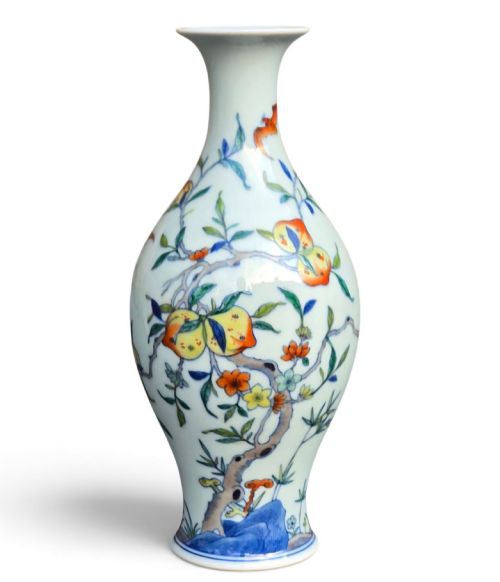
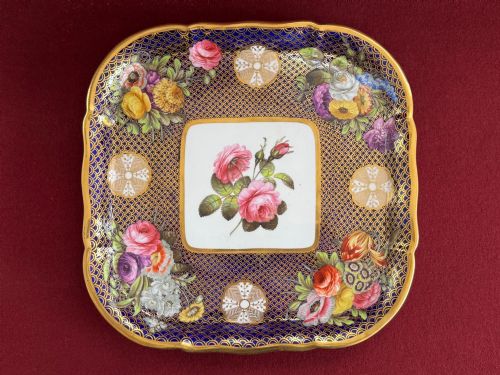
Floral painted ceramics bring natural beauty into interior spaces through hand-decorated botanical motifs on porcelain, earthenware, and pottery vessels.
Floral Painted Ceramics
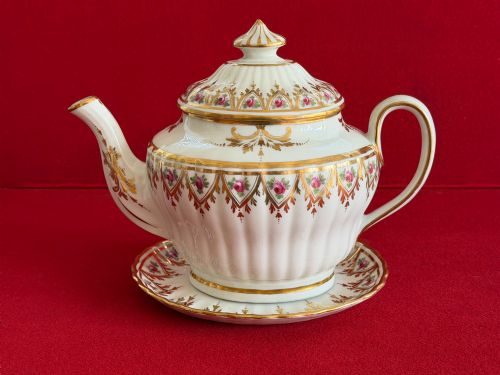
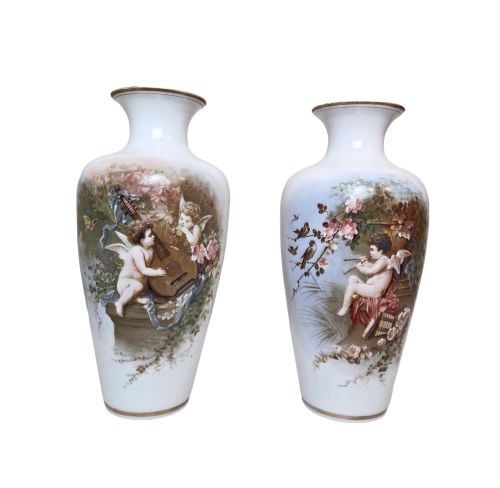
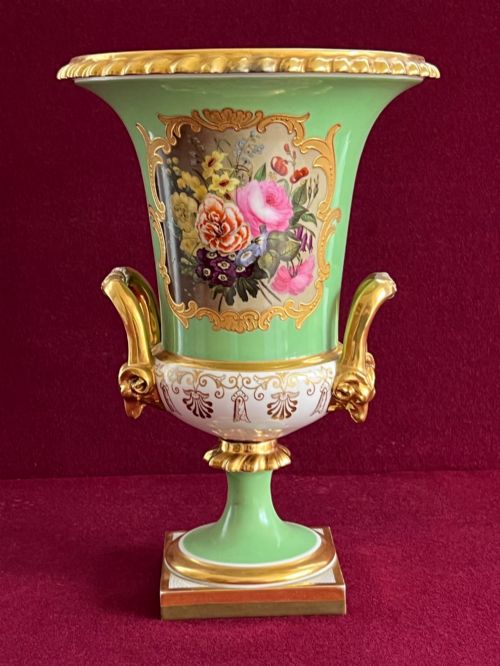
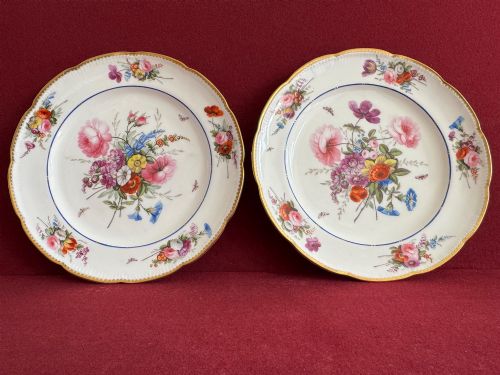
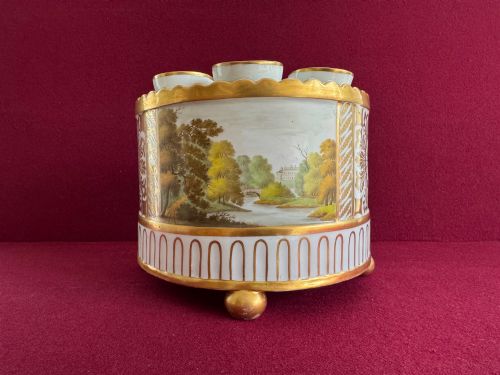
Floral painted ceramics encompass a wide range of decorative and functional vessels, including vases, teapots, dessert services, and wall plaques. These pieces showcase botanical ornamentation applied across centuries of ceramic production in Britain, Europe, and Asia.
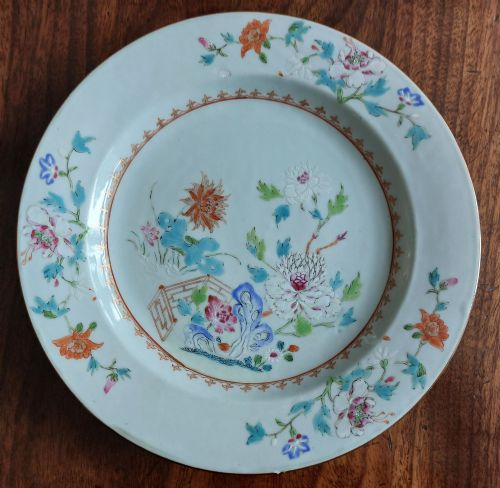
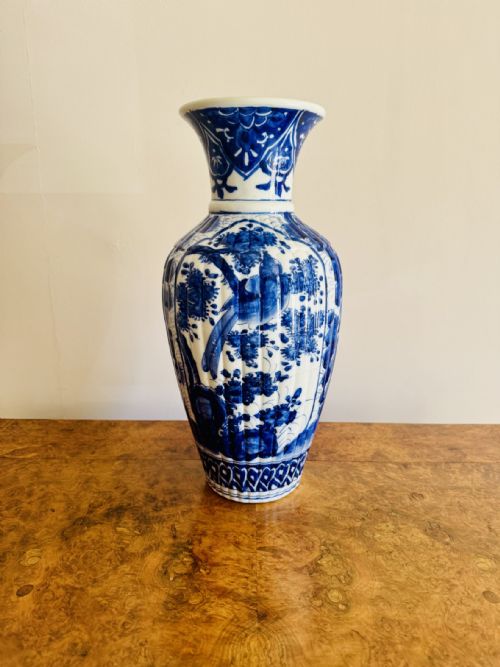
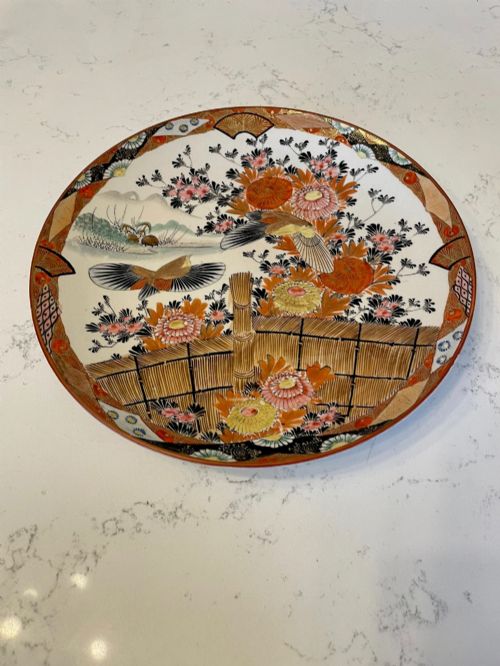
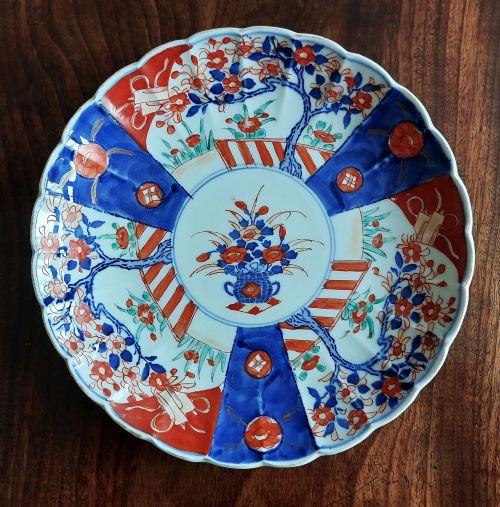
The selections on this page are predominantly 18th and 19th-century works from factories such as Worcester, Spode, and Coalport, alongside international pieces like Japanese Imari and Chinese export wares. Buyers encounter everything from miniature baskets to large cabinet vases.
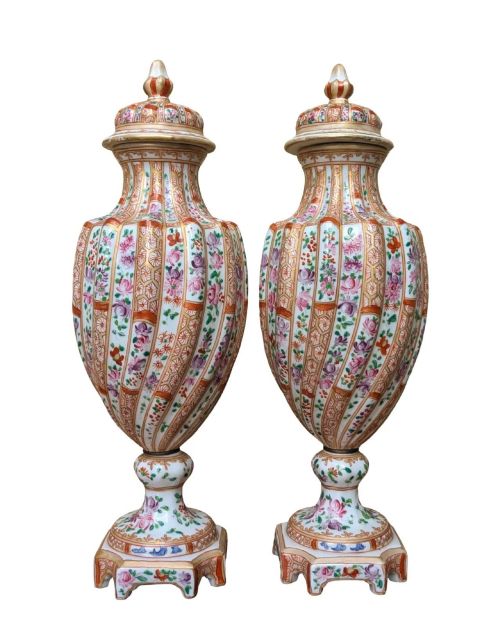
Forms vary from practical tableware like cream jugs and sugar boxes to purely ornamental garnitures and lidded jars. Each piece demonstrates how historical makers utilised floral themes to elevate domestic objects into works of art.
How they were made
Makers formed these ceramics using traditional methods in porcelain, earthenware, and creamware bodies, often shaping them on a potter's wheel or in moulds before firing. Artisans then applied underglaze or overglaze painting by hand, frequently incorporating polychrome enamels and detailed botanical studies.
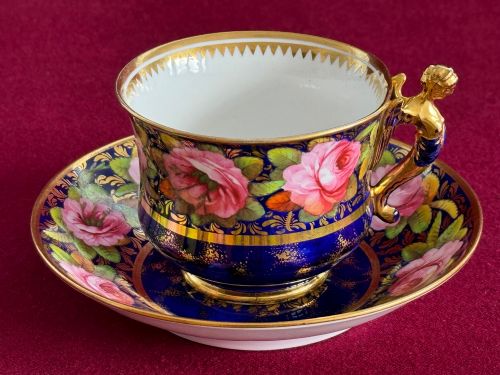
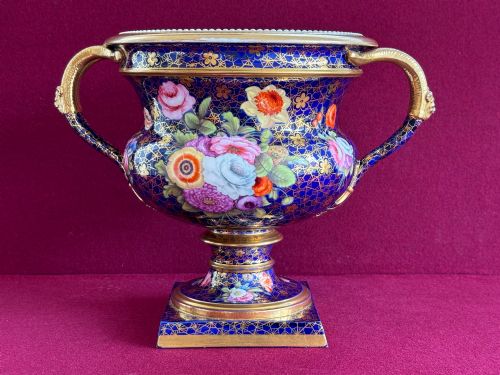
Gilding with gold leaf or liquid gold highlights rims, handles, and borders, adding a layer of refinement to the painted floral compositions. Firing techniques varied according to the medium, with hard-paste and soft-paste porcelains requiring precise temperature control to vitrify the body and fix the enamel colours.
Listings feature 18th-century and 19th-century periods, incorporating porcelain, earthenware, and enamel materials across various decorative forms.
What varies in quality
Quality in these ceramics rests primarily on the precision and artistry of the handpainted decoration, where master painters achieved finer botanical detail, subtle colour shading, and balanced composition. The crispness of the porcelain moulding and the evenness of the glaze also distinguish superior studio outputs from standard commercial wares.
Historical factory provenance further elevates a piece, as works from renowned decorators or established manufactories command greater interest through documented craftsmanship. Preservation of the original gilding and enamel vibrancy over centuries dictates the ultimate standard of the object.
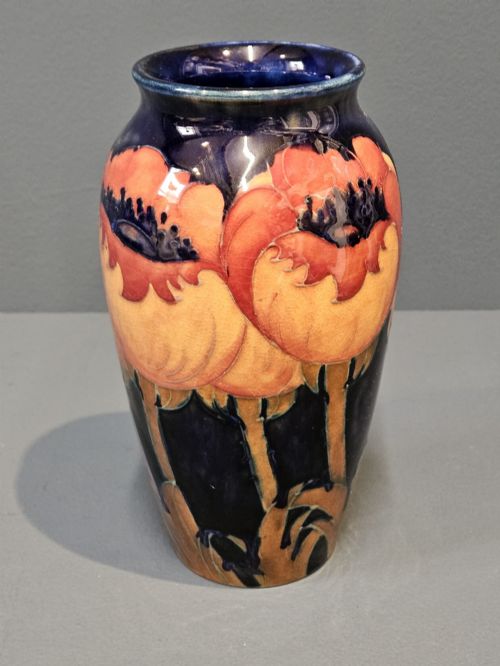
Thomas Steel·Samuel Alcock·Grainger Lee And Co·Maruni Kobe·Flight Barr And Barr·Moorcroft·H And R Daniel·Richard Chaffers·Sitzendorf
The Floral Painted Ceramics Glossary
- Enamel
- A glass-like substance fused to the surface of ceramics during firing to provide colour and decoration. It allows for bright, durable polychrome floral designs.
- Gilding
- The application of gold leaf or powdered gold onto ceramic surfaces for ornamentation. This technique often highlights handles, rims, and borders on cabinet pieces.
- Creamware
- A refined earthenware developed in England during the 18th century, known for its pale yellowish cream hue. It served as a popular canvas for enamelled botanical motifs.
- Soft-paste porcelain
- An artificial porcelain composition fired at lower temperatures than hard-paste, common in early English factories. It presents a warm glaze texture ideal for delicate painting.
- Garniture
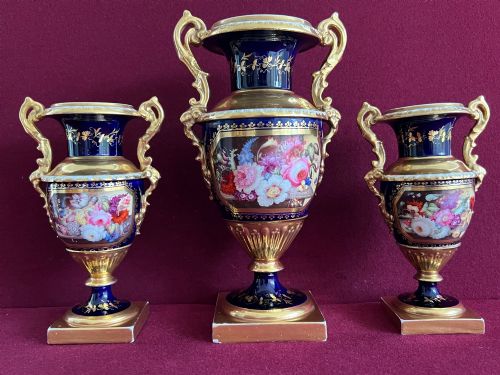
- A set of matching vases or vessels designed to be displayed together on a mantelpiece or sideboard. They typically feature coordinated floral handpainting across varying sizes.
Floral Painted Ceramics: Frequently Asked Questions
How do I display antique floral ceramics safely?
Place decorative plates and bowls on stable stands away from direct sunlight to protect the enamel colours from fading over time. Enclosed cabinets protect delicate handles and protruding floral elements from accidental knocks.
Ensure that wall-hung pieces utilise secure, weight-appropriate brackets designed specifically for ceramic plates and corbels. Avoid humid environments like kitchens to preserve historical bodies and old glaze.
How do I distinguish 18th-century porcelain from 19th-century pieces?
Examine the weight, translucency, and glaze texture, as 18th-century soft-paste porcelain often displays a warmer, slightly uneven glaze with varied light transmission. 19th-century bodies tend towards more uniform industrial standards and brighter porcelain formulas.
Maker's marks, when present, provide crucial clues but require cross-referencing with period-specific factory styles. Hand-lettered underglaze blue marks typically indicate earlier production phases than printed transfer marks.
What is the difference between earthenware and porcelain?
Earthenware is an opaque, porous ceramic fired at lower temperatures, represented by creamware and traditional pottery bodies. It requires a glazed surface to remain watertight.
Porcelain is a dense, vitrified ceramic fired at much higher temperatures, making it naturally non-porous and often translucent when held to light. Porcelain items like fine cabinet cups typically show greater refinement in thin-walled moulding.