
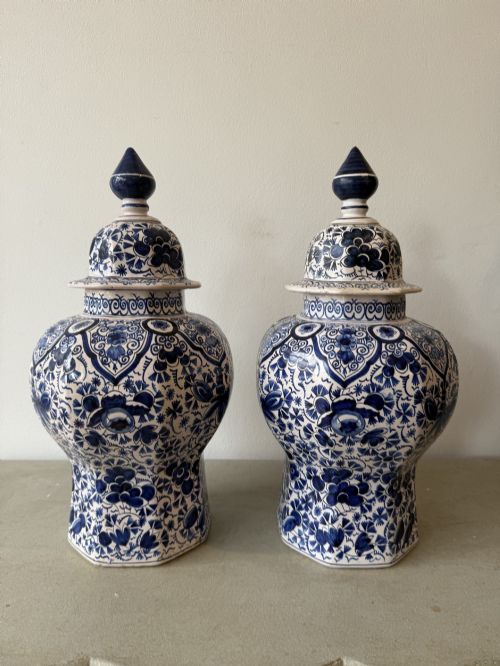


Dutch Ceramic Urn
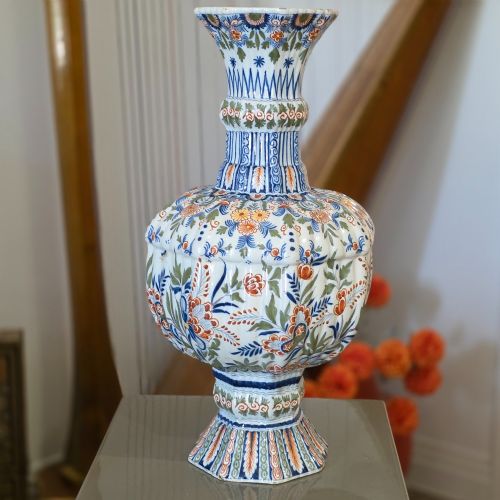
These dutch ceramic urn vessels bring centuries of hand-painted blue and white tradition directly into a room.
Dutch Ceramic Urn
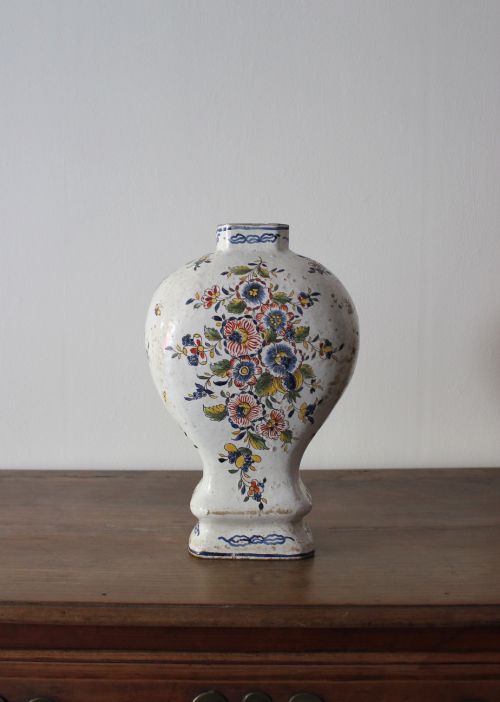
A dutch ceramic urn encompasses lidded jars, garden planters, and baluster vases shaped from earthenware. These pieces span from the seventeenth century through to the twentieth century, reflecting enduring forms used for display and storage.
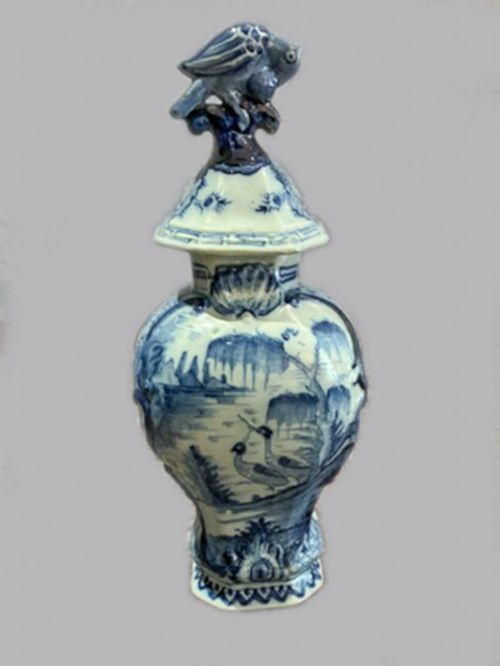
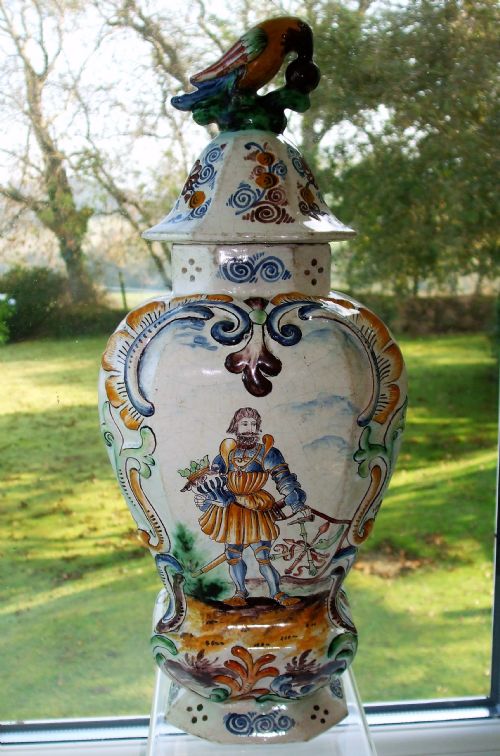
The version most commonly encountered on this page is the eighteenth-century delft vase or lidded jar, often decorated in blue and white or polychrome palettes.
Makers shaped these objects into distinctive silhouettes, ranging from tall beaker vases to handled garden vessels and tobacco jars.
How they were made
Potters formed these pieces using earthenware, subsequently coating the body in a tin glaze to create an opaque white surface for painting. Artisans applied cobalt pigment and other colours by hand, often depicting birds, flowers, and chinoiserie motifs.
Many items received a clear overglaze before final firing to fix the pigments and protect the painted decoration. Some later examples incorporate metal components such as brass bases or wiring when converted into lamps.
Listings span from the seventeenth century through to the nineteen-forties, utilising earthenware, tin glaze, and brass.
What varies in quality
The definition and intricacy of the hand-painted brushwork separate standard vessels from exceptional examples. Finer pieces display crisp botanical or avian details executed with great control over the cobalt pigment.
The preservation of the original tin glaze and the presence of matching lids significantly influence the character of an urn. Pieces that retain their original covers without extensive restoration hold closer to their initial form.
Rozenburg
The Dutch Ceramic Urn Glossary
- Tin-Glazed Earthenware
- Pottery fired with a lead glaze rendered opaque by the addition of tin oxide. This surface provided the smooth white background characteristic of traditional delftware.
- Cobalt Pigment
- A metallic colourant used under the glaze to produce deep blue hues during firing. It stands as the primary colouring agent in traditional blue and white decoration.
- Baluster Vase
- A vessel featuring a curved contour that swells near the bottom and tapers toward the top. This form appears frequently among large decorative jars and lidded urns.
- Chinoiserie
- European decorative motifs inspired by Chinese art and porcelain design. Painters rendered these fantastical landscapes and figures onto Dutch ceramics.
- Polychrome
- Decoration employing multiple colours rather than a single pigment like blue. These palettes often include reds, greens, and yellows alongside traditional tones.
Dutch Ceramic Urn: Frequently Asked Questions
How old is my delft urn?
Dating relies on stylistic shifts, potting techniques, and the composition of the earthenware body. Seventeenth and eighteenth-century pieces typically exhibit heavier potting and distinct tin-glaze characteristics compared to later nineteenth-century revivals.
Examining the base and the cobalt pigment under magnification helps differentiate genuine period production from twentieth-century interpretations.
Were these urns used outdoors?
Certain large forms served as garden urns and planters, designed to hold plantings in courtyards or formal spaces. However, traditional glazed earthenware remains sensitive to severe frost.
Most lidded vases and jars functioned primarily as interior decorative display pieces within domestic reception rooms.
Why do some urns have lids?
Lidded jars and baluster vases originally stored dry goods, tobacco, or aromatics safely away from damp air. Over generations, many matching lids became separated from their respective vessels.
Finding an urn that retains its original matching cover is a notable advantage for collectors.