
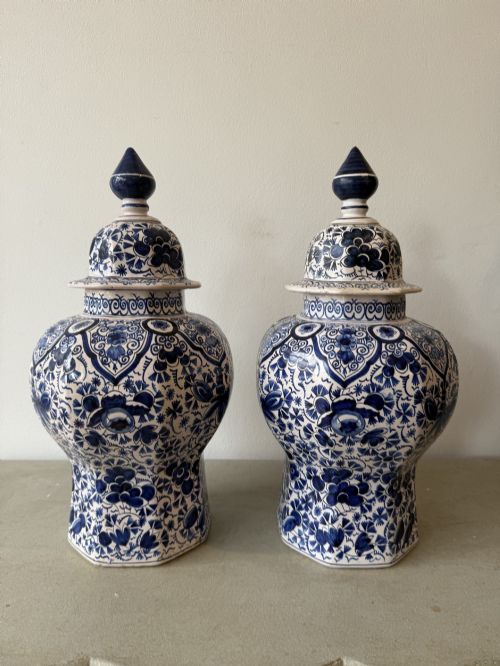


Dutch Ceramic Jar
These dutch ceramic jar examples bring historic tin-glazed earthenware and delftware into interiors through centuries of tradition.
Dutch Ceramic Jar
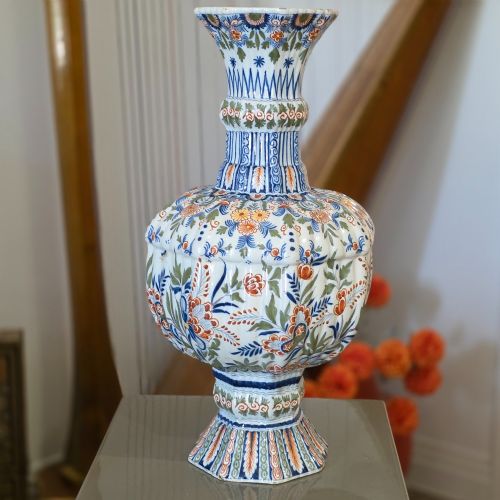
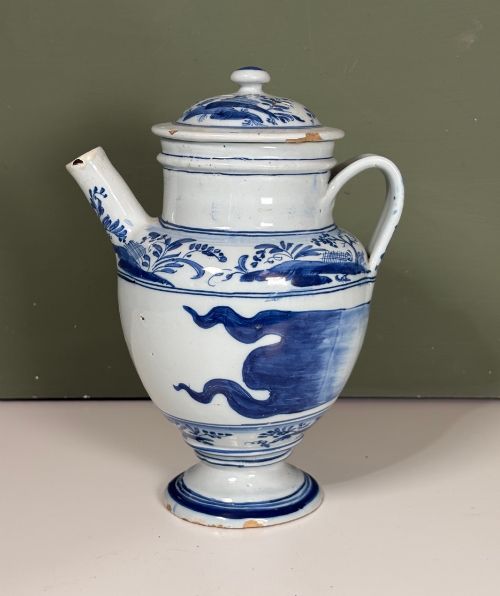
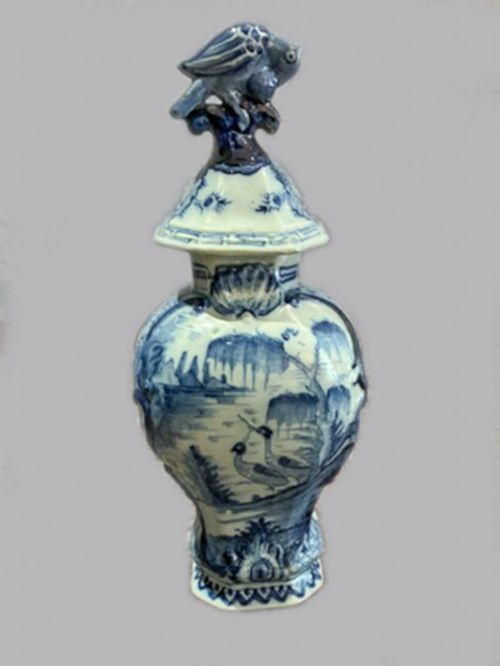
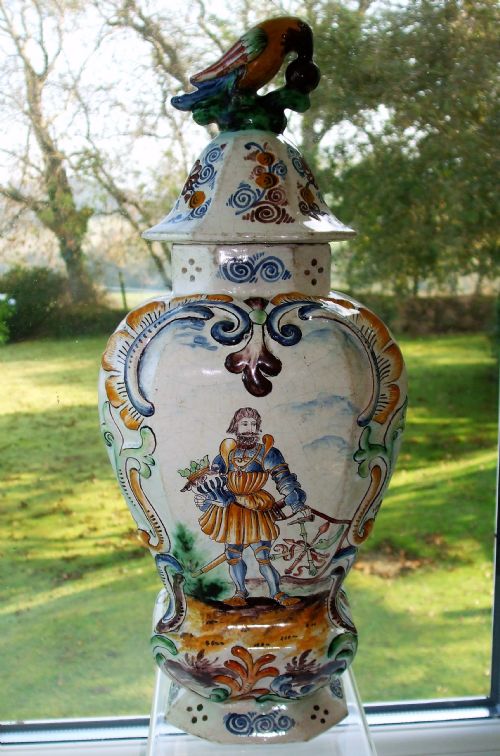
A dutch ceramic jar encompasses traditional forms like apothecary jars, tobacco jars, and lidded baluster vases originating from the seventeenth to nineteenth centuries. Buyers searching for a dutch ceramic jar often encounter blue and white delftware alongside polychrome and slipware examples.
How they were made
Potters shaped earthenware bodies on the wheel, coating them in a tin glaze that provided an opaque white surface for hand-painted cobalt pigment decoration. Artisans drew inspiration from Dutch baroque traditions and chinoiserie motifs, depicting birds, floral scenes, and figures.
Certain specialised forms, such as seventeenth-century strawberry jars, utilise slipware techniques rather than standard tin glaze. Metal components like brass sometimes accompany these ceramic bodies, particularly on fitted lids or later conversions.
Object forms documented here include apothecary jars, lidded vases, tobacco jars, and clock cases alongside table lamps.
What varies in quality
The refinement of the painted cobalt pigment decoration distinguishes standard production from superior artistic work. Crispness in botanical and avian details indicates greater skill by the decorator.
Survival of matching original lids and covers heavily influences the integrity of lidded vases and apothecary jars. The clarity of the tin glaze and the complexity of the underlying earthenware body further separate ordinary utilitarian vessels from exhibition pieces.
The Dutch Ceramic Jar Glossary
- Tin-Glazed Earthenware
- Pottery fired with a lead glaze made opaque by the addition of tin oxide. This creates the characteristic smooth white background found on delftware.
- Baluster
- A vertical architectural form with a swelling lower portion that tapers upward. Many traditional vases and jars follow this distinctive silhouette.
- Chinoiserie
- European interpretations of Chinese artistic motifs and styles. This decorative approach appears frequently on seventeenth and eighteenth-century blue and white jars.
- Apothecary Jar
- A specialised storage vessel originally used by pharmacists to hold dried herbs, liquids, or medicines. These often feature painted labels identifying medicinal contents.
- Polychrome
- Decoration employing multiple distinct colours rather than a single pigment. In this tradition, it describes painted tin-glaze work using hues beyond traditional blue.
Dutch Ceramic Jar: Frequently Asked Questions
How do I date a delft jar?
Dating relies on stylistic shifts in the cobalt painting, glaze characteristics, and the physical form of the earthenware body.
Seventeenth-century examples often feature heavier construction and distinct baroque or chinoiserie detailing compared to later nineteenth-century interpretations.
Were these jars meant for display?
Many large baluster vases and covered urns served purely decorative roles in wealthy historic interiors. Apothecary and tobacco jars performed active storage functions before becoming collectible display items.
Can I use an antique jar for plants?
Porous tin-glazed earthenware absorbs moisture easily, which can harm the historic glaze and ceramic body over time. Using them as dry display pieces protects the material from internal water damage.
What is the difference between delft and slipware?
Delft utilises an opaque white tin glaze painted with pigments like cobalt, creating a smooth surface. Slipware involves liquid clay applied to a coarser earthenware body for textured patterns.