







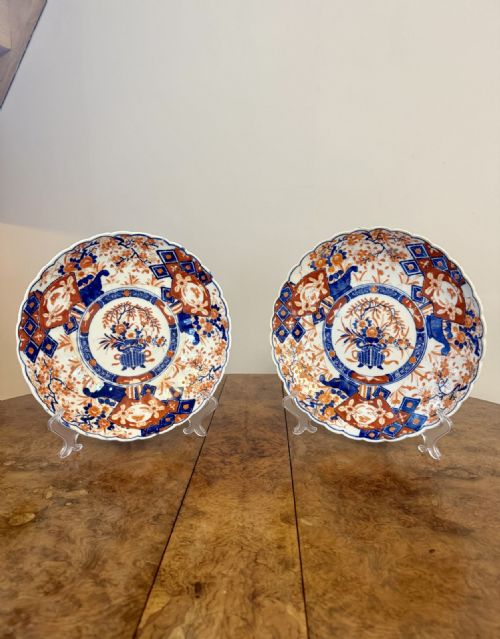
Floral Japanese Charger Plate
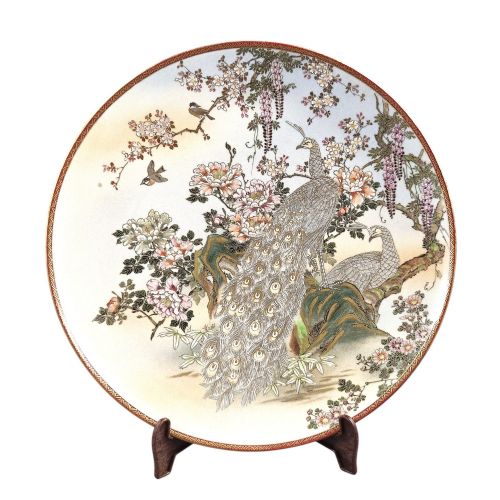
A floral japanese charger plate brings bold Meiji period colour and intricate hand-painted detail to any wall or table.
Floral Japanese Charger Plate
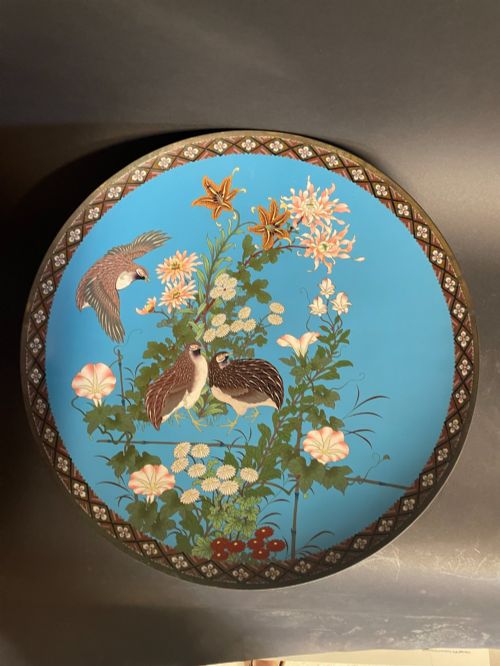
A floral japanese charger plate represents large-scale ceramic and metalwork traditions produced for display rather than everyday service. When searching for this phrase, buyers encounter substantial decorative dishes measuring well beyond standard dining ware, often featuring sweeping floral compositions.
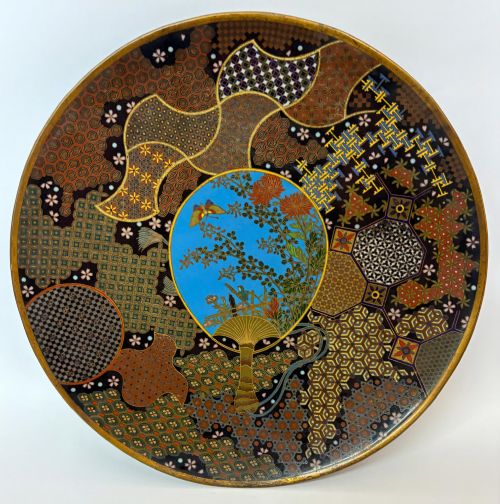
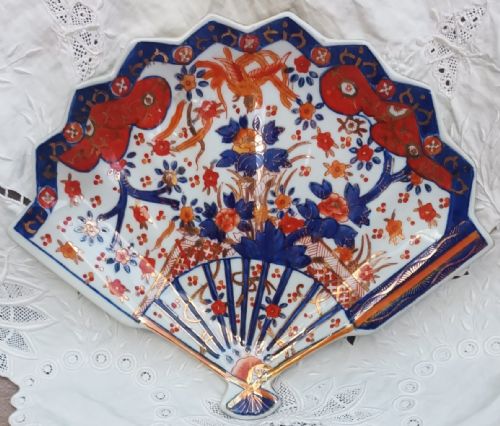
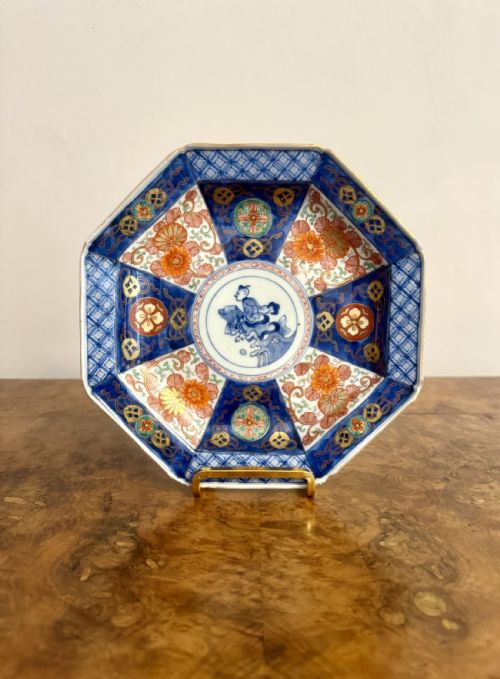
The pieces appearing on this page stem primarily from the late nineteenth century and the early twentieth century, spanning the Victorian era through the Meiji period. Forms range from heavy porcelain platters to octagonal cloisonne trays and hexagonal serving dishes.
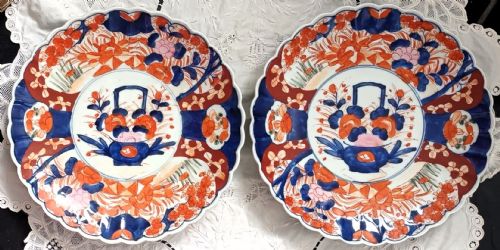
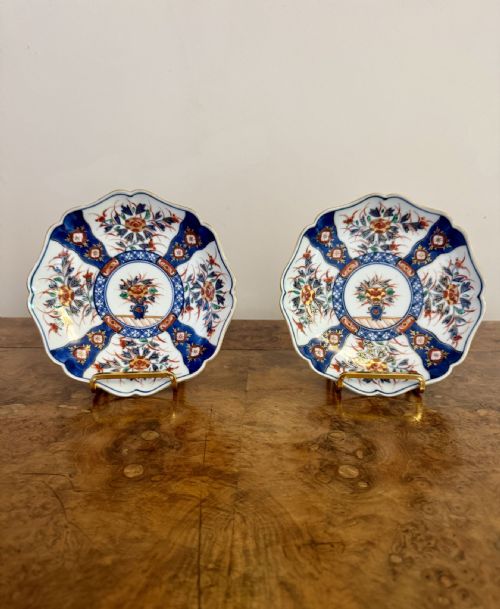
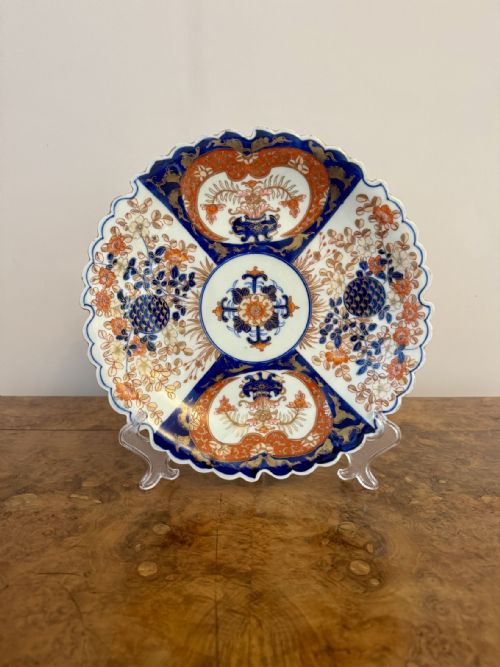
Examples typically showcase traditional motifs such as chrysanthemums, peonies, and birds rendered in rich palettes. Buyers are most likely to meet Japanese Imari porcelain chargers featuring cobalt underglaze alongside enamel and gilt accents.
Materials and construction
Ceramic pieces rely on durable porcelain bodies shaped into wide, shallow circles or geometric plates before receiving hand-painted underglaze blue and overglaze enamel decoration. Artisans then applied gold leaf highlights to accentuate specific floral elements and border patterns.
Metalwork variants utilise copper or brass foundations decorated through cloisonne techniques, where fine wire partitions create cells filled with coloured enamel pastes. Firing and polishing completed these trays and chargers, producing smooth, reflective surfaces adorned with birds and landscapes.
Listings span multiple decades from the 1870s through the 1920s, incorporating porcelain, enamel, and copper materials.
Distinguishing finer examples
Quality rests upon the precision of the hand-painted brushwork and the complexity of the design layout. Superior items display crisp cobalt lines, evenly fired glazes, and meticulously arranged floral subjects that cover the surface with balance and depth.
The crispness of gilt highlights and the absence of firing flaws separate ordinary decorative dishes from exceptional collector pieces. Weight, scale, and the intricacy of wirework on enamel surfaces further define the upper tier of these works.
The Floral Japanese Charger Plate Glossary
- Charger
- A large decorative plate intended for display on a wall or sideboard rather than for holding food at the table. These substantial dishes dominate cabinet displays and wall groupings.
- Imari
- A style of Japanese porcelain featuring a distinctive palette of cobalt blue, iron red, and gold, named after the port of export. Production centred around the Arita region during the Edo and Meiji periods.
- Cloisonne
- A metalworking technique where thin flat wires are soldered to a base to form compartments filled with enamel paste. Subsequent firing and grinding yield a smooth, patterned surface.
- Meiji Period
- The era of Japanese history lasting from 1868 to 1912, noted for opening trade with the West and producing highly detailed decorative arts. Pieces from this time often combine traditional motifs with ambitious scale.
- Moriage
- A type of raised ceramic decoration applied in dots or lines to create textured surfaces on pottery and porcelain. This technique adds tactile dimension to floral and avian subjects.
- Arita
- The Japanese town renowned as the birthplace of porcelain manufacturing, associated with fine Imari wares. Kilns in this region supplied both domestic and export markets.
Floral Japanese Charger Plate: Frequently Asked Questions
How were charger plates used?
These large plates served primarily as decorative display items in dining rooms and parlours, often mounted on walls or supported by stands on sideboards.
Their substantial size made them unsuitable for standard dining use, functioning instead as focal points to showcase fine craftsmanship and artistic motifs.
How do I clean an antique plate?
Dust surfaces gently with a soft, dry cloth to remove everyday particles without disturbing delicate enamel or gilt details.
Avoid submerging antique ceramics or metalwork in water, particularly pieces featuring exposed metal edges or delicate overglaze enamels.
What is the difference between Imari and Arita?
Arita refers to the geographical production centre in Japan where porcelain clay was mined and fired in traditional kilns.
Imari describes the specific aesthetic style and export classification associated with the finished wares shipped through the port of Imari.
How do I identify Meiji period pieces?
Meiji period items generally exhibit vibrant polychrome palettes, meticulous hand-painted details, and subjects influenced by expanding international trade.
These pieces often display greater decorative complexity and scale compared to earlier wares from the Edo period.