


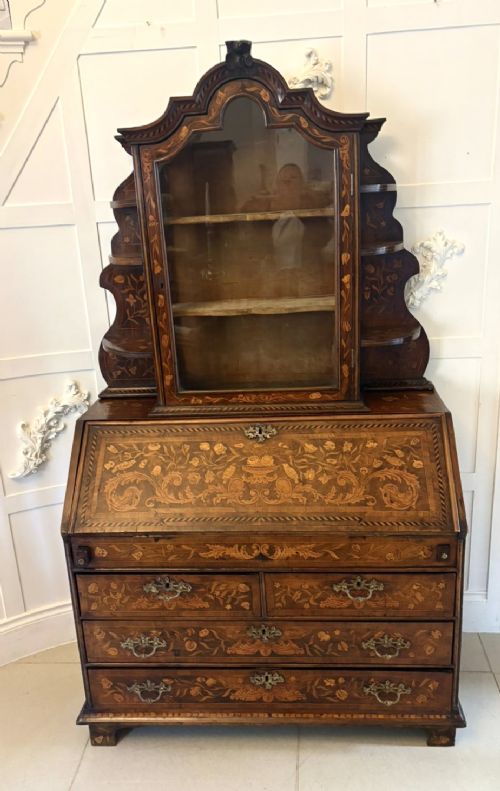

Floral Inlaid Chest Drawers
These floral inlaid chest drawers bring together rich timber and intricate marquetry, offering both practical storage and striking focal points for a room.
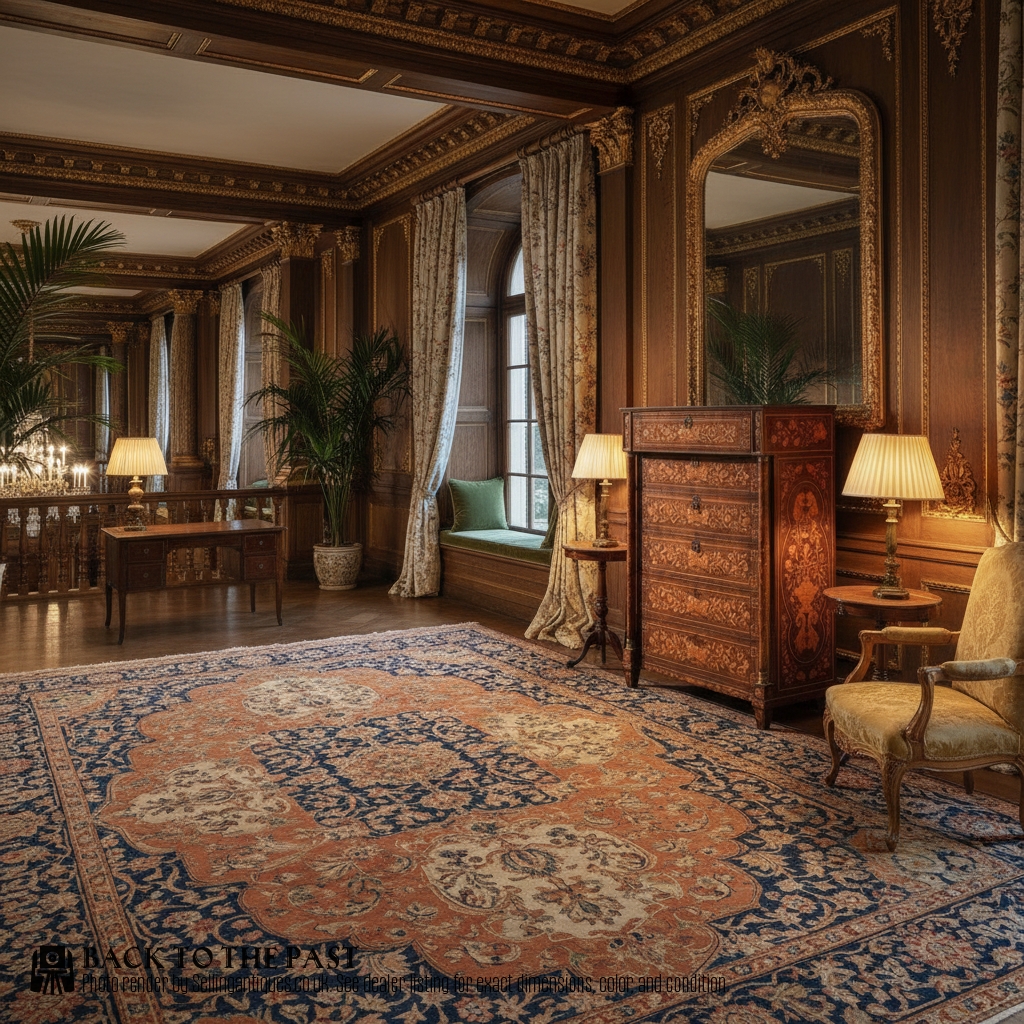
Floral Inlaid Chest Drawers
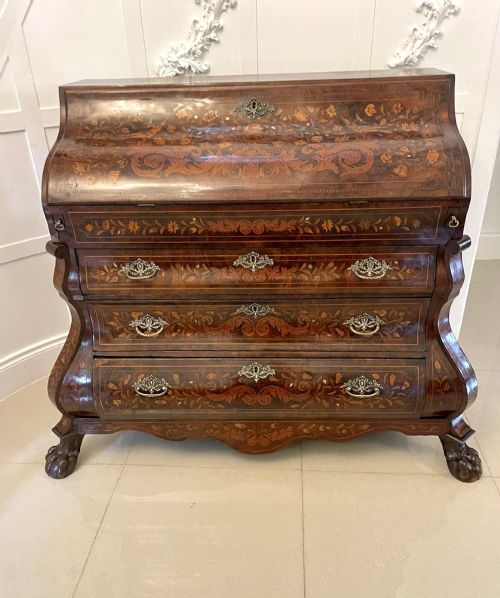
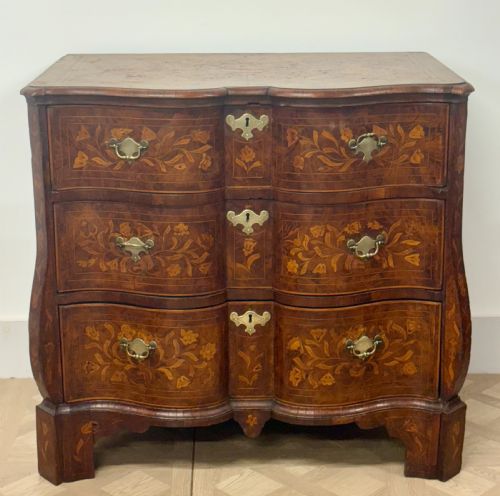
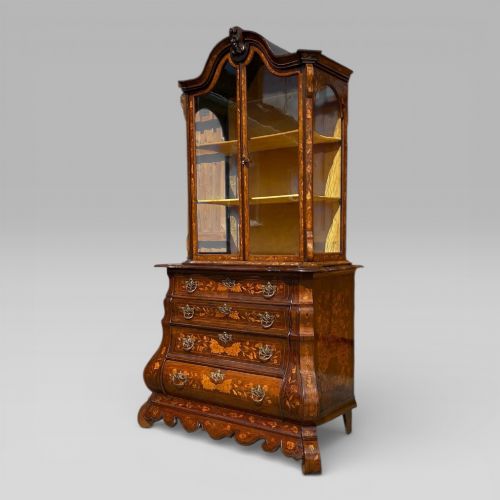
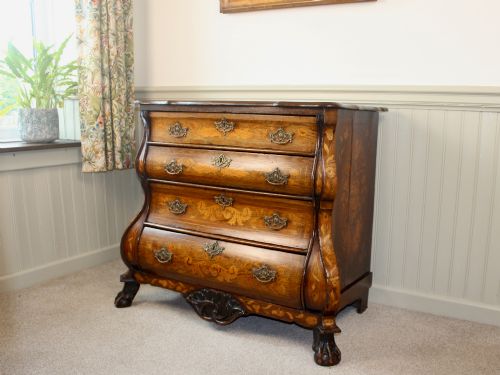
A floral inlaid chest drawers represents a tradition of decorative cabinet making spanning several centuries, with roots in Dutch Baroque, William and Mary, and various revival styles. The most frequently encountered examples on this page are eighteenth century Dutch marquetry pieces, often featuring bombe silhouettes and elaborate floral motifs rendered in contrasting woods.
How they were made
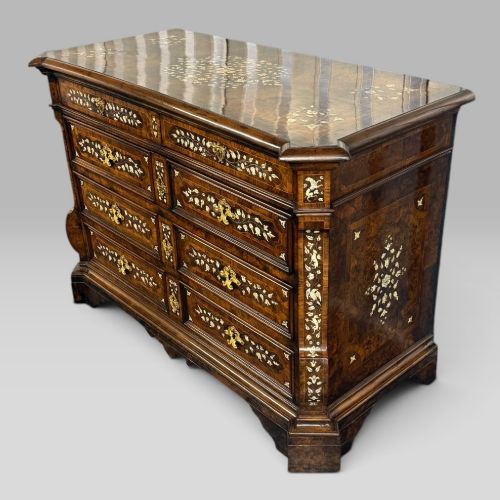
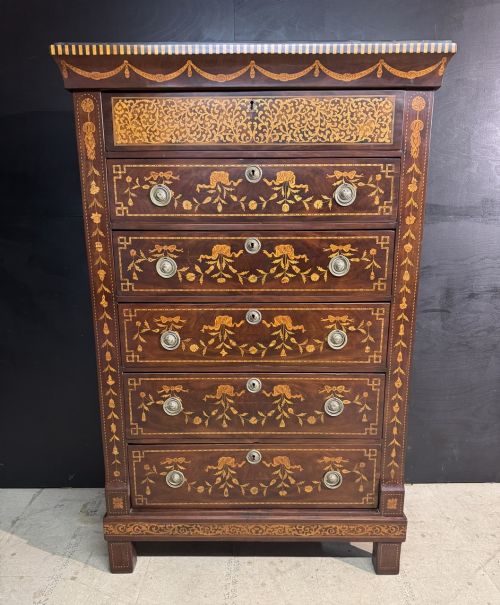
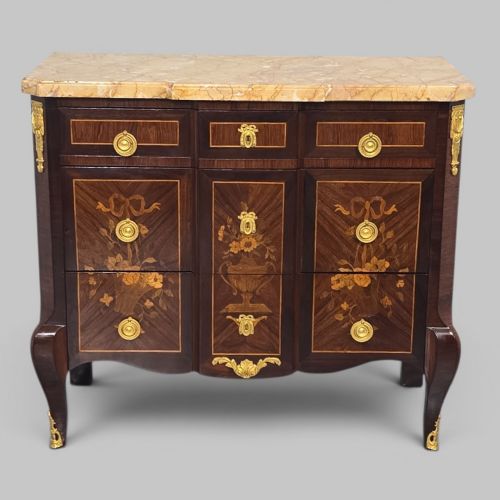
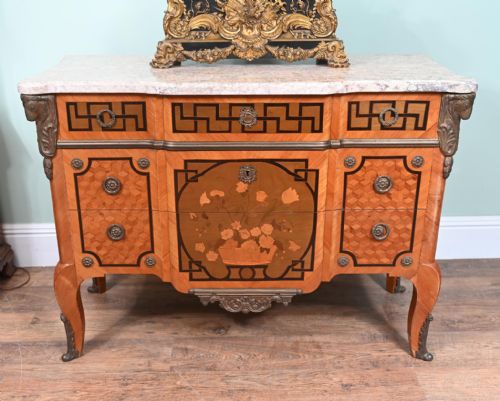
The construction of these pieces relies on applying fine veneers and inlay to a carcass of secondary timber such as oak or pine. Marquetry involves cutting delicate floral patterns from various tinted woods, fruitwoods, and brass, then fitting them meticulously into a contrasting background veneer before gluing them to the surface.
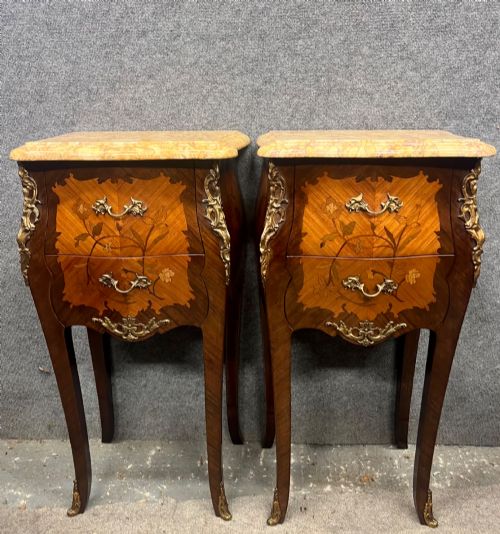
Cabinet makers utilised hand tools to shape the distinctive bombe fronts and serpentine outlines seen in many examples. Ormolu mounts, marble tops, and brass hardware were frequently added to French and continental commodes to complement the timber and protect vulnerable edges.
What varies in quality
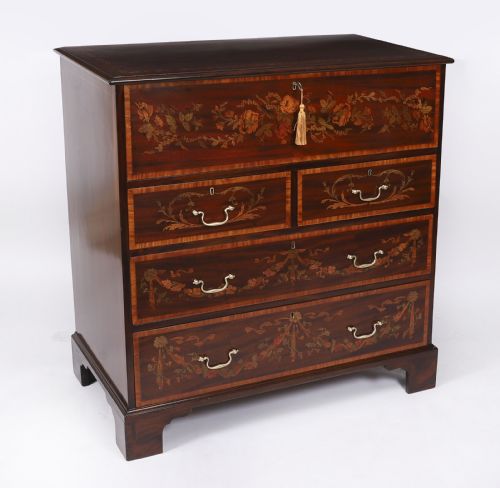
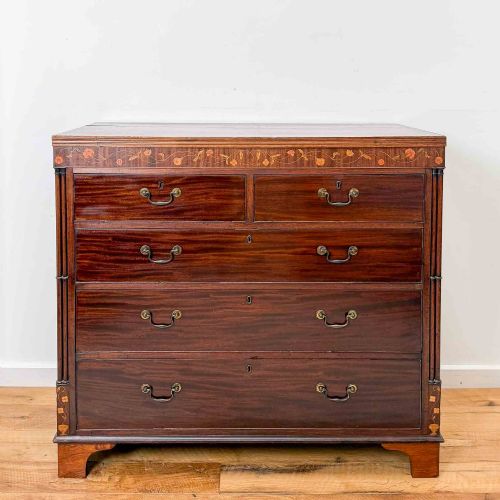
The distinction between ordinary and exceptional pieces rests primarily on the depth of the marquetry design and the choice of primary timber. Burr walnut and figured mahogany provide a richer ground for floral inlay than plain woods, while more skilled workshops achieved greater shading and perspective in their floral arrangements by scorching veneer pieces in hot sand.
Structural integrity and the preservation of the original surface finish dictate the standing of a piece. Finer examples retain their crispness of detail in the inlay work and balanced proportions across serpentine or bombe facades without excessive later restoration.
Edwards and Roberts
The Floral Inlaid Chest Drawers Glossary
- Marquetry
- A decorative technique where small pieces of wood veneer are assembled to form pictorial patterns, such as floral designs, on a furniture surface.
- Bombe
- A bulging, outward-curving profile typical of continental furniture styles, which requires advanced shaping of the timber carcass and fitted drawers.
- Commode
- A low chest of drawers, frequently associated with French design and often finished with marble tops and decorative mounts.
- Burr walnut
- A prized timber harvested from walnut tree growths, known for its complex, swirling grain pattern that provides a highly decorative background for inlay.
- Serpentine
- A furniture front characterised by a wavy outline featuring a convex centre flanked by concave curves.
Floral Inlaid Chest Drawers: Frequently Asked Questions
How do I date a floral inlaid chest?
Dating relies on examining the carcass timber, the style of the hardware, and the complexity of the marquetry work. Seventeenth and eighteenth-century pieces often display hand-cut dovetails and native timbers underneath the decorative veneer.
Later nineteenth-century and Edwardian revivals employ more standardised construction methods and distinct wood selections, such as satinwood, reflecting the aesthetic preferences of those periods.
Where were floral inlaid chests used?
These pieces functioned primarily as high-status storage furniture in principal rooms such as bedrooms, drawing rooms, and parlours. Their decorative floral marquetry meant they were intended to be seen and admired rather than hidden away.
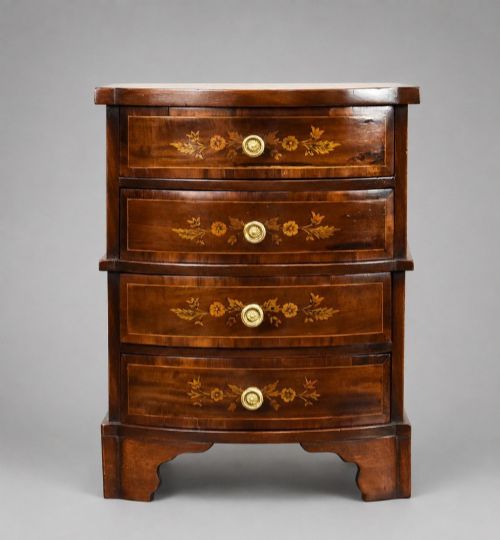
Smaller variants like bedside tables and lamp chests served functional roles beside sleeping quarters while maintaining the same decorative standard as larger commodes and tallboys.
How do I care for walnut and mahogany marquetry?
Maintenance involves keeping the timber away from direct sunlight and sudden temperature changes, which can cause the delicate veneers to lift or dry out. Applying a suitable wax polish periodically helps nourish the wood and preserves the sheen of the surface.
Avoid placing damp items directly onto the timber or marble surfaces, and use coasters or pads underneath lamps and decorative objects to prevent marking.
What is the difference between inlay and marquetry?
Inlay generally refers to setting pieces of wood or other materials into a recessed solid wood ground. Marquetry involves creating an entire picture or pattern from veneers on a backing sheet before applying it to the furniture carcass.
Many pieces described as having floral inlay actually utilise the more complex marquetry technique for their elaborate botanical displays.