

Floral Chinese Porcelain
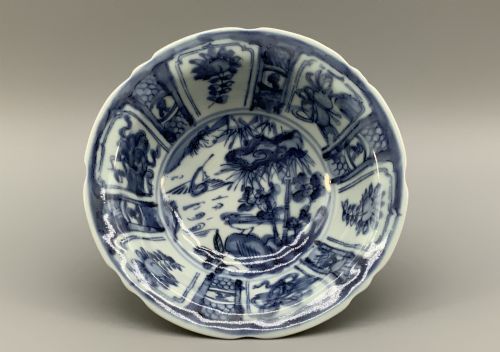
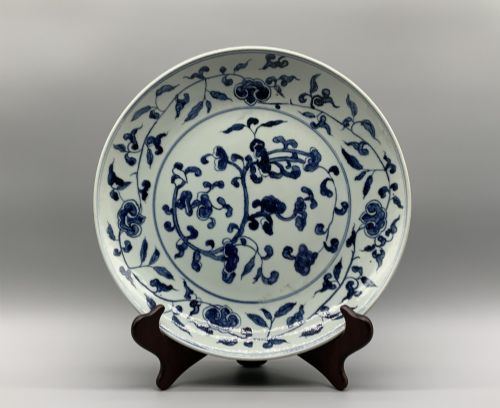
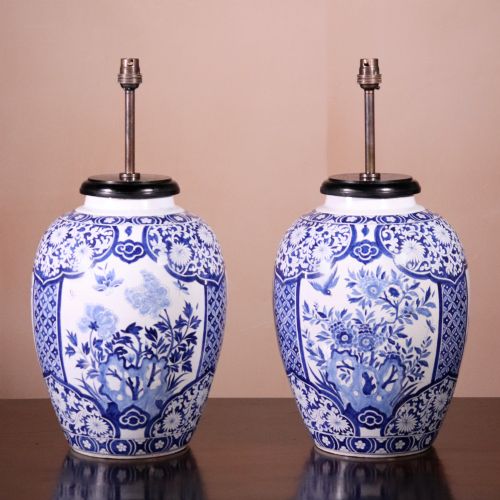
Floral chinese porcelain brings together painted blossoms, peony scrolls and avian scenes across chargers, bowls and vases from Qing dynasties and export periods.
Floral Chinese Porcelain
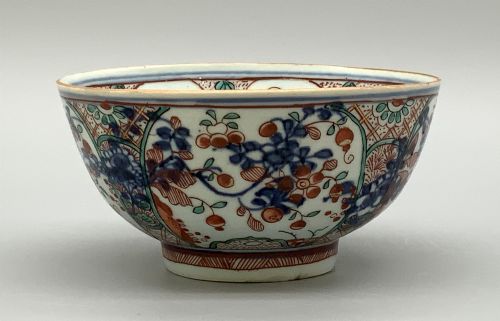
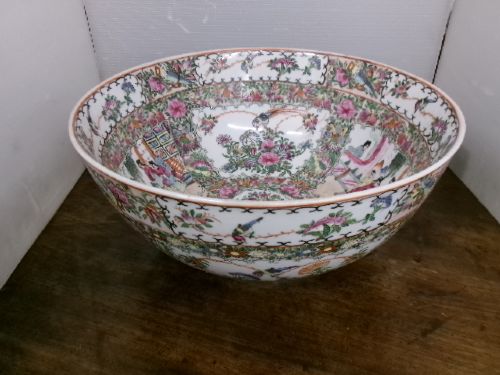
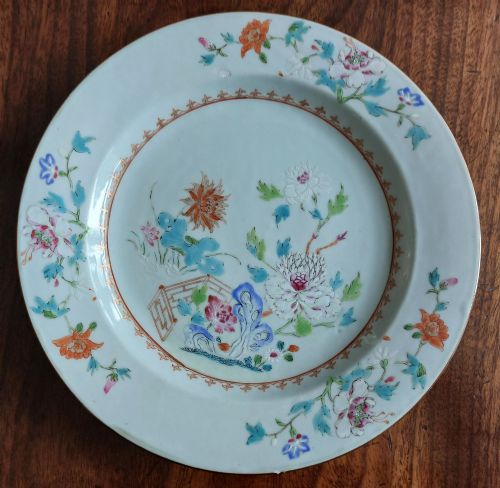
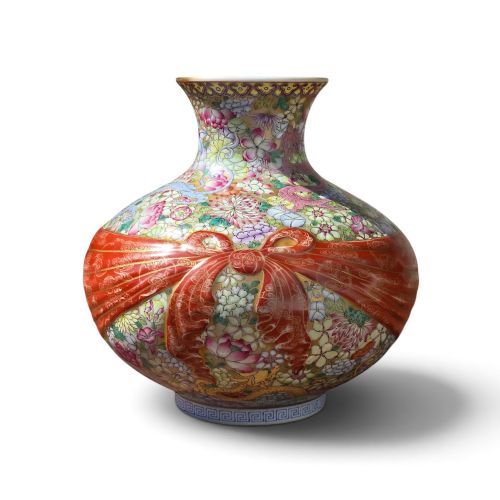
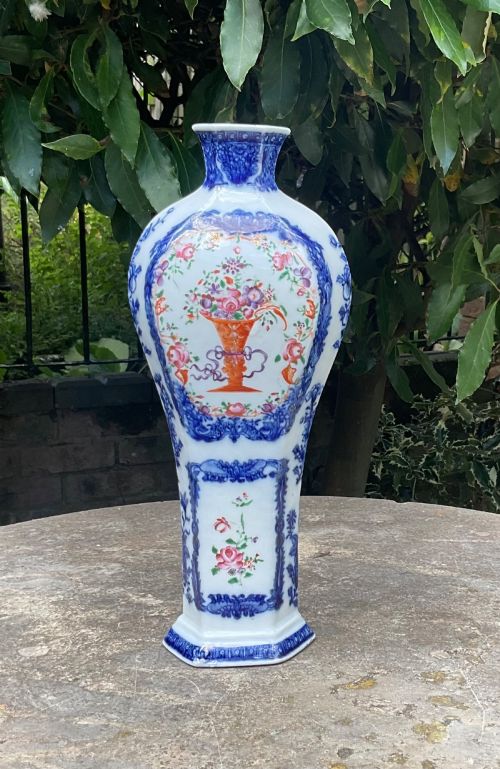
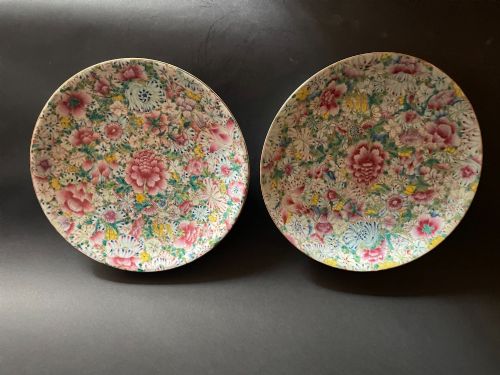
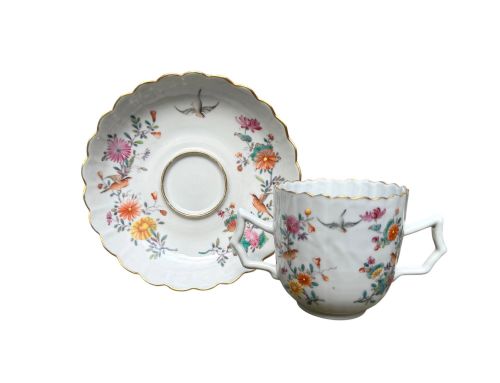
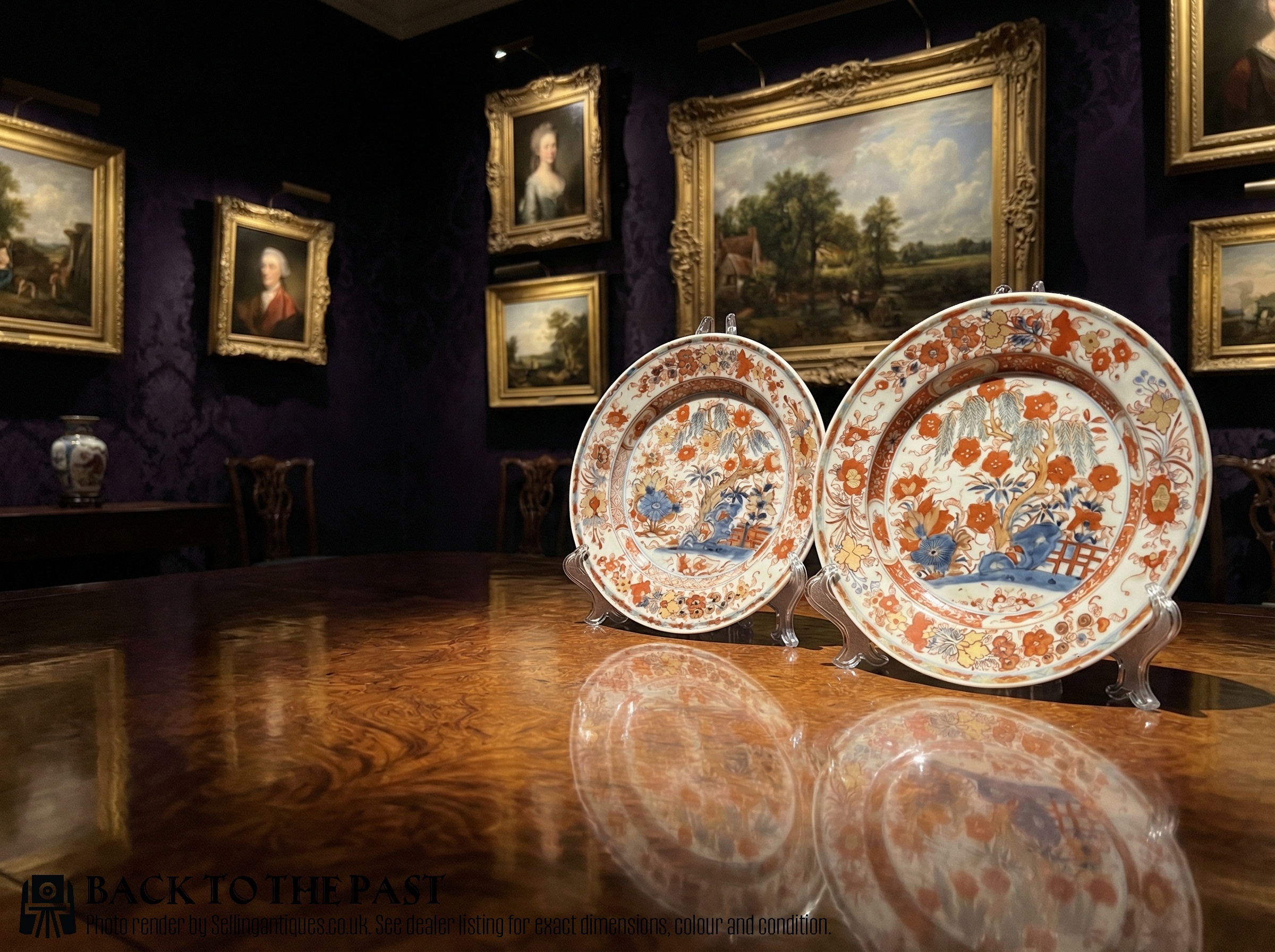
When you search for floral chinese porcelain, you encounter decorative bowls, chargers, teapots, and vases spanning the eighteenth, nineteenth, and twentieth centuries. These vessels display painted floral motifs, peony scrolls, and bird designs upon hard-paste ceramic bodies.
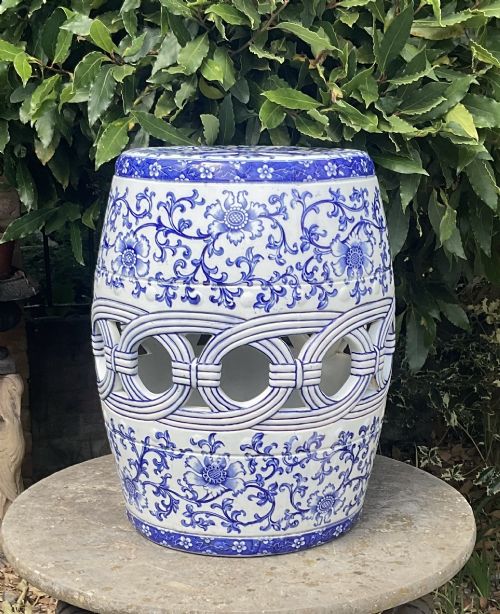
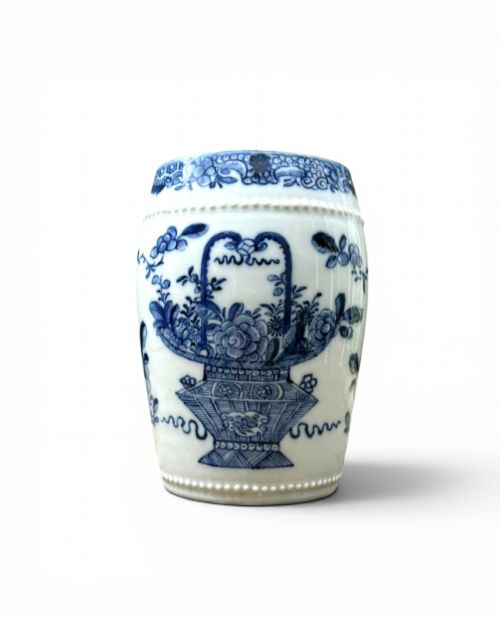
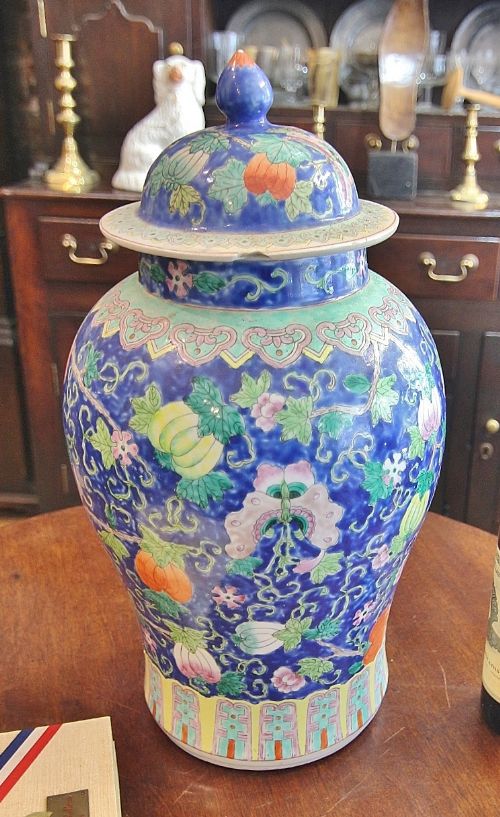
The pieces on this page lean heavily toward eighteenth-century Qing examples and later export pieces, including Famille Rose and blue and white items. Garden seats, jars, and planters also appear, showing plant and flower iconography executed in varied enamel palettes.
Originating primarily from kilns in China alongside European interpretations like Chinoiserie and French revival pieces, these objects reflect centuries of ceramic trade and stylistic exchange.
Materials and Technique
Potters shaped these objects from refined white clay, applying mineral pigments and glazes before firing the ceramic at high temperatures in kilns. Cobalt blue underglaze sits beneath the glassy surface, whilst polychrome enamels like Famille Rose and Famille Verte rest fused atop the glaze.
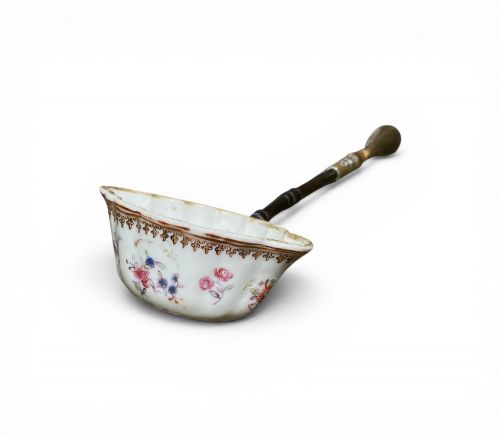
Skilled hands added fine brushwork, sometimes highlighting details with gold leaf or incised carved patterns directly into the monochrome paste. Additional mounts in brass or housing within wicker cases occasionally complemented the fired ceramic bodies.
A tiny ceramic frog sits contentedly inside a turquoise vase, keeping watch over centuries of floral glaze.
Craft and Execution
Quality rests upon the crispness of the hand-painted brushwork, the depth of the glaze, and the precision of the floral and bird iconography. Superior examples display confident, fluid lines in the enamels and balanced composition across the ceramic surface.
The refinement of the porcelain paste itself, alongside the neatness of foot rings and base markings, distinguishes finer historic pieces from later or more commercial iterations.
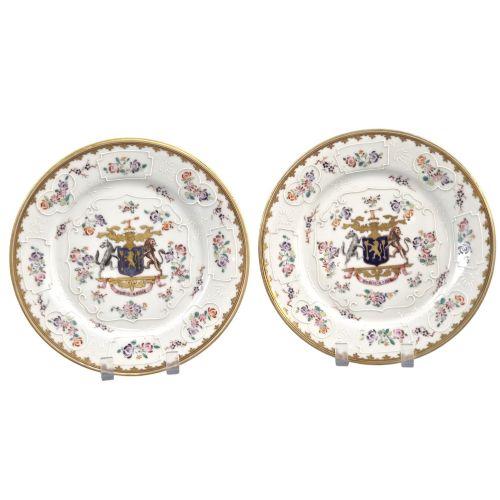
Edmé Samson And Cie
The Floral Chinese Porcelain Glossary
- Famille Rose
- A prominent palette of opaque pink and rose enamels introduced during the Qing dynasty. This grouping relies on colloidal gold to achieve its distinct pink tones.
- Famille Verte
- A polychrome enamel decoration dominated by green hues alongside iron-red and other colours. It flourished particularly during the Kangxi period.
- Charger
- A large decorative plate or platter intended for display rather than dining use. These substantial pieces often showcase complex floral and bird designs.
- Celadon
- A transparent green glaze over a pale grey-green ceramic body, often featuring incised floral scrolls. The finish imitates the appearance of jade.
- Chinoiserie
- European artistic styles reflecting Chinese motifs and decorative techniques. Artisans in France and England produced these interpretations during the eighteenth and nineteenth centuries.
Floral Chinese Porcelain: Frequently Asked Questions
How are periods told apart?
Periods are identified through stylistic shifts in enamel palettes, potting techniques, and reign marks stamped or painted on the base. Eighteenth-century pieces often display finer potting and distinct pigment tones compared to later nineteenth-century revivals.
Changes in blue and white pigments and floral compositions also provide clear chronological indicators. Examining the glaze texture helps confirm the age of the ceramic body.
Were these chargers used daily?
Large chargers and decorative bowls served primarily as display items or ceremonial table centrepieces rather than everyday tableware. Their substantial size and painted surfaces made them status symbols in wealthy households.
Export pieces travelled great distances to European homes where owners exhibited them on cabinets or walls. Their survival in good condition reflects this careful non-utilitarian treatment.
How do I clean antique porcelain?
Antique porcelain requires gentle cleaning using warm water and a mild detergent with a soft cloth. Avoid harsh scrubbing or soaking pieces with metal mounts or wicker attachments to protect the fragile materials.
Enamels applied over the glaze can be delicate, particularly on older export wares. Careful handling prevents accidental chips to the rim or foot ring.