






Floral Blue Porcelain Dish
A floral blue porcelain dish brings centuries of ceramic artistry to a table, offering handpainted botanical motifs on durable glazed bodies.
Floral Blue Porcelain Dish
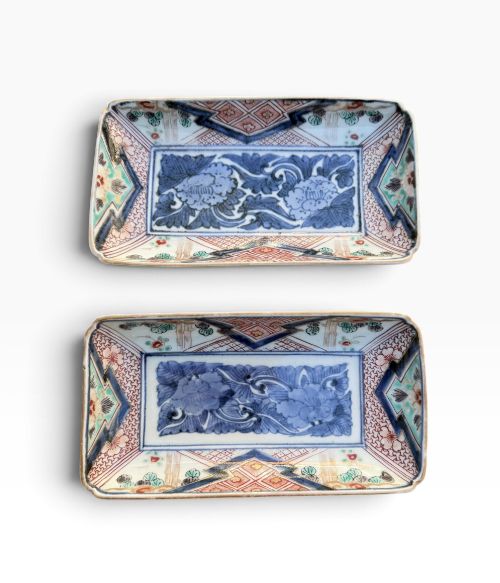
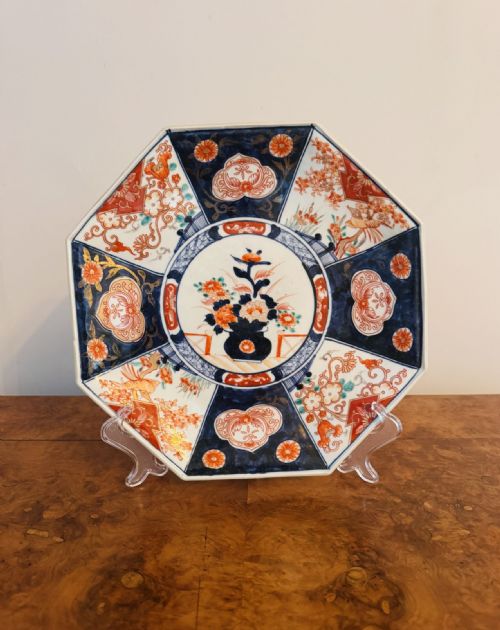
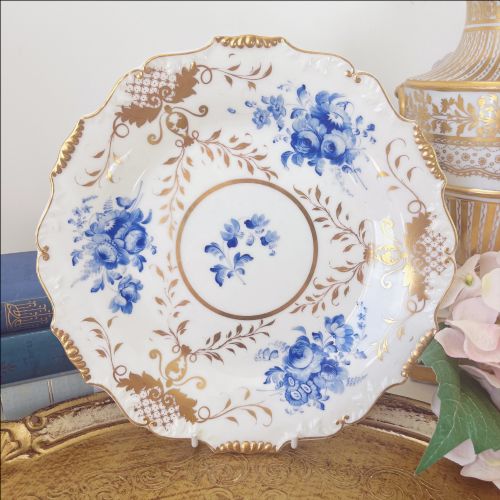
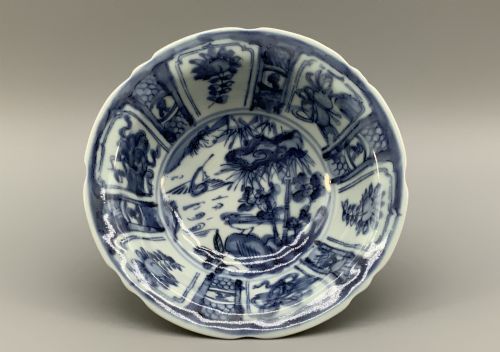
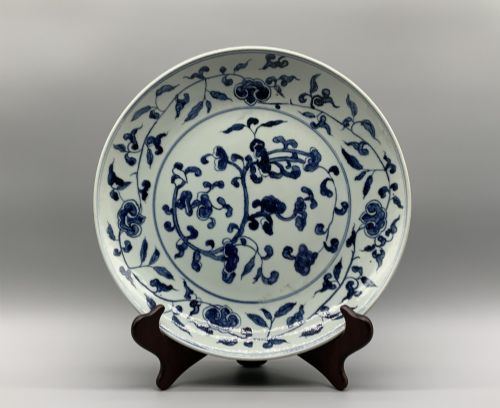
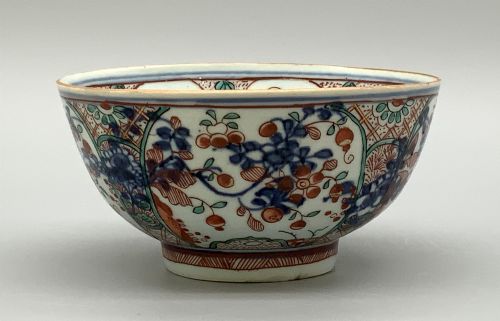
A floral blue porcelain dish encompasses decorative plates, chargers, serving vessels, and bowls produced across Asian and European kilns. When searching for a floral blue porcelain dish, buyers frequently encounter Japanese Imari wares featuring cobalt blue underglaze alongside 18th-century English and French creations.
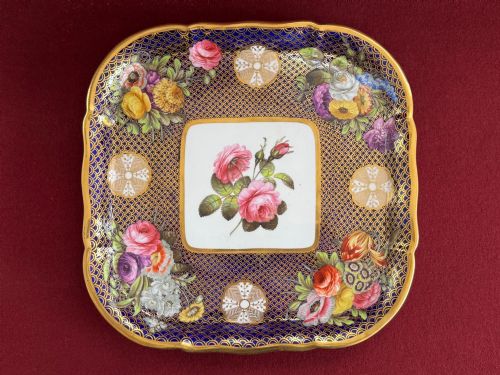
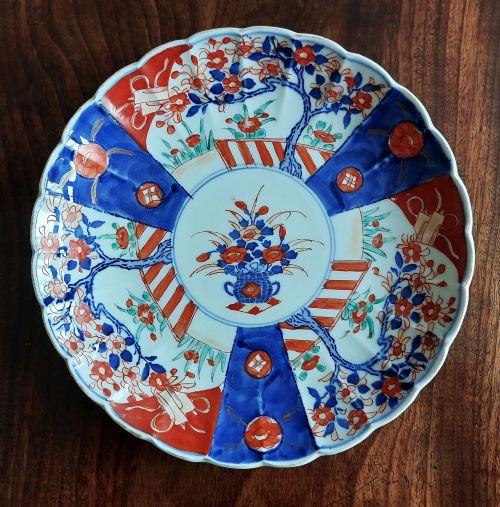
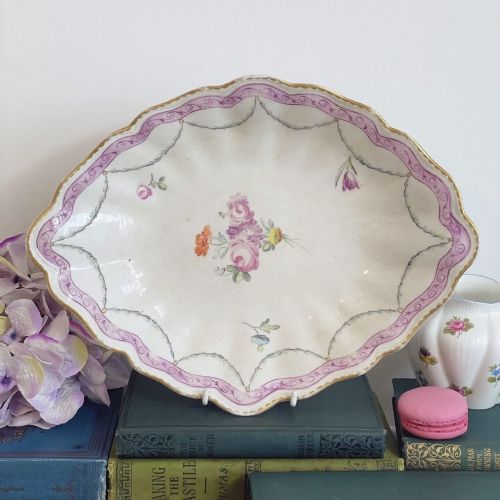
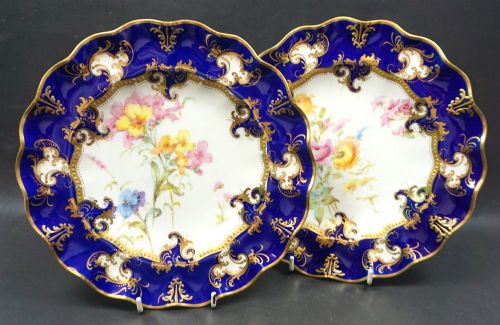
The selections range from large scalloped chargers and lobed bowls down to cabinet plates and lidded dishes on stands. English factories such as Worcester, Derby, and Minton sit alongside Chinese Kangxi period pieces and Japanese Meiji period examples within the available range.
Materials and Techniques
Potters shaped hard-paste and soft-paste ceramic bodies before applying cobalt underglaze pigments for botanical designs. Many pieces combine this deep blue painting with enamel highlights, gilding, or gold leaf applied over the glaze.
Japanese Arita kilns and European factories utilised high-firing techniques to fuse the glaze to the porcelain base. Handpainted details define the floral arrangements, bird designs, and geometric borders found across these historical wares.
Several antique plates include hidden bird motifs nestled among floral scrolls, waiting patiently for sharp-eyed diners to finish their cheese.
Judging Quality
The crispness of the cobalt underglaze painting and the precision of the handpainted botanical brushwork distinguish finer examples from standard production. Artisanal control over the glaze firing prevents cloudiness and ensures distinct lines on scalloped edges and lobed forms.
The integration of secondary pigments, such as enamel colours and gilding, separates exceptional decorative plates from simpler blue and white items. Weight, potting symmetry, and the fineness of the porcelain body further indicate the skill of the original workshop.
Royal Crown Derby·John Davenport of Longport·Hicks & Meigh·Minton
The Floral Blue Porcelain Dish Glossary
- Cobalt Underglaze
- A blue pigment applied to the ceramic body before glazing and firing, yielding a durable colour that resists fading. It remains stable at the high temperatures required to melt porcelain glaze.
- Imari
- A style originating in Japan and copied in Europe, characterised by a palette of underglaze blue, iron red, and gold. These pieces often feature complex floral and panel designs.
- Soft-Paste Porcelain
- A ceramic composition made from white clay mixed with ground glass and other materials, fired at lower temperatures than hard-paste. It was widely used by 18th-century European factories like Sèvres and early Worcester.
- Charger
- A large decorative plate or dish, typically measuring over twelve inches across. Originally used for serving food, these items were frequently displayed upright on buffets.
- Lobed
- A shape featuring curved indentations or sections along the rim, creating a scalloped outline. This technique adds structural interest to bowls and plates.
Floral Blue Porcelain Dish: Frequently Asked Questions
How do I care for antique porcelain?
Wash porcelain by hand using warm water and mild soap, avoiding automatic dishwashers that can damage delicate gilding and enamels. Place a towel at the bottom of the sink to cushion the piece during cleaning.
Store or display plates securely using padded plate hangers or dedicated stands. Keep antique ceramics away from direct sunlight and sudden temperature shifts to preserve the glaze.
Were these dishes meant for dining?
Many historical vessels served practical dining functions, holding courses at formal tables or presenting cheese and fruit. Serving dishes and dinner plates saw regular use in period households.
Larger chargers and cabinet plates served primarily as decorative items for display on walls or sideboards. Examining the wear on the base often reveals whether a piece was used for service or kept for display.
How do I identify Imari patterns?
Imari wares typically combine underglaze cobalt blue with iron red and gilt highlights. The designs frequently incorporate floral motifs, foliage, and panels of birds or landscapes.
Originating in Japan during the Edo period, this distinctive decorative scheme was later imitated by European factories in England and France. The bright palette and dense ornamentation make these pieces straightforward to recognise.
What is the difference between hard-paste and soft-paste?
Hard-paste porcelain uses kaolin and petuntse, fired at very high temperatures to create a dense, vitrified body that resists scratching. It was perfected in China and later replicated in Europe.
Soft-paste incorporates glass frit and clay, resulting in a warmer, slightly softer body common in 18th-century European factories. Under magnification, soft-paste often reveals a softer glaze surface and distinct translucency.