
Floor Standing Dressing Mirror
A floor standing dressing mirror brings height and reflected light to a room, moving easily from a Victorian bedroom to a Regency hallway.
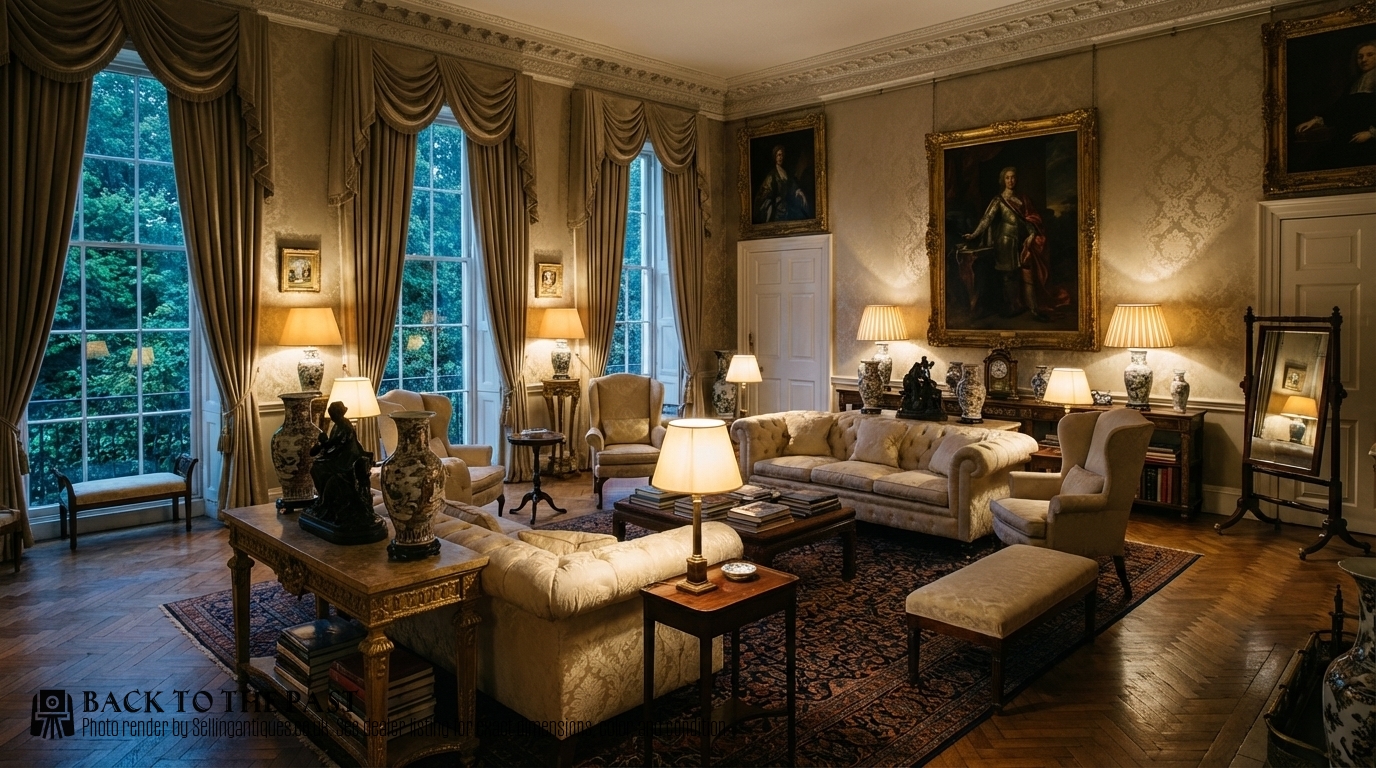
Floor Standing Dressing Mirror
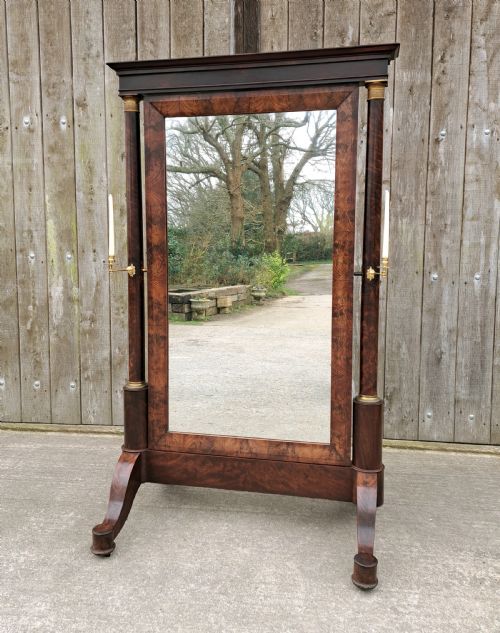
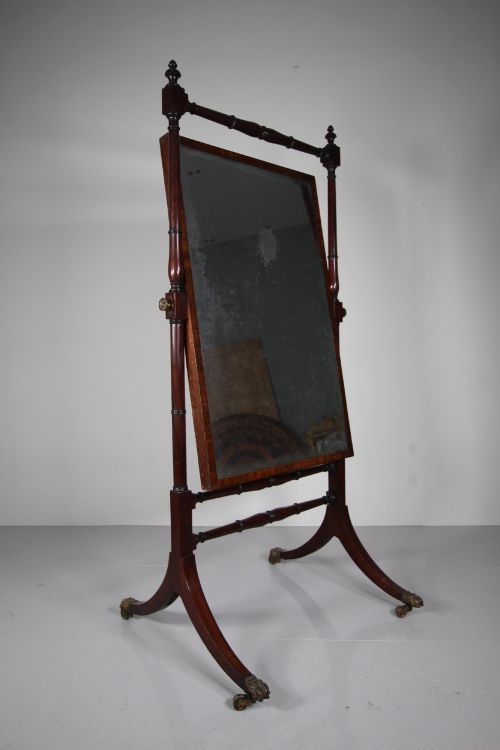
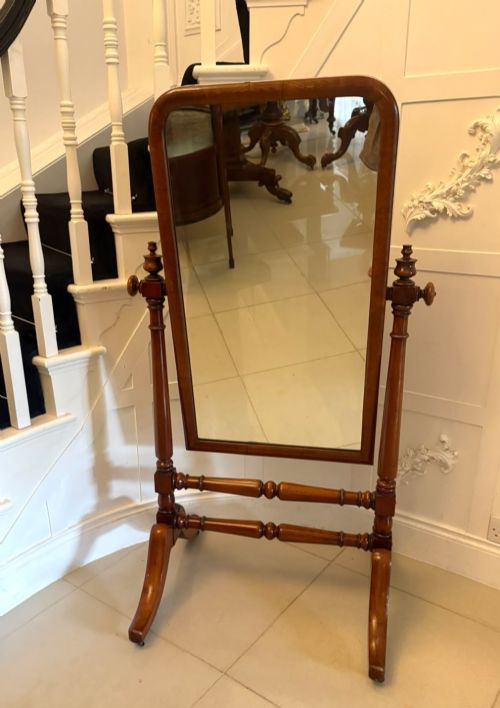
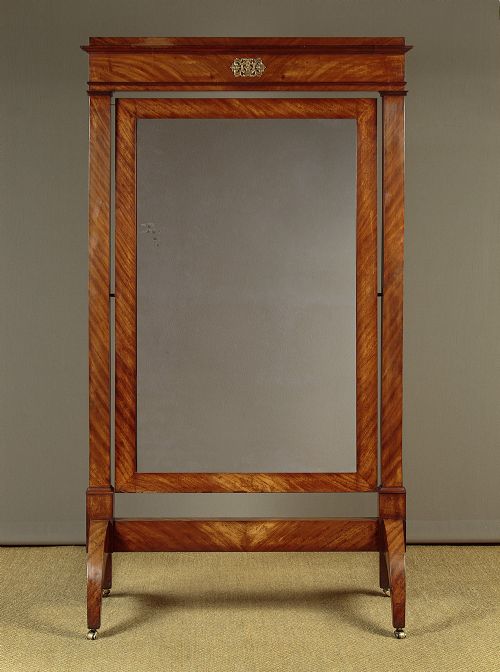
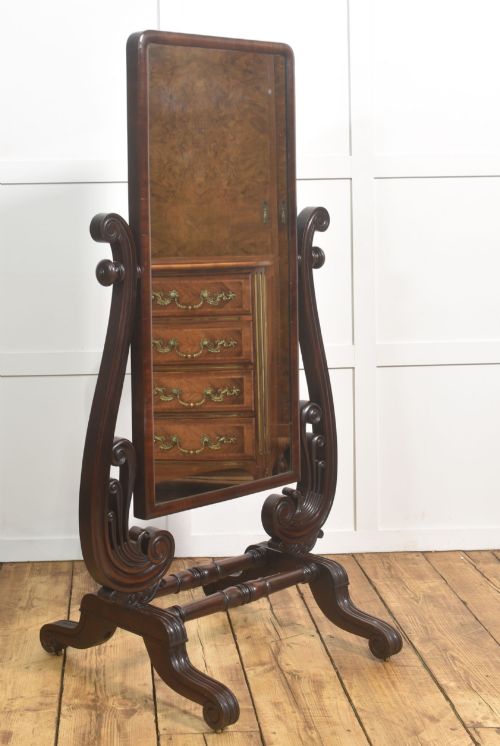
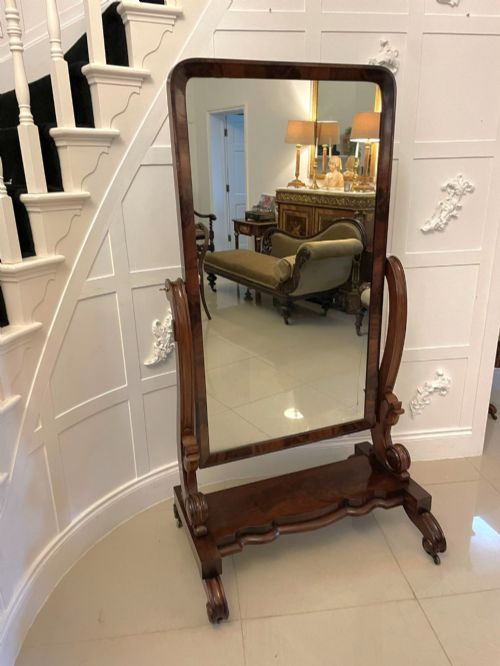
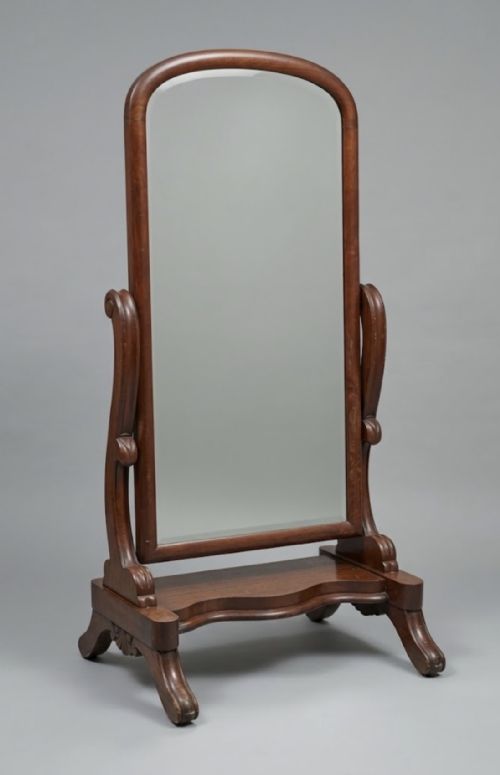
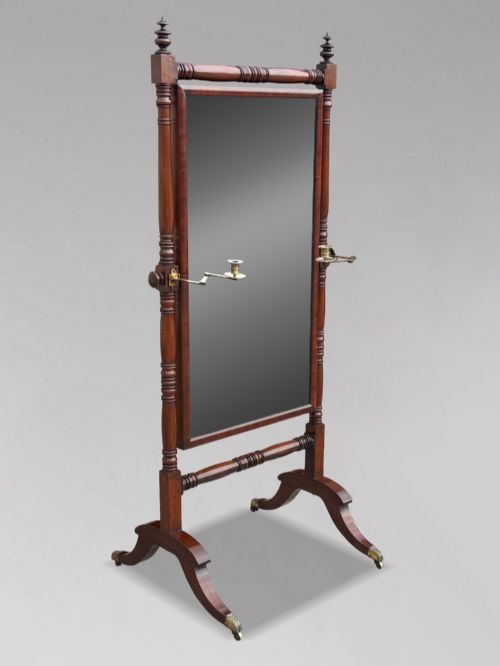
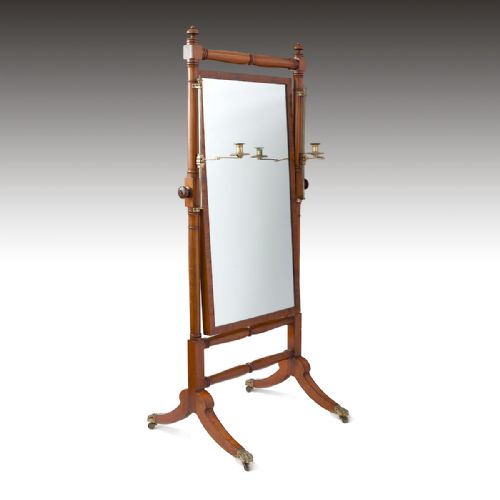
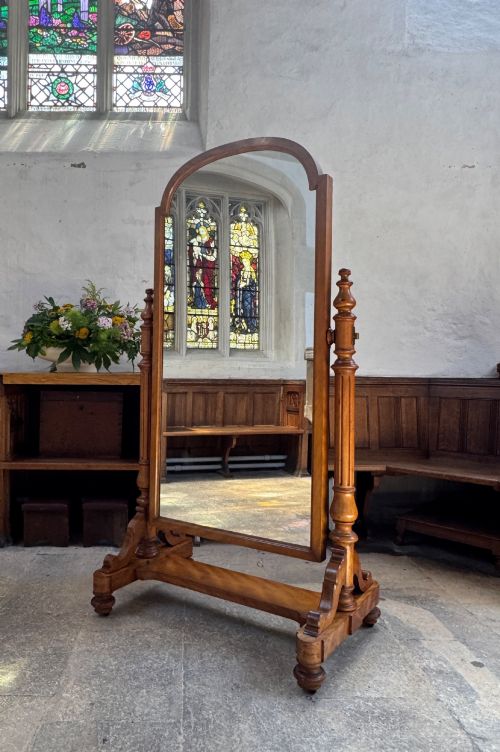
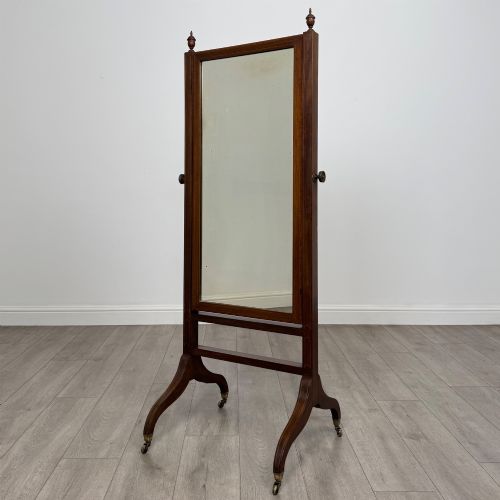
A floor standing dressing mirror appears primarily as a cheval glass, suspended on a freestanding frame with upright posts and side pivots that allow the plate to tilt. These pieces span the nineteenth and early twentieth centuries, drawing on Victorian, Regency, Edwardian, and William IV periods.
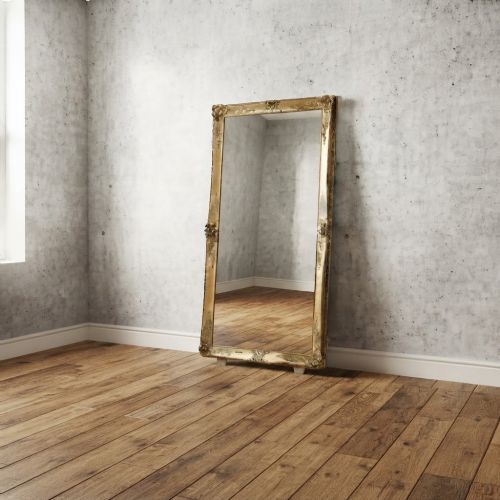
The most common version met on this page is the nineteenth-century mahogany cheval mirror, often standing on a robust plinth with scroll feet or splayed legs. Alongside these stand larger full-length leaner mirrors and occasional specialised shaving stands with adjustable heights.
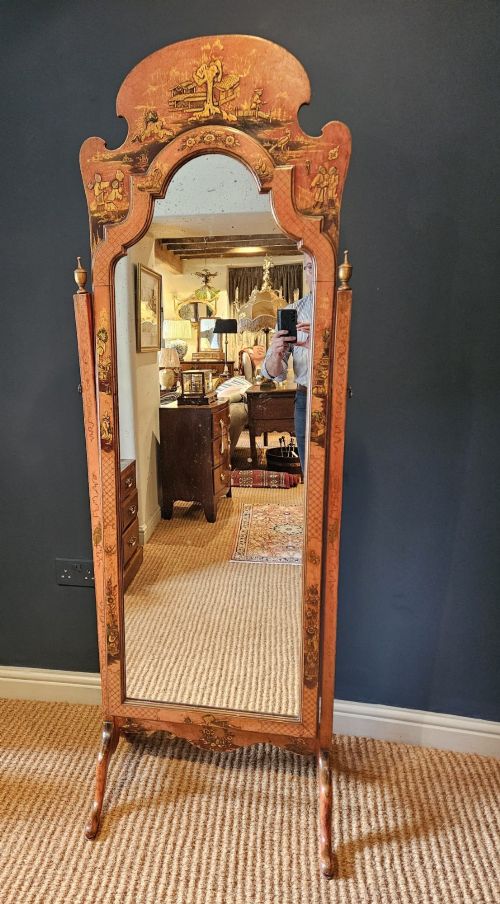
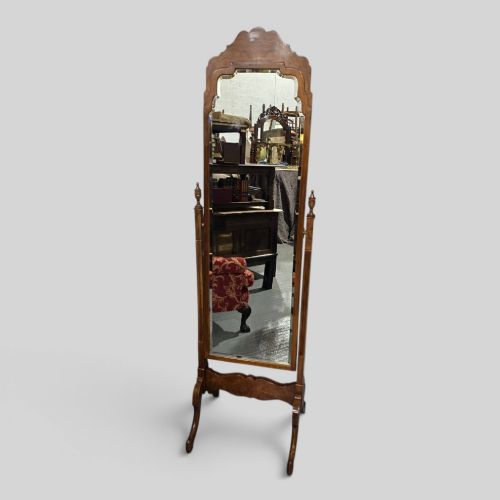
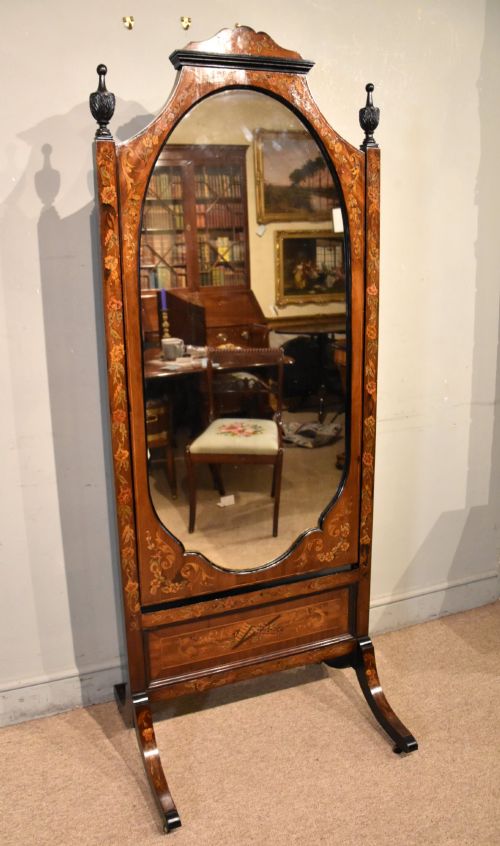
Stylistic influences range from clean classical lines of the Regency era to more decorative expressions such as Chinoiserie, French Chateau, and Queen Anne style walnut forms. The scale shifts from compact dressing glasses to large country house proportions.
Distinctions in construction and material
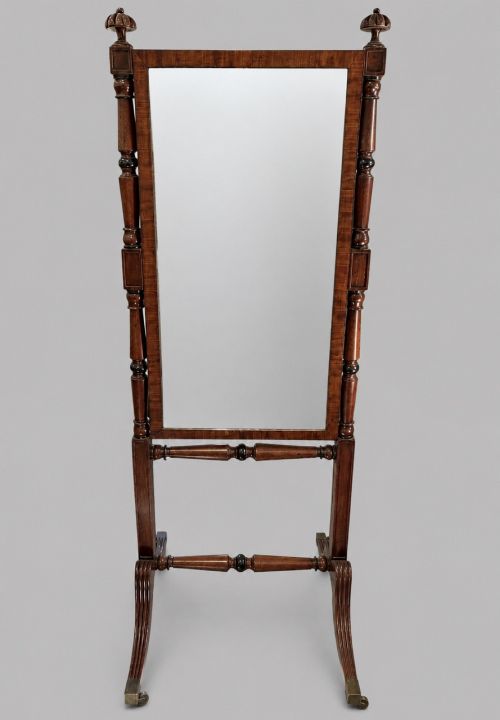
Quality reveals itself in the choice of timber figure, such as flame mahogany or burr walnut veneers, paired with heavy brass mounts and finely turned framing elements. Lesser pieces rely on simpler secondary woods and plainer mouldings.
Proportion and stability separate the finer examples from simpler workshops, where a well-balanced frame allows the heavy mirror plate to tilt smoothly and hold its angle without slipping on the pivots.
Some nineteenth-century examples incorporate small adjustable brass arms designed to hold flickering candles beside the glass plate.
The Floor Standing Dressing Mirror Glossary
- Cheval mirror
- A large floor-standing dressing mirror suspended by side pivots within a vertical frame. This allows the user to tilt the glass plate to various angles.
- Tilt dressing glass
- A smaller mirror plate mounted on pivots between upright supports, designed to tilt forward or backward for personal grooming.
- Flame mahogany
- Timber cut to reveal a characteristic flickering grain pattern resembling flames. Cabinetmakers prized this for visible surfaces on nineteenth-century dressing furniture.
- Barley twist
- A spiral turning carved into timber uprights or legs. This technique appeared frequently on nineteenth-century furniture supports.
Floor Standing Dressing Mirror: Frequently Asked Questions
How do I place a floor standing mirror safely?
Position the mirror on a flat floor away from high-traffic zones to ensure the heavy frame remains stable on its feet.
For taller cheval designs, check that the floor surface does not cause the frame to rock on its base.
What is the difference between a cheval mirror and a leaner mirror?
A cheval mirror operates on a freestanding frame with pivoting side supports that allow the glass to tilt independently of the wall.
Leaner mirrors rely on a heavy rectangular frame designed to rest directly against a vertical wall surface without structural pivots.
How do I date a mahogany dressing mirror?
Examine the timber selection, brass hardware style, and leg construction to match the piece against established periods like Regency or Victorian.
Earlier nineteenth-century examples often feature finer brass pivot screws and heavier plinth bases compared to later Edwardian adaptations.
Can these mirrors be adjusted for angle?
Most cheval designs use metal side pivots threaded through the upright posts to let the glass rotate smoothly.
Tightening the thumb screws or nuts on the frame secures the mirror at the desired viewing angle.