



Flat Woven Wool Rug
These flat woven wool rug examples offer versatile floor coverings spanning tribal nomadic weaving traditions and European estate carpets.
Flat Woven Wool Rug
A flat woven wool rug brings together nomadic floor spreads, wall hangings and European carpets created without a knotted pile. When you search for a flat woven wool rug, you encounter traditional flatweave techniques that produce lightweight, reversible textiles suited to diverse interiors.
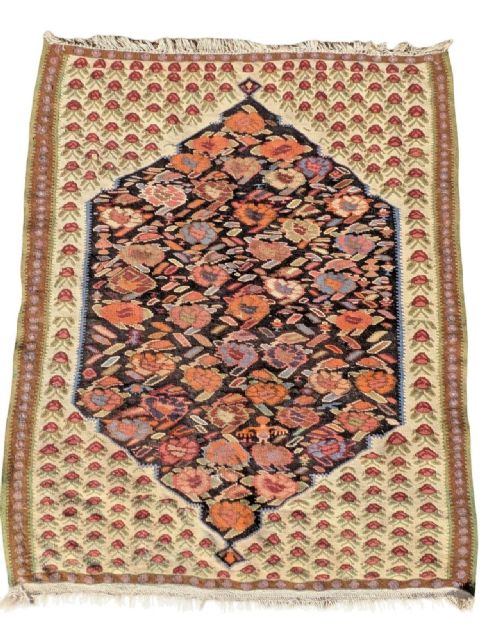
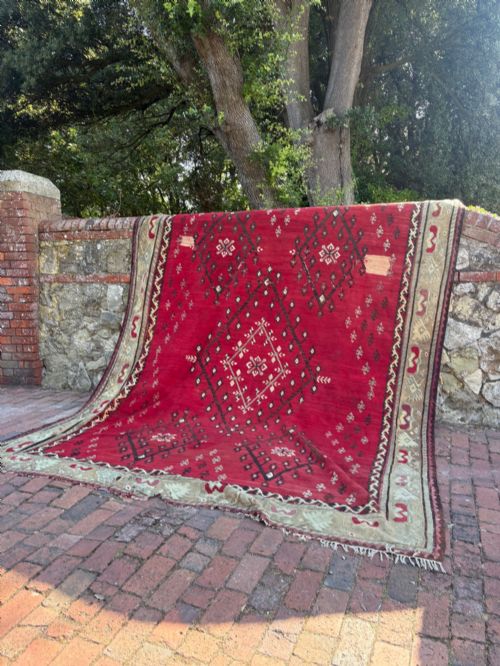
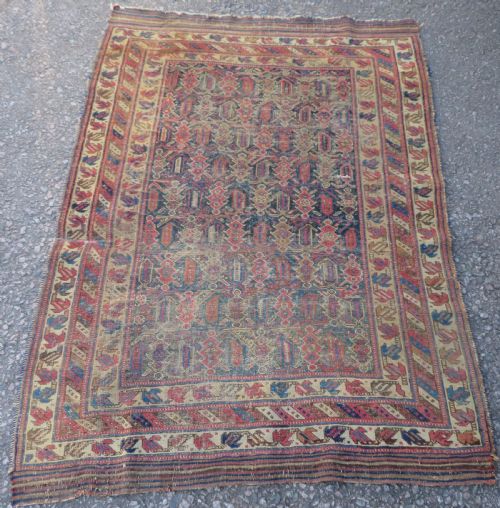
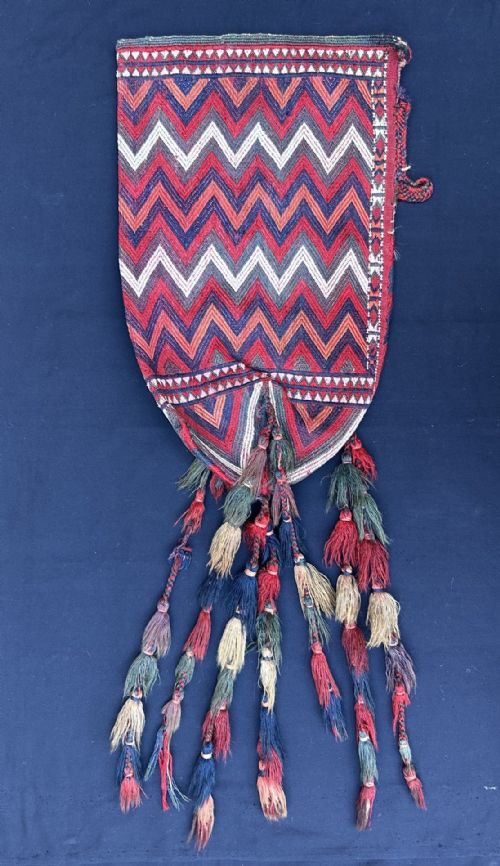
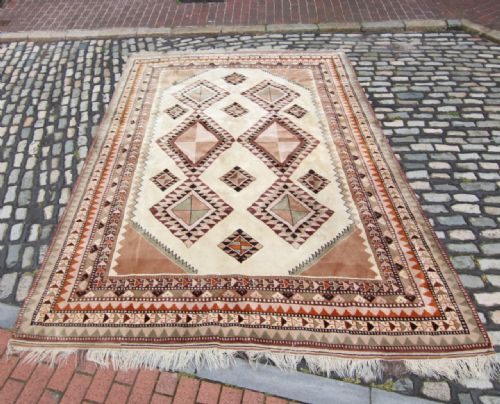
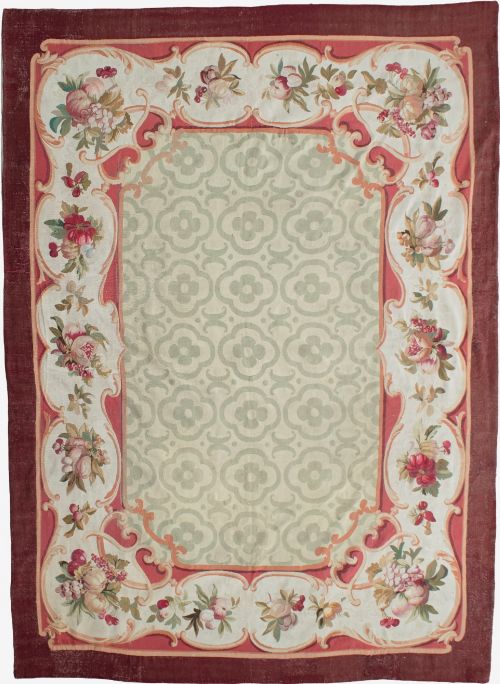
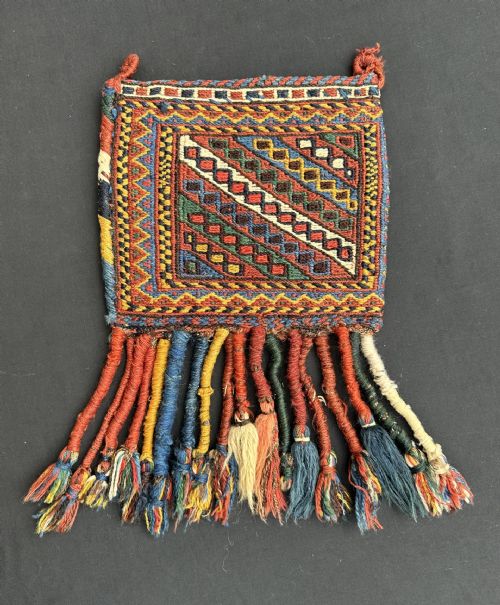
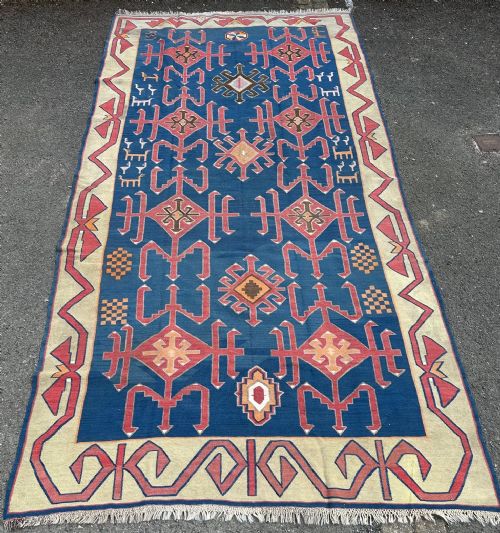
The pieces on this page range from Anatolian, Caucasian and Persian tribal carpets to Bessarabian and French creations. They span the nineteenth and early twentieth centuries, offering varied cultural motifs from distant weaving centres.
You find regional styles such as Yomut Turkmen palas soumak kilims, Sharkoy kilims and Aubusson carpets. Each format reflects the specific domestic or decorative purpose intended by its makers.
Materials and construction
Makers utilised natural wool for the primary structure, frequently combining it with cotton foundations for stability. These fibres were spun by hand and dyed using traditional methods to achieve lasting colour.
Weavers employed flat weave techniques like kilim and soumak construction, interlocking or wrapping weft threads around warp threads without forming a raised pile. This method created durable textiles that lie flat upon the floor or hang securely upon walls.
Flat Woven Wool Rug Retail Price Guide 2026
Typical asking prices for flat woven wool rug among the pieces listed under this phrase on Sellingantiques today, from the lower quarter to the upper quarter. They describe what is for sale here now, not the wider market.
The listings here feature wool and cotton textiles spanning French Rococo, Anatolian, Bessarabian, and Caucasian tribal styles from the nineteenth and early twentieth centuries.
Distinctions in quality
Superior examples demonstrate meticulous control over tension and pattern symmetry across large dimensions, ensuring the textile retains its geometric integrity. Finer pieces display sophisticated dye saturation and complex tribal iconography that require advanced technical skill.
Condition and originality dictate standing within the range, particularly where long kilim ends or delicate structural repairs are preserved. The clarity of traditional motifs and the integrity of the natural wool fibres separate ordinary utility textiles from masterworks.
The Flat Woven Wool Rug Glossary
- Kilim
- An un-piled flat woven textile produced by tightly interweaving warp and weft strands. This method yields a thin, reversible fabric traditionally used for floor coverings and wall hangings.
- Soumak
- A brocade-like flat weave technique involving decorative weft wrapping over warp threads. It creates a textured surface that adds structural weight and durability to the piece.
- Palas
- A traditional term for a flat-woven utility rug or cover. These textiles often feature bold geometric bands and practical formats.
- Warp
- The stationary vertical threads stretched lengthwise on a loom. They form the underlying skeleton that supports the woven design.
- Weft
- The horizontal threads passed back and forth across the warp. These visible coloured strands build the pattern and colour field of the rug.
Flat Woven Wool Rug: Frequently Asked Questions
How were these flat weaves used?
Nomadic and village weavers utilised these textiles as floor spreads, bedding carriers, horse blankets and wall hangings within domestic tents and dwellings. European workshops produced similar formats as decorative carpets for formal drawing rooms.
Over time, these versatile pieces transitioned from functional household items to collectible decorative objects valued for their flat profile and graphic patterns.
Are these rugs reversible?
Most traditional kilims and flat weaves are fully reversible because the construction method conceals the weft ends neatly within the reverse side. This dual-sided nature helps distribute wear evenly across the textile over decades of use.
Certain specialised soumak pieces feature a less finished reverse due to wrapped structural threads, yet standard flat weaves offer identical clarity on both faces.
How do I care for a flat weave?
Gentle, regular suction vacuuming without a rotating brush roll prevents dust accumulation within the tight wool and cotton weave. Professional specialist cleaning ensures natural dyes remain stable and fibres are not compromised by moisture.
Positioning a breathable underlay beneath the textile prevents slipping on polished floors and reduces friction against the wool fibres during daily foot traffic.
What defines tribal designs?
Tribal designs originate from specific nomadic groups and village communities who encoded regional identity, protective symbols and local folklore into their geometric patterns. These motifs often feature bold medallions, diagonal stripes and stylized animal forms passed down through generations.
Unlike urban workshop carpets with curved floral medallions, tribal flat weaves rely on angular, direct compositions dictated by the constraints of vertical and horizontal weaving.