


Flat Woven Area Rug
A flat woven area rug brings centuries of tribal artistry and intricate pattern directly to your floor.
Flat Woven Area Rug
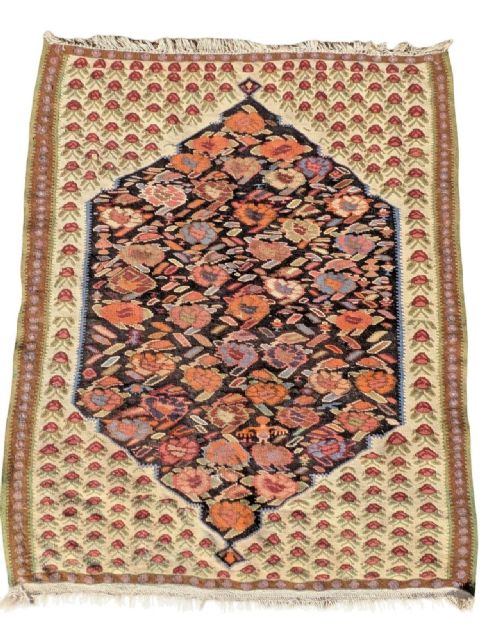
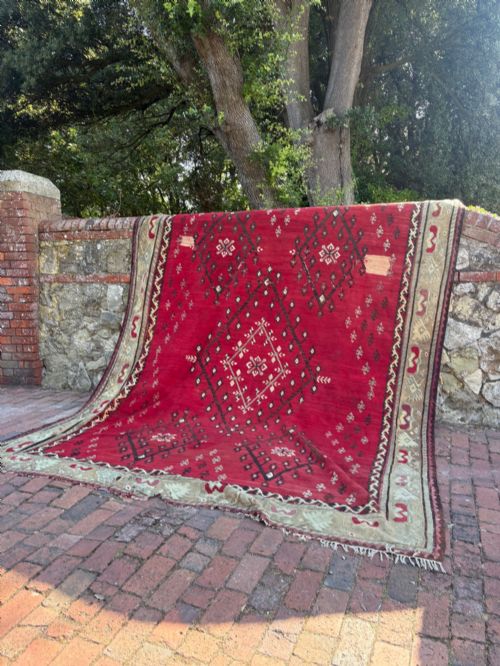
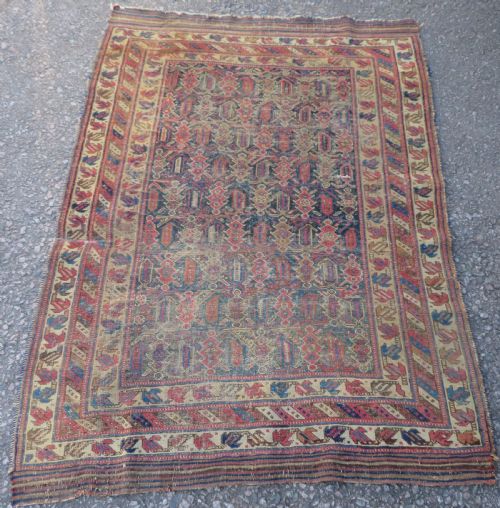
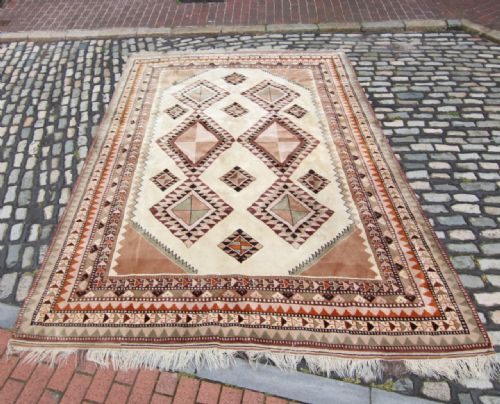
A flat woven area rug encompasses a wide variety of historical floor coverings originating from Anatolia, the Caucasus, Persia, Central Asia, and Eastern Europe. When exploring this selection, buyers frequently encounter regional forms such as Bessarabian kilims, Turkish runners, and large room-size Pirot or Sharkoy examples dating from the mid-nineteenth century through to the 1930s. These pieces include both pileless flatweaves and traditional village rugs created for functional daily use or domestic decoration.
The materials utilised in these textiles remain traditional, relying primarily on wool and cotton foundations combined with natural dyes to create enduring patterns. Formats range from narrow runner rugs and saddle bag faces to expansive room-sized carpets suited for anchoring central living spaces. Each regional style carries distinct tribal motifs, repeat medallions, or banded designs that reflect the heritage of the weavers.
Materials and construction methods
These textiles rely primarily on wool and cotton yarns, spun by hand and dyed using natural colourants that yield deep, enduring hues over decades of exposure. Artisans constructed the flatweave pieces without a knotted pile, interlocking or wrapping the weft threads tightly around the warp to produce a firm, durable fabric.
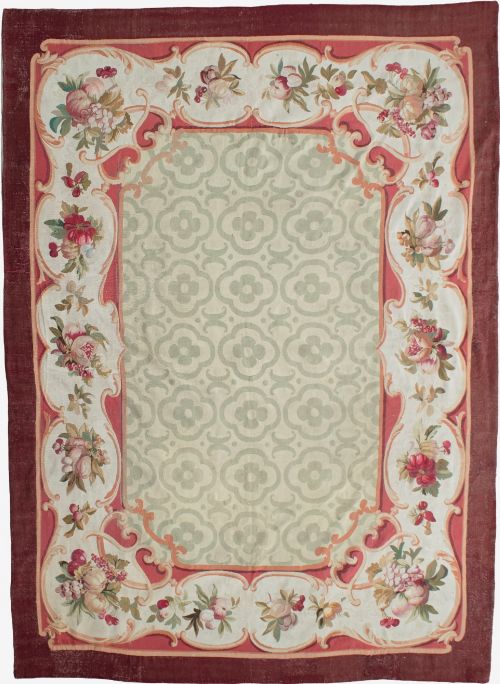
Regional weaving traditions governed the specific structural techniques employed, whether creating the crisp geometric lines typical of Caucasian and Central Asian tribal works or the softer floral palettes seen in European kilims and French Aubusson carpets.
Several examples retain their original tribal saddle bag forms, reminding us these floor coverings once travelled across mountains on horseback.
Assessing quality and character
Quality in these textiles depends heavily on the tightness of the weave, the clarity of the regional motifs, and the preservation of the natural dyes. Pieces exhibiting exceptional structural integrity, precise geometric execution, or scarce compositional designs sit at the higher end of the spectrum.
The condition of the wool, the retention of original dimensions, and the subtlety of the colour palette further separate standard village pieces from finer tribal or workshop productions. Gradations in quality emerge through the complexity of the design layout and the skilful balance of contrasting shades.
The Flat Woven Area Rug Glossary
- Kilim
- A flat weave carpet or rug produced without a pile by tightly interlocking the weft threads over the warp. This technique creates a smooth, reversible textile with sharp geometric patterns.
- Soumac
- A wrapping technique used in carpet and rug construction that creates a more durable, textured surface on the face while leaving loose threads underneath. It often appears in Caucasian and Central Asian tribal weaving.
- Warp
- The stationary vertical threads stretched onto a loom that form the foundational skeleton of the rug. The weft threads are woven horizontally through these structural cords.
- Weft
- The horizontal threads passed through the warp to create the fabric and carry the visual design of the rug. In flatweaves, these visible threads form the entire surface pattern.
- Natural Dyes
- Colourants derived from plant, insect, or mineral sources utilised before the advent of synthetic alternatives. They produce rich, variable tones that mellow gracefully over time.
Flat Woven Area Rug: Frequently Asked Questions
How do I care for a flat woven area rug?
Vacuum gently using a suction-only attachment without a rotating brush roll to protect the delicate flatweave structure. Rotate the textile periodically to ensure even wear across high-traffic zones.
Professional cleaning tailored for antique wool textiles helps maintain the integrity of the natural dyes. Avoid excessive moisture and direct, harsh sunlight to preserve the colours over the years.
Where should I place a runner rug?
Narrow formats work effectively in hallways, entryways, or along the sides of a bedroom where floor space is limited. Their low profile allows doors to swing freely overhead without catching.
Placing a suitable underlay beneath the textile prevents slipping and reduces friction against hard flooring surfaces.
How can I identify the regional origin?
Examine the specific geometry, border arrangements, and colour combinations inherent to different weaving traditions. Caucasian and Central Asian pieces frequently feature sharp tribal polygons, while Anatolian and European examples often display distinct floral or banded motifs.
Comparing the weave density and material preparation helps connect the piece to specific workshops or tribal groups recorded in the historical record.
Are these rugs suitable for daily foot traffic?
Sturdily constructed flatweaves handle normal walking traffic well when supported by a quality rug pad. Their dense wool construction provides inherent resilience against daily wear.
Placing very delicate or historical room-size pieces in lighter traffic areas helps preserve their structural condition for the future.