
Uzbek Tribal Rug
Choosing an uzbek tribal rug means bringing home centuries of Central Asian nomadic artistry, worked in rich silks, wools, and felts.
Uzbek Tribal Rug
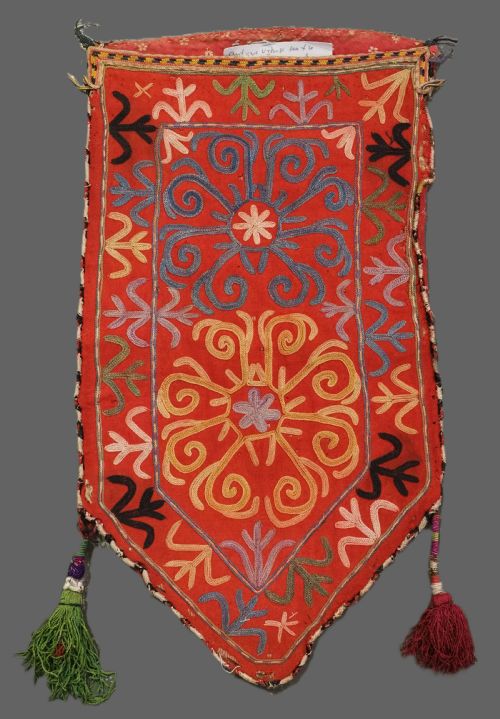
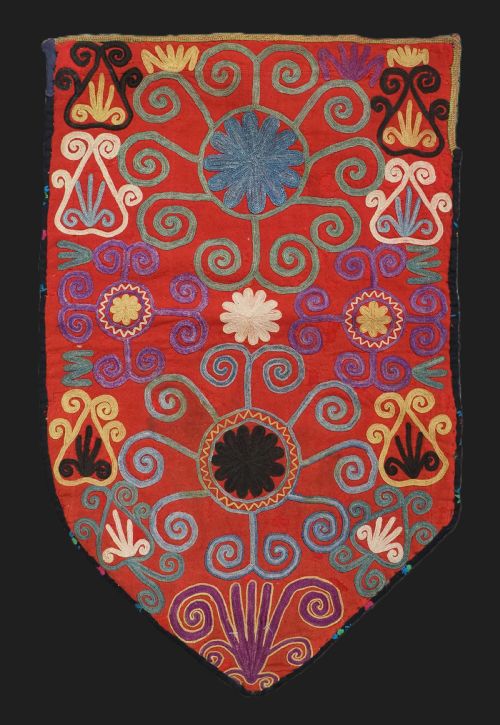
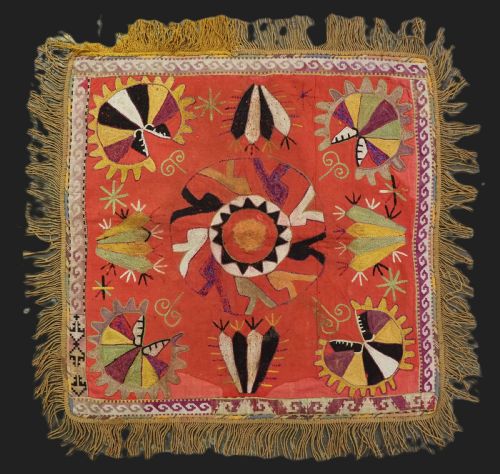
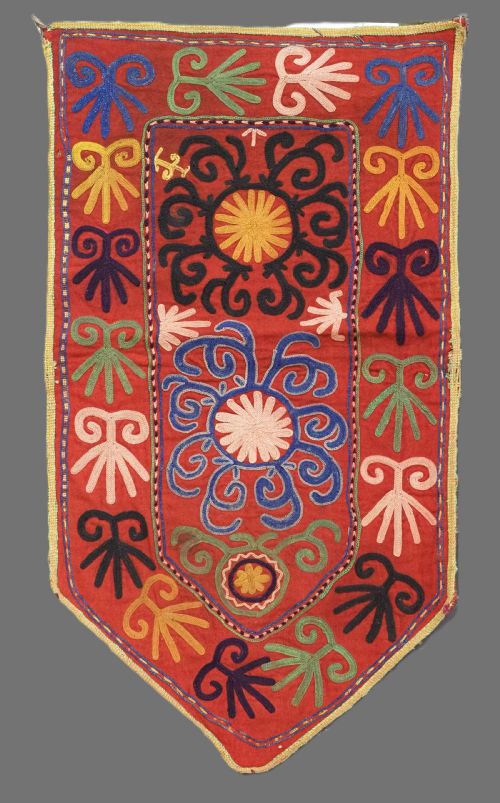
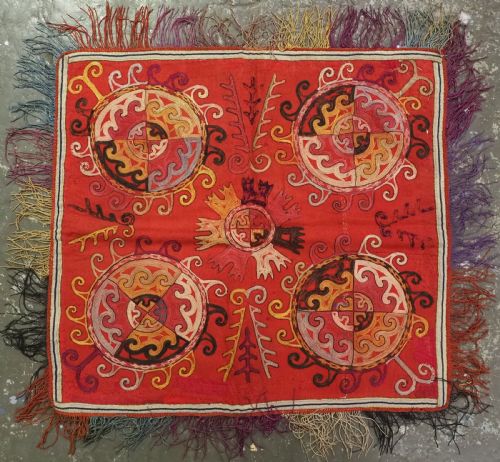
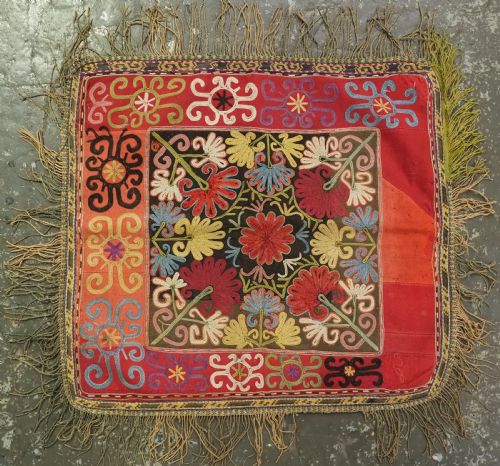
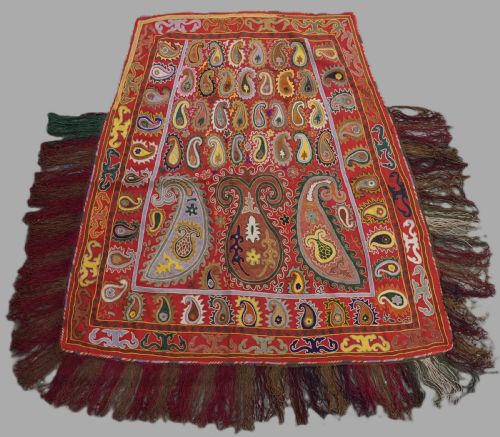
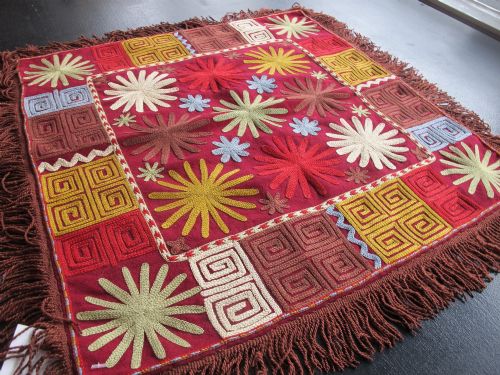
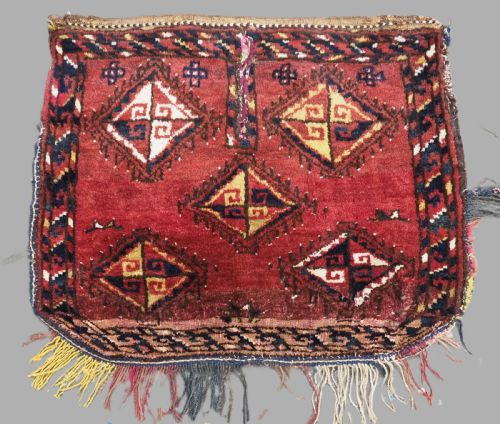
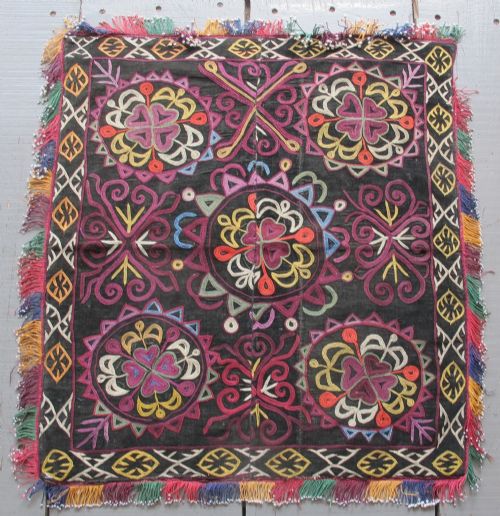
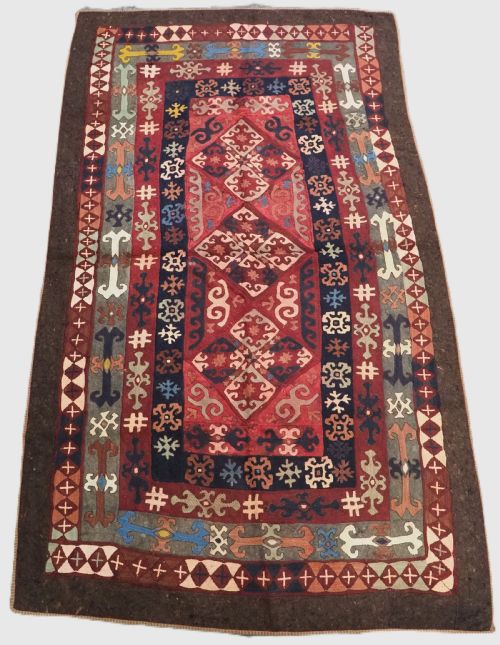
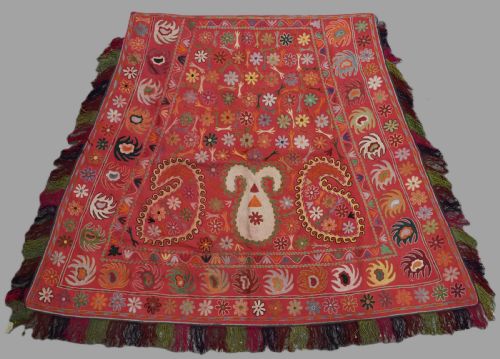
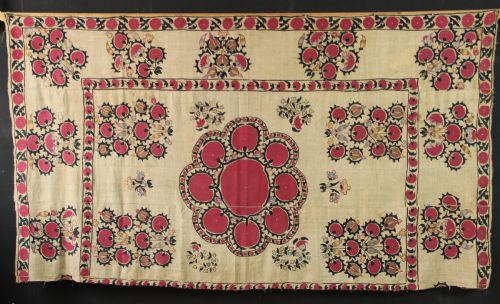
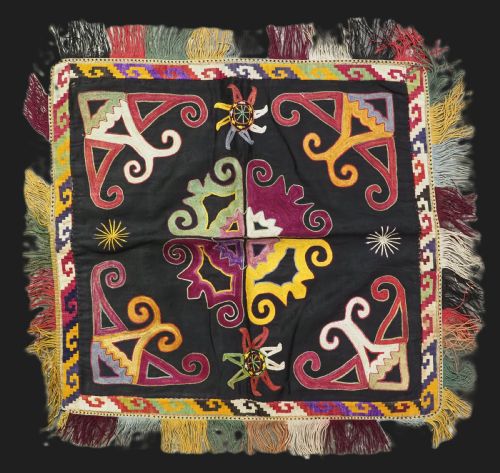
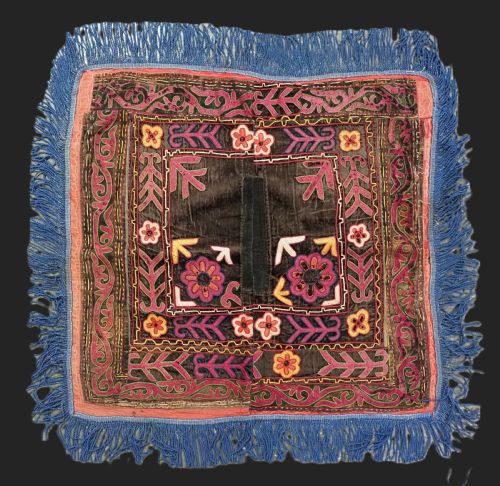
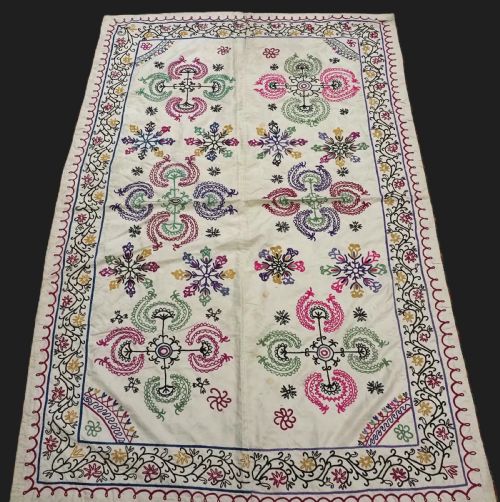
An uzbek tribal rug encompasses a diverse array of textile panels, wall hangings, and ceremonial covers originating from Central Asia. These works include pieces made by the Lakai tribe, alongside regional suzanis, kelims, and yurt rugs.
The objects frequently encountered on this page span from the nineteenth century into the early twentieth century. Common forms range from dowry embroideries and mirror covers to horse blankets and saddle rugs.
Makers utilised traditional motifs rooted in nomadic life, producing vibrant wall hangings and floor coverings. Each piece reflects the specific cultural heritage of Central Asian weavers and embroiderers.
Materials and construction
The construction relies on natural fibres such as wool, silk, cotton, and felt, sometimes supplemented by camel hair or glass beads. Silk thread embroidery frequently adorns wool or cotton grounds, creating textured surfaces.
Techniques vary from flatweave kilims and woven yurt rugs to intricate needlework on wall hangings and horse covers. Ground fabrics often feature dyed wool or cotton, providing a sturdy foundation for elaborate textile panels.
Listings feature periods spanning from 1800 to 1930, including numerous examples from the 1880s and 1900s.
Assessing quality and condition
Quality rests upon the density of the embroidery, the clarity of the design, and the survival of the original materials. Finer silk thread work and intact grounds distinguish superior examples from simpler variations.
The complexity of the regional patterns and the preservation of natural dyes dictate the visual strength of the textile. Pieces retaining their full dimensions and early period characteristics hold greater historical interest.
The Uzbek Tribal Rug Glossary
- Suzani
- An embroidered textile panel originating from Central Asia, traditionally worked in silk on a cotton or wool ground. These large decorative hangings were often created as part of a bride's dowry.
- Igich
- A specific type of embroidery or hanging associated with tribal traditions. These pieces frequently served ceremonial functions within nomadic households.
- Kilim
- A flatwoven rug or panel produced without a pile. Gajeri kilims feature distinctive banded designs typical of the region.
- Adras
- A traditional semi-silk fabric woven with a cotton warp and silk weft. It forms the base for specific ikat panels from Bukhara.
- Torba
- A small storage bag or hanging used in nomadic dwellings. Examples are frequently attributed to Lakai Uzbek tribes.
Uzbek Tribal Rug: Frequently Asked Questions
What is an ilgich?
An ilgich is a traditional embroidered piece, often created as dowry work for wall hanging. These textiles display dense needlework specific to Central Asian tribal groups.
They served decorative and cultural roles within nomadic interiors, hung to display the needlework skills of the maker.
How were these rugs used?
Many examples functioned as wall hangings, dowry items, or ceremonial horse covers rather than standard floor coverings. Yurt rugs provided warmth and decoration inside traditional nomadic dwellings.
Equestrian equipment such as saddle rugs and horse covers also formed part of daily and ceremonial tribal life.
How do I date an uzbek textile?
Dating relies on examining the materials, natural dyes, and specific tribal motifs present in the embroidery or weave. Pieces from the nineteenth century often display distinct regional colour palettes and coarser ground fabrics.
Comparative analysis with documented examples helps place items within periods such as the late nineteenth or early twentieth century.
What is a suzani?
A suzani is a large embroidered textile panel made in Uzbekistan, traditionally worked by women for domestic decoration and dowries. They feature bold floral or medallion designs stitched in silk thread.
Smaller versions, known as nim suzanis, were also produced across various regions including Shakrisabz.