



Antique Central Asian Saddle Rug
An antique central asian saddle rug brings nomadic craftsmanship into a room, offering rich tribal patterns woven by hand.
Antique Central Asian Saddle Rug
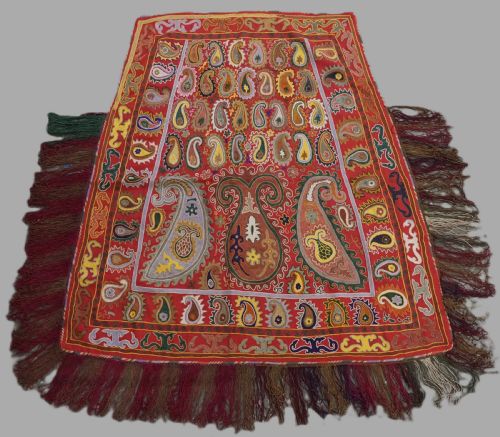
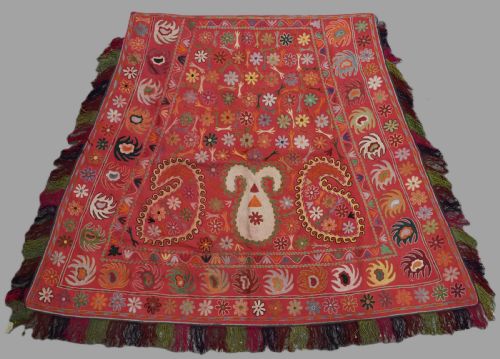
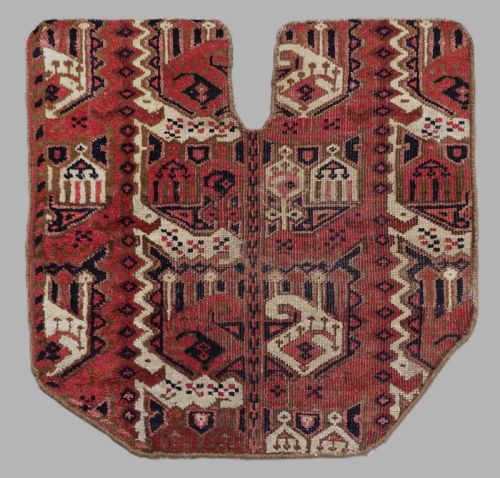
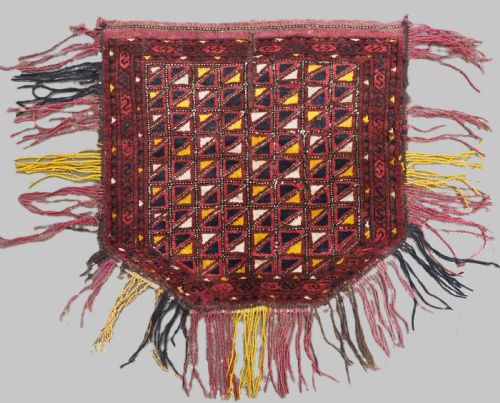
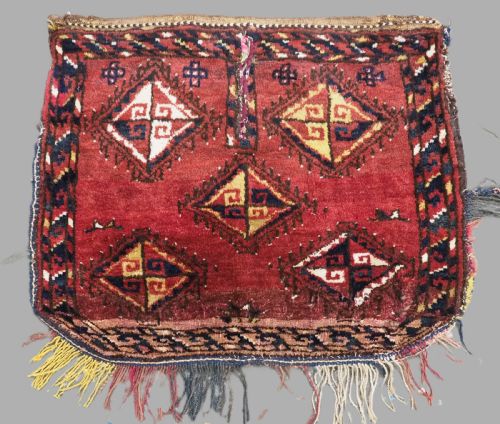
An antique central asian saddle rug is a woven textile created for functional or ceremonial use on horseback across regions like Uzbekistan and Turkmenistan. These items originate from periods spanning the late nineteenth and early twentieth centuries, specifically noting dates around eighteen eighty to nineteen twenty.
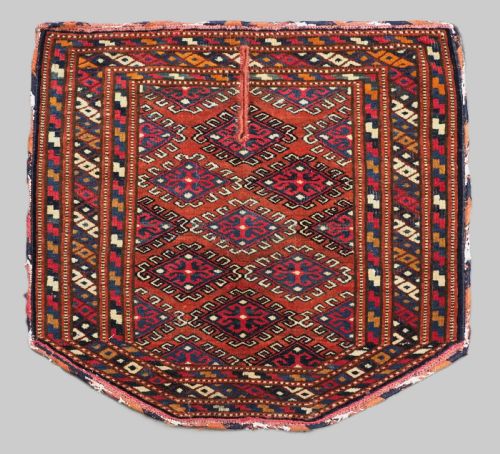
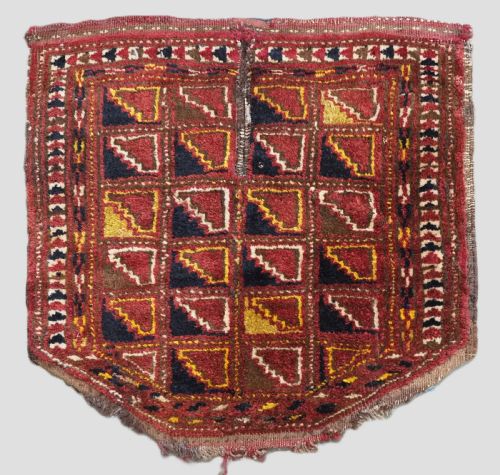
The most common examples encountered in this selection include tribal saddle covers, embroidered ceremonial horse covers, and chuval faces. Tribal groups such as the Lakai, Ersari, Yomut, and Tekke produced these distinctive pieces using traditional motifs.
Buyers look for these rugs to display as textile wall art or to incorporate authentic nomadic weaving into interior spaces. Each piece reflects the specific tribal heritage and utilitarian history of Central Asian horse culture.
How they were made
Weavers utilised natural dyes to colour the materials, creating rich and enduring hues across the surface. Wool served as the primary foundation, often combined with cotton foundations and silk thread details in embroidered pieces.
Tribal makers constructed these rugs through careful hand-knotting or precise needlework embroidery. Original tassels and woven structures remain intact on many surviving examples from these desert and steppe communities.
Antique Central Asian Saddle Rug Retail Price Guide 2026
Typical asking prices for central asian saddle rug among the pieces listed under this phrase on Sellingantiques today, from the lower quarter to the upper quarter. They describe what is for sale here now, not the wider market.
The listings here span from eighteen eighty to nineteen twenty, featuring wool, silk, cotton, and natural dyes used by Turkmen and Uzbek tribes.
What varies in quality
The sophistication of the tribal design distinguishes finer examples from simpler utilitarian pieces. Crisp execution in the motifs indicates a higher level of weaver skill.
The preservation of original structural elements, such as tassels and borders, contributes significantly to the integrity of the piece. Materials like well-dyed wool and silk retain their visual impact more effectively over time.
The Antique Central Asian Saddle Rug Glossary
- Chuval
- A large storage bag face produced by Turkmen tribes, featuring repeating gul designs. These panels were traditionally used inside nomadic tents.
- Gul
- A primary medallion motif used repeatedly in Turkmen rug design. Each pattern often identifies a specific tribe or clan.
- Tassels
- Woven or corded fringes attached to the edges of saddle rugs. Original tassels indicate that a piece retains its complete historical form.
- Natural dyes
- Colourants derived from plants, insects, and minerals before the introduction of synthetic alternatives. These dyes age with a characteristic depth and harmony.
Antique Central Asian Saddle Rug: Frequently Asked Questions
How were saddle rugs used originally?
Nomadic riders placed these textiles over horses for daily riding or ceremonial processions. They served both a practical cushioning purpose and a decorative role during tribal gatherings.
Over time, many of these items transitioned from working horse gear into prized domestic possessions and textile art.
How should I display a saddle rug?
Many collectors mount these textiles on walls as tapestry art to protect them from floor traffic. Proper hanging methods distribute the weight evenly across the wool and cotton foundation.
Keeping them away from direct sunlight preserves the natural dyes used by the tribal weavers.
How do I identify different tribal styles?
Tribal styles are distinguished by specific colour palettes, border arrangements, and repeating geometric motifs. For instance, Ersari and Yomut rugs display characteristic clan patterns passed down through generations.
Uzbek Lakai pieces often feature distinctive silk embroidery rather than standard knotted pile.
What dates are common for these rugs?
The pieces available date primarily from the late nineteenth century to the early twentieth century. Specific years recorded include eighteen eighty, eighteen ninety, nineteen hundred, and nineteen twenty.
This timeframe captures the peak period of traditional nomadic weaving before modern commercial changes.