


Traditional Floral Wool Carpet
A traditional floral wool carpet brings enduring pattern and warmth to a room, drawing on centuries of weaving heritage from Persia, the Caucasus, and Europe.
Traditional Floral Wool Carpet
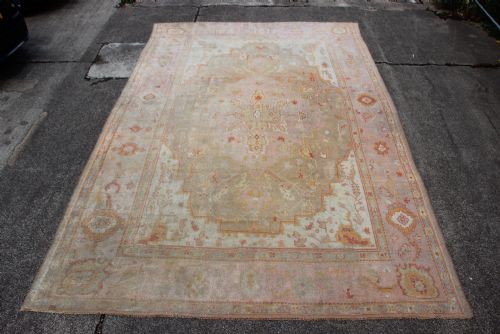
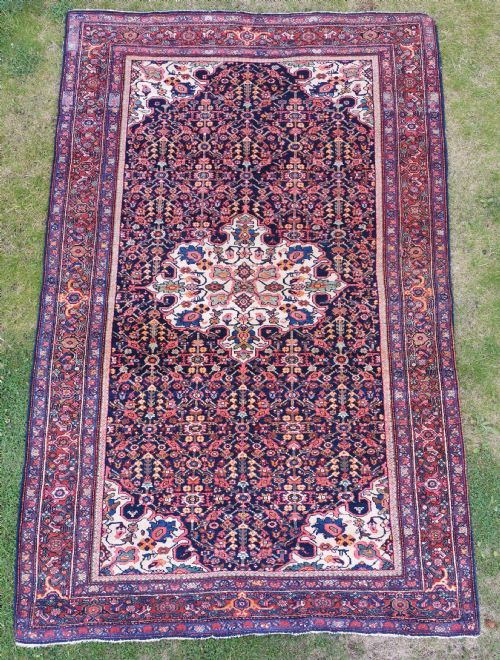
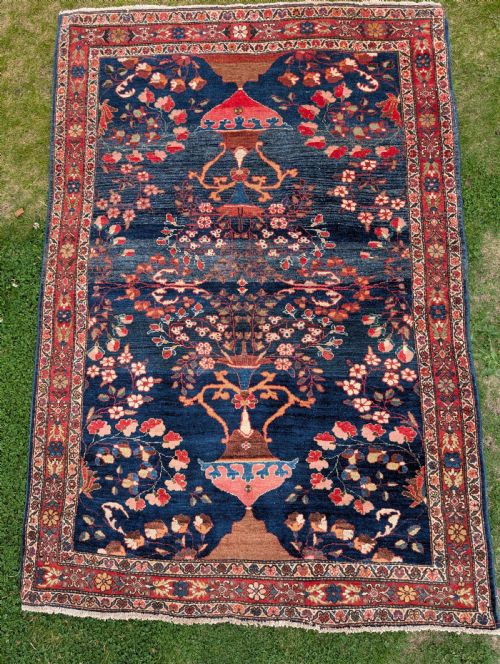
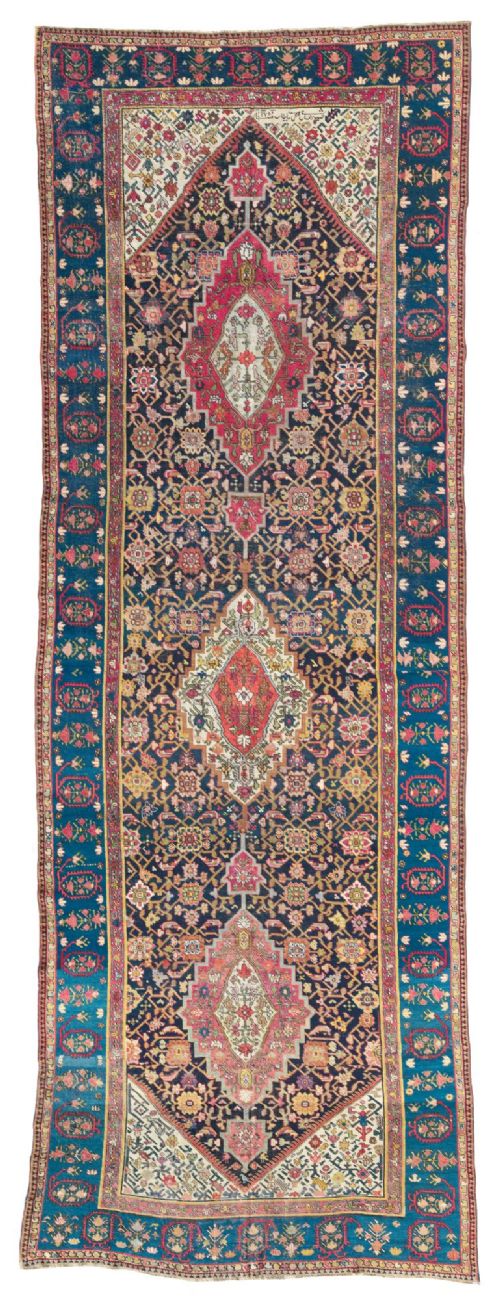
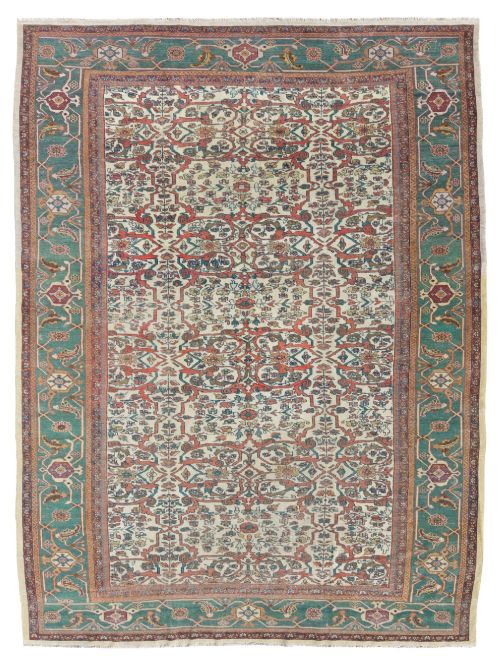
A traditional floral wool carpet encompasses room-size carpets, large area rugs, runners, and hearth-sized pieces dating from the mid-nineteenth century through the mid-twentieth century. Buyers searching this phrase encounter regional village and city weaves carrying centuries-old floral and medallion motifs.
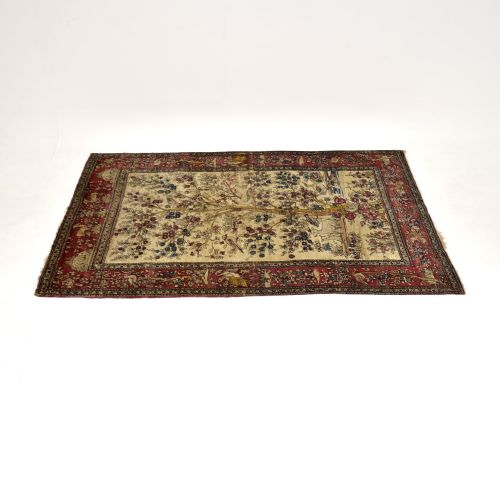
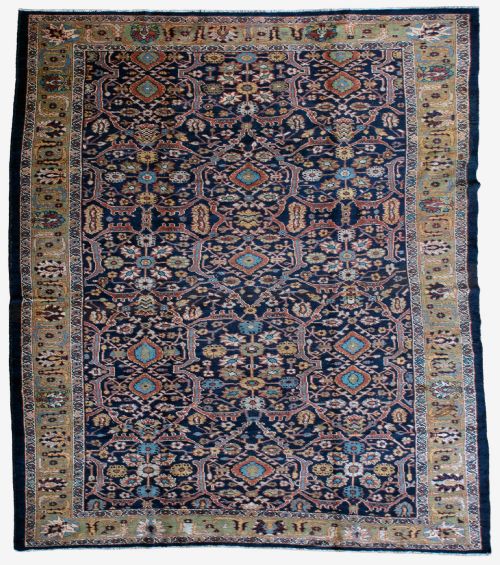
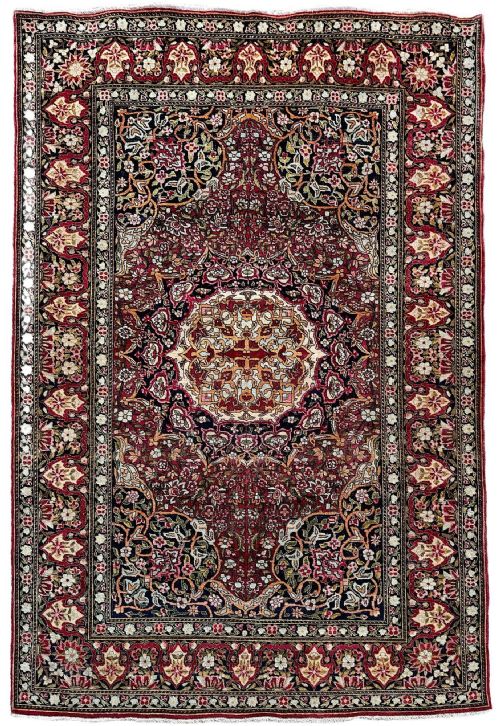
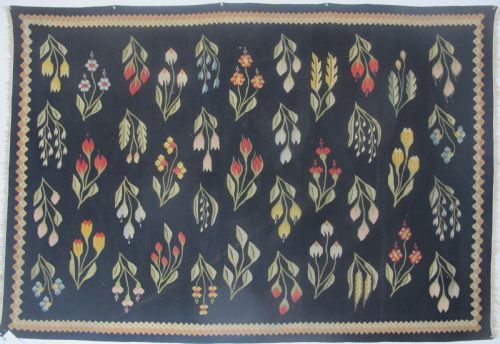
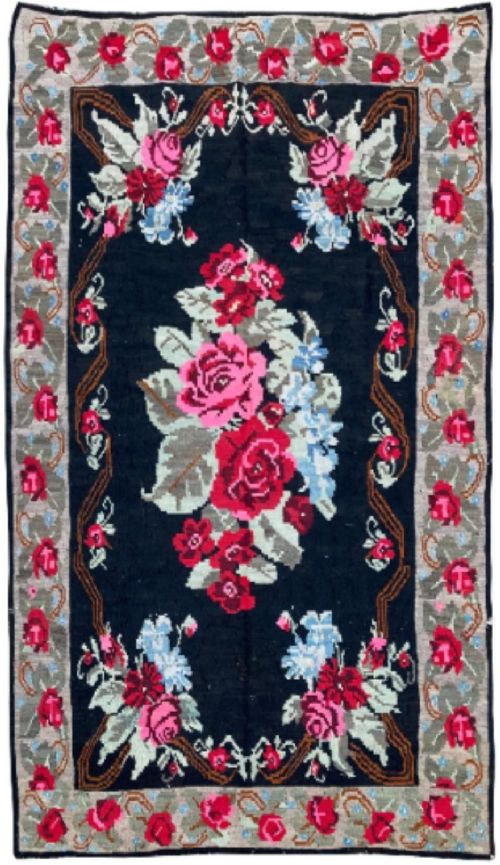
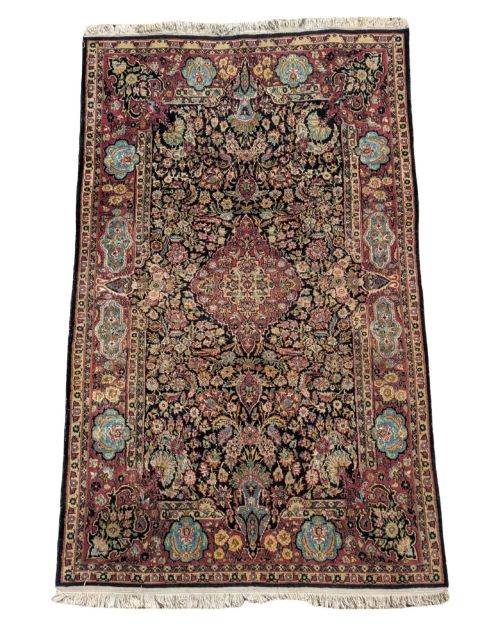
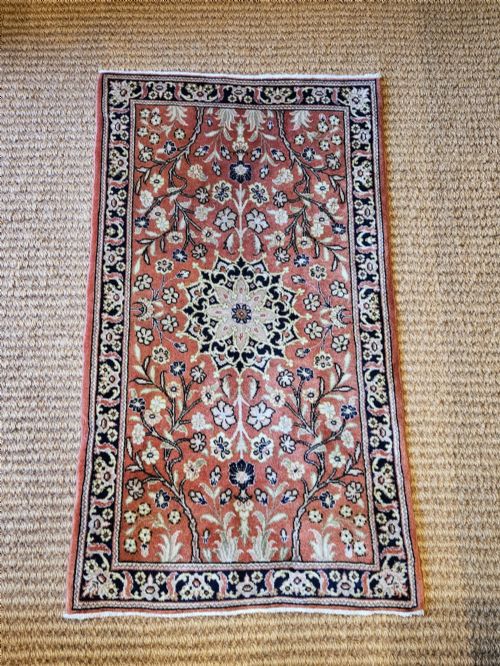
The selections span distinct oriental and European origins, including named Persian workshops like Tabriz, Isfahan, Sarouk, and Heriz alongside Caucasian Karabagh pieces and Eastern European folk art tapestries. Many pieces reflect specific regional palettes and distinctive village structures handed down through generations.
Materials and construction methods
These floor coverings rely primarily on wool, often combined with cotton foundations for structural stability and durability. Selected examples incorporate silk highlights to articulate fine botanical details within the pile.
Weavers utilised hand-knotting and flatweave techniques depending on the regional tradition, from heavy pile carpets designed for country houses to lighter kilims and tapestries.
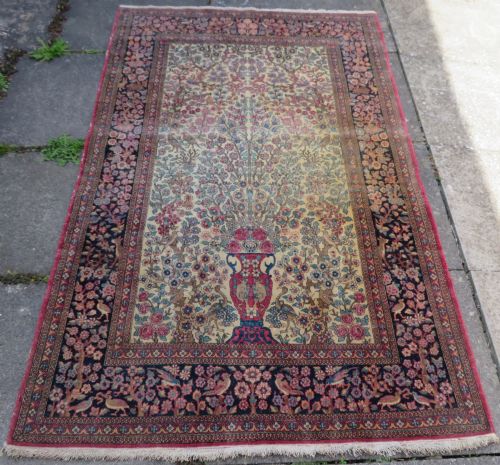
Several carpets feature secret tree of life designs intended to bring flourishing growth and shelter right to the hearth.
Assessing quality in older floor coverings
Quality rests upon knot density, the precision of the botanical drawing, and the integrity of the wool fleece. Tightly packed knots allow intricate floral curves to remain crisp and legible across decades of use.
The depth and harmony of the dyestuffs distinguish finer examples, where natural variations in tone give the floral fields visual movement. The balance of the border proportions relative to the central field also marks superior design execution.
The Traditional Floral Wool Carpet Glossary
- Pile
- The upright yarn loops or cut ends that form the soft surface of a carpet. Density in the pile dictates how well the rug withstands foot traffic.
- Kelleh
- A long, narrow carpet format traditionally used in Persian rooms. These rectangular pieces fit naturally into hallways or narrow reception spaces.
- Kilim
- A flatweave textile produced without a pile by tightly interweaving warp and weft threads. This technique yields a lightweight, reversible rug with flat geometric or stylized floral designs.
- Warp
- The stationary lengthwise threads stretched on the loom that carry the structural tension of the textile. Wefts are then beaten across these warp threads to lock the knots in place.
- Medallion
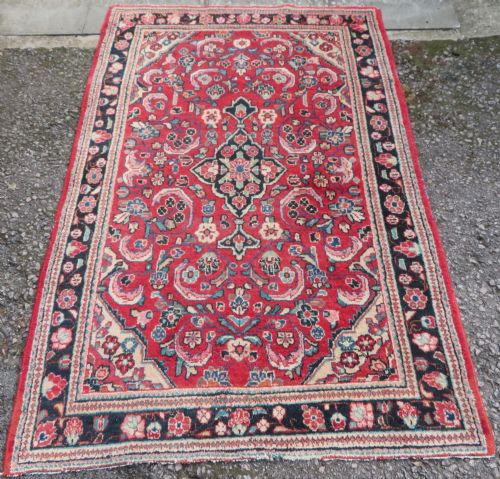
- A symmetrical central ornamental design motif placed in the middle of the carpet field. This focal element frequently anchors surrounding floral sprays and vines.
Traditional Floral Wool Carpet: Frequently Asked Questions
How do I place a large carpet in a room?
A room-size carpet anchors the furniture arrangement, with large formats typically sitting beneath the main seating group to ground the space. Smaller rugs and runners suit hallways, hearths, or narrower circulation areas.
Allowing exposed floorboards around the perimeter of the carpet creates a balanced frame for the room's proportions.
Are these carpets suitable for heavy foot traffic?
Wool and cotton construction provides natural resilience, making these durable floor coverings well-suited for everyday living areas. Regular care helps preserve the wool pile against wear.
Placing a suitable underlay beneath the rug prevents slippage and absorbs impact from footsteps.
How do regional styles differ?
Persian pieces often feature intricate curvilinear floral sprays and central medallions, while Caucasian and village pieces tend toward bolder, more geometric interpretations of botanical themes. Eastern European folk art introduces distinct local colour combinations.
Examining the corner spandrels and border arrangements helps identify the specific weaving district.
How do I care for an older wool rug?
Vacuuming with standard rotating brush attachments lifted high prevents damage to the delicate wool pile and fringes. Gentle professional cleaning removes embedded dirt safely without altering the wool fibres.
Keeping the textile out of direct, harsh sunlight prevents fading in natural dyes.