
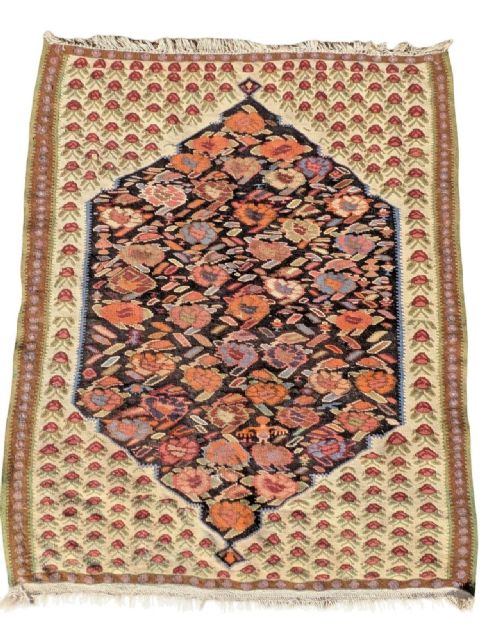
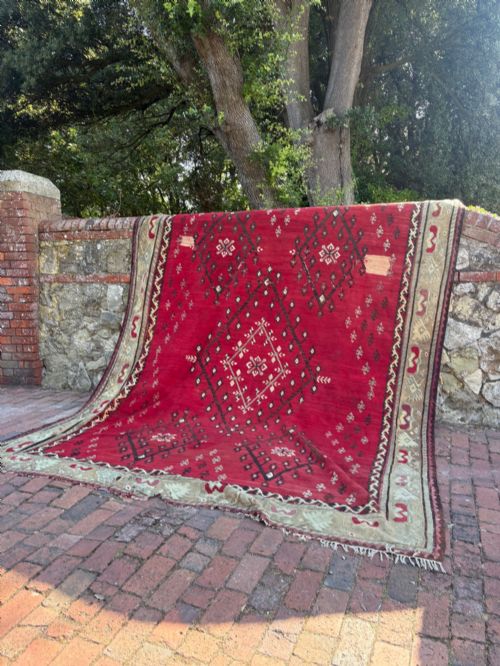
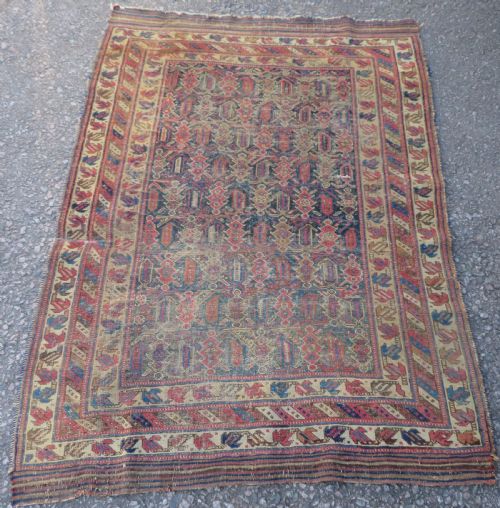
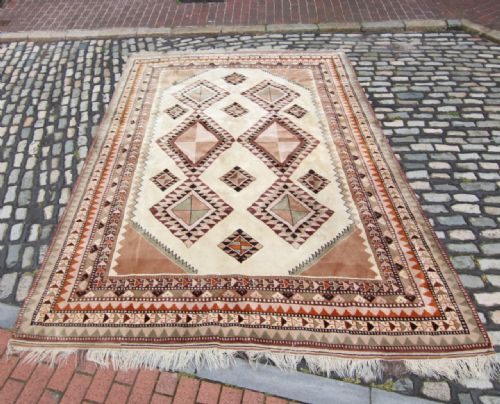
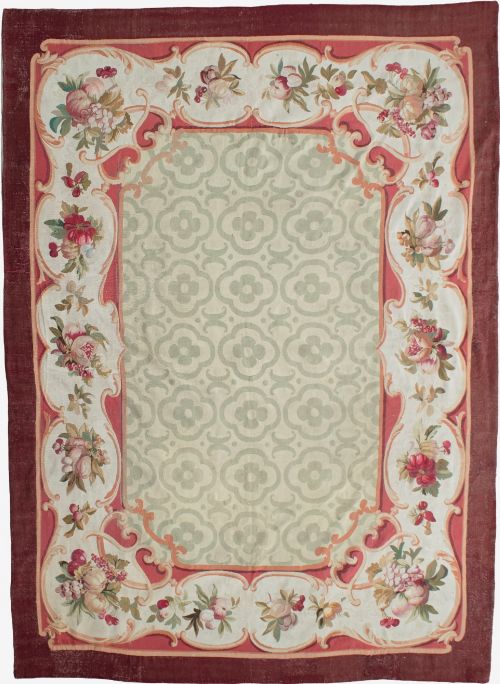

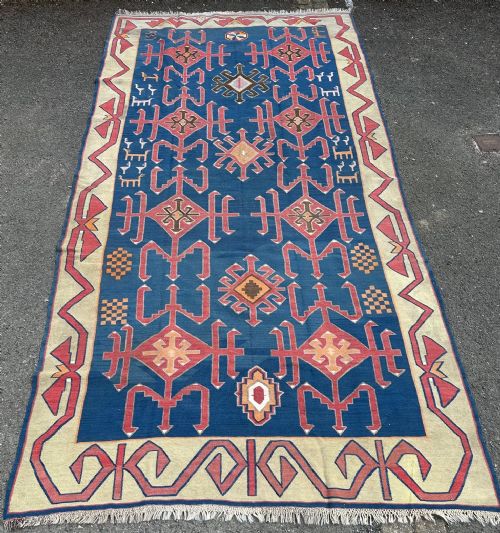


Flat Weave Carpet
A flat weave carpet brings texture and graphic depth to a room through centuries of tribal and regional weaving traditions.
Flat Weave Carpet
A flat weave carpet comprises an array of traditional textiles lacking a pile, spanning utility items like storage bags to large room-sized floor coverings. Buyers searching for a flat weave carpet encounter diverse regional expressions originating from Anatolia, the Caucasus, Central Asia, and Eastern Europe.
The selection ranges from geometric runner rugs and kilims to specific tribal pieces such as Mafresh storage bags and half-saddlebags. These textiles reflect nomadic and village heritages through distinctive motifs, banded designs, and central medallions.
Pieces originating from the late nineteenth and early twentieth centuries dominate the selection, showing formats from narrow runners to expansive formats exceeding three metres in length. Each region contributes distinct structural characteristics, whether woven in two parts or featuring extended kilim ends.
Materials and construction
Makers constructed these textiles primarily using wool and cotton, often employing hand-spun wool to build robust, tactile surfaces. Artisans applied natural dyes to achieve the soft colours and bold graphic contrasts visible across the selection.
Techniques varied from simple slit-tapestry weaves in kilims to soumak wrapping and needlepoint methods seen in European examples. Certain large formats required weavers to construct the textile in two separate parts and join them together.
Flat Weave Carpet Retail Price Guide 2026
Typical asking prices for flat weave carpet among the pieces listed under this phrase on Sellingantiques today, from the lower quarter to the upper quarter. They describe what is for sale here now, not the wider market.
Listings feature flat weave carpets incorporating wool, cotton, and natural dyes across origins including Anatolia, the Caucasus, and Central Asia.
Factors determining quality
The sophistication of the design and the integrity of the weave separate exceptional pieces from simpler utilitarian examples. Dense construction using well-carded wool and stable natural colour palettes indicates superior workshop or tribal execution.
Preservation of original dimensions, intact kilim ends, and minimal structural repairs elevate a piece. Conversely, heavy degradation alters the visual balance of the graphic motifs and impacts the textile's historical integrity.
The Flat Weave Carpet Glossary
- Kilim
- A flat-woven carpet or rug produced without a pile, traditionally utilising slit-tapestry techniques. These textiles serve primarily as floor coverings or decorative wall hangings.
- Soumak
- A flat-weave technique involving wrapping weft threads over and around warp threads to create a textured, braided surface. This method offers greater durability than standard tapestry weaving.
- Mafresh
- A rectangular storage bag or travel container woven by nomadic tribes to hold household goods. Collectors prize complete examples for their intact structure and intricate side panels.
- Warp
- The vertical foundation threads stretched lengthwise on the loom before weaving begins. Wefts pass horizontally over and under these structural threads.
- Weft
- The horizontal threads passed through the warp threads to build the pattern and colour of the textile. Natural dyed wool is typical for these yarns.
Flat Weave Carpet: Frequently Asked Questions
How do I clean a flat weave carpet?
Gentle surface brushing and regular vacuuming without a beater bar help remove embedded dirt from the tight weave. Professional specialist cleaning remains necessary for deeper maintenance to protect natural dyes.
Avoid excessive moisture and harsh chemical treatments, which can damage hand-spun wool and cause colour bleeding. Proper care preserves the structural integrity of older kilims and runners.
Can I use these rugs in high traffic areas?
Many flat-woven carpets withstand moderate foot traffic due to sturdy wool construction and dense packing of the weft threads. Runners and room-sized kilims function well in hallways and living spaces.
Delicate needlepoint or fragile antique pieces benefit from placement in lower-traffic zones to prevent premature wear. Utilising an appropriate underlay prevents slipping and cushions the textile against hard flooring.
What is the difference between a kilim and a soumak?
A kilim relies on a flat slit-tapestry weave that produces a smooth surface with identical patterns visible on both sides. This technique creates sharp geometric transitions where different colour blocks meet.
Soumak weaving wraps the weft threads across the warps to create a raised, braided texture on the face with loose floats on the reverse. This method generally adds weight and structural rigidity to the finished textile.
How do I identify the origin of a tribal rug?
Specific design vocabulary, structural formats, and colour choices often point toward particular weaving groups or geographical regions. Motifs characteristic of Caucasian, Anatolian, or Central Asian makers provide clear visual clues.
Edge finishes, end completions, and the presence of supplementary materials like cotton warps help narrow down the provenance. Comparing technical structures against known regional examples clarifies the attribution.