



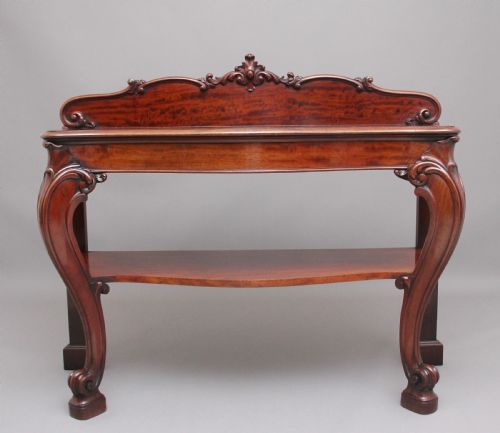
Flame Mahogany Server Table
A flame mahogany server table brings rich figured timber and classic dining room utility into a modern interior.
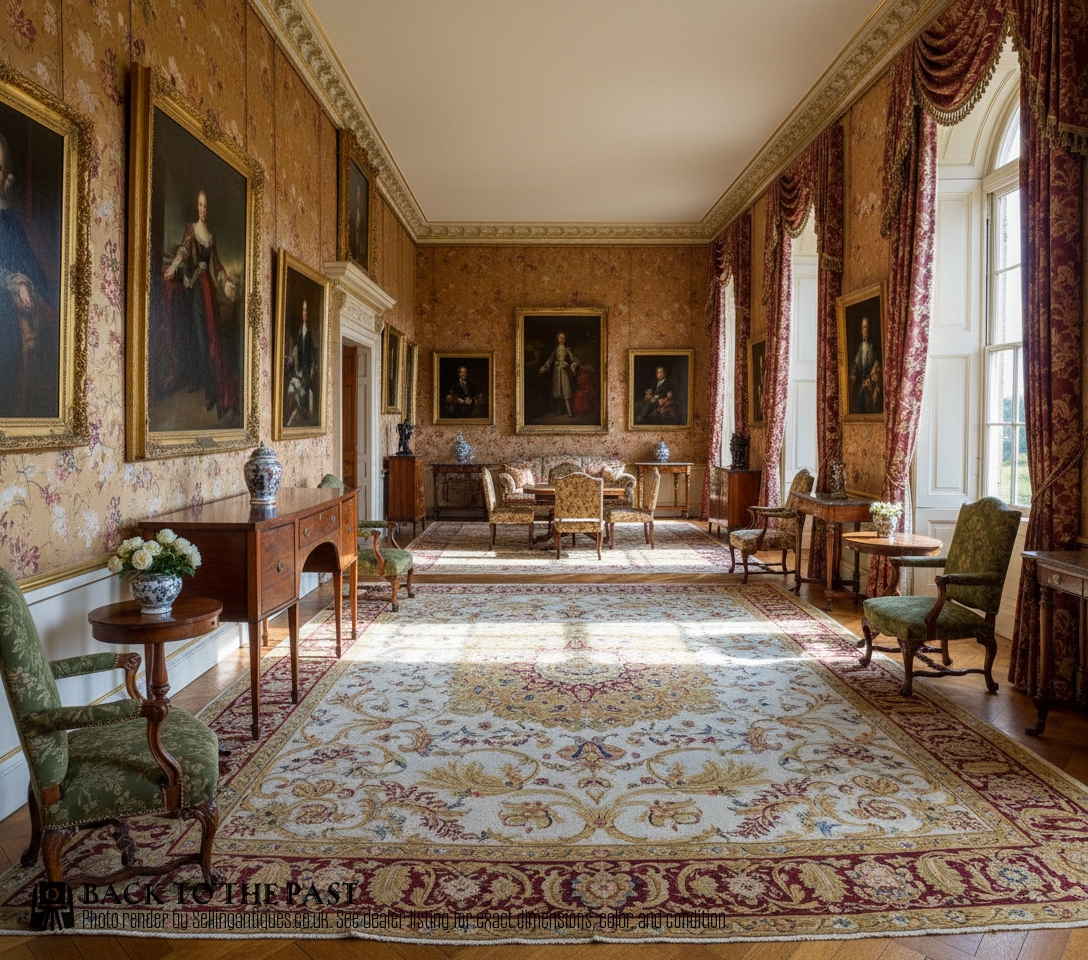
Flame Mahogany Server Table
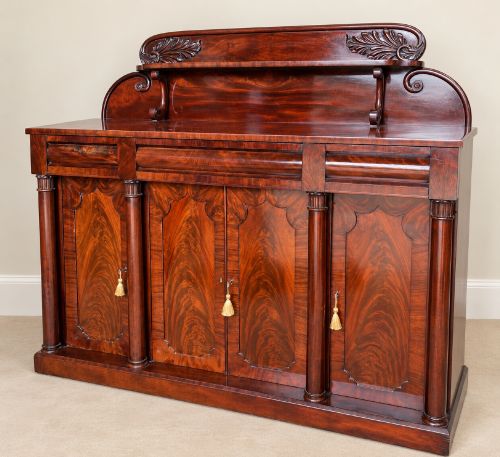
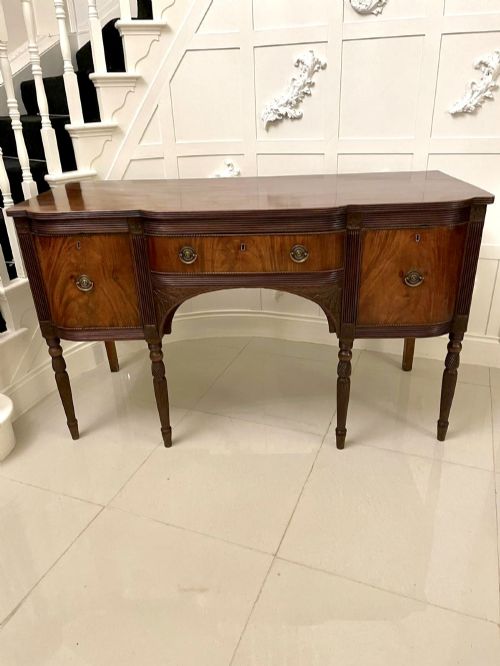
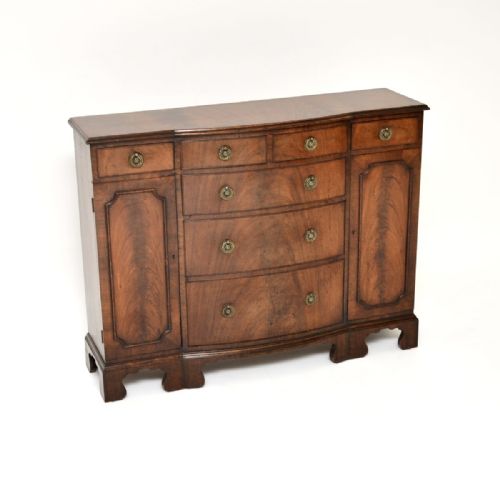
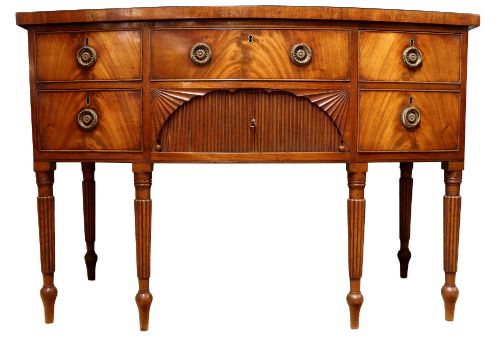
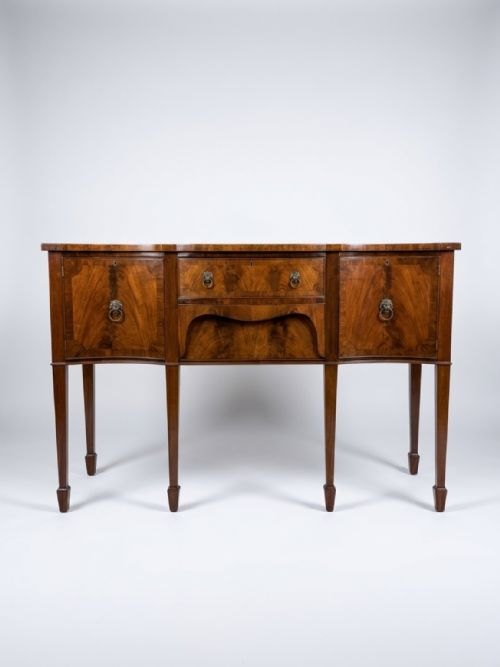
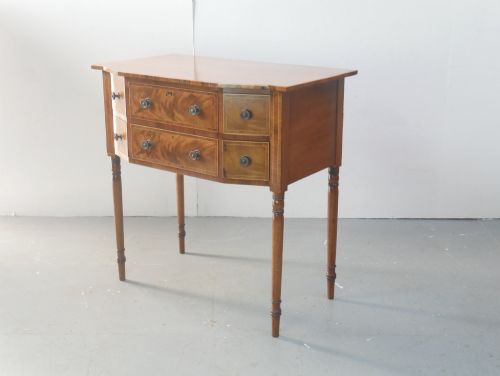
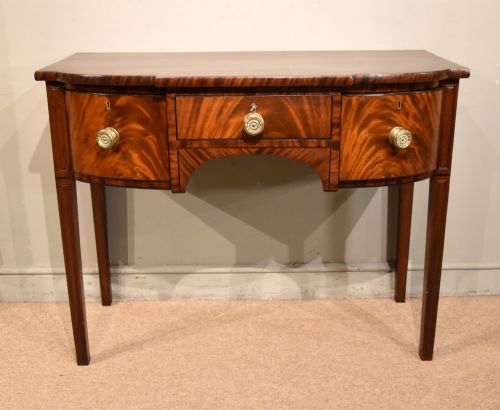
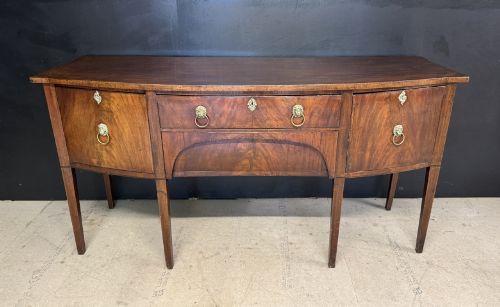
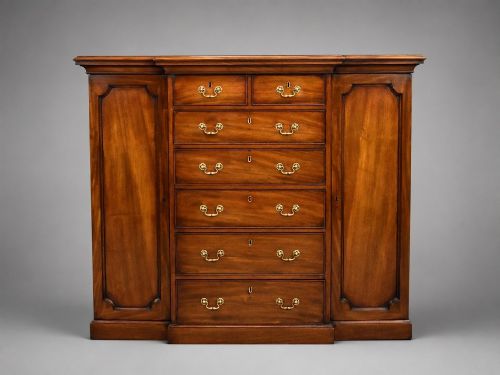
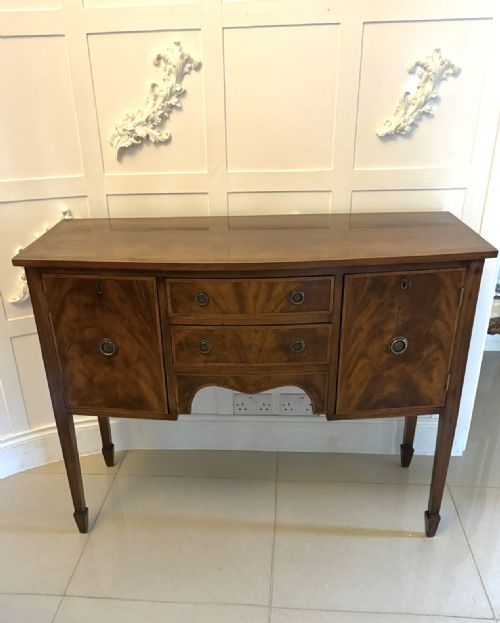
A flame mahogany server table is a substantial dining or hall piece designed for service, presentation, and storage, appearing primarily in Georgian, Regency, and Victorian formats across this selection. These pieces frequently manifest as sideboards, console tables, serving tables, and bow-front or serpentine cabinets.
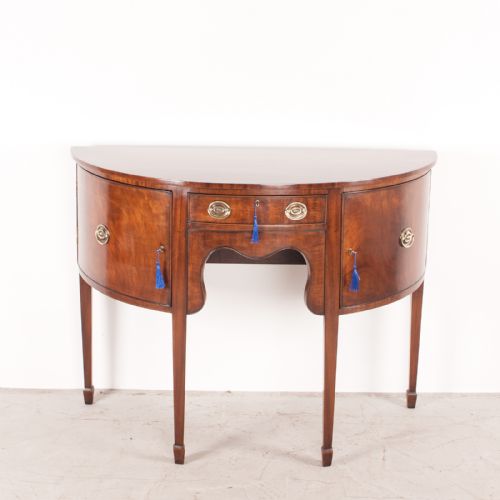
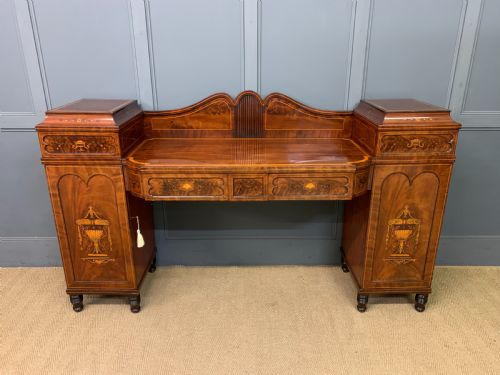
The domestic role of these tables spans formal dining rooms and grand reception halls, where they originally held silver, linens, and dishes. Surviving examples demonstrate forms ranging from compact side cabinets and demi-lune shapes to grand pedestals and breakfronts.
Makers and cabinetmakers across the 18th, 19th, and early 20th centuries utilised these formats to display the intense grain patterns of selected timbers. Buyers will encounter both linear geometric fronts and curved serpentine or bow-front profiles among these listings.
How they were made
Construction relies heavily on solid mahogany and flame mahogany veneer applied over secondary woods to create striking figured surfaces on drawer fronts and doors. Cabinetmakers selected veneers with dramatic flame figures to draw the eye across the broad expanses of the furniture.
Decorative detailing often incorporates boxwood and satinwood inlay to create contrasting borders and medallions around the primary timber fields. Metal elements such as brass galleries, handles, and mounts provide functional and visual accents against the dark polished wood.
Joinery techniques include traditional dovetailing for drawer construction and carefully fitted carcases designed to withstand the structural stresses of heavy timber. Surfaces received hand-rubbed finishes that accentuated the natural depth and chatoyancy of the mahogany grain.
Some Victorian tables are described as having exceptionally small proportions, proving that even 19th-century cabinetmakers had to accommodate compact dining spaces.
What varies in quality
Quality rests significantly on the choice and bookmatching of the veneer, where master cabinetmakers arranged figured flame patterns symmetrically across drawer banks and doors. Lesser examples employ plain timber or poorly matched veneers that lack the dramatic optical movement seen in superior work.
The sophistication of the silhouette and the crispness of any boxwood or satinwood inlay define the upper tiers of craftsmanship. Fluid serpentine and bow-front curves require advanced carpentry skills compared to flat-fronted carcases.
Hardware integrity and the retention of original brass galleries or period handles contribute heavily to the overall architectural success of the piece. Subtle details, such as the proportion of the legs and the precision of the drawer dovetails, separate standard workshop output from exceptional commissions.
Gillows·George Hepplewhite
The Flame Mahogany Server Table Glossary
- Flame mahogany veneer
- A thin slice of wood cut from the fork of a mahogany tree, yielding a distinctive ripple pattern resembling flickering flames. This veneer is prized for its decorative impact on primary display surfaces.
- Serpentine front
- A furniture front characterised by a curving line that bends outward in the centre and inward toward the ends. It demands precise carpentry to shape both the drawers and the supporting frame.
- Bow front
- A convex, outwardly curved furniture front popular during the Georgian and Regency periods. This shape softens the profile of a room while increasing interior storage capacity.
- Boxwood inlay
- Narrow strips of pale yellow boxwood inserted into grooves cut into the darker mahogany surface. It creates sharp linear contrast and geometric borders.
- Pedestal sideboard
- A form featuring distinct outboard pedestals flanking a central section, often associated with late Georgian dining rooms. These pieces sometimes incorporate built-in cellarets for wine storage.
Flame Mahogany Server Table: Frequently Asked Questions
How do I spot a real Georgian piece?
Examine the secondary woods inside the drawers, such as oak or pine, and look for hand-cut dovetails that show irregular spacing typical of period hand tools. The patination on the mahogany should display deep warmth developed through decades of waxing and handling.
Check for construction methods that predate modern machine production, including pegged mortise and tenon joints in the frame. Period brasses and backplates should also align with the prevailing taste of the specific decade.
How do I care for flame mahogany?
Dust the surface regularly with a soft, dry lint-free cloth to prevent microscopic particles from scratching the polished finish. Apply a quality natural beeswax periodically to nourish the wood and maintain its soft sheen.
Avoid placing the table in direct sunlight or near radiators, which can cause the veneer to dry out, warp, or lift from the carcase. Use protective mats under any objects placed on the top to guard against moisture rings.
What is the difference between a server and a sideboard?
A server table typically refers to a lighter, more open form designed primarily for presenting food and drinks during dining. Sideboards are generally heavier, enclosed structures that include multiple cupboards and dedicated drawer storage for cutlery and linens.
Both forms share similar decorative vocabularies, including mahogany veneers and inlaid borders, but servers often have a more slender profile. The choice depends on whether you require enclosed storage or a decorative console surface.