


Fireplace Draft Screen
A fireplace draft screen keeps the warmth close and the cold draughts at bay while softening the glare of the hearth.
Fireplace Draft Screen
A fireplace draft screen is designed to shield occupants from excessive radiant heat or to block the chilly air currents that sweep across a room towards an unlit or dying fire. The selections here span the nineteenth century, the Victorian era, the Regency period, and the early twentieth century, taking the form of pole screens, folding panels, and fixed stands.
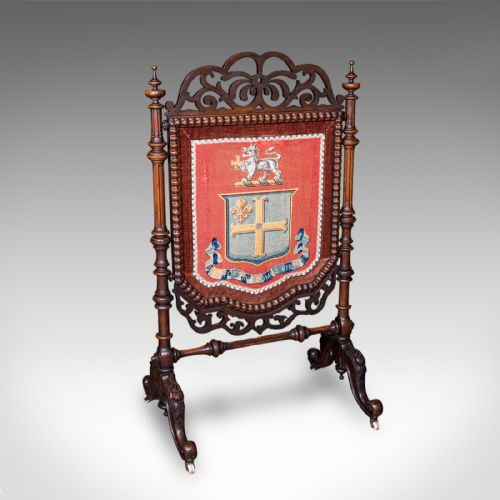
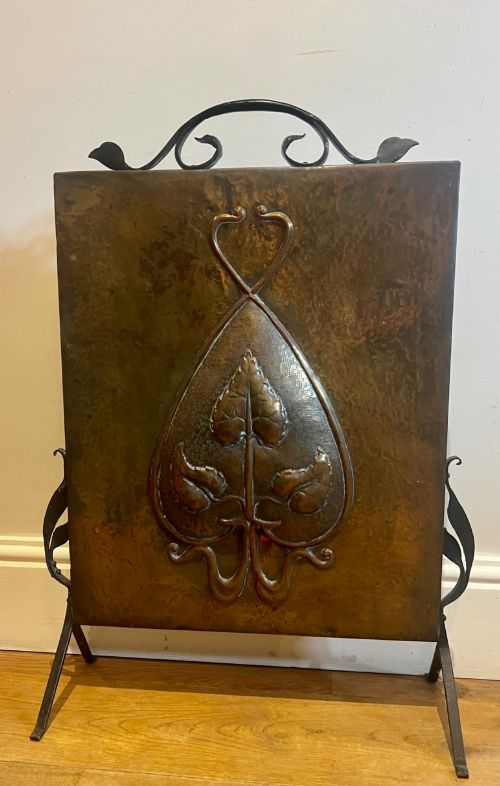
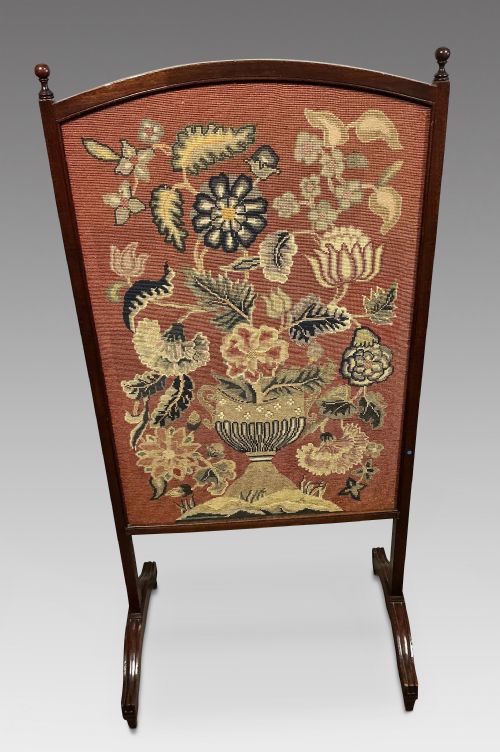
You are most likely to meet mahogany or rosewood frames housing embroidered tapestries, needlepoint wool panels, or hand-worked canvas. These domestic accessories range from elaborate Regency chinoiserie designs to sturdy Arts and Crafts copper and iron models suited to country houses.
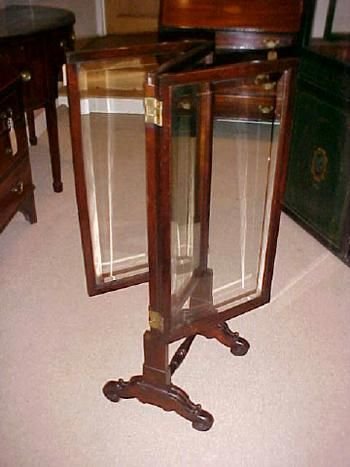
The assortment also includes palisander pairs, walnut frames with armorial embroidery, and multi-pane glass panels from the Edwardian years. Each piece served a practical purpose in period parlors before evolving into a purely decorative element of interior furnishing.
How they were made
Makers constructed the structural frames of these screens from dense timbers such as mahogany, rosewood, walnut, and palisander, often shaping the woodwork with turned supports or carved detailing. Wrought iron and beaten copper also appear in metalwork iterations, reflecting distinct period metalworking techniques.
The inset panels rely on textile arts, combining wool, silk, and canvas in needlepoint, tapestry, and hand-woven embroidery. Glazed versions utilise simple timber or metal frameworks to hold glass panes securely within folding leaves.
Some nineteenth-century ladies used pole screens specifically to keep the fire's harsh heat from melting their expensive facial makeup.
What varies in quality
The distinction between standard examples and superior pieces rests largely on the fidelity of the timber joinery and the density of the needlework. Finely carved rosewood or mahogany frames with tight, complex joints represent higher craftsmanship than plain softwood or hastily assembled pine carcasses.
Needlepoint panels executed in varied wool and silk stitches with clear pictorial detail outclass simpler stamped or printed textiles. The integration of moving parts, such as smooth-sliding poles or well-hinged folding leaves, further separates utilitarian items from refined reception room furnishings.
The Fireplace Draft Screen Glossary
- Pole screen
- A vertical stand featuring an adjustable screen panel that slides up and down on a central turned pillar. This allowed the panel to be positioned precisely to block heat from the hearth.
- Tapestry
- A form of textile art woven on a loom or worked by hand with needlepoint stitches upon a canvas ground. These panels frequently depict pastoral scenes, floral motifs, or armorial bearings.
- Regency Chinoiserie
- A decorative style popular during the Regency period that imitates Chinese artistic traditions. It often incorporates lacquer work, exotic motifs, and slender framing.
- Palisander
- A dense, dark timber akin to rosewood, prized for its rich grain and deep colour in nineteenth-century cabinet making. It was frequently selected for high-status drawing-room furniture.
- Needlepoint
- A type of canvas work embroidery stitched with yarn using a tent stitch or cross stitch. It forms the durable pictorial insert found in many wooden screen frames.
Fireplace Draft Screen: Frequently Asked Questions
What is a fireplace draft screen used for?
These screens were placed near hearths to protect individuals from the intense radiant heat of open coal or wood fires. They also served to deflect cold air currents moving across the floor toward the chimney.
Over time, their utility shifted toward shielding delicate facial complexions and candle wax from excessive heat while adding a decorative focal point to the room.
How do I tell a Regency screen from a Victorian one?
Regency pieces often display classical restraint, lighter mahogany or exotic timbers, and ornamental details like chinoiserie motifs. They frequently take the form of pole screens with delicate tripod bases.
Victorian examples tend to be heavier, employing rosewood, walnut, or heavy carved mahogany with rich tapestry work and pastoral needlepoint panels. They lean towards darker tones and more exuberant ornamentation.
What maintenance do fabric panels need?
Needlepoint and tapestry panels require gentle treatment, primarily protection from direct sunlight to prevent the wool and silk threads from fading. Regular, careful dusting with a soft brush helps prevent particulate accumulation in the weave.
Avoid using liquid cleaners on antique textiles, as moisture can weaken old threads and warp the underlying canvas ground.