
Fireplace Dogs and Irons
Fireplace dogs and irons hold logs safely above the hearth floor to let air circulate beneath the fire.

Fireplace Dogs and Irons
Fireplace dogs and irons support logs inside an open hearth, combining utility with decorative metalwork. When people search for fireplace dogs and irons, they encounter paired supports alongside fire baskets and grates.
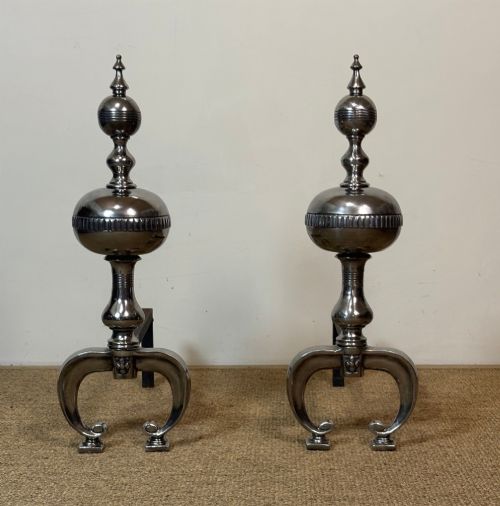
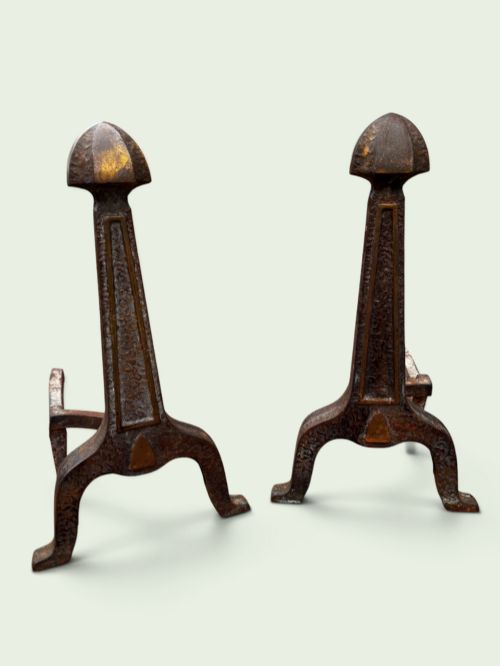
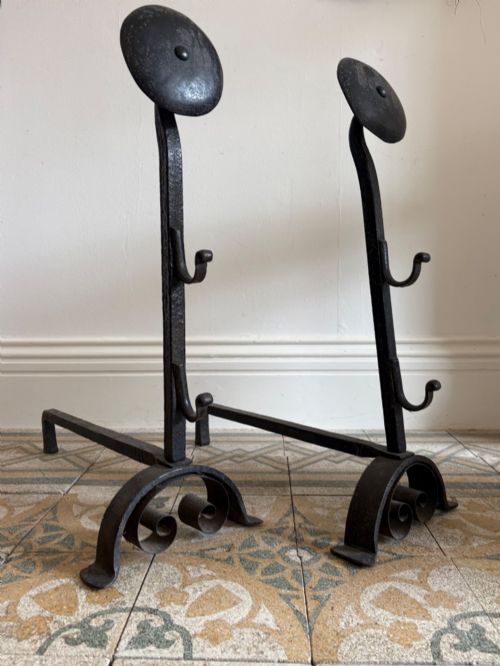
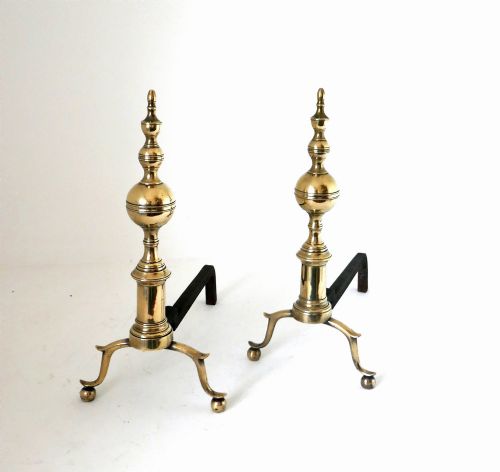
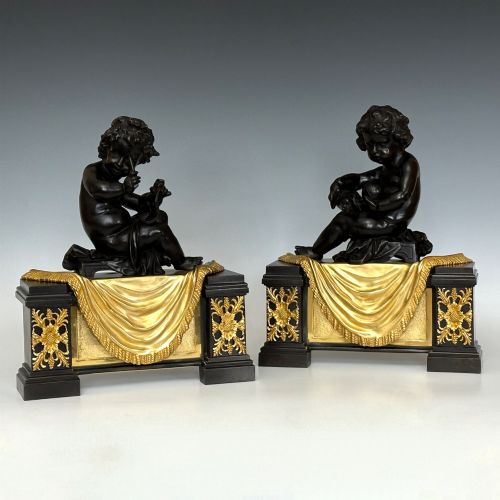
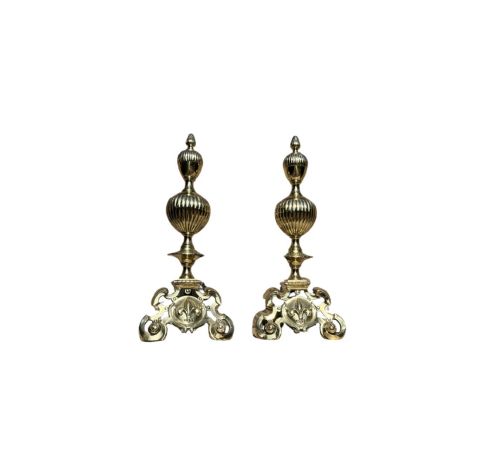
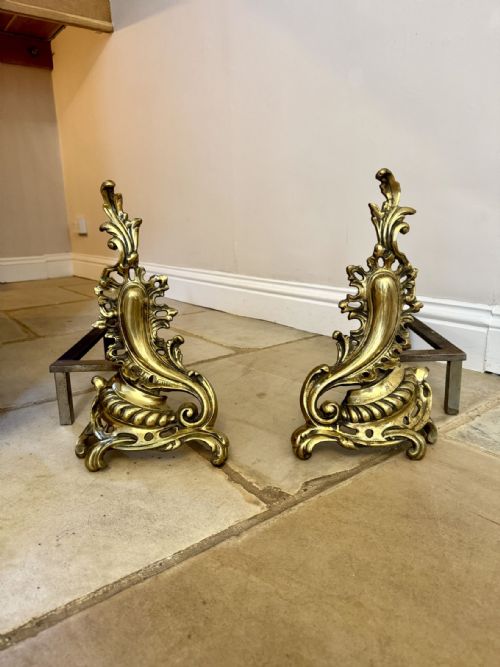
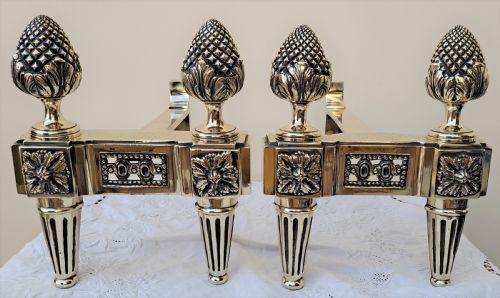
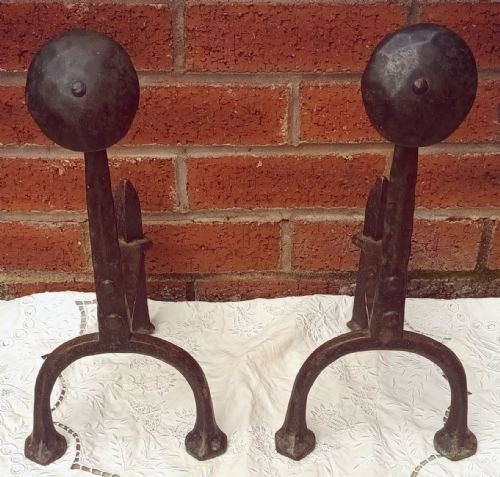
The selections span the nineteenth century predominantly, reaching back to earlier forms in cast and wrought iron. Victorian brass pairs and French chenets appear regularly alongside simpler Arts and Crafts designs.
Most examples function alongside companion sets and fenders to complete the hearth arrangement. Buyers find both monumental pairs for large inglenooks and smaller iterations suited to modest grates.
Materials and Method
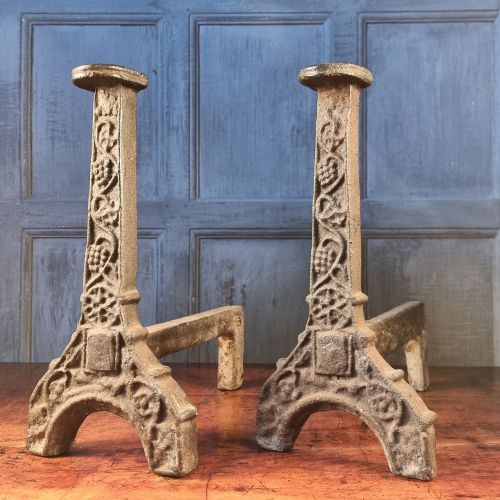
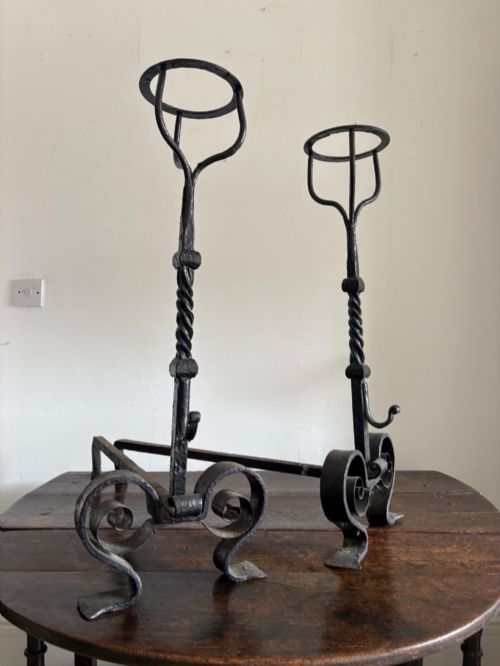
Cast iron and wrought iron provide the heavy structural foundation for the majority of these pieces. Blacksmiths shaped wrought iron through heating and hammering, while foundries poured molten iron into sand moulds to create cast components.
Materials in these listings range from heavy cast iron and wrought iron to polished brass, ormolu, and bronze.
Judging Quality
Substance and weight distinguish solid castings and heavy forged bars from lighter utilitarian alternatives. A substantial piece stays stable under heavy fuel loads without wobbling.
Detail in the finishing separates standard production items from finer work. Crisp chasing on brass mounts and carefully joined iron brackets indicate superior craftsmanship.
The Fireplace Dogs and Irons Glossary
- Andiron
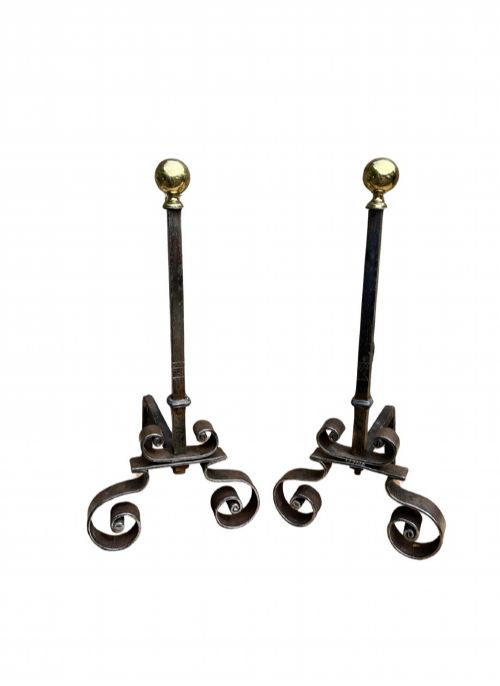
- A horizontal support iron raised on legs, used in pairs to hold logs in an open fireplace. They often feature ornamental fronts facing into the room.
- Chenet
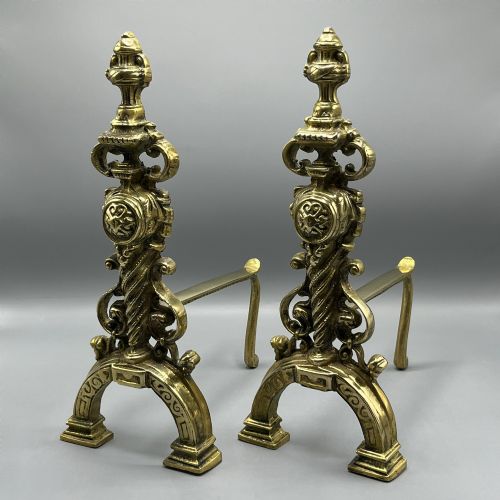
- The French term for an andiron, frequently cast in bronze or brass with decorative ornamentation. These pieces often exhibit rococo or classical revival motifs.
- Fire Basket
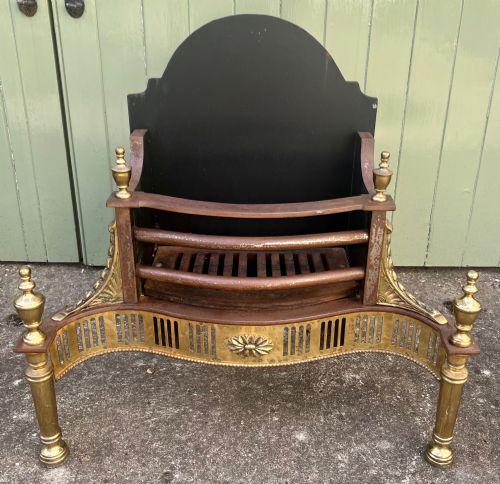
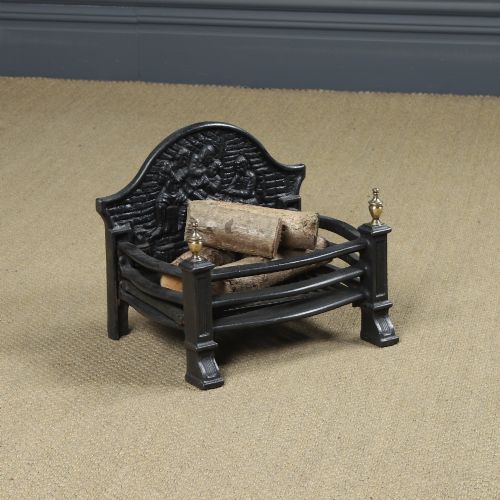
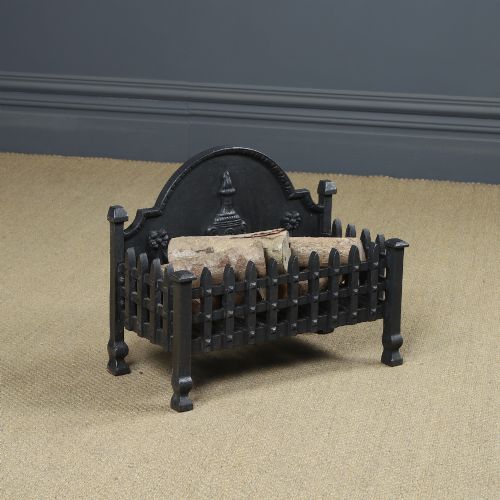
- A metal grate designed to hold coal or wood above the hearth floor. They frequently incorporate integral dogs at the sides.
- Fender
- A low metal guard placed around the hearth to contain ash and embers. They match the materials of the associated fire dogs.
- Wrought Iron
- Iron worked by heating and hammering rather than casting. This material provides tensile strength for load-bearing fireplace supports.
Fireplace Dogs and Irons: Frequently Asked Questions
How do I use fire dogs?
Place a pair of fire dogs on the hearth floor with their horizontal bars pointing into the fireplace opening. Logs rest across these bars to keep the wood elevated above the ash bed.
This elevation permits air to circulate beneath the fuel for a cleaner burn. The decorative fronts remain visible outside the fire opening while the billets bear the weight of the wood.
What is the difference between dogs and irons?
Fire dogs and andirons refer to the same paired supports that hold logs within an open hearth. Iron is the material they are made from rather than a distinct object type.
Fire irons encompass a broader category that includes pokers, tongs, and shovels used for tending the fire. Sets often combine dogs with matching tool rests.
How do I clean brass fire dogs?
Wash the metal gently with warm soapy water and a soft cloth to remove accumulated soot and dust. Dry the surface thoroughly to prevent water marks on the brass.
Avoid harsh chemical cleaners that strip the aged patina built up over decades. Gentle maintenance preserves the historic surface character of the metal.
Will these fit my modern fireplace?
Measure the depth and width of your hearth opening before selecting a pair of fire dogs. Standard andirons require sufficient depth to sit securely inside the fireplace chamber.
Check the height of the log bar to ensure it clears any existing grate or floor fixings. Smaller nineteenth-century pairs suit shallow hearths better than monumental examples.