




Figured Walnut Vanity
Figured walnut vanity pieces bring striking grain and period elegance to dressing rooms, spanning centuries of cabinet-making skill.
Figured Walnut Vanity
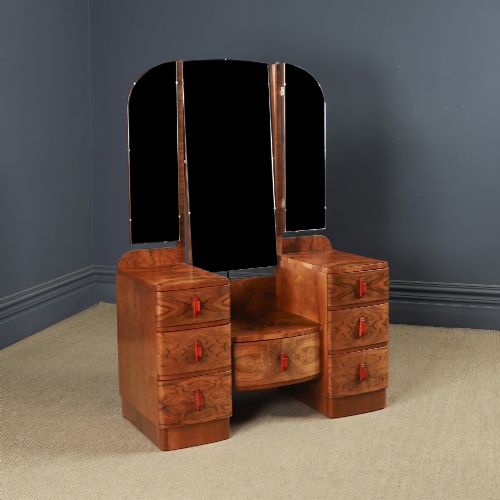
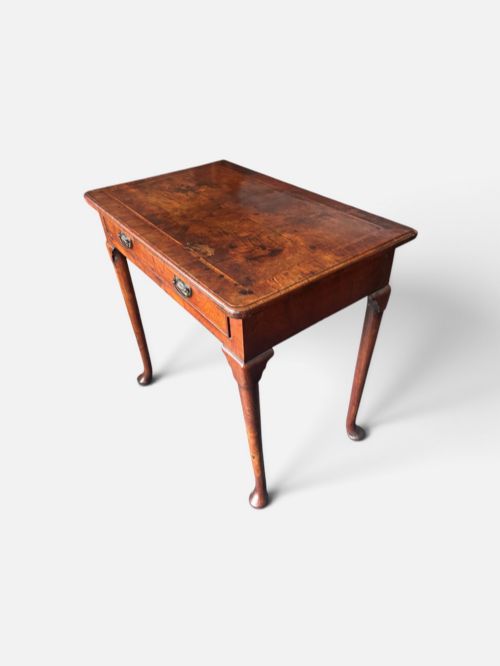
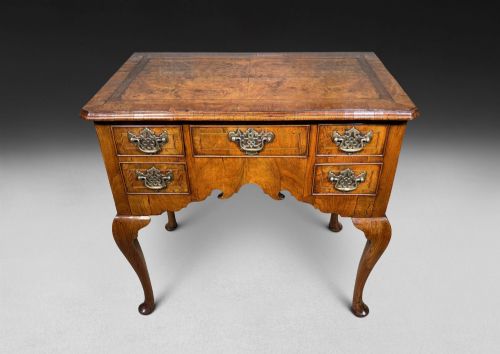
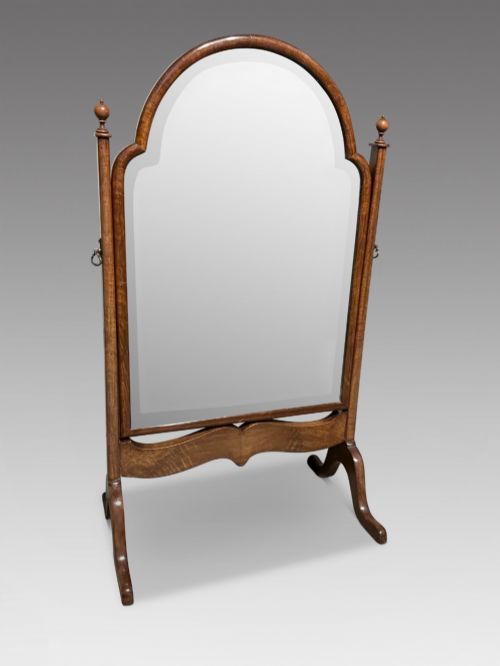
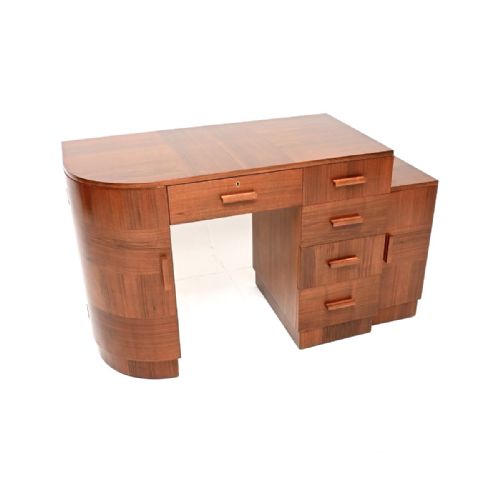
A figured walnut vanity search reveals a diverse collection of dressing tables, lowboys, writing desks, and tabletop mirrors spanning from the eighteenth century into the twentieth century. Buyers encounter everything from George II period lowboys to Art Deco pedestal dressing tables and Victorian duchess dressing tables.
The assortment on this page most frequently highlights Art Deco pieces from the nineteen-thirties alongside nineteenth-century Victorian examples, all showcasing distinct timber veneers. Formations range from compact table mirrors and sewing boxes to large kneehole desks fitted with drawers and mirrors.
Earlier Georgian and Queen Anne style examples sit alongside William IV and Edwardian pieces, demonstrating how cabinet makers continually adapted the form. Buyers selecting a figured walnut vanity secure a functional surface that doubles as a display of decorative timber.
Assessing Quality and Execution
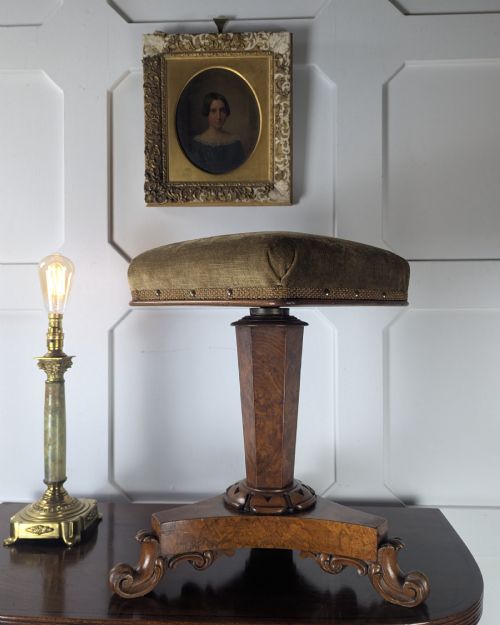
Quality rests in the intensity and symmetry of the timber figuring, where book-matched burr walnut creates a striking visual impact across large surfaces. Finer pieces demonstrate superior selection of veneers and precise alignment of grain patterns across drawers and borders.
Construction methods and secondary woods also distinguish top-tier examples from simpler items, particularly in the execution of complex curves and fitted interiors. Original hardware, intact mirror glass, and well-preserved surface finishes elevate the standing of any piece.
Some nineteenth-century gentlemen evidently travelled with such style that their vanity cases required dedicated compartments for every possible grooming implement.
The Figured Walnut Vanity Glossary
- Figured walnut
- Timber exhibiting an attractive, non-uniform grain pattern resulting from branching, growth stress, or specific tree genetics. This decorative wood was highly prized by period cabinet makers for principal surface veneers.
- Lowboy
- A small seventeenth or eighteenth-century dressing or side table featuring one or more rows of drawers beneath a flat top. These tables often stand on slender cabriole legs.
- Kneehole desk
- A writing table or dressing chest designed with a central recessed space for the user's legs, flanked by pedestals of drawers. This form became particularly popular during the Georgian period.
- Table mirror
- A small looking glass mounted on a pivoting stand, designed to sit atop a chest of drawers or dressing table. Some examples include small bureau fitments or drawers in the base.
- Burr walnut
- Wood taken from a tree growth or wart where the grain has grown in a deformed, swirling manner. Slicing this timber yields intricate, highly decorative circular patterns.
- Duchess dressing table
- A large nineteenth-century vanity table incorporating a raised superstructure with drawers and a large swivelling mirror glass. These substantial pieces typically include a central writing surface and pedestal storage.
Figured Walnut Vanity: Frequently Asked Questions
What is a lowboy used for?
A lowboy served historically as a small dressing table or occasional table for personal grooming items. Today, buyers utilise them as compact writing desks or decorative console tables in living spaces.
Their modest proportions allow them to fit easily into smaller rooms while providing practical drawer storage.
How do I date a walnut desk?
Dating relies on examining the construction methods, drawer linings, hardware styles, and overall silhouette. Eighteenth-century pieces often display hand-cut dovetails and timber specifications distinct from nineteenth or twentieth-century examples.
Stylistic cues such as cabriole legs or Art Deco geometric lines further pinpoint the exact era of production.
What is burr walnut?
Burr walnut is a specialised timber veneer harvested from tree growths that produce swirling, clustered grain formations. Cabinet makers valued this material for creating decorative panels on prominent surfaces.
Its complex pattern sets it apart from standard straight-grained walnut timber.
Are table mirrors original to dressing tables?
Many table mirrors were manufactured as independent pieces to sit upon existing chests or tables. Others were designed as integrated components of larger vanity suites.
Examining the mounting brackets and timber ageing helps determine whether a mirror and base belong together.