


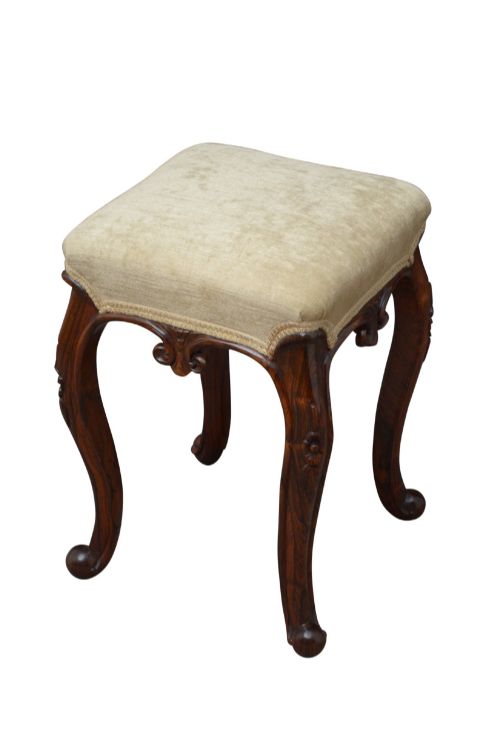

Antique English Dressing Table
An antique English dressing table offers a practical surface for morning routines while anchoring a bedroom with period character.
Antique English Dressing Table
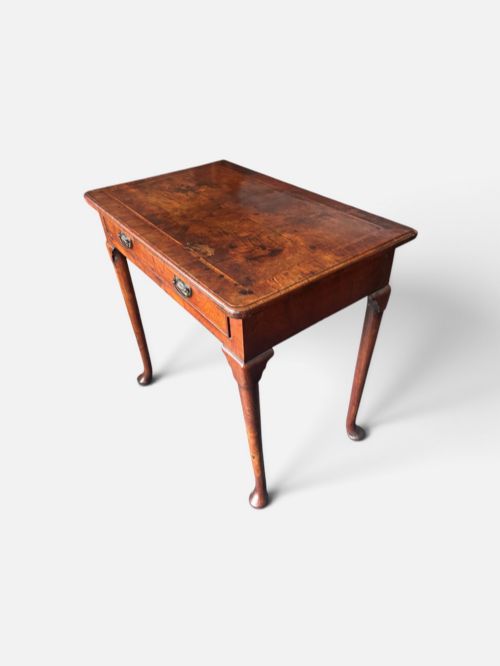
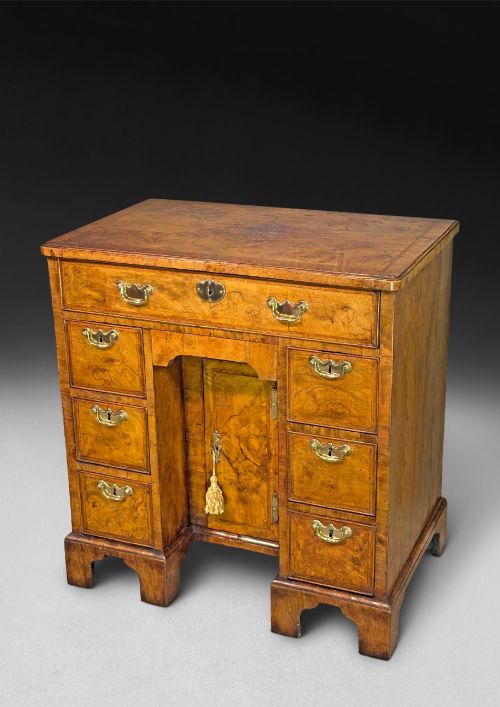
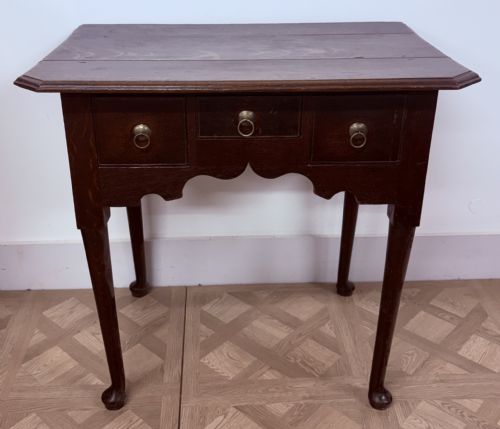
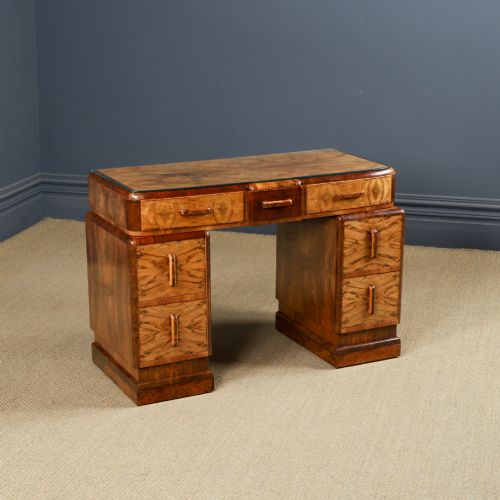
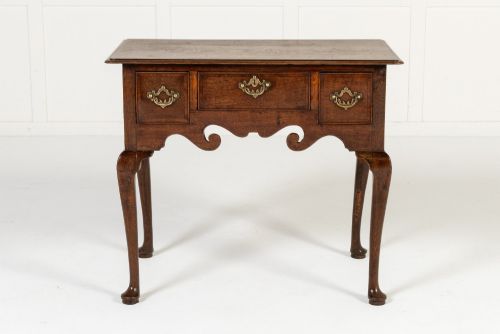
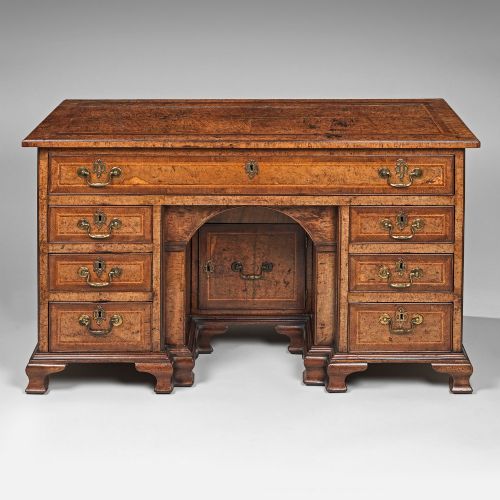
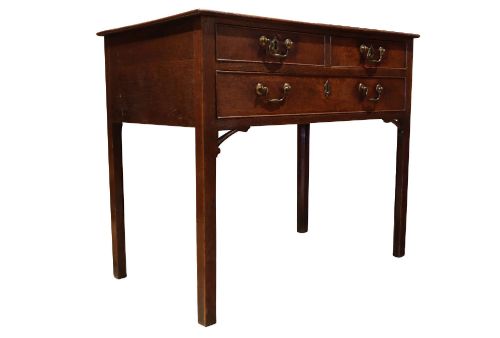
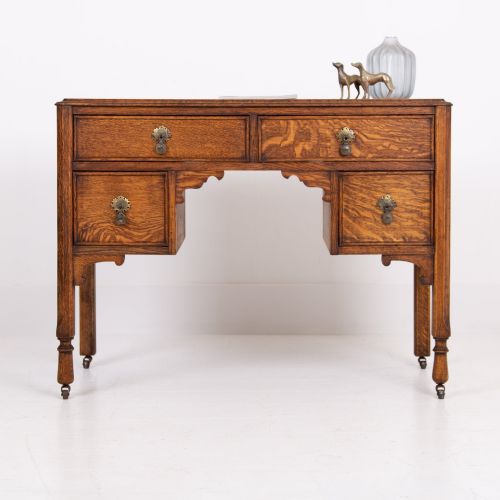
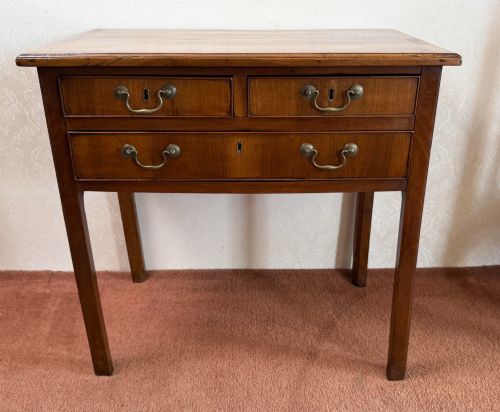
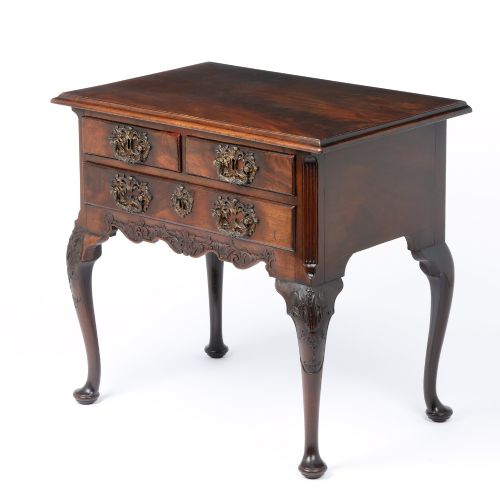
An antique English dressing table encompasses a lineage of lowboys, kneehole desks, and Victorian pedestal vanities equipped with mirrors. These pieces span from seventeenth-century oak formats to twentieth-century Art Deco walnut designs.
Early versions frequently take the form of walnut or oak lowboys with multiple drawers, while Victorian and Edwardian examples incorporate pedestal banks flanking a central kneehole beneath an adjustable swing mirror.
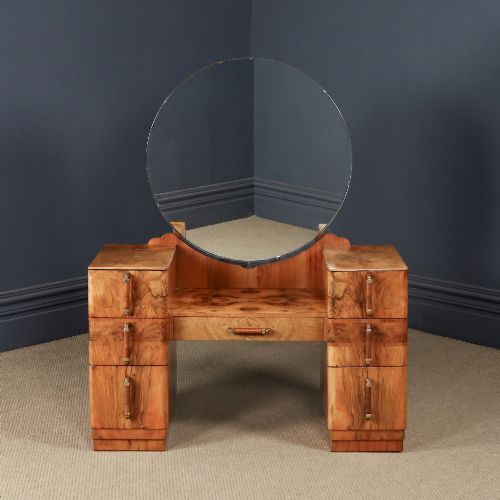
Art Deco iterations from the nineteen-thirties utilise figured and burr timbers in symmetrical pedestal layouts, pairing clean geometric lines with integrated circular or rectangular mirrors.
Materials and Construction
Cabinetmakers utilised solid and veneered hardwoods including oak, mahogany, walnut, and yew, frequently applying burr walnut or elm to drawer fronts for visual depth.
Joinery relied on hand-cut dovetails for drawer construction and traditional mortise and tenon frames, complemented by original brass drop handles or cast brass hardware.
Secondary timbers such as pine or deal appear in concealed structural areas like drawer linings and carcase backs, while select pieces feature glass tops or inlaid banding in tulipwood and satinwood.
Evaluating Quality
Quality rests in the selection and book-matching of timber veneers, where symmetrical grain patterns across large surfaces distinguish finer workshops from standard production.
The integrity of the original mirror plate, accompanying brasses, and secondary framing indicates whether a piece retains its authentic configuration.
Refined craftsmanship shows in the crispness of moulded edges, smoothly running dovetailed drawers, and solid timber framing rather than heavy applied composition ornaments.
Gillow and Co·Maple and Co·Paul Storr·William Comyns
The Antique English Dressing Table Glossary
- Lowboy
- A small oak or walnut table with one or more rows of drawers, commonly used as a dressing table or side table during the seventeenth and eighteenth centuries.
- Kneehole desk
- A compact desk or dressing table featuring a central recessed space flanked by two pedestals of drawers.
- Pedestal dressing table
- A heavy Victorian or Art Deco form incorporating twin columns of drawers supporting a large vertical mirror.
- Swing mirror
- A mirror suspended on pivoting screw pins within a frame, allowing the glass to tilt independently of its stand.
- Burr walnut
- Timber harvested from walnut tree growths that produce swirling, highly ornamental grain patterns prized for veneering.
Antique English Dressing Table: Frequently Asked Questions
How do I date an antique dressing table?
Dating relies on examining construction methods, timber choices, and hardware styles across the piece. Hand-cut dovetails, secondary woods like oak or pine, and original brasses help place a table within its correct Georgian, Victorian, or Edwardian period.
Changes in furniture design, such as the shift from seventeenth-century lowboys to heavy Victorian pedestal vanities and nineteen-thirties Art Deco walnut suites, provide clear chronological markers.
Are mirrors on these tables usually original?
Many antique dressing tables retain their original bevelled glass mirror plates and matching support frames. Silvering degradation or plain replacement glass can indicate a later mirror substitution.
Checking the patination on the reverse of the glass and the matching timber species of the mirror arms helps confirm period authenticity.
Where should I place a dressing table?
These tables function effectively in bedrooms against a main wall or positioned beneath a window to maximise natural light for morning use. Smaller lowboys also serve as hallway consoles or writing desks in compact studies.
Matching the period timber tone, such as warm mahogany or figured walnut, ensures the piece complements existing bedroom or living space furniture.
What is the difference between a lowboy and a dressing table?
A lowboy is a low eighteenth-century side table equipped with drawers, which functioned historically for grooming or correspondence before dedicated dressing tables became widespread. Later Victorian and Edwardian dressing tables specifically integrated superstructure mirrors and pedestal drawer arrangements.
Both forms share similar cabinetmaking techniques but represent distinct evolutionary stages in domestic bedroom furniture.