
Figure in Landscape Painting
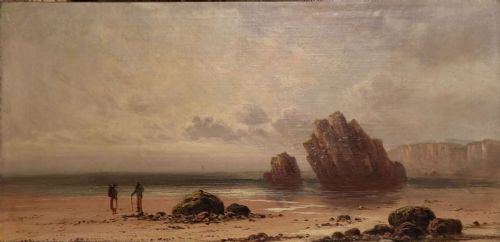
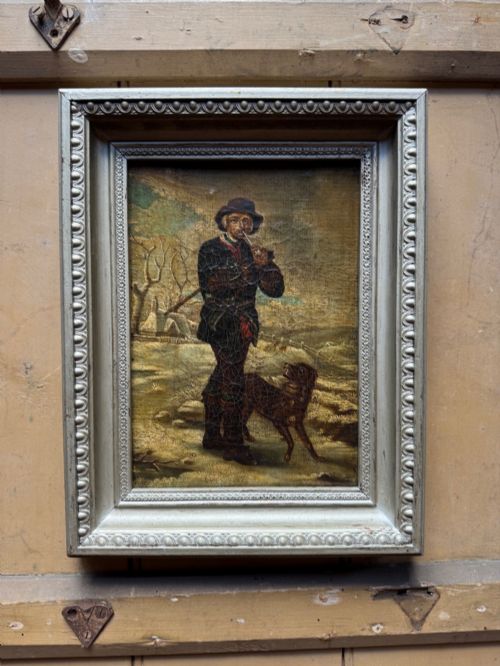
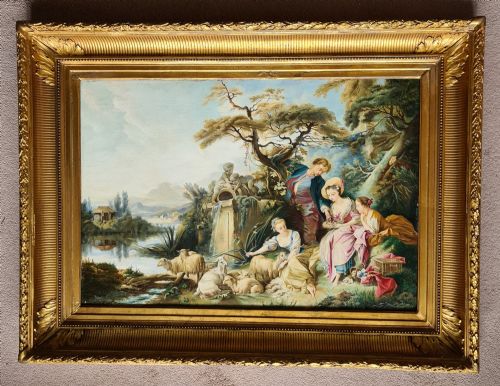
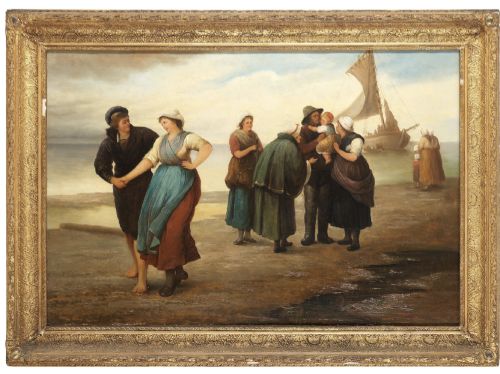
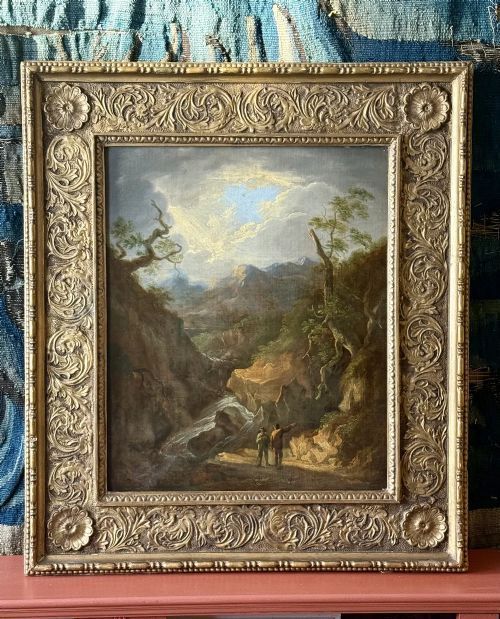
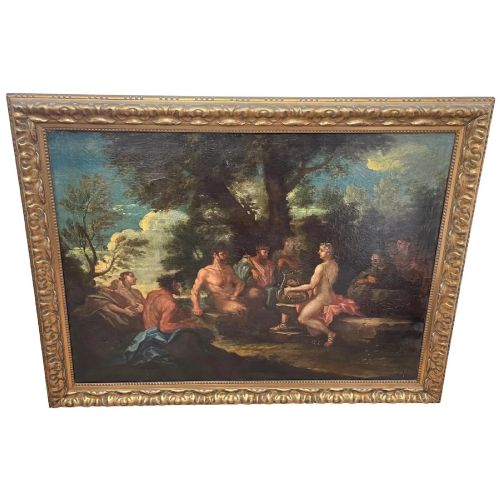
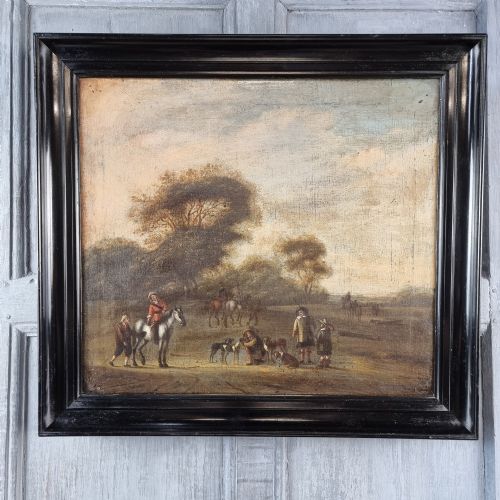
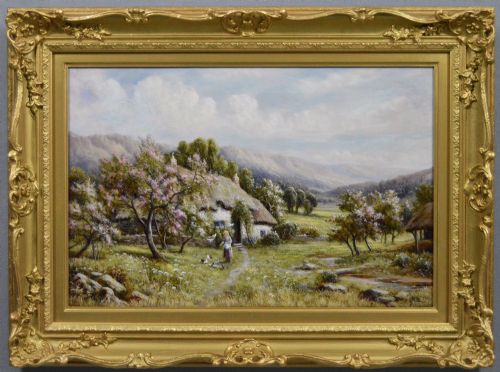
These curated examples of a figure in landscape painting capture daily life, mythology and pastoral scenes across centuries of European and British art.
Figure in Landscape Painting
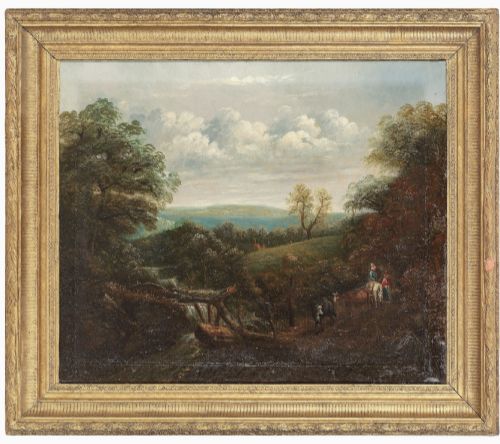
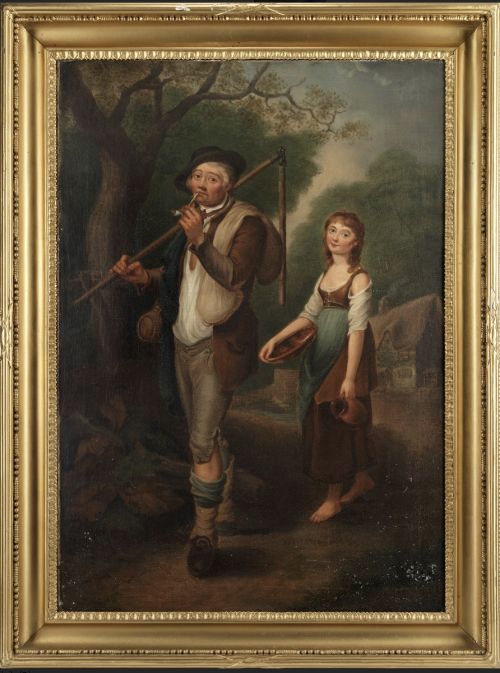
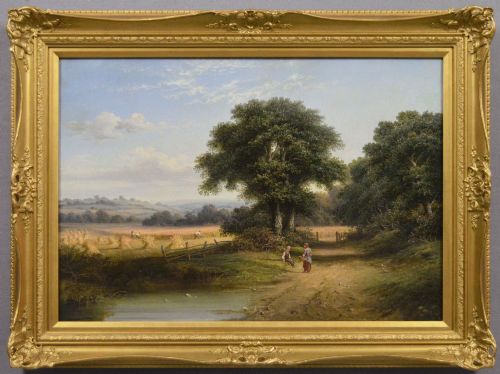
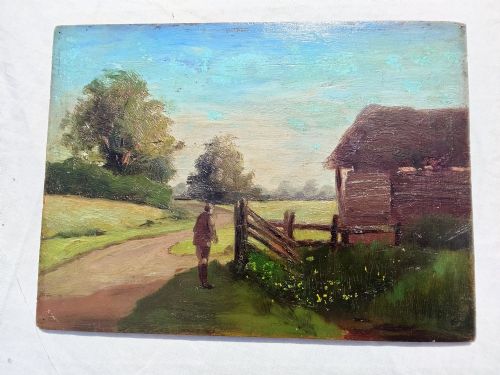
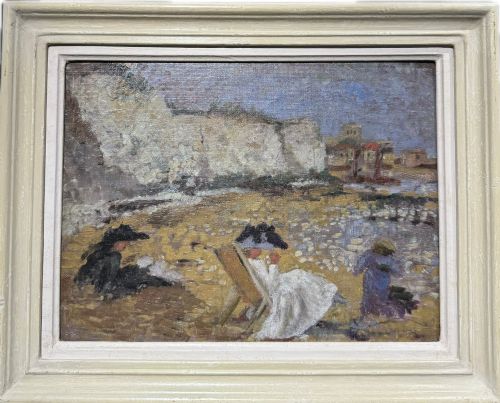
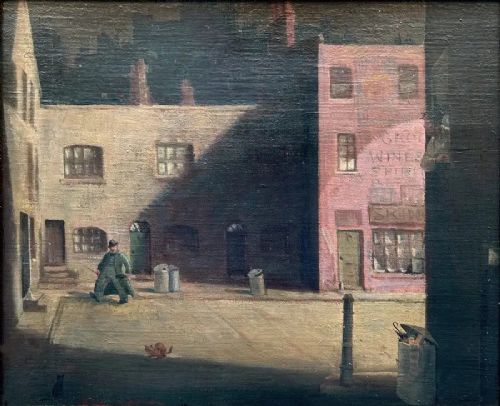
A figure in landscape painting places human subjects within expansive natural, coastal or pastoral settings, shifting the primary focus between the environment and the people inhabiting it. Collectors encounter works spanning from seventeenth-century Dutch and Italian compositions to nineteenth-century British school oils and twentieth-century impressionist watercolours.
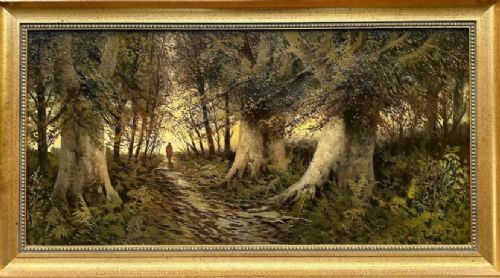
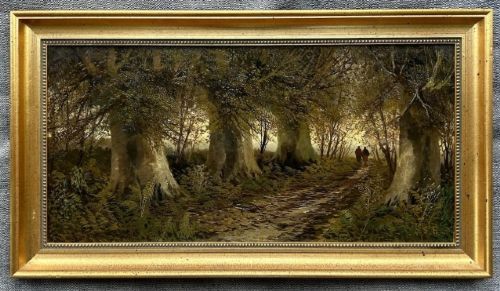
The scale of the human subject varies significantly across these canvases and panels, ranging from prominent portraits and intimate conversational groups to diminutive travellers traversing vast mountainous terrain or rural paths. Pastoral scenes, coastal views and mythological narratives dominate the available selections on this page.
Works originate from diverse regional schools including English, French, Italian, and Belgian traditions, reflecting changing aesthetic priorities from the golden age through to post-impressionism. Buyers select these framed artworks to bring historical narrative and atmospheric depth into domestic interiors.
How They Were Made
Artists primarily applied oil paint onto stretched canvas, wooden panels or wooden boards, building rich textures and subtle tonal gradations to render light upon figures and foliage. Watercolour and mixed media on paper also appear frequently, particularly within nineteenth-century British and continental works.
What Varies in Quality
The refinement of brushwork and the handling of atmospheric light determine the visual success of a composition, separating mechanical studio copies from masterly observational studies. Superior paintings integrate the human subject harmoniously with the surrounding landscape rather than placing figures as isolated additions.
The integrity of the original surface and the survival of period framing contribute significantly to the standing of an artwork. Works retaining their initial pigment depth and authentic maker inscriptions command greater attention among serious collectors.
Thomas W Lascelles·Benjamin Barker Of Bath·Thomas Baker Of Leamington·Cornelis Van Poelenburgh·Henry H Parker
The Figure in Landscape Painting Glossary
- Oil on Canvas
- Pigment suspended in drying oil applied to a woven fabric support. This traditional medium allows for smooth blending and rich impasto textures.
- Giltwood
- Wood carved and coated with a thin layer of gold leaf or metallic powder. It provides a luminous decorative border for historical paintings.
- Gesso
- A white paint mixture consisting of a binder mixed with chalk, gypsum or pigment. It prepares rigid wooden panels or canvas surfaces before painting.
- Pastoral
- A genre of art depicting rural life and idealized country landscapes. These scenes often feature shepherds, cottages and quiet waterways.
- School
- A group of artists associated with a particular region, period or master. This term helps identify shared stylistic traits across regional outputs.
Figure in Landscape Painting: Frequently Asked Questions
What defines a landscape with figures?
This category encompasses artworks where human subjects share equal or secondary prominence with natural scenery, such as forests, rivers and coastal views. The figures provide a sense of scale and narrative context within the broader environment.
Such compositions range from detailed nineteenth-century genre scenes of rural workers to eighteenth-century classical landscapes incorporating mythological characters.
How do I identify the period of an oil painting?
Dating relies upon examining the canvas preparation, stretcher construction, pigment types and stylistic conventions characteristic of specific centuries. Historical framing styles also offer reliable clues to the era in which the artwork was created or exhibited.
Signatures, dealer labels and exhibition stamps on the reverse provide further documentary evidence for precise attribution.
Where should I hang these framed artworks?
These paintings suit traditional reception rooms, studies and hallways where controlled lighting enhances the subtle tones of oil and watercolour. Placing works away from direct sunlight and excessive moisture preserves the integrity of the canvas and gilt frame.
Pairing pieces with period furniture or neutral walls allows the atmospheric depth of the landscape to anchor the interior space.
What is the difference between oil and watercolour?
Oil paint utilises a slow-drying oil binder that permits extensive blending, layering and rich surface texture over canvas or wood panels. Watercolour employs water-soluble pigment on paper, producing translucent washes and lighter, luminous effects.
Watercolours typically require protective glass framing, whereas oil paintings on canvas remain open to the air.