





British Impressionist Landscape Art
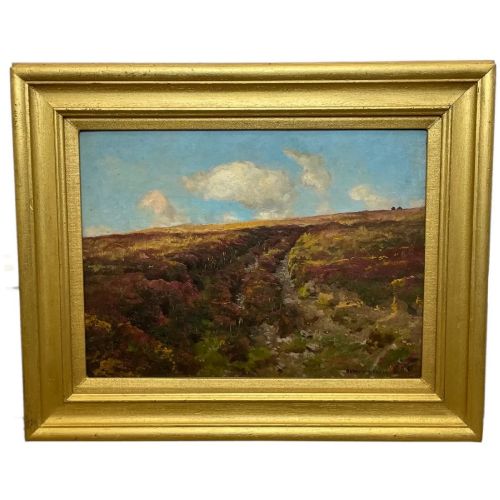
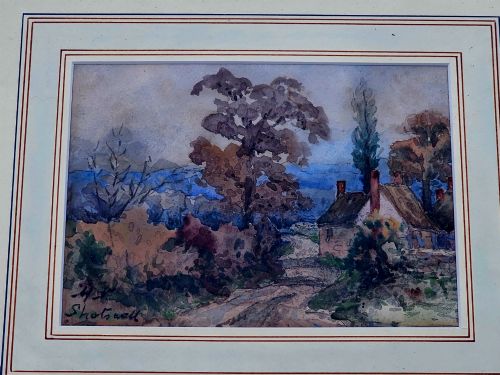
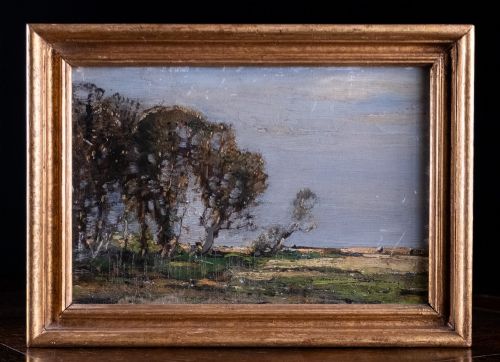
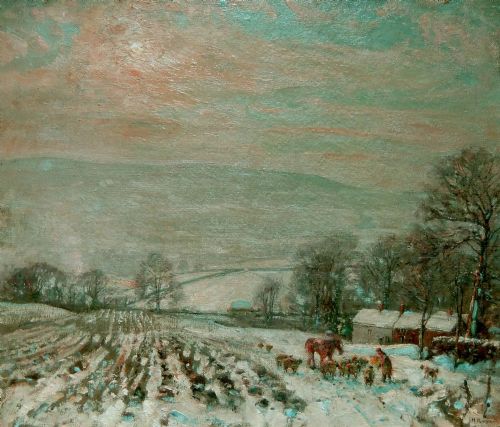
British impressionist landscape art captures the changing light of the countryside and coast through confident brushwork.
British Impressionist Landscape Art
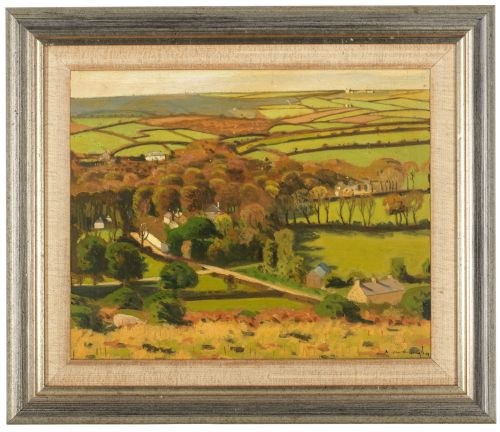
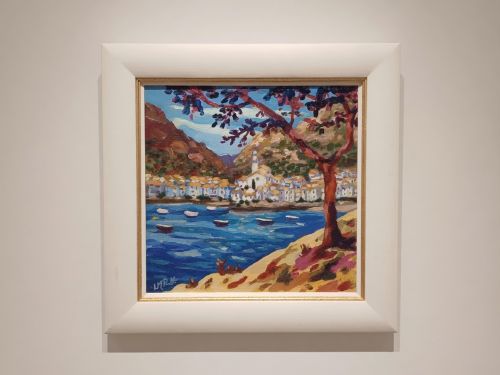
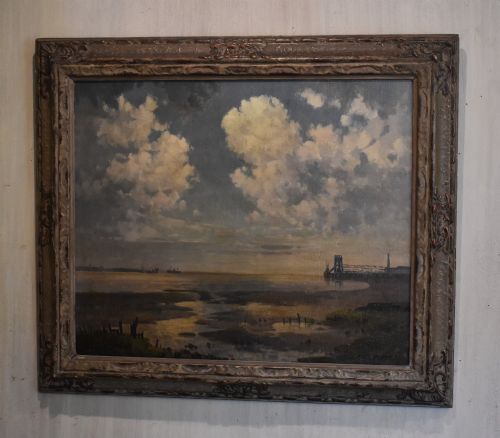
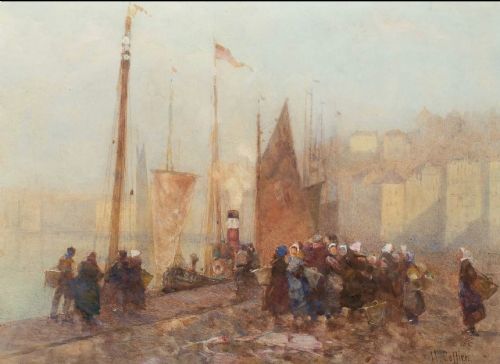
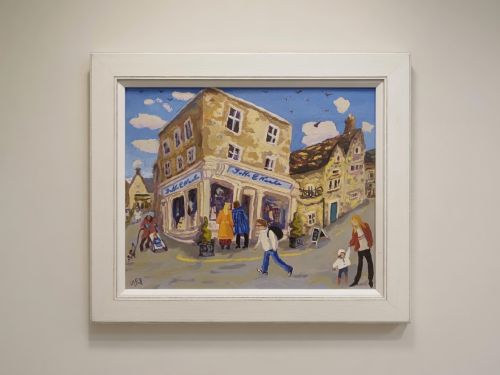
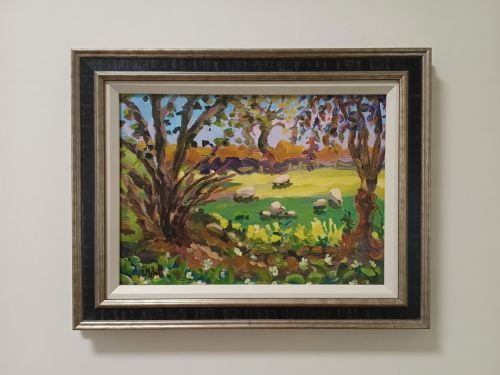
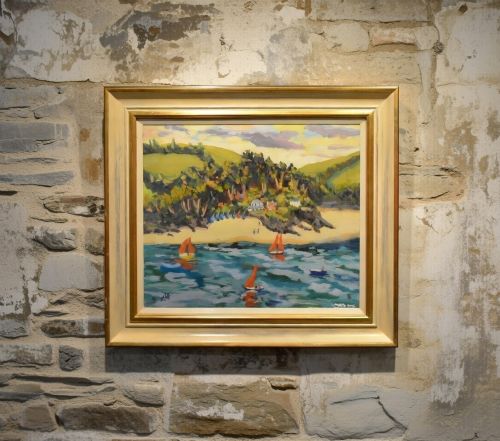
When you search for british impressionist landscape art, you encounter oil paintings, watercolours, and pastels that record rural views, coastal scenes, and urban spots. These works span from the nineteenth century through the twentieth century, reflecting a shift towards looser, more expressive handling of everyday subjects.
You are most likely to meet pieces executed on canvas, wood panel, or paper, often completed en plein air. The subjects range from Yorkshire valleys and Cornish harbours to gardens in Rome and London street scenes, mapping the topographical interests of British painters during this period.
Materials and Methods
Artists relied primarily on oil paint applied to canvas, wood panel, or board, building texture through impasto strokes and visible layering. Watercolour and pastel on paper served as key mediums for lighter, more immediate impressions of weather and light.
Working en plein air dictated the physical scale and speed of execution, allowing painters to capture transient atmospheric conditions directly from nature without the need for elaborate studio elaboration.
Judging Quality and Execution
Quality rests upon the sureness of the mark-making and the control of tone rather than the finish or the complexity of the subject. Stronger pieces demonstrate a confident command over pigment, where light and space are rendered with economy and clarity.
Compositional balance distinguishes the work of established painters from student exercises or weaker regional examples. A successful piece maintains structural integrity beneath its loose brushwork, anchoring the ephemeral effects of weather and season within a coherent visual space.
Clifford Hanney·Arthur Wardle·Kershaw Schofield·Herbert Royle·Robert Morson Hughes·Lucy Pratt·Alfred Wolmark·Ernest Higgins Rigg·John Hodgson Lobley·Sir Alfred East·Donald McIntyre·Hubert Wellington
The British Impressionist Landscape Art Glossary
- Impasto
- Paint applied thickly to a canvas or panel, leaving the marks of the brush or palette knife visible upon the surface. This technique adds literal texture and catches the light to enhance the illusion of depth.
- En plein air
- The practice of painting outdoors directly in front of the subject to capture the actual light and atmosphere of a specific moment. This approach defined much of the spontaneous character seen in modern landscape painting.
- Watercolour
- A medium consisting of pigment suspended in a water-based solution, typically applied to paper for transparent washes of colour. It allows for rapid notation of shifting weather and coastal light.
- Provenance
- The documented history of ownership associated with a work of art, tracing its passage from the artist's studio onwards. Clear documentation helps verify attribution and authenticity.
British Impressionist Landscape Art: Frequently Asked Questions
What defines british impressionist landscape art?
These works combine traditional British landscape subjects with the loose brushwork and direct observation characteristic of the impressionist movement. Painters focused on local topography, weather effects, and everyday rural or coastal views.
Unlike French counterparts, British artists often retained a stronger connection to tonal harmony and familiar countryside scenery while adopting modern techniques of paint application.
How do I identify the date of a painting?
Dating relies on stylistic clues, framing, artist biographical details, and signatures or inscriptions left on the reverse of the canvas or panel. Twentieth-century examples often display looser handling and brighter palettes compared to nineteenth-century works.
Examining the materials, such as the type of stretcher or board used, also helps narrow down the period of production.
Where were these landscape scenes usually painted?
Artists travelled extensively across rural Britain, capturing locations in Yorkshire, Cornwall, Wales, and the Home Counties. Coastal harbours, river valleys, and agricultural fields provided favoured motifs for painters working outdoors.
Some artists also travelled abroad to Italy or France, producing views of Mediterranean gardens and urban landmarks while retaining a distinctively British sensibility.
How should I care for an oil painting on wood panel?
Protect wood panels from extreme fluctuations in temperature and humidity, which can cause the wooden support to warp or crack over time. Hang the artwork away from direct sunlight and heat sources to preserve the integrity of the paint layer.
Keep the surface free of dust using a soft, dry brush, avoiding any liquids or chemical cleaners that might damage the impasto or varnish.