

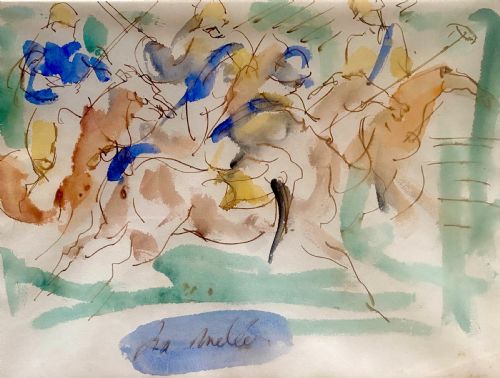


Ochre Watercolour Painting
An ochre watercolour painting captures light and earth through delicate pigment on paper, prized by collectors for its warm, tonal atmosphere.
What these pieces are
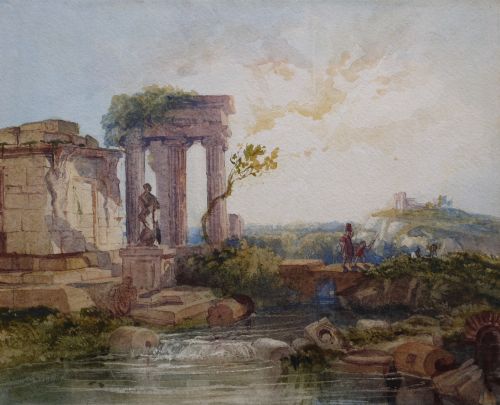
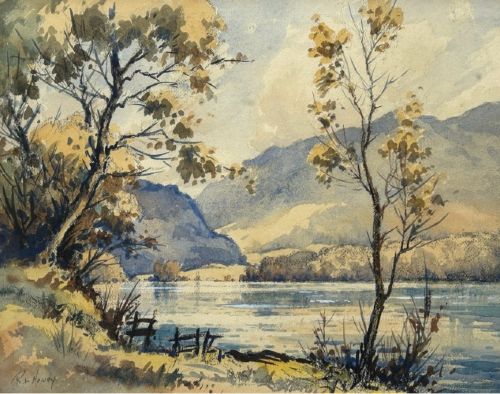
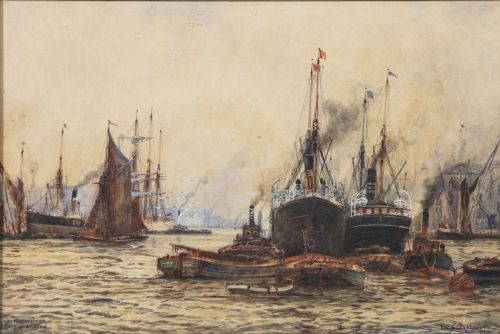
An ochre watercolour painting brings together works executed across the late nineteenth and twentieth centuries, spanning periods such as Late Victorian, Edwardian, and mid-century British art. These pieces typically take the form of framed paintings and townscapes, capturing landscapes, architectural studies, and still lifes.
The selections encountered here reflect diverse movements including British Impressionism, Modern British, and the Grand Tour tradition. Subjects range from continental street scenes in Venice and Brittany to domestic flower arrangements and classical antiquities in Pompeii.
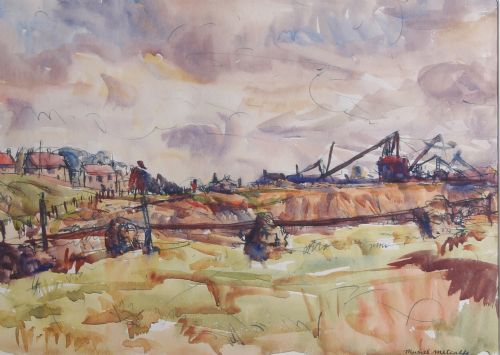
Works from the early decades showcase traditional topographical and Impressionist sensibilities, while mid-century examples lean towards Modern British abstraction and form. Each piece employs watercolour pigment on paper, often preserved beneath glass within wooden frames.
How they were made
These works are created using water-soluble pigments applied to paper surfaces, frequently accompanied by ink details to define structure and form. The handling of watercolour relies on the transparency of the pigment and the luminosity of the underlying paper.
Framing materials commonly involve wood and glass to protect the delicate paper works from environmental moisture and physical damage. The combination of pigment, paper, ink, and protective framing forms the standard construction of these paintings.
Retail Price Guide 2026
Typical UK retail prices for ochre watercolour painting, calculated from the Sellingantiques database of over a million retail prices indexed since 2003. This retail price guide relies exclusively on Sellingantiques data; no external sources or auction records are used, so the figures do not describe the wider market.
One wartime painting depicts fruit and flowers, proving that even a shortage of supplies cannot stop an artist from painting lunch.
What varies in quality
Quality rests upon the confidence of the brushwork and the artist's command of tone, particularly in how the warm ochre palette creates depth and illumination. Stronger examples demonstrate assured spatial awareness and atmospheric presence.
Condition and preservation also define the standing of a piece, especially regarding the stability of the paper and the vibrancy of the watercolour pigment over time. Original framing and provenance further distinguish the finest examples.
George Graham·Clara Montalba·Joseph W Milliken·Elisabeth Frink·James Tower·Earl Haig
The Ochre Watercolour Painting Glossary
- Watercolour
- A painting method in which the paints are made of pigments suspended in a water-based solution. It relies on translucent washes to create light and shadow.
- Grand Tour
- A traditional trip of Europe undertaken by upper-class European young men of sufficient means. Paintings from this context often depict classical ruins and Italian architecture.
- Modern British
- An umbrella term for art produced in Britain during the twentieth century that engaged with European modernist developments. These works often simplify forms and emphasise structural composition.
- Townscape
- A painting or drawing depicting a urban scene or city view. These works focus on architectural elements and street life.
- Pigment
- The natural or synthetic coloured material used to make watercolour paint. Earth pigments provide the characteristic ochre tones seen in these works.
Frequently Asked Questions
What is an ochre watercolour painting?
These works are original paintings executed on paper using water-based pigments dominated by warm, earthy yellow and brown tones. They encompass various subjects including landscapes, townscapes, and still lifes.
The pieces range from late nineteenth-century Grand Tour watercolours to mid-century Modern British compositions, each reflecting the stylistic approach of its period.
How should I display watercolour art?
Watercolour paintings require careful placement away from direct, strong sunlight to prevent the pigments and paper from fading over time. Maintaining a stable indoor climate helps preserve the paper and the surrounding wooden frame.
Most pieces are protected behind glass, which shields the delicate surface from dust and atmospheric pollutants while displayed on interior walls.
How do I identify the period of a painting?
Dating relies on stylistic clues, subject matter, and the handling of the watercolour medium, which shifted from detailed topographical recording towards more expressive forms across the decades. Signatures, inscriptions, and framing materials also offer contextual clues.
The featured works span distinct eras from the late Victorian period through to the middle of the twentieth century.
What subjects are most common?
Common subjects include topographical views of towns and historical sites, architectural studies from travels abroad, and domestic still life arrangements. Artists often recorded specific locations such as Venice, Pompeii, and regional British landscapes.
These varied subjects reflect the changing artistic interests of painters working within British Impressionist and Modern British traditions.