




Antique Impressionist Wall Painting
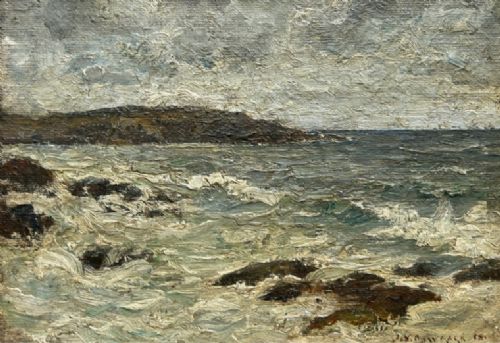
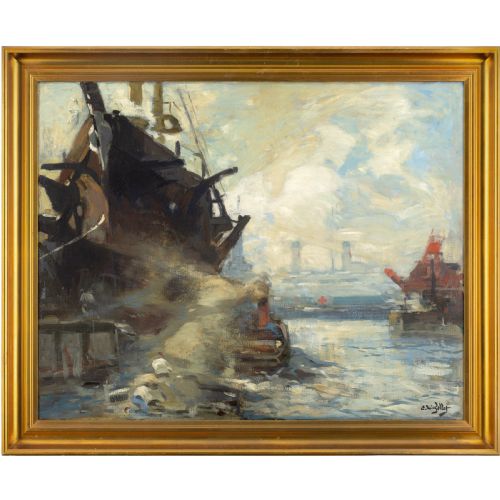
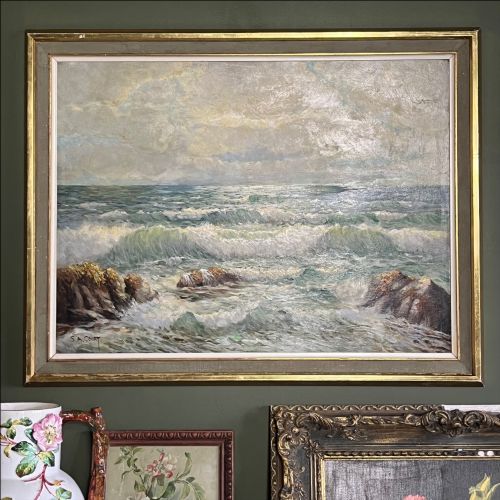
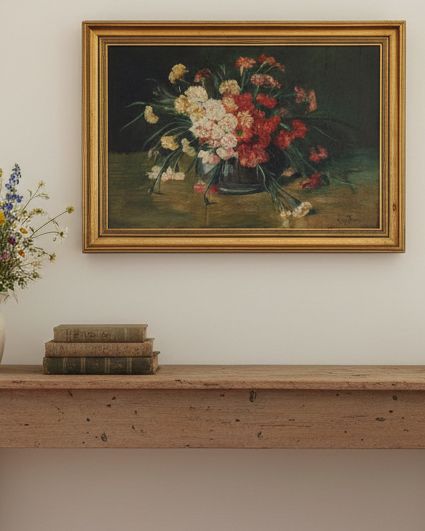
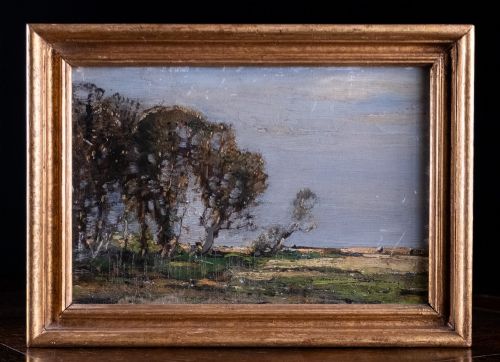
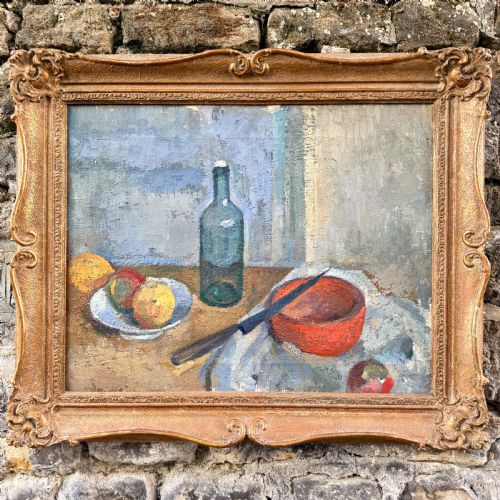
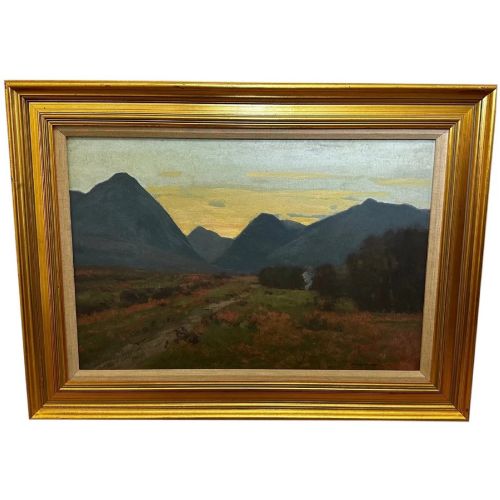
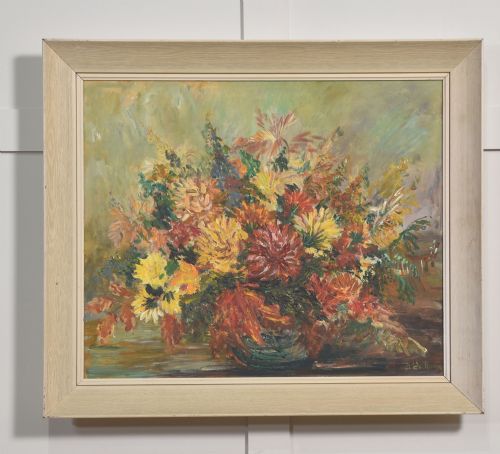
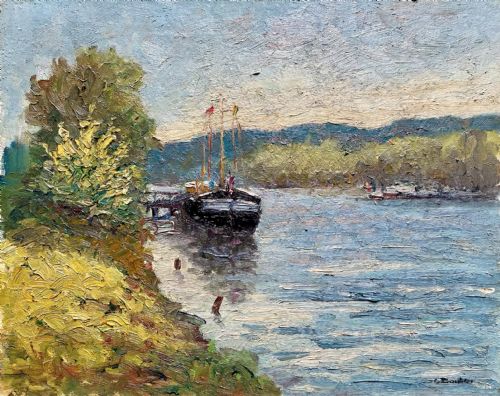
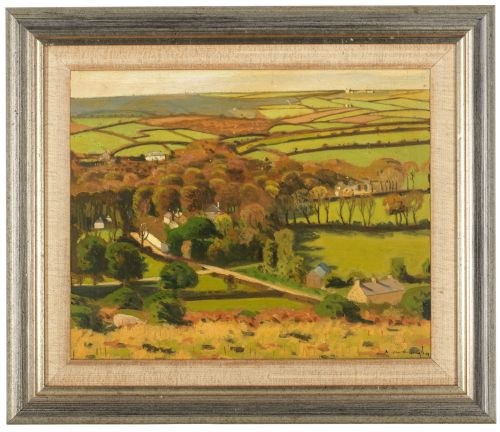
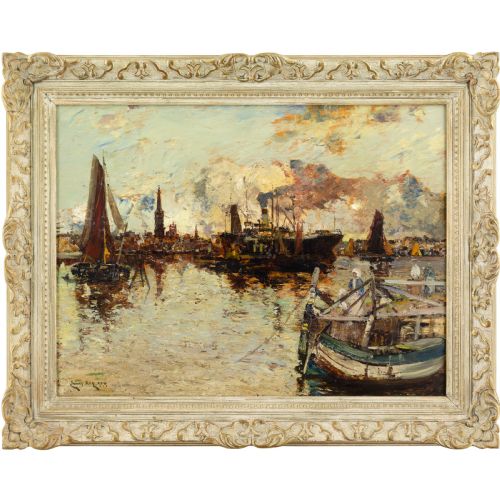
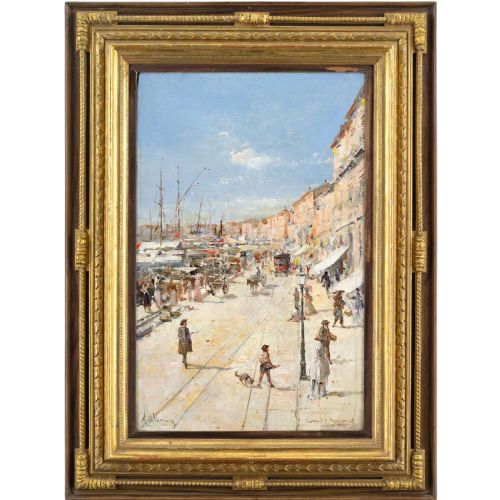
These antique impressionist wall painting works capture fleeting light and atmosphere across landscapes, still lifes, and coastal scenes.
Antique Impressionist Wall Painting
An antique impressionist wall painting brings domestic interiors the loose brushwork and vibrant colour palettes characteristic of late nineteenth and early twentieth century artistic movements. The examples on this page span from the late nineteenth century through the Edwardian period and into the nineteen-fifties, encompassing British, French, Belgian, and Dutch regional schools. Buyers encounter mediums ranging from traditional oil on canvas and oil on board to watercolours housed within decorative frames.
Subjects vary widely, covering tranquil rural riversides, bustling continental street scenes, floral still lifes, and coastal harbours. Works by named artists sit alongside pieces produced by regional schools and unsigned hands, reflecting the broad reach of impressionism among painters of the era. Whether selecting a small watercolour study or a large oil painting, collectors acquire a tangible record of historical light and place.
How they were made
Artists painted primarily with oil paint or watercolour applied to canvas, wood panels, board, or paper supports. Impasto techniques appear frequently, where thick layers of pigment build physical texture and catch ambient light on the surface of the canvas.
Many works retain their period frames constructed from wood with applied gesso and gilt finishes. These frames range from simple mouldings to ornate carved surrounds that complement the loose brushwork of the canvases within.
Paintings occasionally retain old exhibition labels tucked behind the frame, hinting at past gallery outings.
What varies in quality
Quality rests upon the confidence of the brushstroke, the handling of light, and the overall compositional balance achieved by the painter. Stronger works demonstrate a deliberate command of tone and colour harmony that brings depth to landscapes and interiors alike.
The harmony between the painting and its period frame also influences the overall integrity of the piece. Original gilt wood and gesso frames that retain their surface integrity contribute significantly to the visual weight of the artwork.
Eugène-Louis Gillot·Kershaw Schofield·George Houston·Herbert Royle·James Kay·Augusto Alberici·Gabriel Mathieu·Charles Houben·Konstantin Stoitzner·Charles Stuart Forbes·Alfred Wolmark·Eric Brown·Willem Bos·Henri Ottmann·Ernest Higgins Rigg·Harry Kluge·Sir Alfred East·Cecil Allan Mould·Maud Raphael Jones·Henry Yeen King·Thomas Hodgson Liddell·Florence Adelina Hess·William Watt Milne
The Antique Impressionist Wall Painting Glossary
- Impasto
- Paint applied thickly to a canvas or panel, leaving visible brush or palette knife marks that stand proud of the surface.
- Gesso
- A plaster mixture applied to wooden frames as a base for gilding and ornamentation.
- Gilt
- A thin layer of gold leaf or gold paint applied to the surface of a wooden frame.
- Watercolour
- A paint consisting of pigment suspended in a water-based solution, typically worked on paper.
Antique Impressionist Wall Painting: Frequently Asked Questions
How do I date an antique impressionist painting?
Dating relies upon stylistic markers, artist signatures, framing materials, and inscriptions left on the reverse of the canvas or panel. Examining the stretchers and canvas weave provides further context for the period of execution.
Comparison with documented works by the same artist or regional school helps narrow the timeframe to decades such as the Edwardian era or the nineteen-twenties.
Where should I hang an oil painting?
Oil paintings require placement away from direct sunlight and excessive humidity to protect both the canvas and the traditional gilt frame. Stable indoor wall conditions prevent warping of wooden panels and cracking of the paint surface.
Selecting a wall with balanced ambient light allows the impasto texture and colour tones to read clearly without glare.
What is the difference between oil on canvas and oil on board?
Oil on canvas involves stretched fabric fixed to a wooden frame, offering slight give and a textured weave beneath the pigment. Oil on board utilises a rigid wooden or composition support that provides a completely flat working surface.
Both supports were common during the late nineteenth and early twentieth centuries depending on whether the artist worked in the studio or outdoors.
Are period frames important for these artworks?
Period frames provide historical context and aesthetic balance, often sharing the exact age of the painting they enclose. Original gilt wood and gesso mouldings complete the presentation intended by the artist or contemporary dealers.
While paintings can be reframed, those retaining their original nineteenth or early twentieth century surrounds hold particular appeal for collectors.