


Fairyland Lustre Porcelain
Fairyland lustre porcelain brings extraordinary colour and mythological fantasy into a room through intricate, glazed ceramic designs.
Fairyland Lustre Porcelain
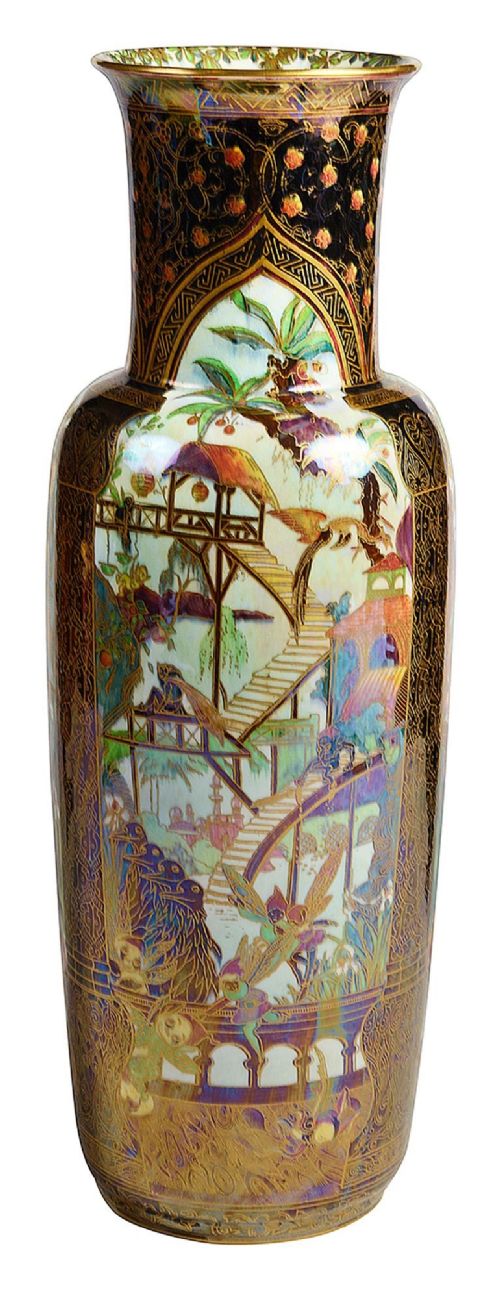
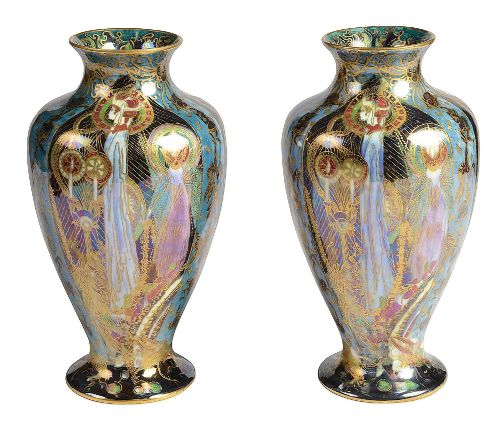
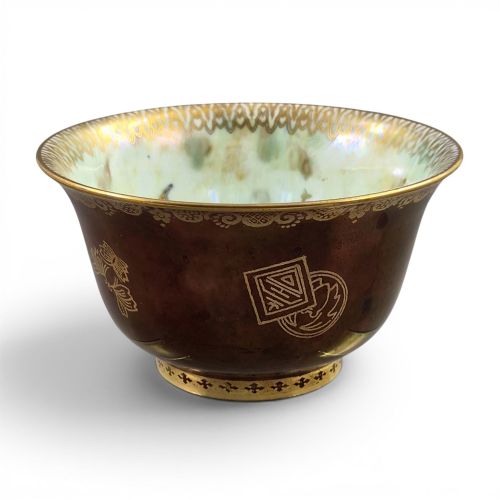
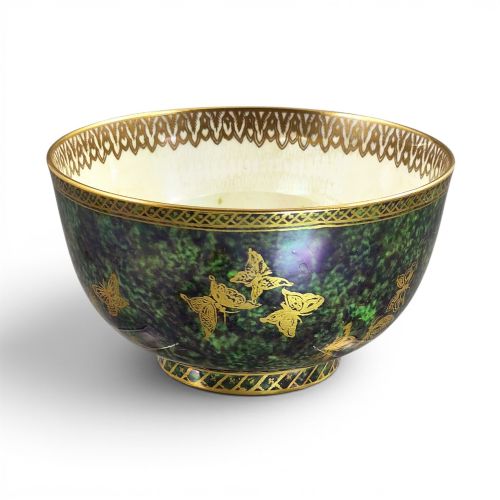
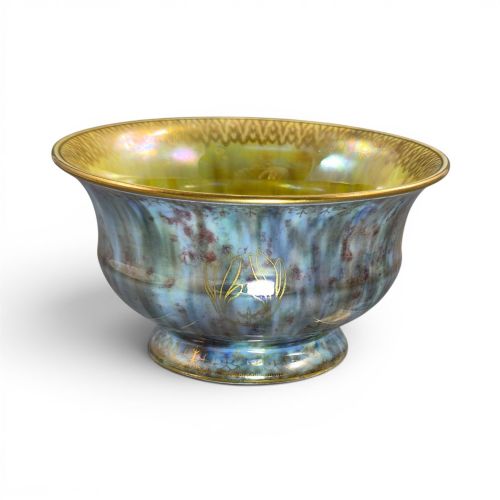
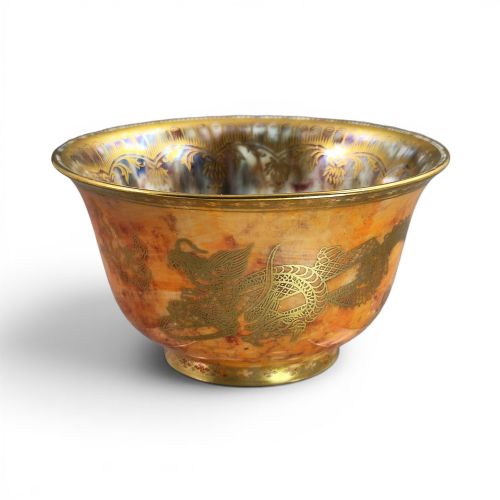
When you search for fairyland lustre porcelain, you encounter fantastical ceramic pieces originating primarily from the Edwardian period and the decades immediately following. The forms appearing most frequently comprise decorative bowls, baluster vases, and miniature cups shaped in rounded or octagonal silhouettes.
These vessels showcase elaborate fantasy scenes populated by dragons, fairies, butterflies, and phoenix motifs. Collectors regularly find works bearing specific pattern numbers such as Z4828, Z4832, and Z4920, reflecting distinct artistic designs from the era.
Materials and production
The making of these ceramics relies on a combination of porcelain or bone china bodies finished with specialised lustre glazes that react during firing to produce iridescent sheens. Artisans apply meticulous layers of enamel and hand-painted details across the surface of each piece.
Makers enhance these complex imagery layers through the strategic addition of gold leaf, gilt, and gold gilding. This metallic detailing illuminates the mythical creatures and fantastical landscapes embedded within the glaze.
Every miniature cup and dragon bowl carries a tiny secret world of mischievous fairies hiding behind gilded brushstrokes.
Quality differences
The distinction between tiers rests upon the complexity and density of the narrative design rendered across the porcelain surface. Pieces featuring multi-tiered mythical scenes like Candlemas or Celestial Dragon demand greater artistic execution than simpler geometric or monographic patterns.
Execution also depends on the depth and control of the iridescent lustre glaze and the precise application of gold leaf accents. Superior examples demonstrate vibrant colour saturation and crisp alignment between the transfer-printed outlines and hand-applied enamel highlights.
Wedgwood·Daisy Makeig Jones
The Fairyland Lustre Porcelain Glossary
- Lustre Glaze
- A type of metallic glaze applied to ceramics that produces an iridescent, reflective surface sheen when fired. This finish creates the signature glowing effect seen on fantasy-themed tableware and display vessels.
- Bone China
- A type of soft-paste porcelain composed of bone ash, feldspathic material, and kaolin. It provides a strong, translucent white body suitable for detailed hand-painting and gilding.
- Baluster Vase
- A tall vase form characterised by a rounded body that tapers toward the neck and stands on a broadened base. This shape offers a vertical canvas for narrative wrapping designs.
- Octagonal Bowl
- A vessel featuring eight distinct planar sides rather than a standard circular profile. These faceted bowls provide compartmentalized surfaces for distinct pictorial panels.
- Enamel
- Opaque vitreous composition fused to the surface of porcelain to add vibrant colour details over the base glaze. Artists use it for painting intricate figures and border motifs.
Fairyland Lustre Porcelain: Frequently Asked Questions
What periods do these pieces date from?
These ceramics date primarily from the early twentieth century, spanning the Edwardian era through the nineteen-twenties. Production aligns closely with Art Nouveau and Art Deco design movements.
Most surviving examples carry production dates around nineteen-fifteen to nineteen-twenty, reflecting the height of this decorative technique.
How should I display these ceramics?
Display these vessels in spaces with controlled ambient lighting to highlight the iridescent qualities of the lustre glaze and the metallic gold gilding. Placing them away from direct sunlight preserves the vibrancy of the hand-painted enamels.
Octagonal bowls and baluster vases work well on secure cabinet shelves or dedicated stands where viewers can examine the detailed imagery from multiple angles.
What motifs appear on the surfaces?
The surface designs feature fantastical subjects including fairies, goblins, and mythical creatures such as dragons, phoenixes, and goldfish. Abstract patterns like Diaper and Candlemas also appear.
Artists arranged these subjects into elaborate narrative scenes that wrap entirely around the exterior and interior of bowls and vases.
How do I identify specific pattern numbers?
Pattern numbers are often stamped or painted on the underside of the porcelain alongside maker marks. These alphanumeric codes, such as Z4823 or Z4920, correspond to specific design layouts.
Consulting design records helps match these numbers to particular narrative themes and production years.