





Ethnic Textile Tapestry
These ethnic textile tapestry pieces bring rich patterns and tribal heritage into modern rooms through authentic handwoven wall hangings and panels.
Ethnic Textile Tapestry
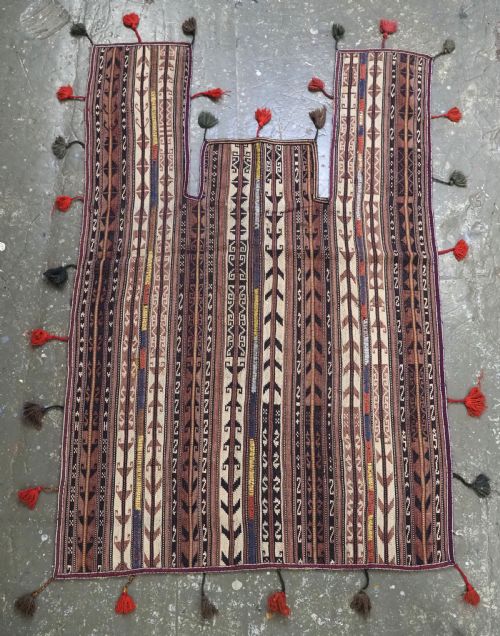
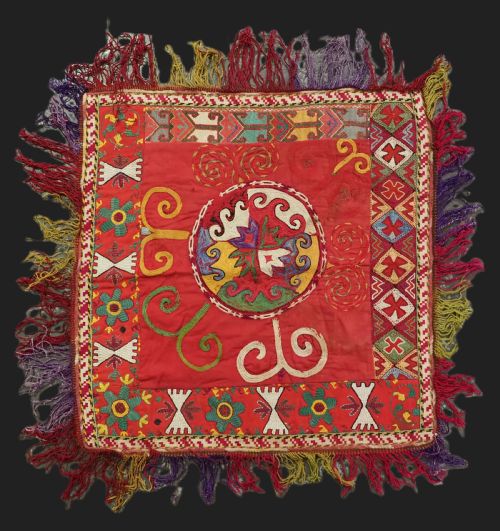
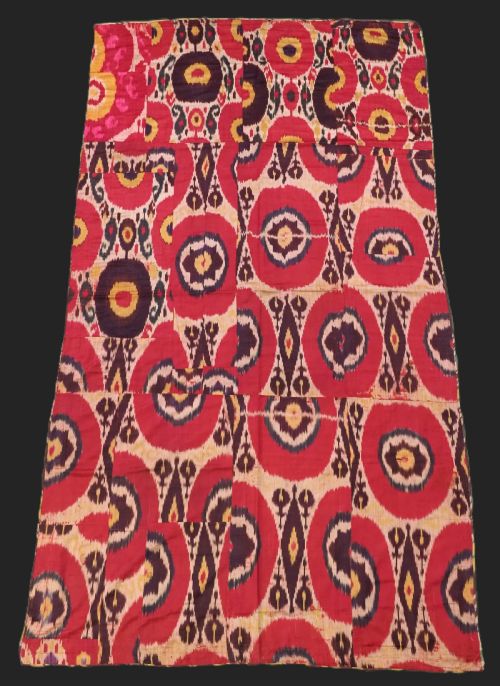
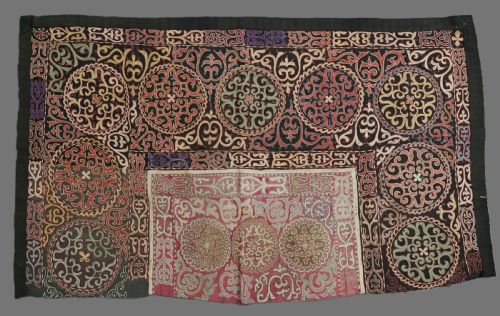
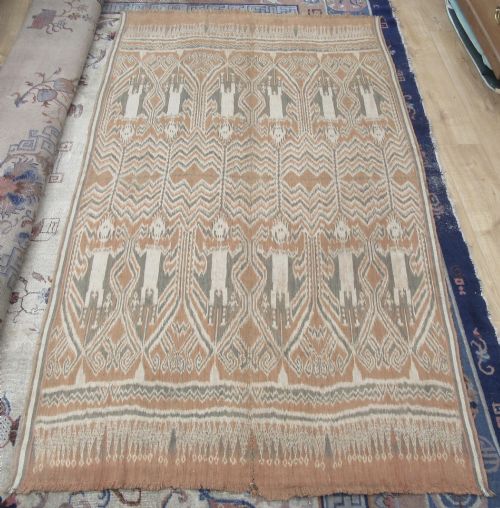
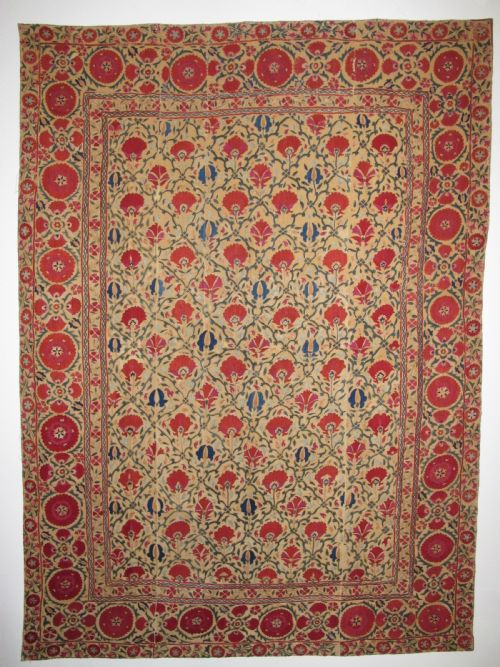
When you search for ethnic textile tapestry, you are looking at handwoven and embroidered wall hangings, panels, and rugs originating from Central Asian, Indonesian, and African tribal traditions. The selection on this page leans heavily toward Central Asian pieces, specifically Uzbek suzanis, ikat fabric panels, and tribal horse covers dating from the nineteenth and early twentieth centuries.
These textiles served ceremonial and domestic roles in their home cultures, functioning as dowry items, yurt decorations, and horse blankets before entering the antique market. Buyers generally encounter wall hangings designed to display bold geometric motifs, intricate silk embroidery, or striking ikat dye patterns.
What varies in quality
The density of the stitchwork and the complexity of the pattern define the upper tier of these textiles. Pieces executed with full work embroidery show superior dedication of labour compared to sparser designs.
Vibrancy and preservation of the original dyes distinguish finer examples, alongside the integrity of the base fabric. Age plays a role, with mid-nineteenth-century items holding distinct appeal over later twentieth-century material.
Current listings span from the mid-nineteenth century up to nineteen-forty, featuring cotton, silk, wool, and raffia materials.
The Ethnic Textile Tapestry Glossary
- Suzani
- An embroidered tribal textile from Uzbekistan, traditionally stitched in silk on a cotton foundation for dowry purposes. These large panels often display floral or geometric medallions.
- Ikat
- A dyeing technique where yarns are resist-dyed before weaving to create distinctive blurred pattern edges. Central Asian workshops produced striking fabric panels using this method.
- Kilim
- A flatwoven textile lacking a pile, produced across Central Asia. Kilims utilise slit-weave techniques to form sharp geometric designs.
- Tush kyiz
- Large, elaborately embroidered wall hangings made by Kyrgyz women to decorate the interior of a yurt. They commemorate important life events.
- Rafia
- A natural fibre derived from palm leaves, utilised in African textile traditions such as Kuba panel creation.
Ethnic Textile Tapestry: Frequently Asked Questions
How do I hang a heavy textile on the wall?
Mounting a heavy textile requires distributing the weight evenly across a custom wooden batten or padded dowel. Stitching a cotton sleeve to the top reverse edge allows the piece to slide onto the support without damaging the antique fibres.
Direct nailing or pinning through the fabric causes tearing and places undue stress on the threads. For extremely large panels, professional framing with conservation-grade materials offers optimal security.
Are these textiles fragile?
Antique textiles constructed from silk, cotton, and wool require careful handling due to their age. Natural fibres weaken over decades of exposure to light and atmospheric changes.
Displaying them away from direct sunlight and heavy foot traffic preserves the integrity of the embroidery and dyes. Gentle vacuuming through a mesh screen removes dust safely.
What is the difference between a suzani and an ikat?
A suzani is a needle-embroidered textile featuring hand-stitched motifs applied to a woven ground fabric. Artisans work with silk thread on cotton foundations to build rich floral and medallion layouts.
An ikat is patterned during the dyeing stage before the threads ever reach the loom. Bundles of yarn are tied and dyed repeatedly to form intricate patterns as the cloth is woven.
Can I use these items on the floor?
Most items listed as tapestries or wall hangings are unsuited for floor use due to delicate embroidery and lighter foundations. Ceremonial horse blankets and kilims handle light placement better than delicate silk suzanis.
Using fragile textiles as rugs accelerates wear on historic fibres. Wall display or placement on low-traffic surfaces protects the craftsmanship.
How do I identify a regional style?
Regional identification relies on recognising specific motifs, colour palettes, and stitch techniques associated with particular groups. Uzbek workshops in Shahrisabz or Tashkent utilised distinct floral arrangements and embroidery densities.
Comparing border designs and ground fabrics helps separate Central Asian tribal work from Indonesian or African pieces. Reference literature assists in pinpointing exact tribal origins.