


Uzbekistan Wall Hanging
An uzbekistan wall hanging brings vibrant Central Asian textile art, bold suzanis and tribal embroidery into modern interior spaces.
Uzbekistan Wall Hanging
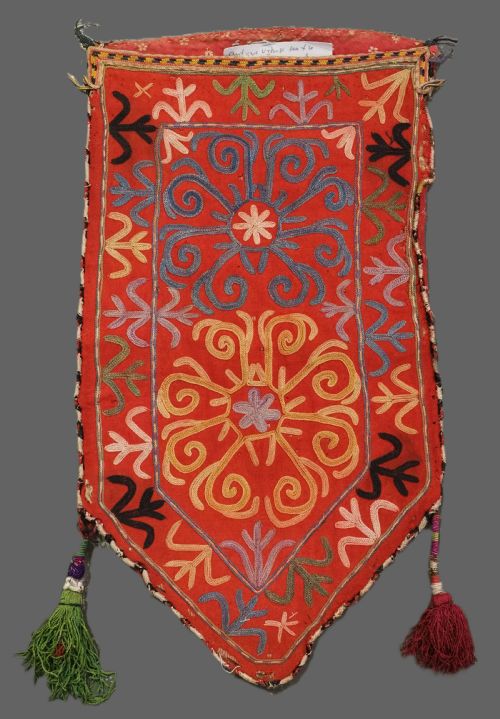
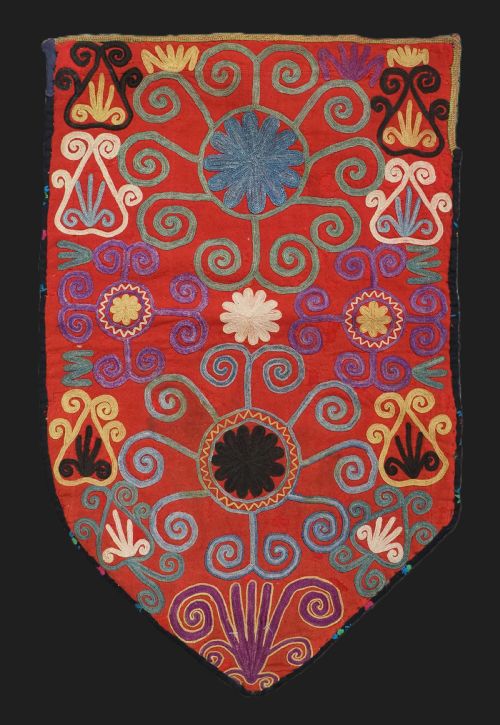
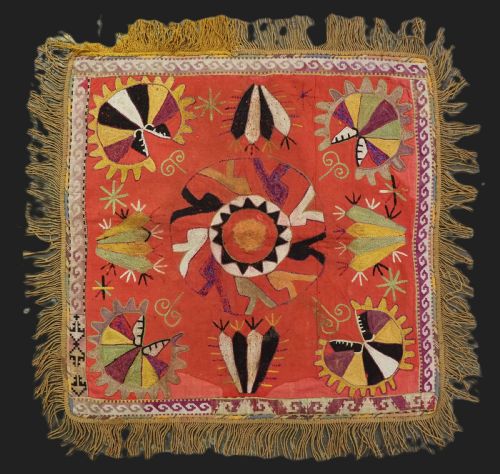
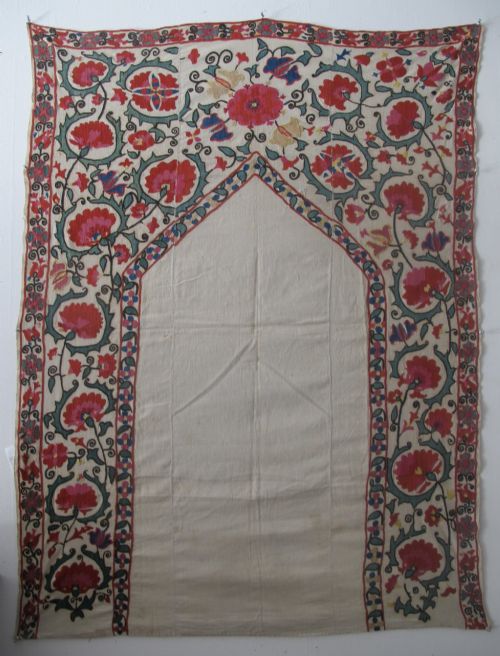
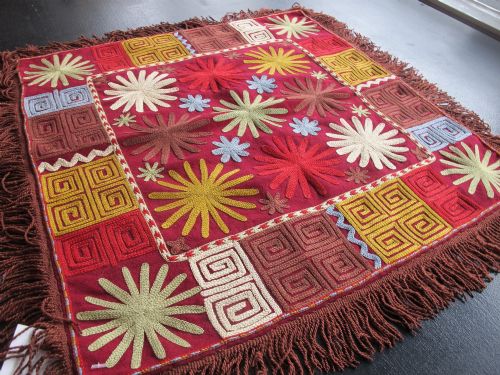
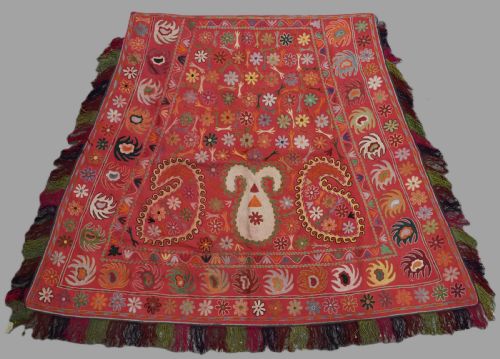
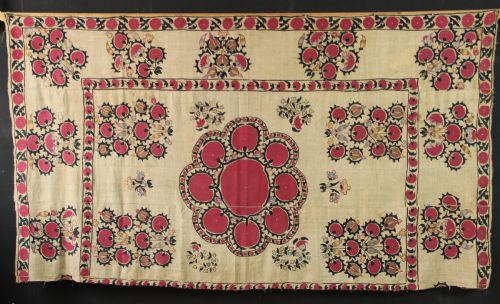
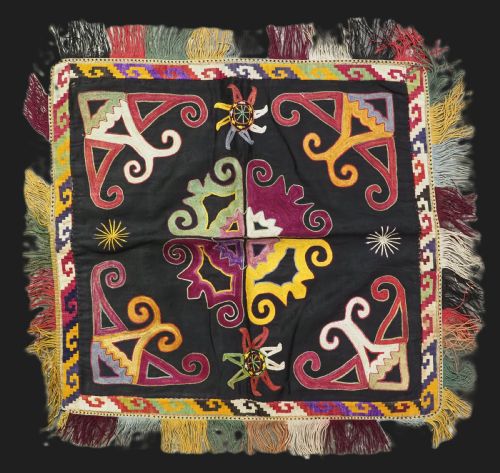
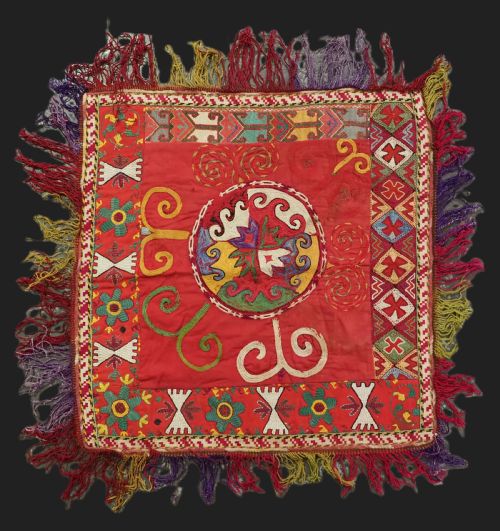
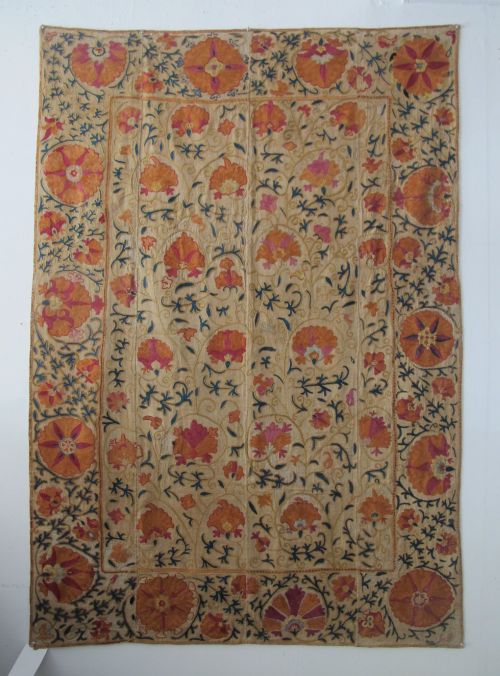
An uzbekistan wall hanging encompasses traditional Central Asian textiles, including large embroidered suzanis, smaller dowry ilgich pieces, and woven kilim panels originating from regions such as Bokhara, Shakrisabz, Nurata, Tashkent, and Ura Tube. These objects originate from nineteenth and early twentieth-century traditions, spanning periods from roughly eighteen-fifty to nineteen-twenty.
The most common examples on this page are suzanis and Lakai tribal embroideries originally created as ceremonial covers, dowry items, or household hangings. Buyers find prayer formats, architectural designs, and large silk ikat panels that reflect traditional Uzbek folk art and tribal craftsmanship.
Materials and construction
Artisans constructed these textiles using cotton, linen, or wool ground fabrics, stitched over with vibrant silk thread and silk embroidery. Many pieces, such as kilim panels, were assembled from multiple woven strips.
The embroidery techniques involve dense needlework executed on supportive cotton grounds, occasionally utilising yellow cotton foundations or specialised regional stitches to form elaborate floral, geometric, and architectural motifs.
Regional attributions in the inventory include Shakrisabz, Bokhara, Tashkent, Nurata, and Ura Tube.
Factors determining quality
Quality in an uzbekistan wall hanging rests upon the density of the needlework, often described as full work, alongside the complexity of the design and the preservation of the ground material. Pieces displaying intricate architectural layouts or fine Lakai tribal details command attention for their visual impact.
The vibrancy of the original silk threads and the clarity of regional design traditions, whether from Tashkent, Shakrisabz, or Bokhara, dictate the visual strength and authenticity of the textile art.
The Uzbekistan Wall Hanging Glossary
- Suzani
- A traditional embroidered textile from Central Asia, usually worked in silk on a cotton or linen ground. These large panels were traditionally made as part of a bride's dowry.
- Ilgich
- A specific form of Central Asian embroidery, often associated with the Lakai tribe, used for decorative wall hangings or dowry furnishings.
- Ikat
- A dyeing technique where warp or weft threads are tie-dyed before weaving to create characteristic blurred, feathered pattern edges in the finished panel.
- Kilim
- A flat-woven textile produced without a pile, frequently utilised for panels, covers, and tent bands in Central Asian households.
- Torba
- A small hanging bag or trapping produced by tribal groups, often heavily embroidered and featuring distinctive regional motifs.
Uzbekistan Wall Hanging: Frequently Asked Questions
How were suzanis originally used?
Suzanis served primarily as domestic furnishings and crucial components of a bride's dowry within Uzbek households. Families used them as decorative wall hangings, bed covers, and ceremonial textiles.
Certain specialised pieces, such as Lakai items, functioned as horse covers or saddle rugs during tribal ceremonies and processions.
How do I care for antique silk embroideries?
Protect antique silk textiles from direct, strong sunlight to prevent the natural dyes and silk threads from fading over time. Professional mounting onto a supportive backing helps distribute the weight evenly when hung on a wall.
Keep these organic materials away from high humidity and clean them only through specialist textile conservators when necessary.
How can I tell regions apart?
Regional styles appear through distinct colour palettes, ground fabrics, and motif arrangements unique to centres like Shakrisabz, Nurata, Bokhara, or Tashkent. For instance, some pieces feature yellow cotton grounds, while others display bold architectural or tribal Lakai designs.
Comparing the density of the silk embroidery and the geometry of the patterns helps identify the likely origin.