




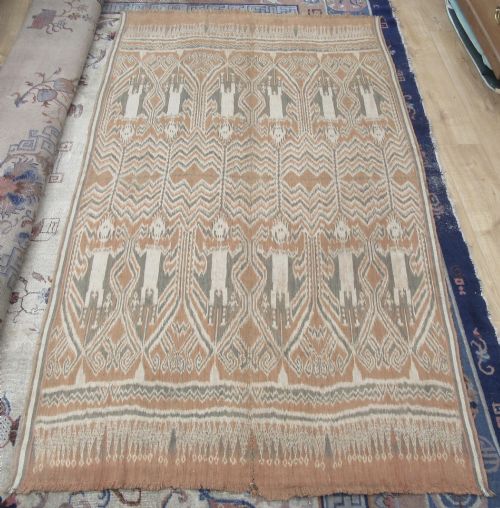

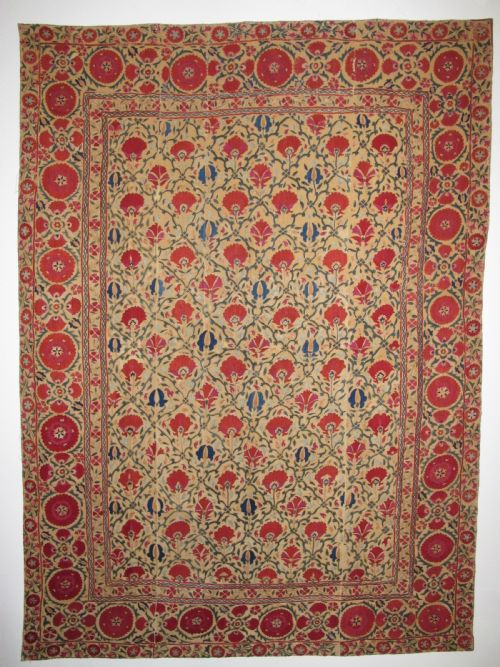
Ethnic Wall Tapestry
An ethnic wall tapestry brings rich texture and history to a room, offering striking textile art made by tribal and regional makers.
Ethnic Wall Tapestry
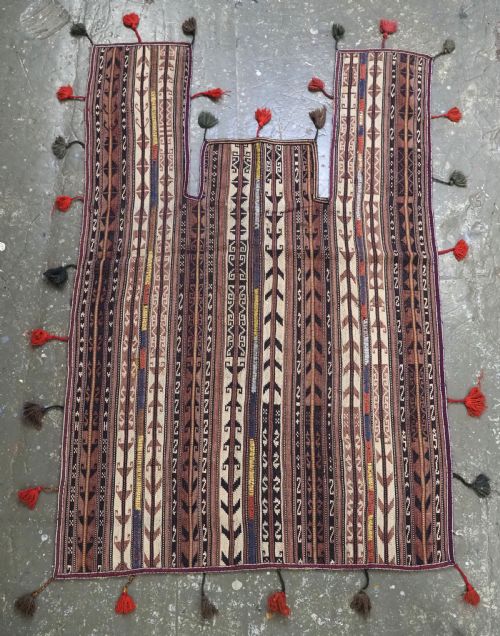
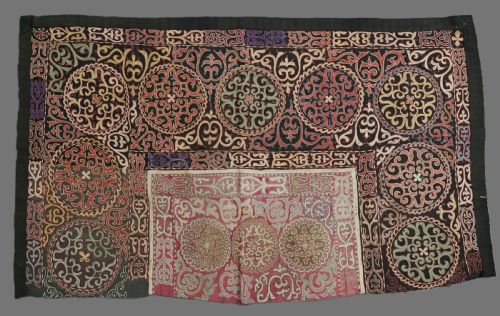
These textiles served ceremonial and domestic purposes in their original cultures, functioning as dowry pieces, horse blankets, tent bands, and prayer panels. Today, collectors display them on walls to bring graphic patterns and historical depth into modern interiors.
How they were made
The construction of these textiles relies heavily on natural materials, with silk and cotton forming the foundation of many Central Asian suzanis, ikat panels, and kilims. Artisans also utilised handspun cotton, wool, and raffia, occasionally incorporating glass and wood elements into specific regional pieces.
Techniques range from intricate silk embroidery on cotton grounds to resist-dyed ikat weaving and Kuba raffia work. These hand-worked methods resulted in durable panels designed for practical use within nomadic and settled communities alike.
The listings span cotton, silk, wool, handspun cotton, and raffia across Central Asian, Indonesian, and African traditions.
What varies in quality
Quality in these textiles depends on the intricacy of the handwork, the vibrancy and preservation of the dyes, and the overall density of the embroidery or weave. Full-work panels display a higher level of artisan dedication compared to more sparsely decorated examples.
The structural integrity of the base fabric and the clarity of the design motifs further distinguish finer examples. Pieces retaining strong original colours and comprehensive needlework hold greater visual presence.
The Ethnic Wall Tapestry Glossary
- Suzani
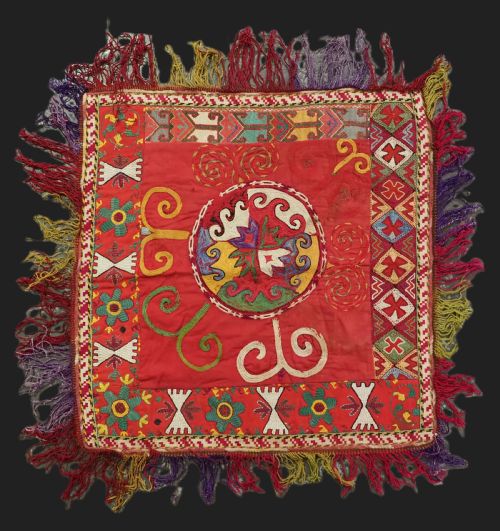
- An embroidered tribal textile originating from Central Asia, typically created with silk thread on a cotton ground. These panels often feature elaborate floral and geometric layouts.
- Ikat
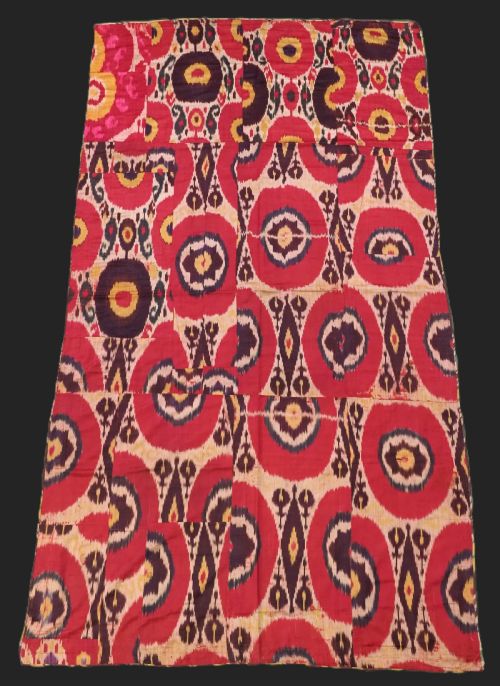
- A dyeing technique where yarns are pattern-dyed before being woven into fabric, producing characteristic feathered edges along the design motifs. This method appears frequently in panels from Central Asia and Indonesia.
- Kilim
- A flatwoven textile or carpet produced without a pile, utilised here in panel formats with bold graphic designs. These pieces showcase traditional weaving methods from Central Asian makers.
- Rafia tapestry
- A textile constructed from processed palm fibre, notably produced by Kuba artisans. These works employ geometric pile and embroidery techniques on a plant-fibre base.
Ethnic Wall Tapestry: Frequently Asked Questions
How do I hang a textile safely?
Mounting a textile requires distributing the weight evenly across the piece to prevent stress on the historic fibres and backing materials. Using a custom fabric sleeve or specialised archival clips ensures the panel hangs flat without sustaining damage.
Avoid direct exposure to strong sunlight, which can fade natural dyes over time. Rotating the hanging position periodically also helps maintain even exposure to ambient light.
What is a yurt band?
A yurt band is a long, narrow woven textile utilised structurally and decoratively within nomadic tent dwellings. These bands secured the lattice framework of traditional structures while displaying regional patterns.
In modern settings, shorter sections of these bands or complete panels serve as dramatic linear wall hangings. Their construction reflects the practical demands of nomadic life combined with traditional tribal artistry.
How do I date an antique textile?
Dating relies on examining the specific materials, dye types, and regional stylistic markers present in the weaving or embroidery. Natural dyes and handspun cotton foundations typically indicate pieces produced before the widespread adoption of synthetic alternatives in the twentieth century.
Comparing motif structures with documented examples from specific tribes provides further chronological context. Variations in regional techniques help narrow the period of origin.