


English Standing Clock
An english standing clock anchors a room with mechanical precision and centuries of cabinetmaking tradition.
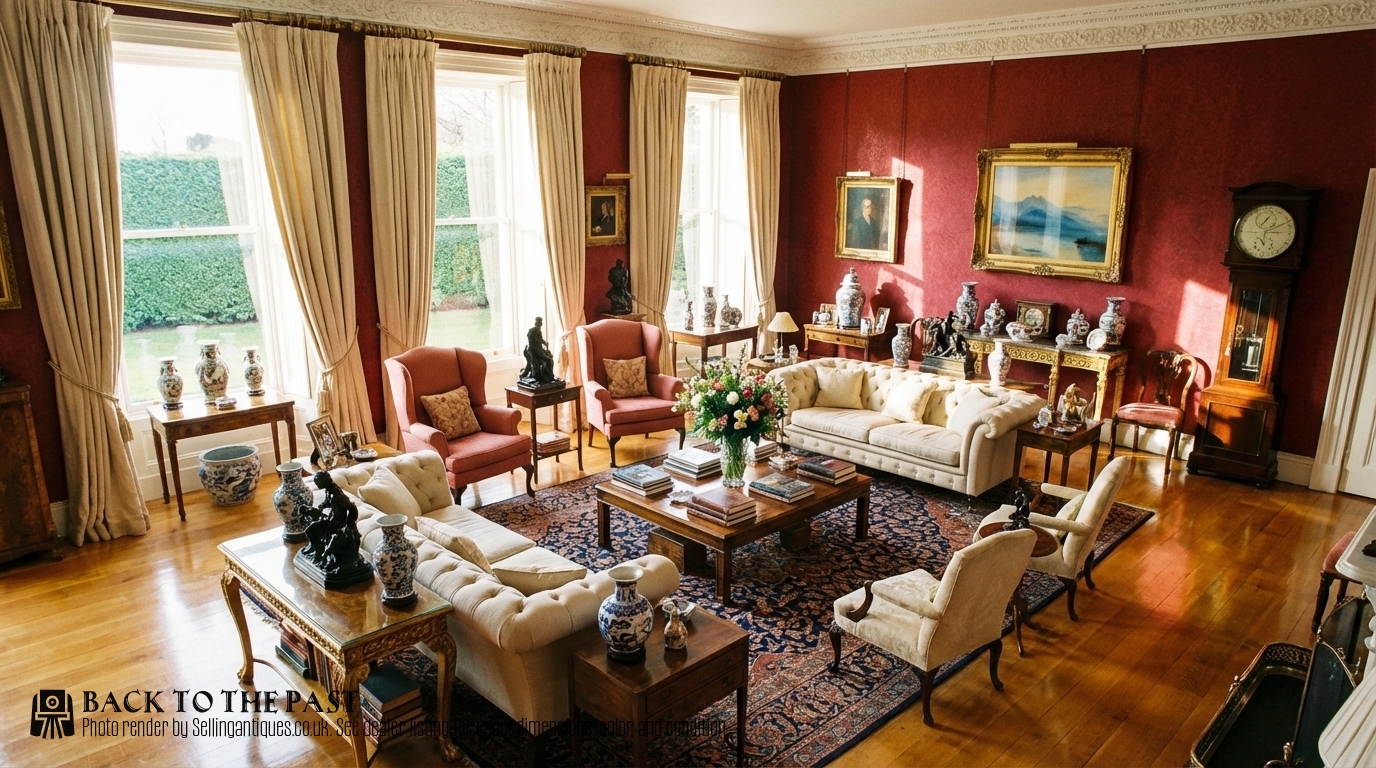
English Standing Clock
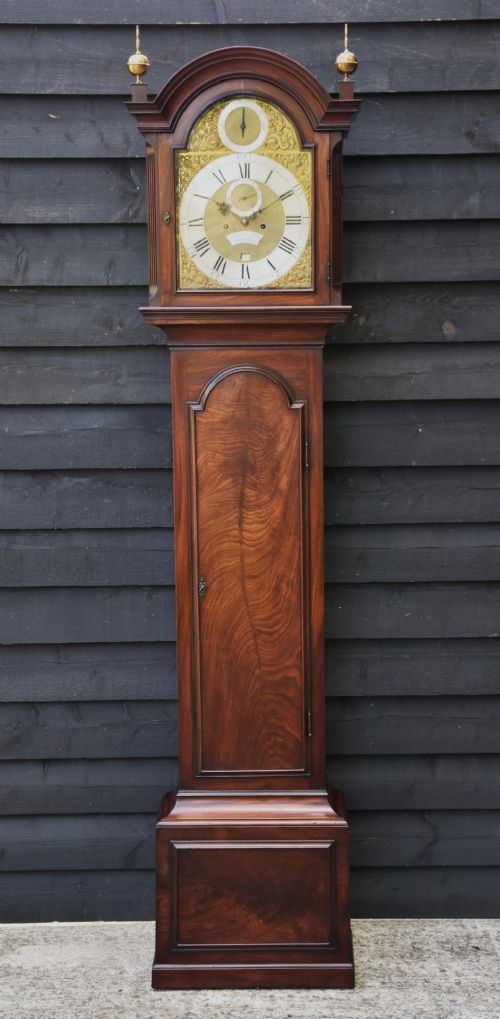
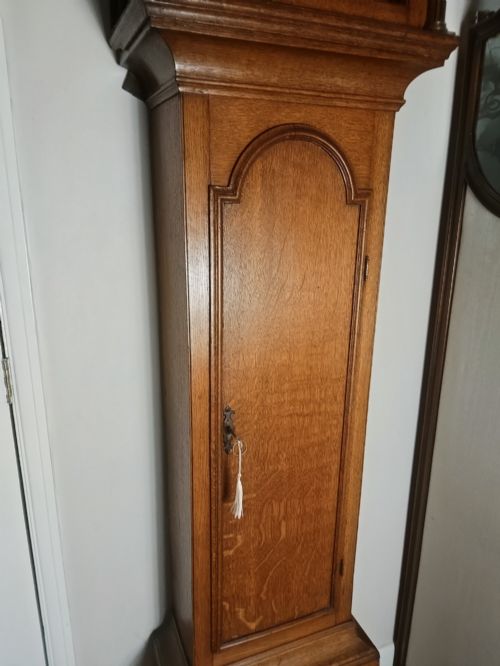
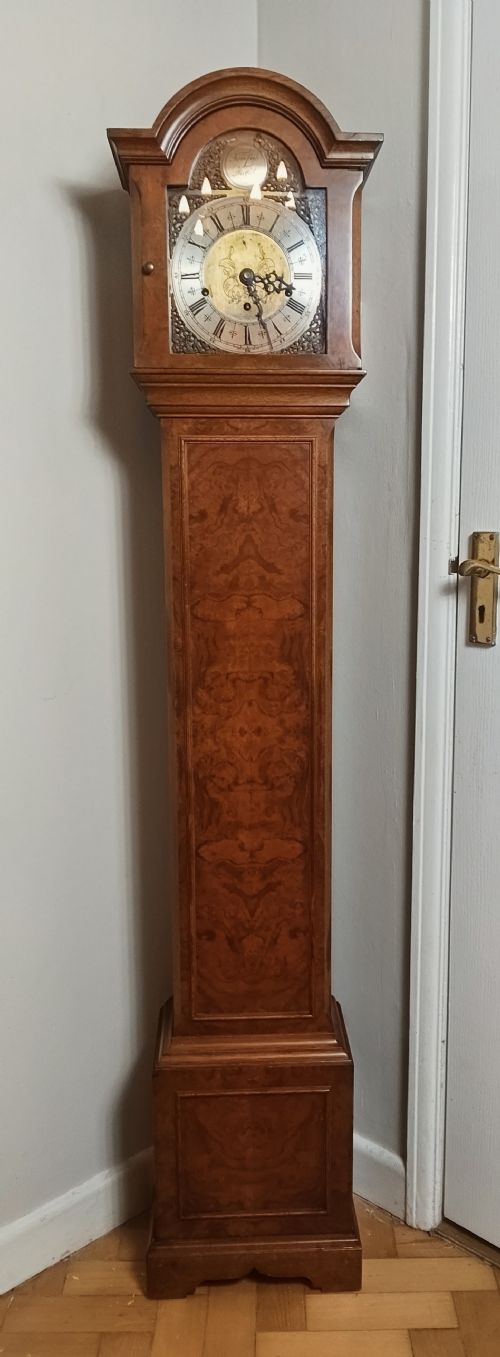
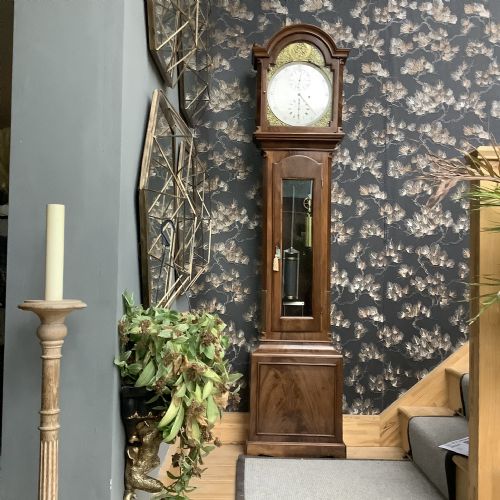
When you search for an english standing clock, you are looking at tall case timepieces designed to stand directly on the floor. These pieces are most commonly encountered as longcase clocks, grandfather clocks, and smaller grandmother clocks originating across various British periods.
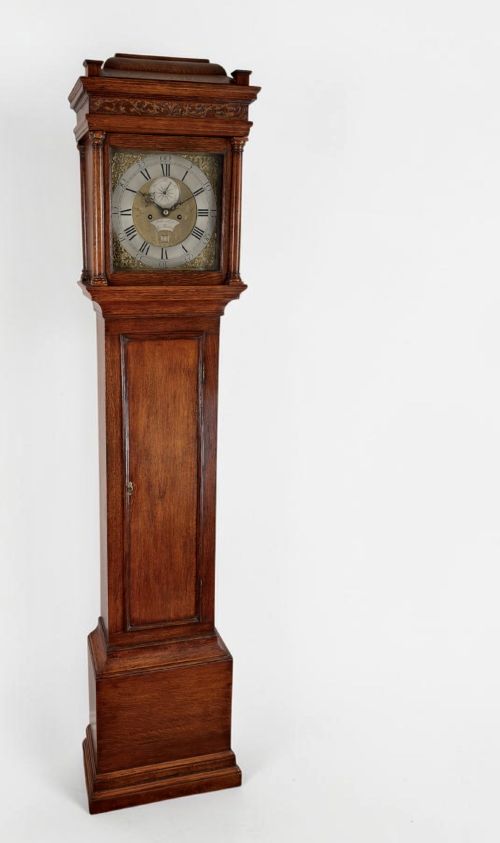
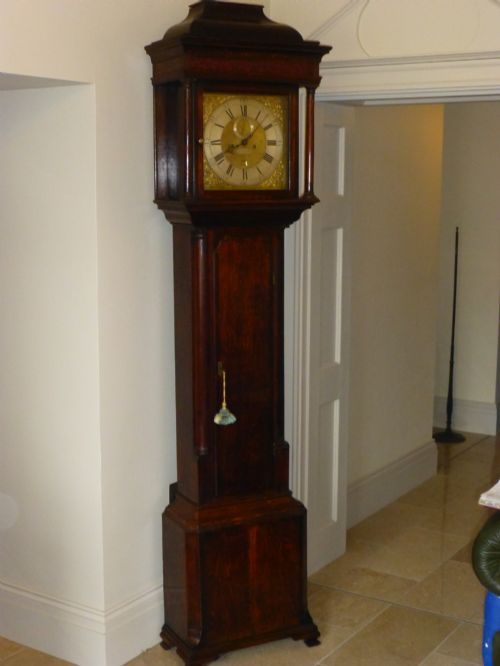
The selection ranges from robust 17th century walnut examples to 18th century oak and mahogany pieces, alongside later Victorian and 1920s chiming variations. Makers housed movements in floor-standing wooden trunks, often featuring brass dials and glazed doors to protect the pendulum and weights.
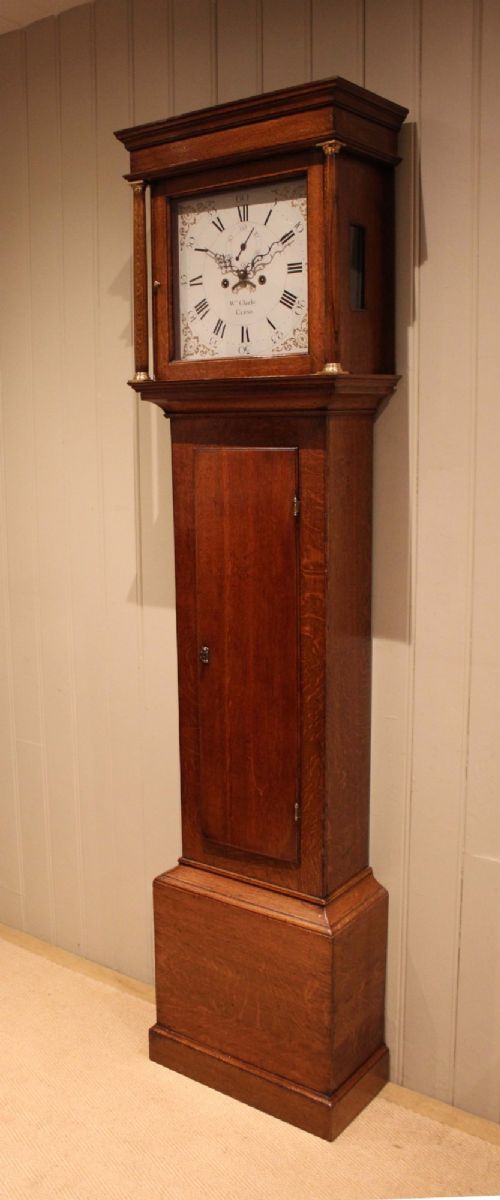
Regional diversity shapes these items, with provincial makers signing country oak cases while London craftsmen constructed sophisticated walnut and mahogany models. Buyers encounter everything from simple thirty-hour movements to complex eight-day striking and chiming mechanisms.
Materials and Construction
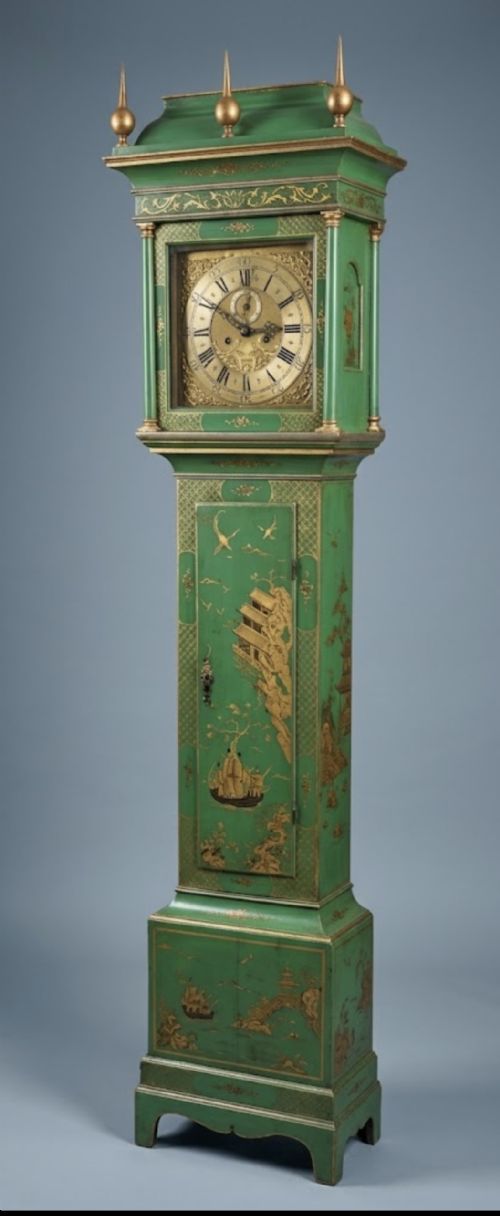
Cabinetmakers utilised native timbers such as oak, mahogany, and walnut, frequently selecting burr veneers and applying green lacquer with chinoiserie decoration for visual depth. Wood was seasoned and joined to build the trunk, hood, and base that enclose the hanging weights and swinging pendulum.
Clockmakers constructed the internal movements from brass and steel, integrating gear trains, escapements, and dial plates engraved or painted with maker details. Glass panels protected the dial face within the hood, whilst iron weights provided the kinetic energy to drive the gear train.
Listings span periods from the 17th century through Georgian and Victorian eras up to the 1920s, constructed in oak, walnut, mahogany, and burr walnut.
Quality Variations
Quality separates ordinary utility pieces from masterworks through the integration of the cabinetwork and the complexity of the brass movement. Finer examples display harmonious proportions, sophisticated wood figure, and crisp dial engraving signed by established makers.
The sophistication of the mechanical movement dictates distinction, ranging from basic time-only actions to intricate eight-day mechanisms with strike, silent, or musical chiming functions. Originality of components and the preservation of surface patination further define the standing of each piece.
John Fielder of Alton·Lee of Great Marlow·Richard Corless of Stockport·Elliott·Thwaites London·John Denbigh Merton Park·Henry Massy·Nathaniel Pyne·Edin Burgis of London·Handley And Moore Of London·Enfield·Edward Upjohn Exon·Thomas Utting of Yarmouth·John Wylde Nottingham·Richard Alexander Devizes·James Coster of Henley·Edward East·Joseph Knibb·John Salmon Nantwich·Thomas Lees Bury·Hay Wolverhampton·Furnival Oldham·Weston Gilmore Family
The English Standing Clock Glossary
- Longcase clock
- A tall, weight-driven pendulum clock housed in a wooden case standing directly on the floor. This form is frequently known colloquially as a grandfather clock.
- Movement
- The internal mechanical assembly of gears, springs, escapements, and dials that measure and indicate time. Brass and steel form the primary components of these mechanisms.
- Grandmother clock
- A scaled-down version of the traditional longcase clock, typically produced during the 20th century. These smaller standing clocks suit compact domestic spaces.
- Chinoiserie
- European decorative style inspired by Chinese art, featuring hand-painted motifs on lacquered surfaces. Green lacquered finishes with oriental scenes appear on specific 18th century cases.
- Moon phase
- A dial mechanism tracking the lunar cycle via a rotating disc behind the clock face. This complication indicates the phases of the moon alongside standard time.
English Standing Clock: Frequently Asked Questions
What is an english standing clock?
An english standing clock is a tall floor-standing timepiece enclosed in a wooden case, commonly referred to as a longcase or grandfather clock.
These pieces combine a weight-driven mechanical movement with a protective wooden trunk, housing a pendulum and dial face beneath a glazed hood.
How do these clocks function?
Weights suspended by cords or chains inside the trunk descend slowly over hours or days to power the internal gear trains and escapement.
As the weights drop, the pendulum regulates the release of energy, ensuring the movement turns the hands and drives any striking or chiming mechanisms.
Where were these clocks made?
Makers constructed these clocks in workshops across London and various provincial English towns, utilising regional timbers and distinct local styles.
Provinces such as Cheshire, Norfolk, and Hampshire produced distinctive regional oak and mahogany cases alongside the more formal walnut designs from the capital.
How do I date a standing clock?
Dating relies on stylistic shifts in the case woodwork, dial dimensions, and the signature of the clockmaker recorded on the face.
Earlier 17th and 18th century pieces typically feature square brass dials and walnut or oak construction, whereas later Georgian and Victorian examples introduce painted arched dials and mahogany cases.
What maintenance do they require?
Standing clocks require careful placement on a stable floor away from direct heat sources and drafts to ensure the pendulum swings truly.
Routine winding of the weights according to whether the movement runs for thirty hours or eight days keeps the mechanical action operating correctly.