
English Soft Paste
When you search for english soft paste, you enter the pioneering world of eighteenth-century domestic porcelain production.
English Soft Paste
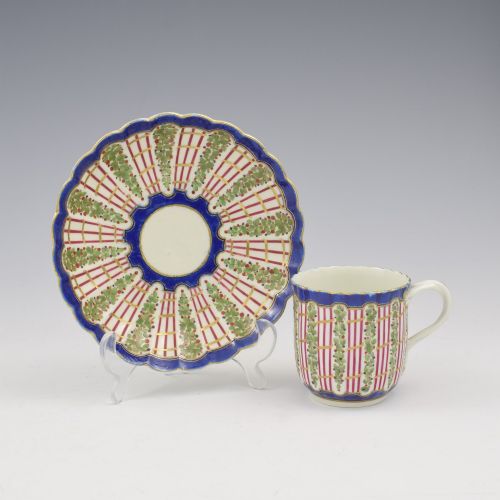
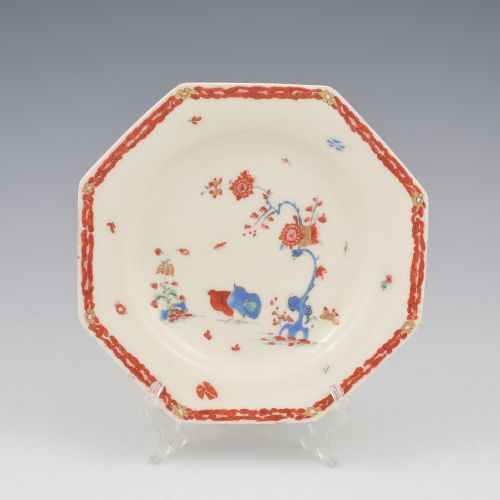
English soft paste encompasses an array of translucent ceramic wares produced primarily during the eighteenth century across factories like Worcester, Derby, Bow, and Chelsea. Buyers exploring this category encounter domestic tableware, tea wares, and sculptural figures created during the Georgian period.
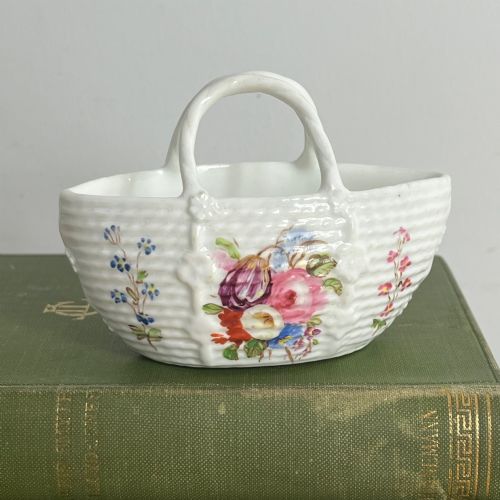
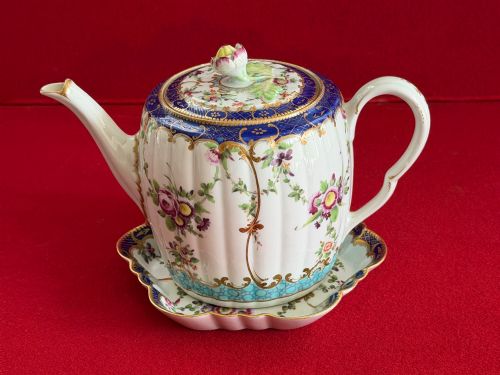
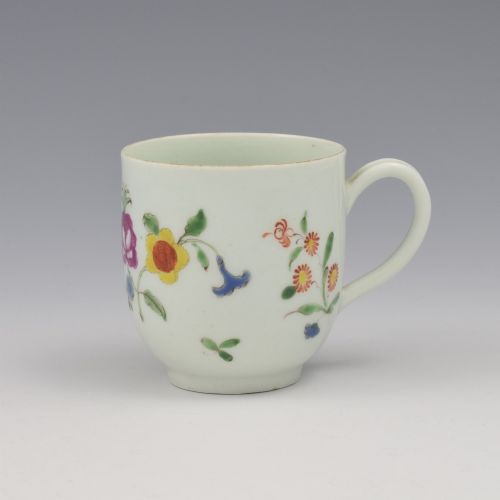
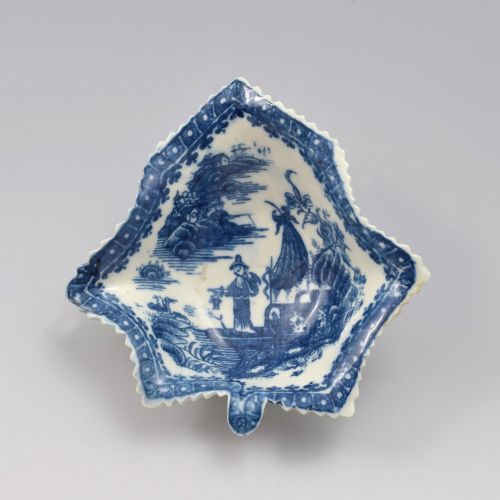
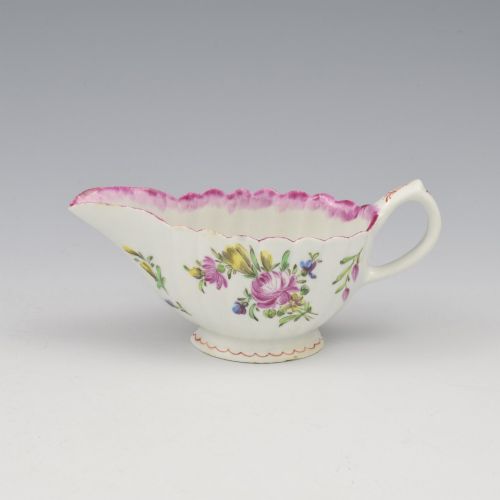
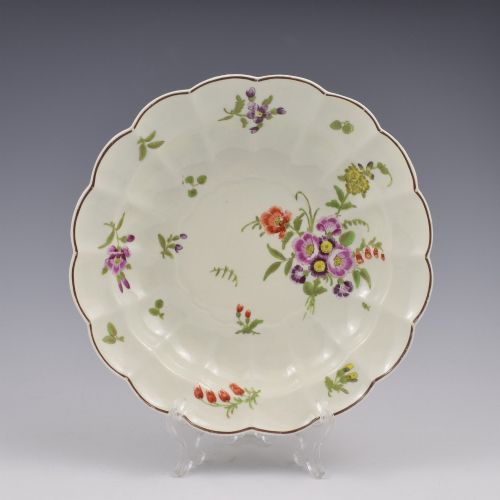
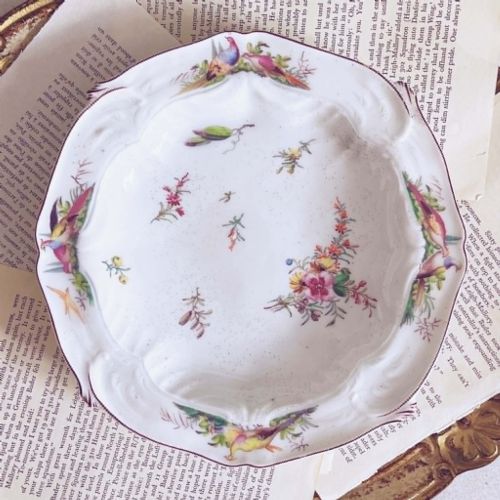
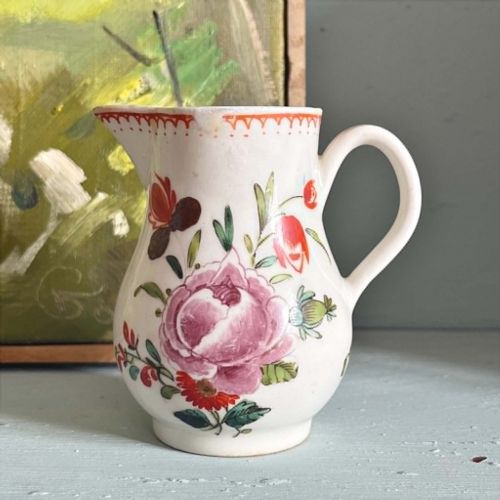
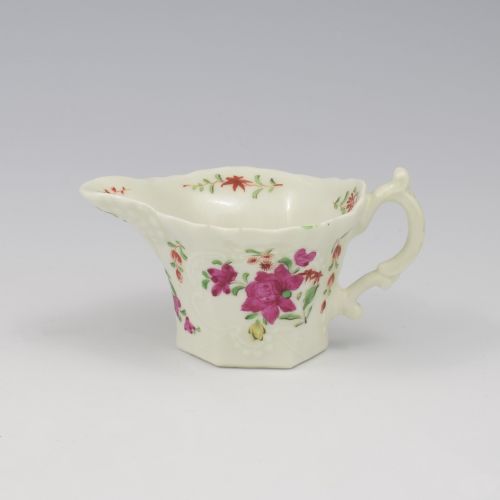
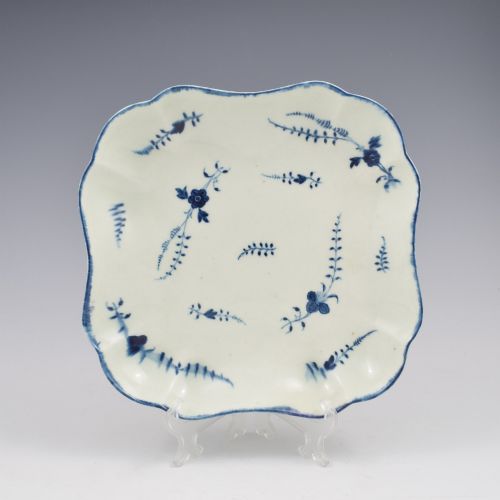
The objects span practical forms such as sauce boats, teapots, coffee cups, and pickle dishes, alongside decorative plates and allegorical figurines. Pieces frequently display influences ranging from classical antiquity to Rococo and Chinoiserie styles.
Most items on this page originate from the mid-to-late eighteenth century, reflecting the early technical experiments of English ceramicists working before the widespread adoption of hard-paste porcelain or bone china.
Materials and technique
Potters formulated soft-paste porcelain using mixtures of white-firing clays, glass frits, and ground minerals rather than the hard-paste combination of kaolin and petuntse. This vitreous body required lower kiln temperatures, resulting in a characteristic warm glaze pooling softly around the footrims.
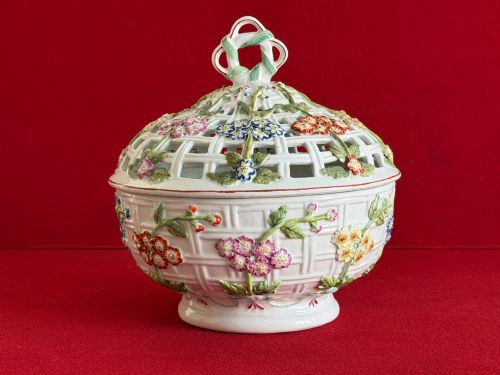
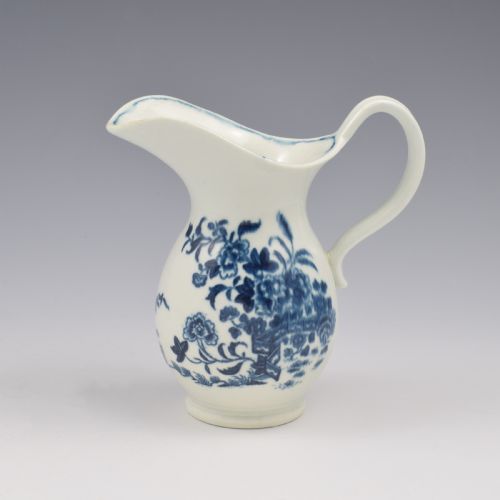
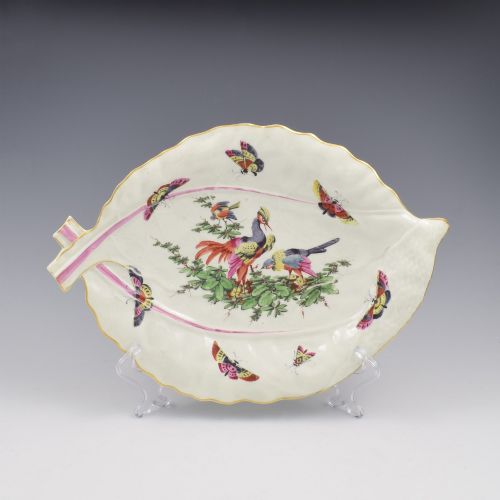
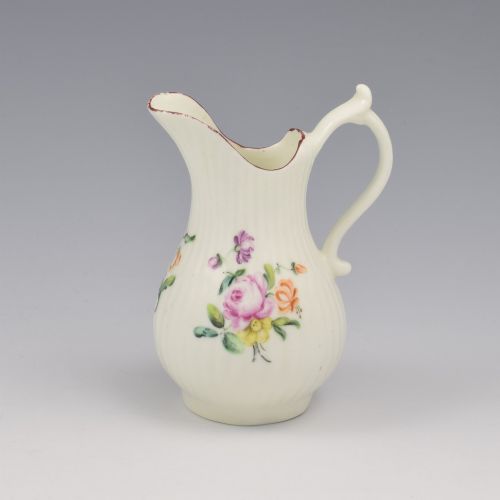
Decoration relied heavily on underglaze cobalt blue painting, enamel polychrome palettes, and hand-applied gilding. Moulding techniques allowed factories to produce intricate shapes such as leaf-moulded pickle dishes and fluted baluster cream jugs.
Elegantly dressed gentlemen sipping tea and porcelain putti embodying the four seasons share shelf space with spirited botanical leaf dishes.
Assessing quality
Quality in these porcelain pieces depends upon the clarity and precision of the handpainted or transfer-printed decoration, particularly in complex botanical or figurative scenes. Crispness in the original mould-work, seen in leaf dishes and sculptural figures, distinguishes finer items from softer, worn impressions.
The stability of the glaze and the purity of the white paste also influence value, as early kilns often produced kiln-distortions or surface imperfections like pitting and speckling. Superior examples combine balanced potting with vibrant, well-preserved enamel colours or deep cobalt tones.
Flight Barr And Barr·Richard Chaffers·Longton Hall
The English Soft Paste Glossary
- Soft-paste porcelain
- A non-refractory ceramic body composed of clay and glass frit, fired at lower temperatures than true porcelain. It possesses a slightly creamy translucency and a warm glaze.
- Glaze
- A glassy coating fused to the ceramic body during firing to seal the porous paste and provide a smooth surface. In soft-paste wares, it often pools thickly near the base.
- Enamel
- Low-firing coloured glass powders applied over the fired glaze and refired to bond with the surface. These provide the vivid polychrome hues seen on eighteenth-century plates and cups.
- Sauce boat
- A small vessel with a spout and handle used for serving gravies or sauces at the dining table. Eighteenth-century examples often take moulded leaf or fluted forms.
- Bocage
- An intricate background of applied ceramic foliage and flowers surrounding porcelain figures. It is particularly characteristic of mid-eighteenth-century figures from factories like Derby.
English Soft Paste: Frequently Asked Questions
What is english soft paste porcelain?
English soft paste is an artificial porcelain composition developed in the eighteenth century by factories attempting to replicate Chinese wares. It uses a mixture of white clay and glass frit rather than hard-paste materials.
This composition yields a warm, vitrified body that interacts distinctively with glazes and enamels, creating the characteristic appearance found on Georgian tableware and figures.
How are periods told apart?
Periods are identified through a combination of paste characteristics, factory marks, stylistic influences, and potting techniques. Eighteenth-century pieces often feature characteristic glaze pooling and handpainted polychrome or cobalt decoration.
Later nineteenth-century revivals display different potting standards, more uniform bodies, and distinct factory backstamps associated with firms like Flight Barr and Barr.
Were these figures used daily?
Figurines and allegorical groups served primarily as decorative ornaments for mantelpieces and dining tables during dessert courses. They were designed to display status, learning, and refined taste rather than for practical utility.
In contrast, items like teapots, coffee cups, and sauce boats saw active domestic use in upper-class Georgian households for serving tea, coffee, and meals.