
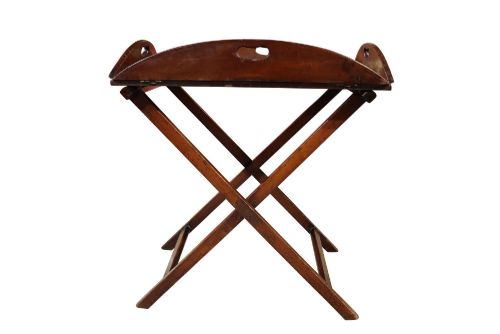
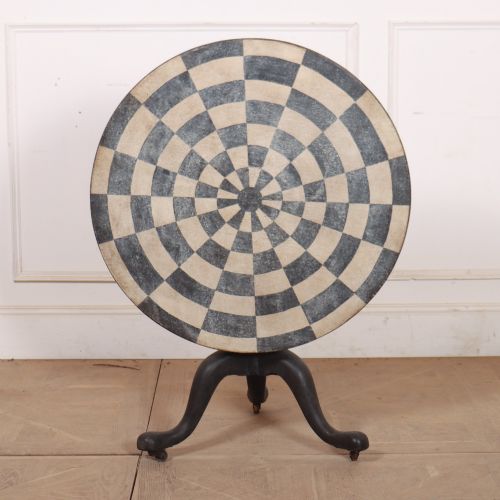
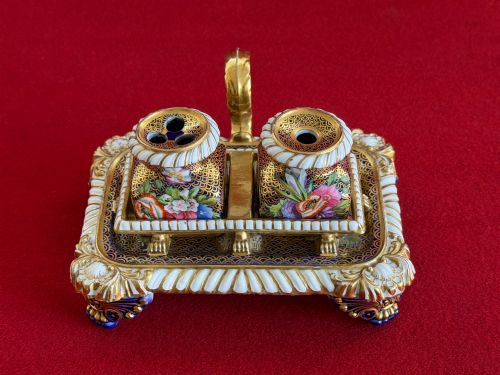
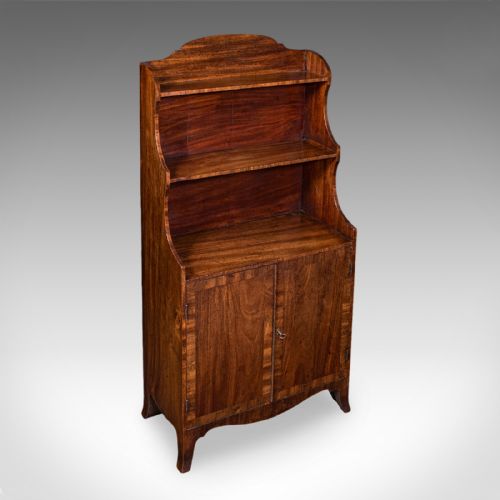
English Regency Stand
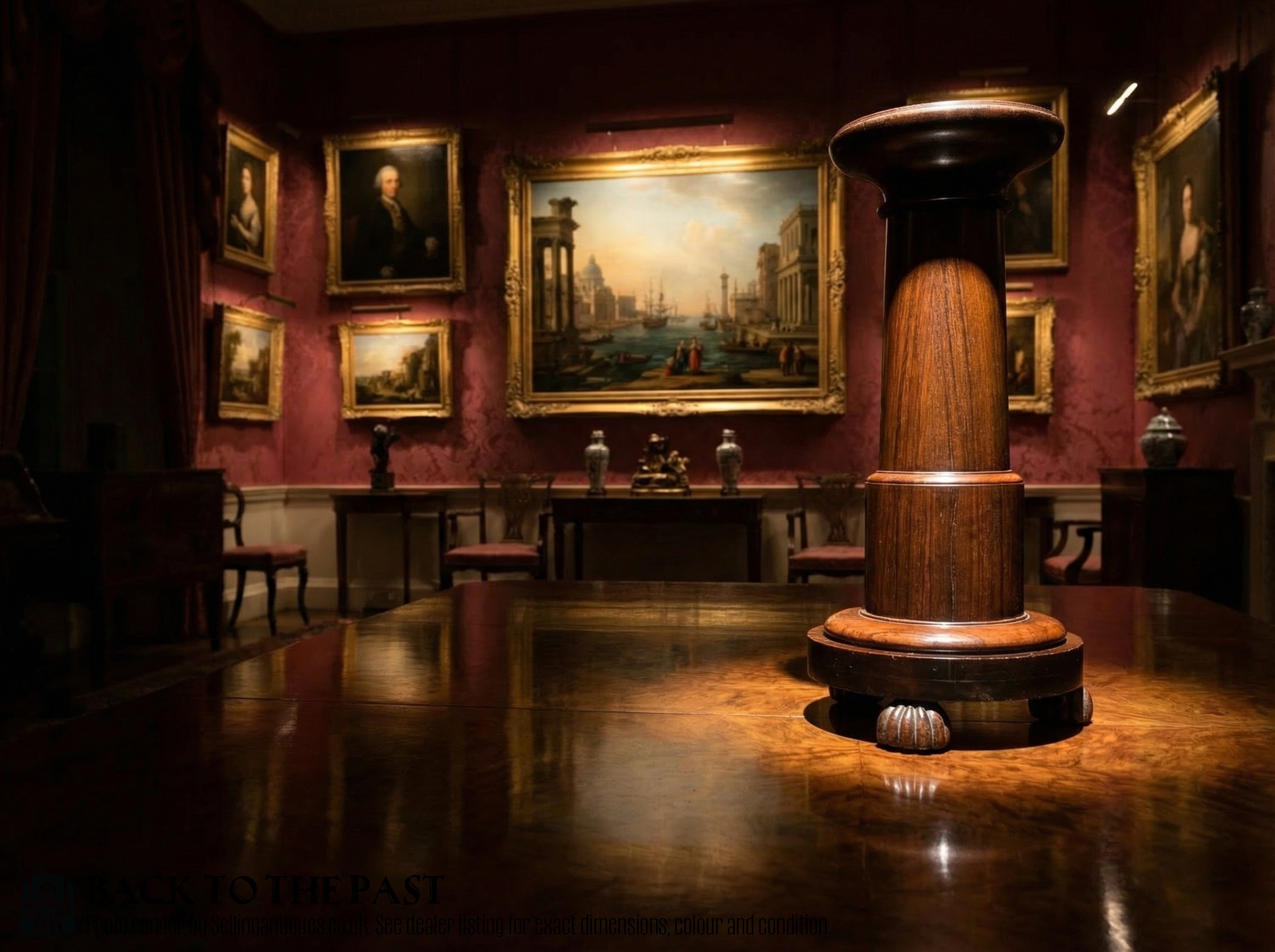
An English regency stand brings classical elegance to a room while holding books, plants, or writing equipment.
English Regency Stand
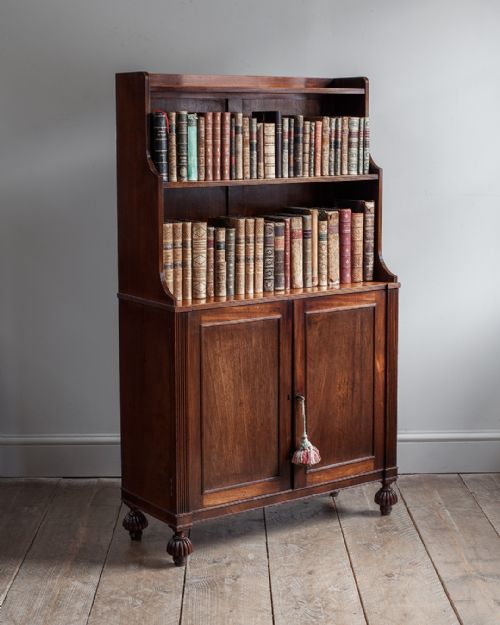
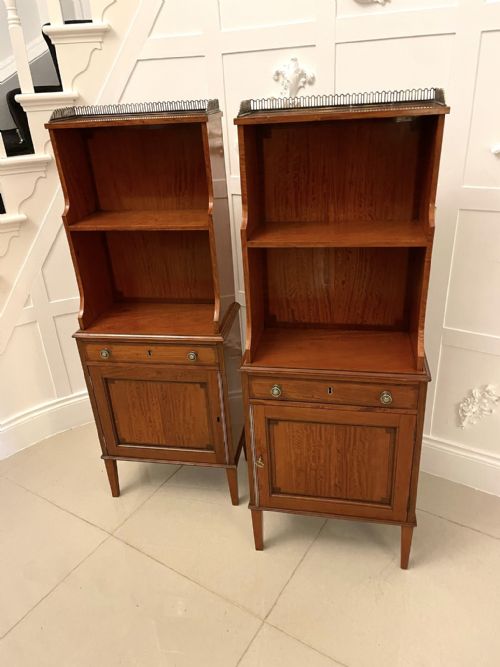
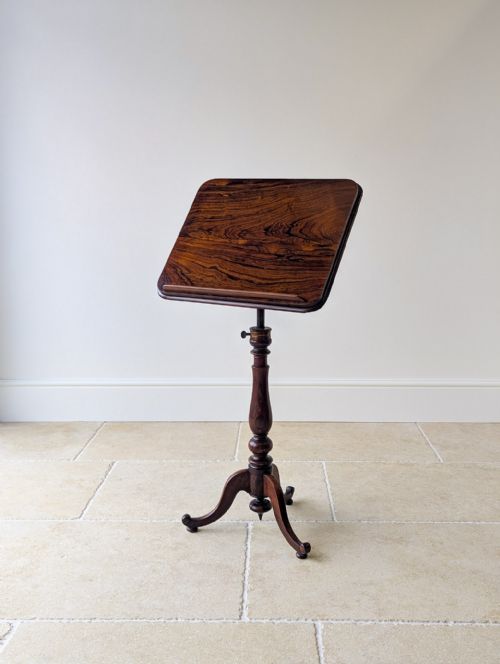
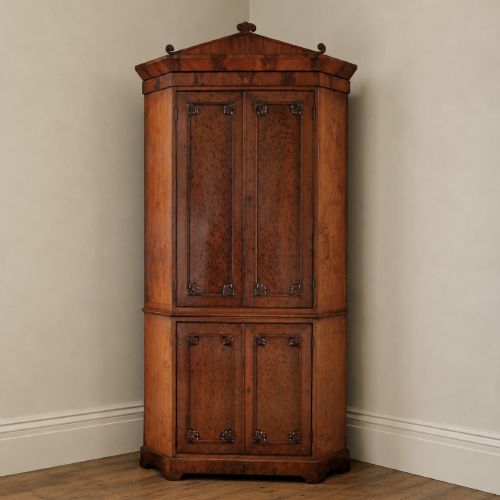
The term english regency stand covers a diverse group of functional furniture from the late eighteenth and early nineteenth centuries, including canterburys, torchères, reading stands, and inkstands.
Makers produced these pieces in mahogany, rosewood, and satinwood to serve specific domestic tasks in libraries, drawing rooms, and boudoirs.
Examples on this page span the Regency period alongside later William IV and Georgian eras, reflecting enduring classical design principles.
Assessing Craftsmanship
The standard of carving, the precision of brass joinery, and the selection of timber veneers determine the distinction between utilitarian pieces and high-status commissions.
Master workshops employed refined turning on pedestals and balanced proportions on tiered stands, ensuring structural integrity alongside decorative presence.
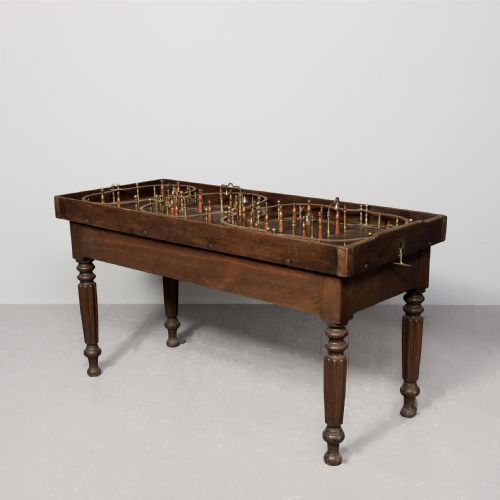
An oak skittles game survives among the elegant tables and bookcases, proving Regency interiors also accommodated parlour entertainment.
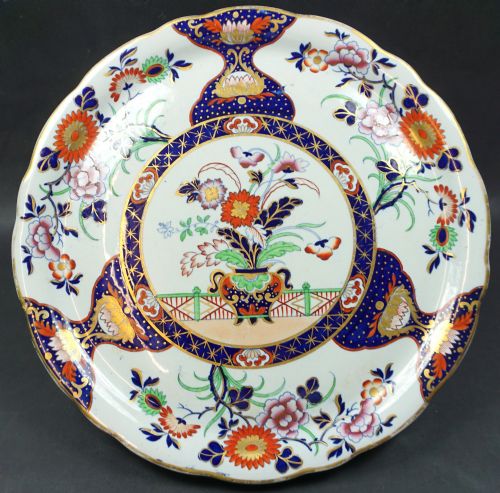
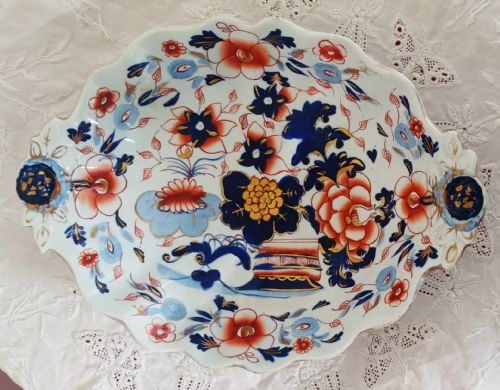
Gillows·H & R Daniel·Spode·Ridgway·Hicks & Meigh·Grainger's Worcester·Coalport·Crown Derby·George Smith·Thomas Hope·George Bullock
The English Regency Stand Glossary
- Canterbury
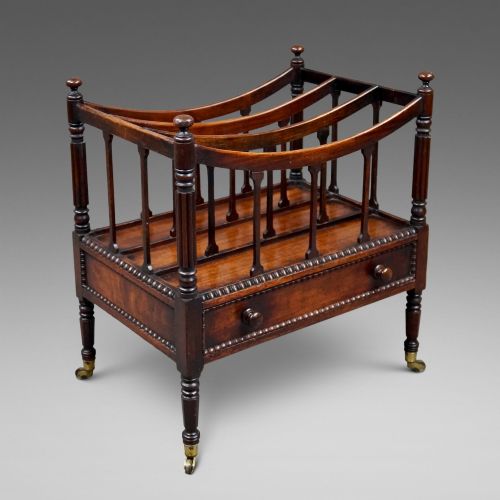
- A low wooden stand with slatted divisions, originally designed to hold sheet music, newspapers, or magazines. These pieces often feature integrated drawers and low castors.
- Torchère
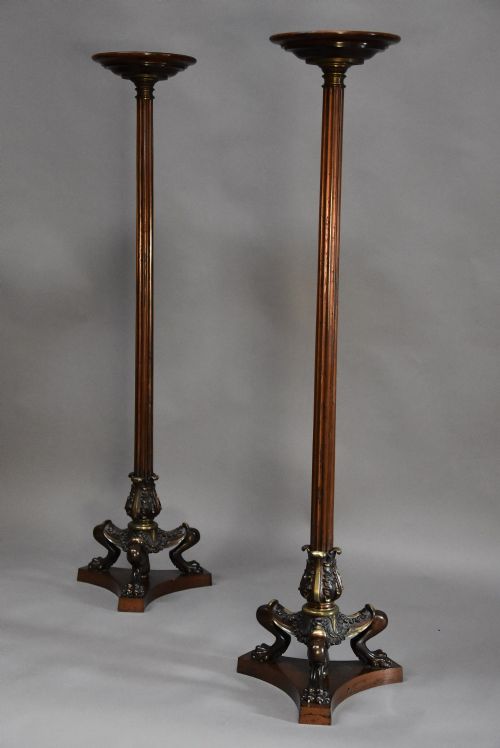
- A tall, slender standing pedestal or lamp base intended to elevate a light source or plant. They frequently rest on tripod supports with carved or turned shafts.
- Teapoy
- A small box or caddy for storing tea, mounted upon a central pedestal or a dedicated stand. Interior compartments held different tea varieties.
- Whatnot
- An open set of shelving units supported by slender vertical columns, used for displaying ornaments or books. Examples range from two to four tiers.
- Comport
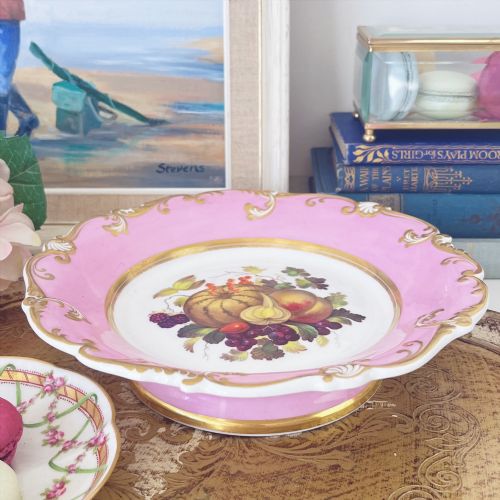
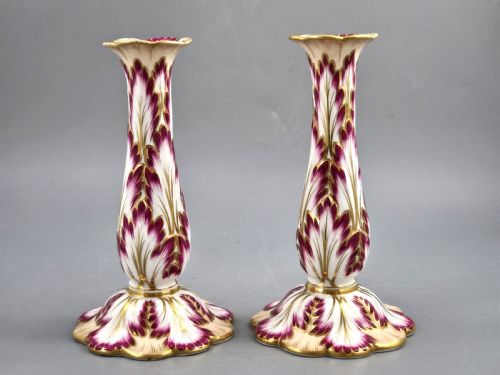
- A decorative raised dish or tazza utilised for serving fruit or sweets on a dining table. They frequently feature handpainted motifs and coloured grounds.
English Regency Stand: Frequently Asked Questions
What is an English Regency stand used for?
These versatile furnishings served specific domestic duties, from holding candles and books to displaying plants and serving drinks.
Owners placed them throughout the home where functional tabletop or storage surfaces were required without occupying excessive floor space.
How do I identify a Regency stand?
Look for classical proportions, dark figured timbers such as mahogany and rosewood, and restrained decorative elements like brass inlay or reeded legs.
Cabinetmakers of the era drew heavily on ancient Greek and Roman motifs, resulting in clean geometric lines and balanced silhouettes.
Are William IV stands similar?
William IV pieces share the classical lineage of the Regency era but generally display heavier proportions, bolder turnings, and richer timber selections.
While Regency design favoured restrained elegance, the subsequent William IV period embraced robust architectural forms and prominent carved details.
How should I care for antique wood stands?
Protect antique timber surfaces by keeping them away from direct sunlight and maintaining stable room humidity to prevent veneer splitting.
Apply occasional specialist wax polish to nourish the grain and preserve the natural lustre of mahogany and rosewood.