

Triform Base Pedestal
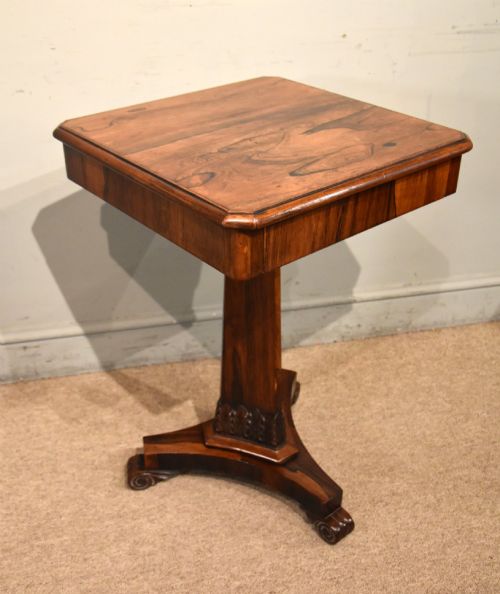
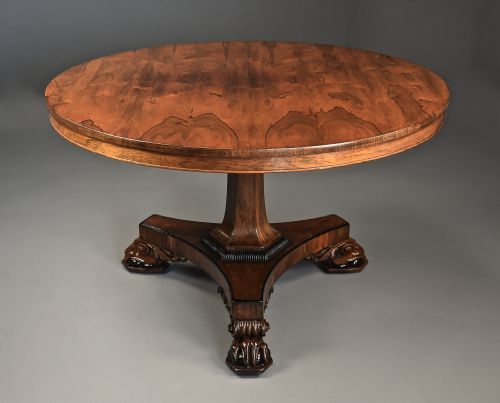
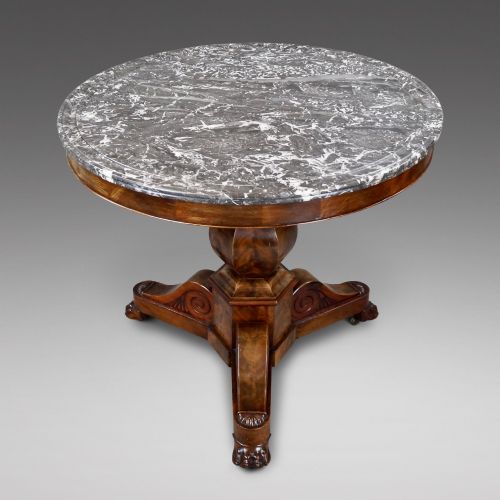
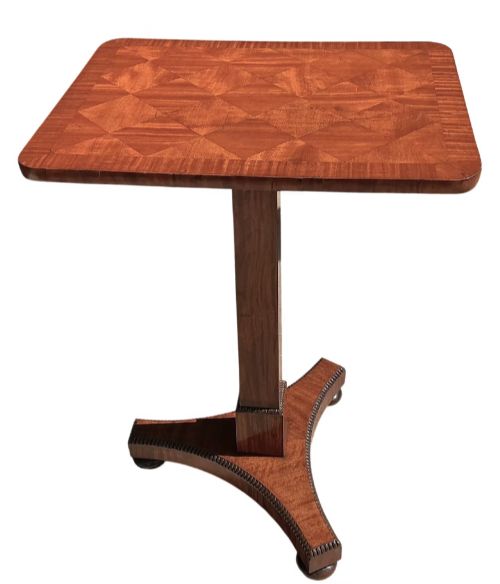
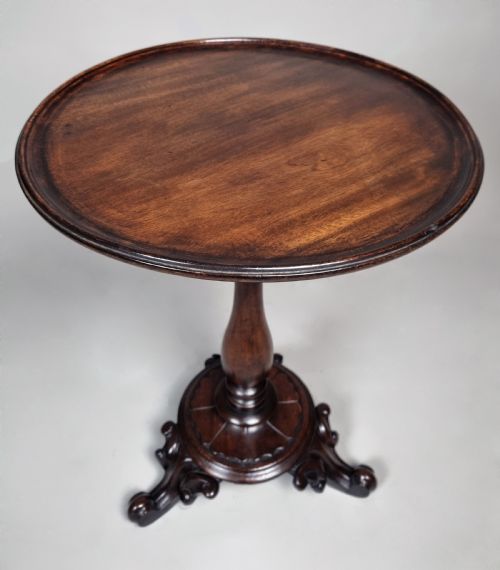
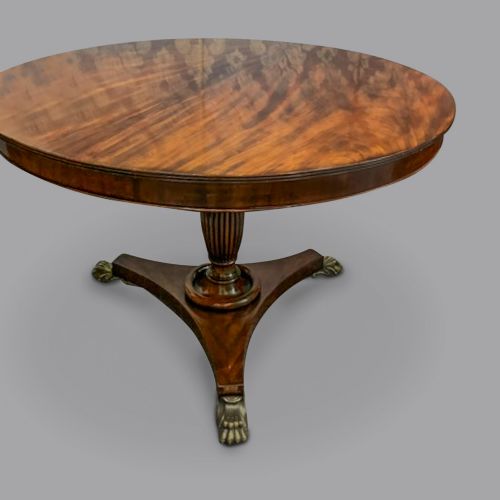
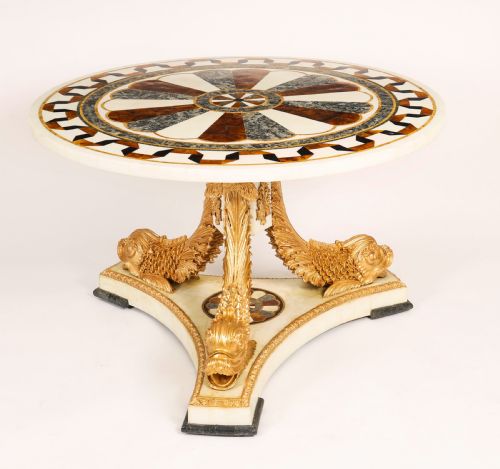
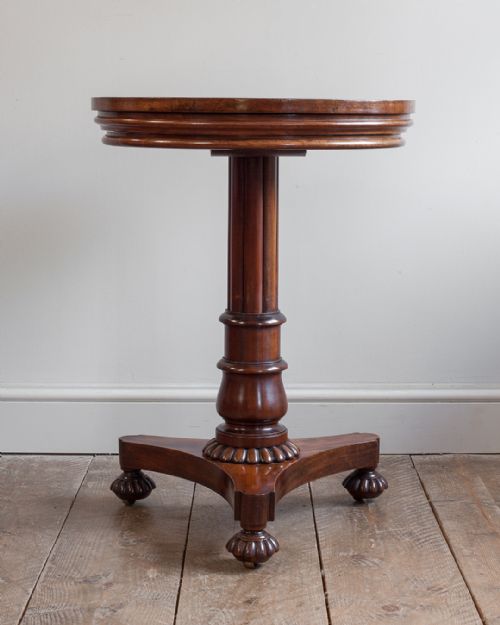
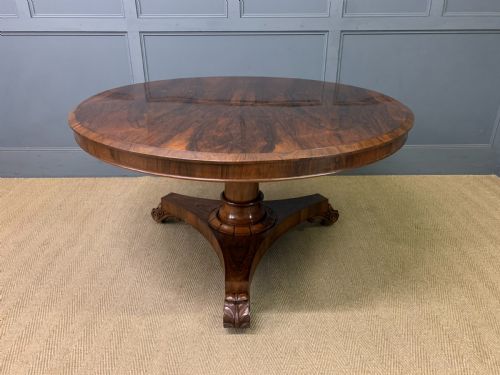
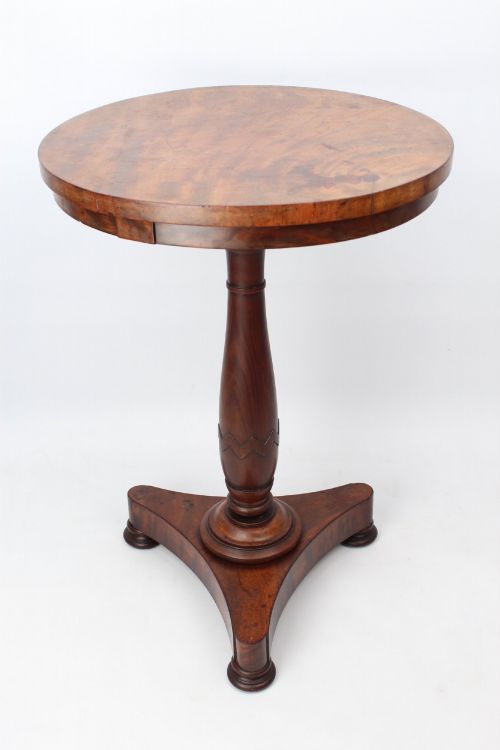
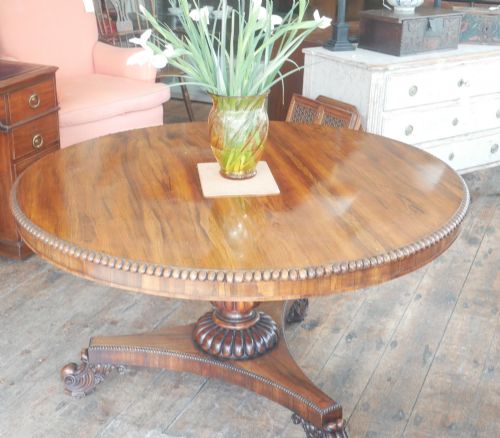
A triform base pedestal anchors a heavy circular top with three scrolling or triangular feet, offering dependable balance and classic proportion.
Triform Base Pedestal
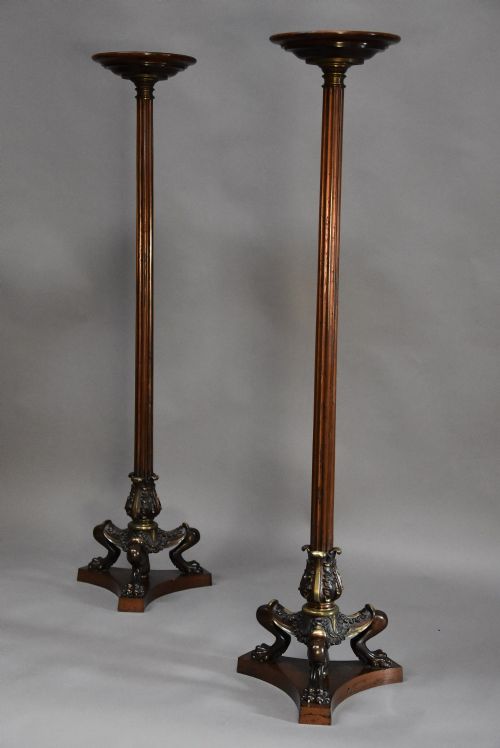
The triform base pedestal search phrase gathers tables and stands supported by a three-sided or three-pronged pillar, designed to stand centrally in a room or beside seating. Most pieces meeting this description take the form of centre tables, breakfast tables, and occasional tables originating from the Georgian, Regency, and Victorian periods.
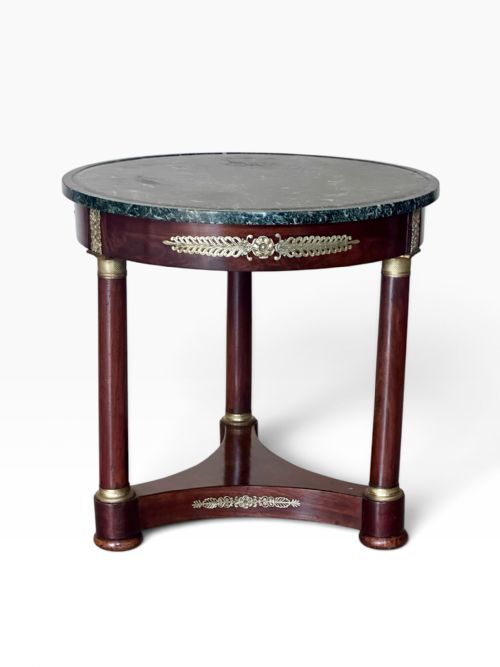
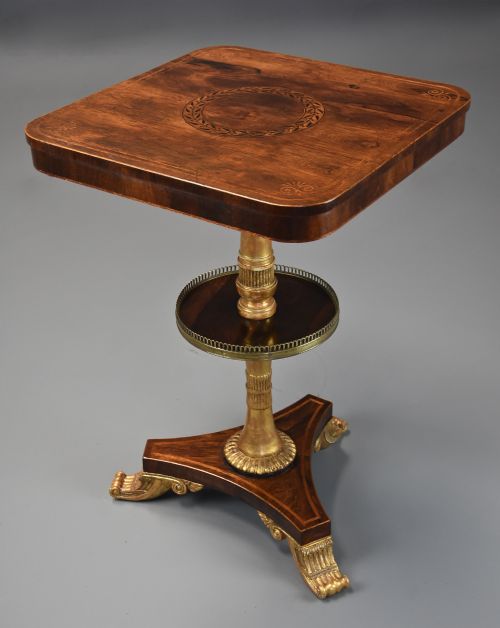
Makers working in the William IV and French Empire styles heavily favoured this configuration for round tables, utilising the three-way spread to support heavy mahogany, rosewood, or marble surfaces. Alongside breakfast and games tables, the selection includes smaller wine tables, torchères, and jardiniere stands sharing the characteristic triangular foot arrangement.
How they were made
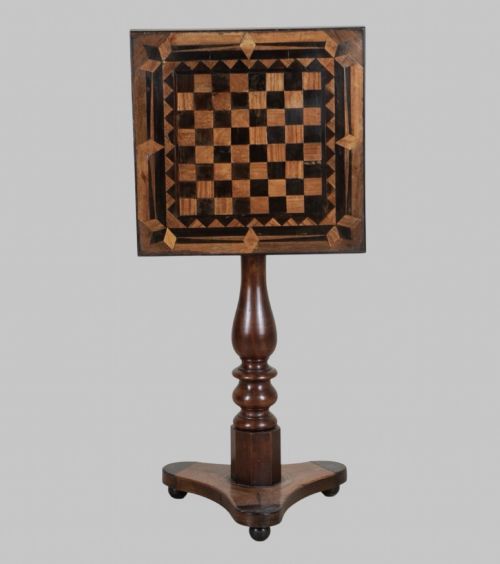
Cabinet makers constructed these supports using dense timbers such as mahogany and rosewood, frequently applied as veneers over sturdy carcases or turned as solid central pillars. Tops often incorporate tilt mechanisms, allowing the surface to fold vertically when not in use.
Surface enrichment relied on brass mounts, boxwood stringing, and parcel gilt highlights, whilst heavier examples integrated inset marble or specimen stone slabs directly into the timber frame.
Listings feature mahogany, rosewood, and marble across nineteenth-century forms including breakfast tables, torchères, and guéridons.
What varies in quality
Construction standards separate standard production items from workshop pieces bearing attribution to notable makers or cabinet houses. The integrity of the central column joint and the substantial weight distribution of the three feet determine stability.
Material selection dictates visual depth, distinguishing plain mahogany boards from highly figured flame mahogany, burr elm, or richly grained rosewood paired with fine inlay.
George Smith·Thomas Hope·George Bullock·Walker-Lancaster
The Triform Base Pedestal Glossary
- Triform base
- A three-way supporting foot structure radiating from a central pillar. This design provides both stability and decorative symmetry beneath circular table tops.
- Guéridon
- A small freestanding French table supported by a central column. These pieces frequently feature marble tops and date across the nineteenth century.
- Tilt top
- A hinged table surface that rotates to a vertical position. This mechanism enabled tables to be stored against walls when space was required.
- Torchère
- A tall stand designed to hold a lamp or candle. Examples often incorporate classical column or pedestal forms.
- Parcel gilt
- The application of gold leaf to specific carved details or mouldings. This technique highlights architectural elements against darker woods.
Triform Base Pedestal: Frequently Asked Questions
Where do I place a triform table?
These tables suit placement in the centre of a hallway or principal reception room where the three-way base can be viewed from all angles without obstruction.
Smaller variants function effectively beside seating as lamp tables or wine stands, utilising their compact footprints.
How do I identify a breakfast table?
Breakfast tables typically feature a circular top measuring upwards of three feet across, mounted on a tilt mechanism above a robust pillar and triform platform.
They stand lower than dining tables and were traditionally used for morning meals or card games before being cleared away.
What is a gueridon table?
A guéridon is a French form of small pedestal table that frequently incorporates a circular marble slab inset into a mahogany or rosewood frame.
Originating in the eighteenth century, the form remained popular through the Victorian era for displaying decorative objects.
How do I care for rosewood surfaces?
Rosewood requires protection from direct sunlight and excessive heat fluctuations to prevent the natural oils in the timber from drying out and causing veneer splits.
Regular dusting with a dry lint-free cloth preserves the finish without building up heavy wax layers.