

English Porcelain Ornaments
English porcelain ornaments bring centuries of modelled character to a room, ranging from Georgian figures to twentieth-century figures.
English Porcelain Ornaments
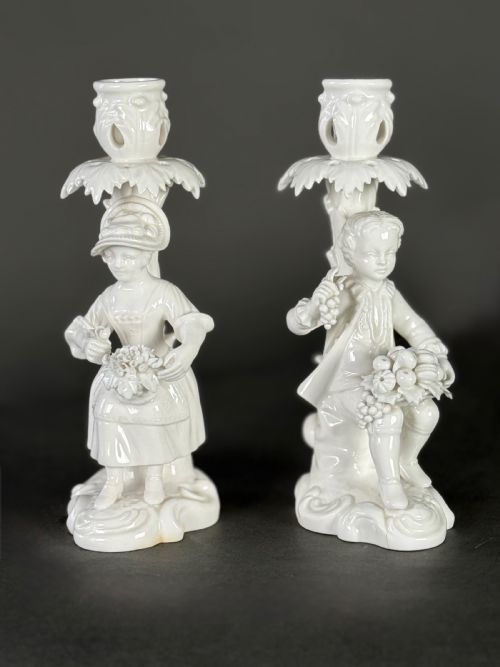
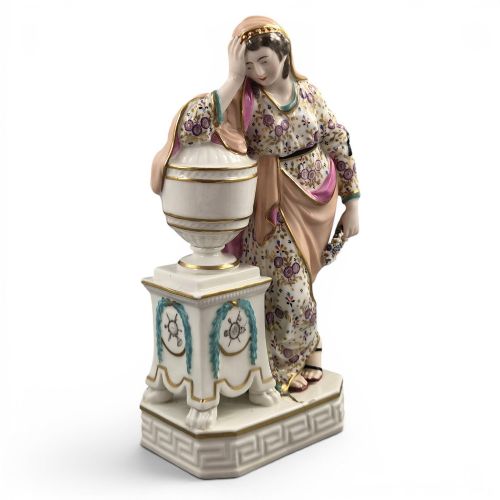
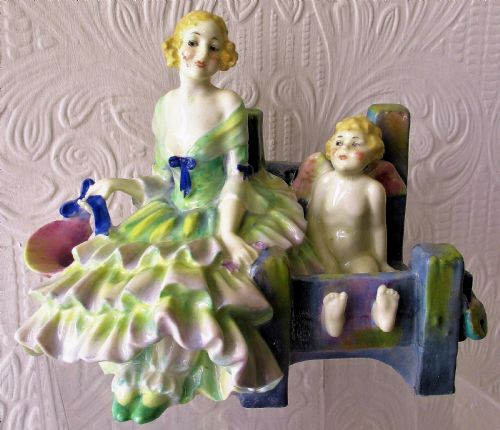
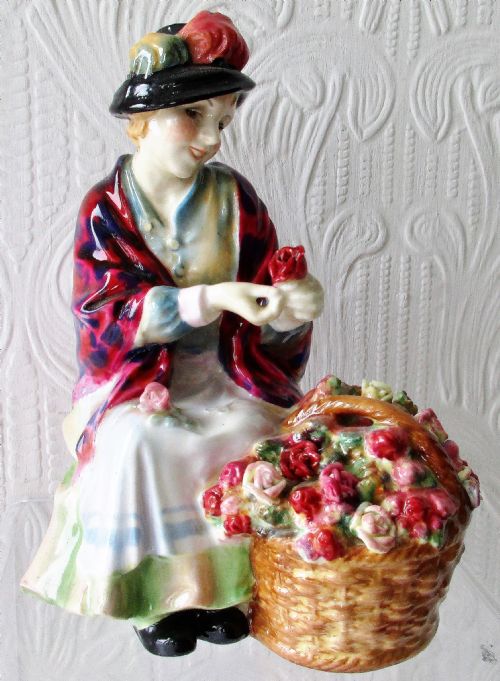
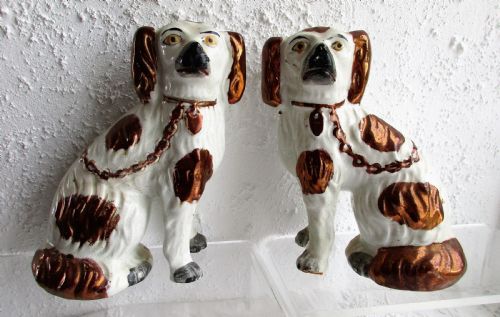
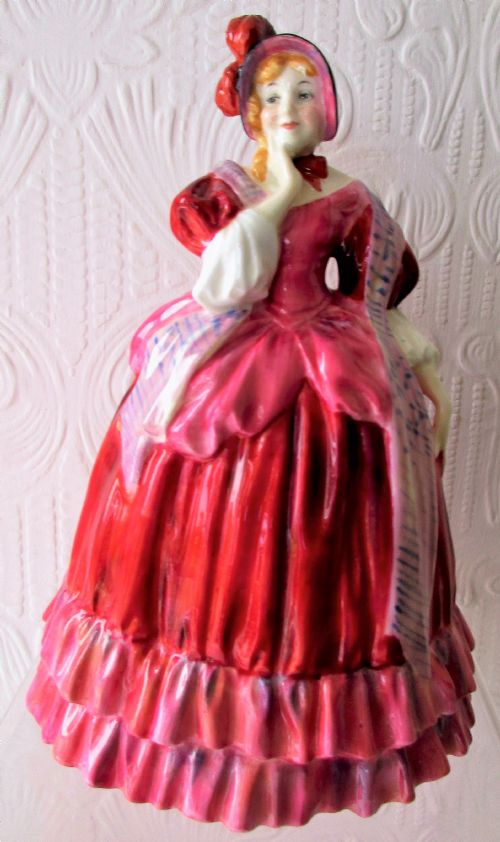
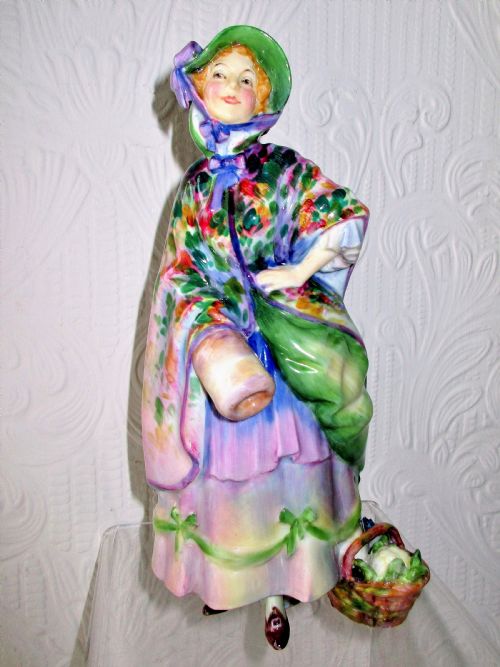
These pieces encompass figurines, decorative figures, spill vases, and candlesticks originating from periods such as the eighteenth century, the Victorian era, and the nineteen-thirties.
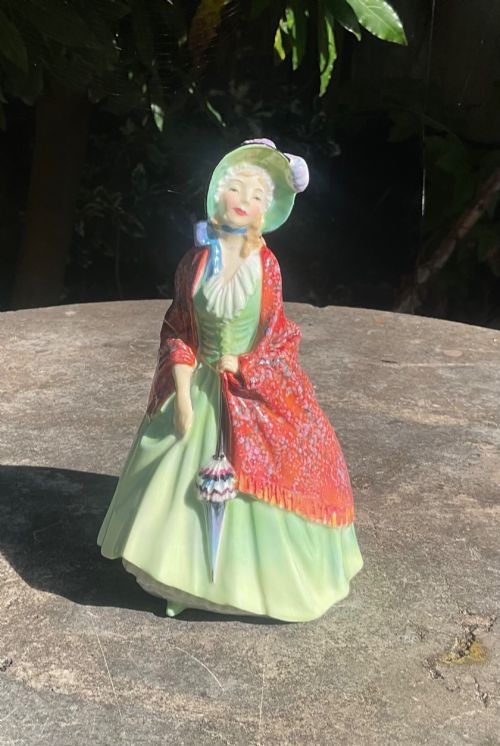
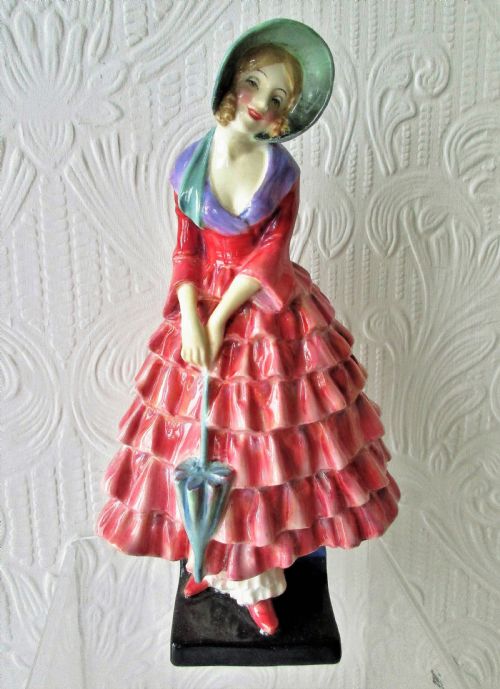
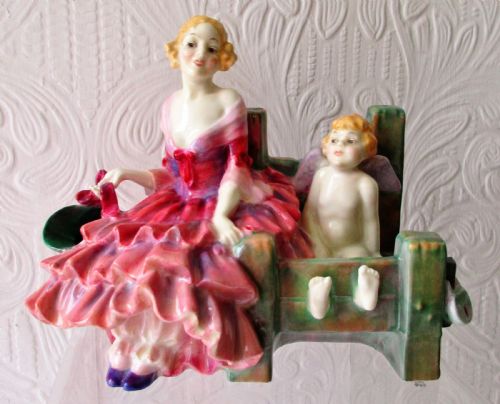
The selections available here lean heavily toward mid-twentieth-century bone china figurines by makers like Royal Doulton alongside earlier eighteenth-century Derby and Bow figures.
Buyers encounter pastoral subjects, historical personages, and animals rendered in porcelain, bone china, and earthenware across various styles including Rococo Revival and Art Deco.
Materials and technique
Early works utilise soft-paste porcelain or hard-paste porcelain, while later productions use bone china and earthenware, often finished with glaze and enamel colours.
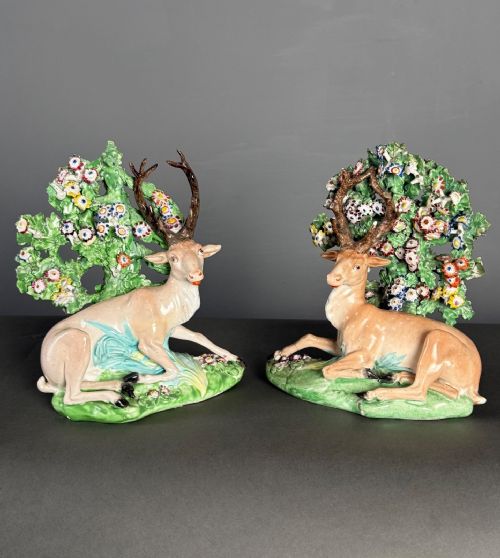
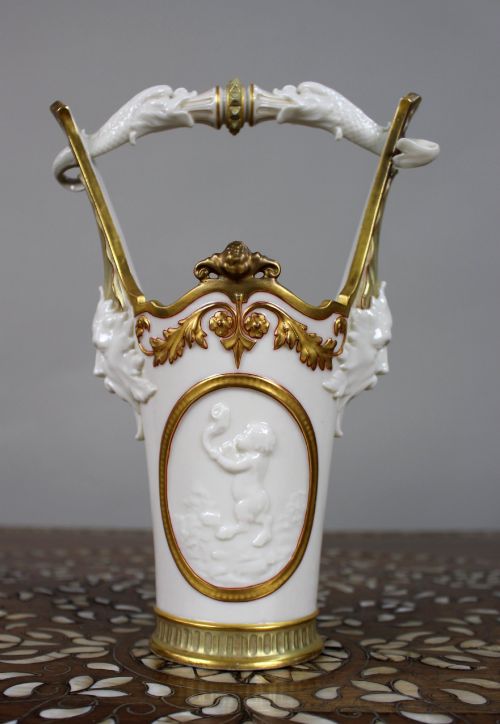
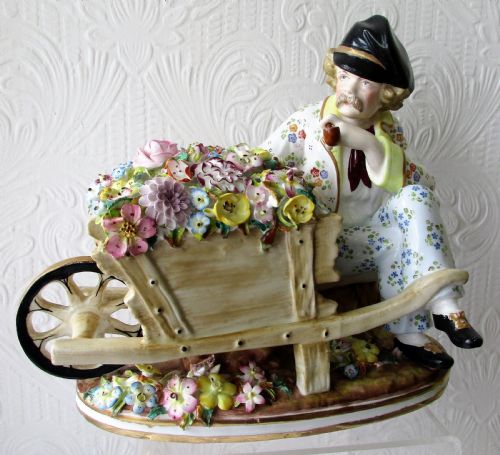
Moulding and hand-modelling shape the figures, sometimes incorporating applied details like floral bocage backgrounds or touches of gold leaf.
Firing techniques determine the stability of the glaze and the vibrancy of the painted enamels applied to the porcelain surface.
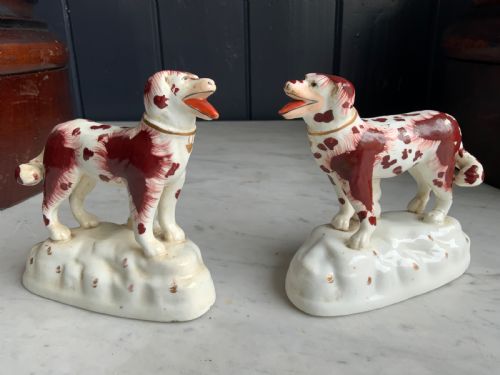
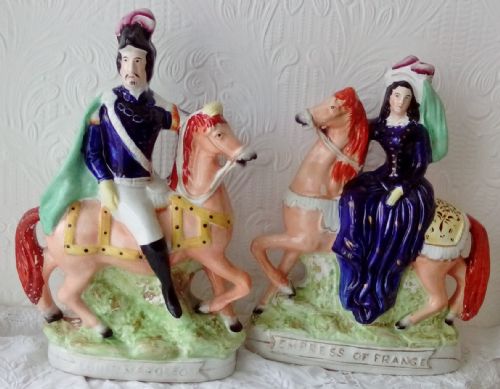
Napoleon shares shelf space here with French royalty, eighteenth-century stags, and spaniels.
Quality and execution
The crispness of the modelling and the precision of the hand-painted enamel decoration separate masterworks from routine production pieces.
Early figures rely on the subtlety of the paste and the delicacy of the glazing, whereas later bone china relies on uniform casting and detailed facial expression.
The preservation of fine applied elements such as porcelain flowers and foliage dictates the overall integrity of the ornament.
Royal Doulton·Royal Worcester·John Bevington
The English Porcelain Ornaments Glossary
- Bone china
- A type of porcelain incorporating bone ash, yielding a durable body with a warm white tone. It permits thinner walls and finer forms in later figures.
- Soft-paste porcelain
- An artificial porcelain mixture fired at lower temperatures, common in eighteenth-century factories like Bow and Derby. It produces a creamy translucency under glaze.
- Bocage
- An applied background of leaves and flowers modelled around a figure. It frames eighteenth-century figures from factories such as Derby.
- Spill vase
- A hollow vessel designed to hold taper spills for lighting candles or fires. These often take the form of animals or figural groups.
- Enamel
- Vitreous colours fused to the porcelain surface during a secondary firing. These provide the painted palette on figures and vases.
English Porcelain Ornaments: Frequently Asked Questions
How do I date an English porcelain figure?
Dating relies on factory marks stamped or painted on the base, combined with stylistic cues like clothing styles and modelling techniques.
Early eighteenth-century pieces often lack marks and depend on paste analysis and form comparison to establish their period.
What is the difference between soft-paste and bone china?
Soft-paste porcelain uses a mixture of glass and clay fired at lower temperatures, giving an early, creamy appearance.
Bone china includes calcined bone ash in the formula, creating a stronger and whiter body utilised in later periods.
How were spill vases used historically?
Spill vases sat on mantelpieces to hold thin rolls of paper used for transferring flames from the hearth to candles or pipes.
Their figural designs allowed them to double as decorative ornaments when empty.
How should I display porcelain ornaments?
Display these pieces in stable cabinets away from direct sunlight to protect the enamel colours from fading over time.
Ensure shelves offer secure placement to prevent accidental tipping of delicate forms like bocage figures.