



English Pewter Plate
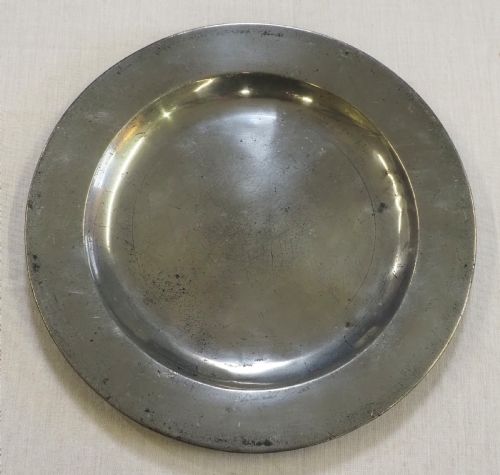
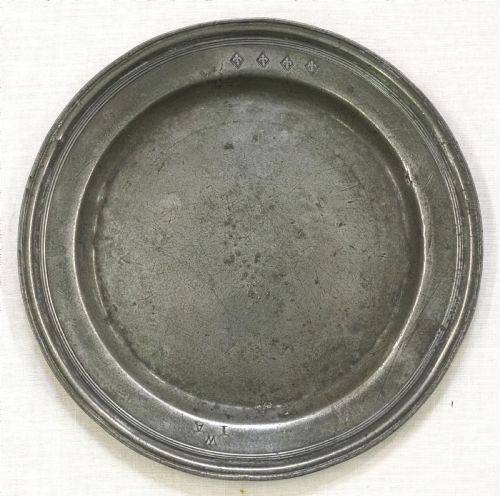
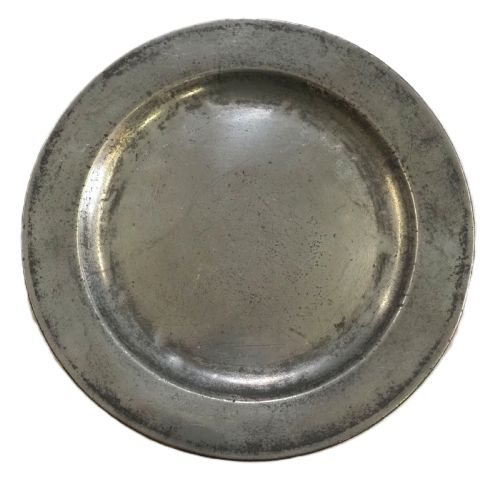
An English pewter plate brings the tactile weight of domestic history into a room, spanning plain rims, broad chargers, and reeded edges from the seventeenth century onward.
English Pewter Plate
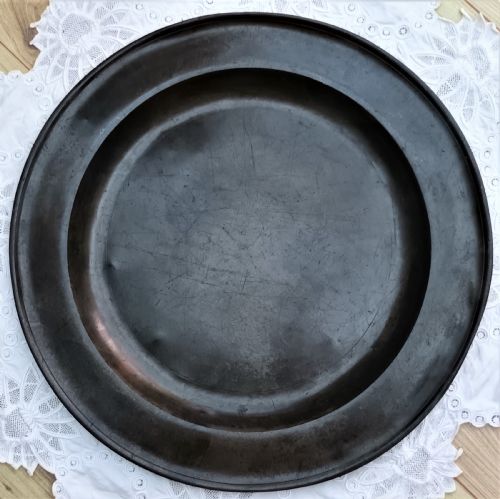
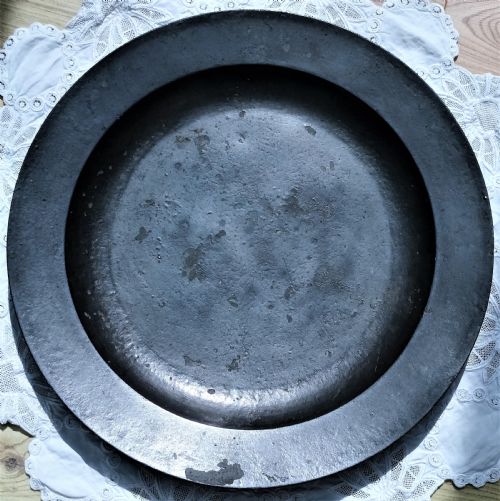
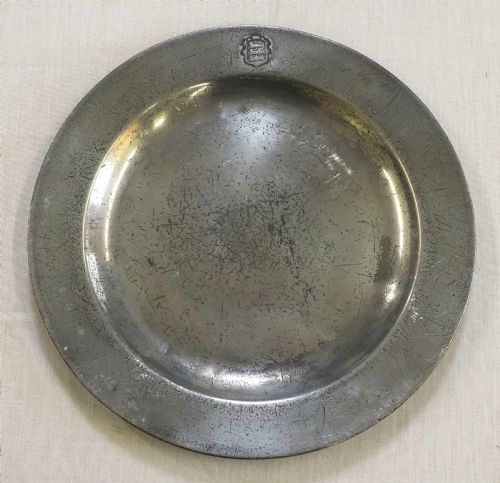
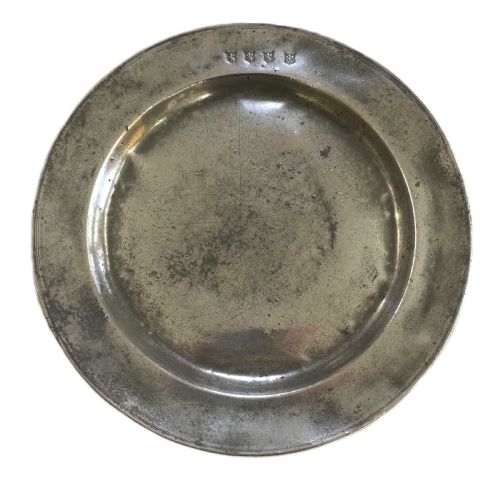
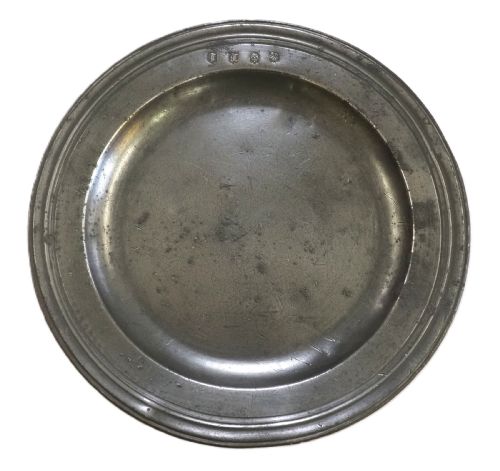
The selection includes plain rim plates, narrow rim variants, and deeply dished platters alongside multi-reeded and triple-reeded designs. Makers stamped their work with touches, creating distinct regional identifiers from London workshops as well as provincial centres like Exeter, Bristol, and Worcester.
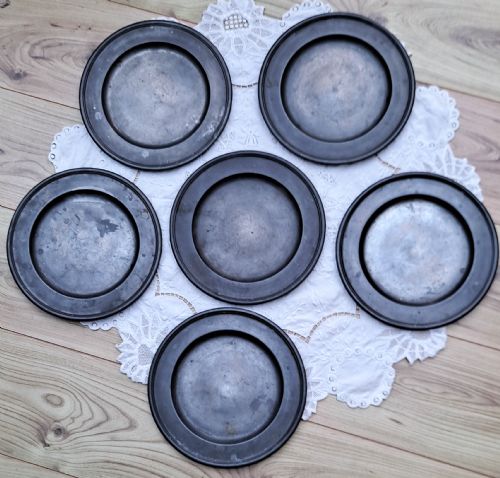
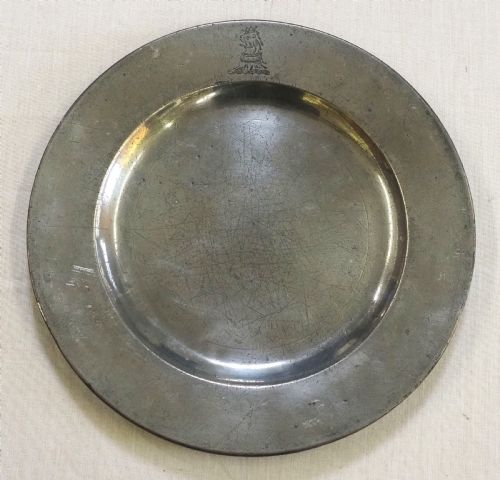
Pieces frequently surface as individual items, matched pairs, or sets of four and six. Some carry armorial crests or engraved initials, pointing to their original status in wealthy households or civic institutions.
How they were made
Pewter is a malleable alloy composed principally of tin combined with lead, copper, or bismuth, giving the metal a dull grey lustre that deepens with age. Founders cast these plates in moulds before turning them on lathes to smooth the surfaces and achieve precise rim profiles.
Craftsmen applied decorative touches such as hammer marks across the surface or incised lines along the borders using simple hand tools. Makers then struck their personal touches or touchmarks directly into the soft metal to certify the alloy standard and workshop origin.
The selection spans from seventeenth-century Stuart designs through Georgian plain rim plates up to nineteenth-century examples in pure pewter.
What varies in quality
The distinction between ordinary and exceptional pieces rests on the crispness of the maker touchmark, the weight of the metal, and the complexity of the rim moulding. Heavy, well-balanced chargers with clear maker stamps and minimal distortion command greater attention than worn, thin examples.
Subtle details such as incised borders, wavy edges, or engraved armorial crests elevate a standard plate into a notable specimen of metalwork artistry. The survival of original surface texture, free from excessive modern repolishing, preserves the historic character of the piece.
John Duncomb·William Wright·Samuel Smith·T & H Compton·James Spackman·Richard King·Wood & Michell·John Trapp II·John Tubb·Robert Moulins II·Humphrey Evans II·Thomas Templeman·Edward Leapidge I·Nehemiah Cloudesley·John Barlow·S Duncomb·Yates Birch & Spooner·John Hulls·Christopher Banckes I·Hugh Masham·Russell Laugher·John Osborn II·John Williams·Francis Piggott·Spackman & Grant
The English Pewter Plate Glossary
- Touchmark
- Maker's stamp pressed into the soft metal. These small symbols identify the workshop and act as a primary indicator of origin.
- Charger
- Large decorative or serving dish. These substantial vessels often measured over twenty inches across and formed the centrepiece of formal dining tables.
- Reeded rim
- Border decorated with raised parallel concentric rings. Craftsmen turned these decorative lines directly into the metal during finishing.
- Broad rim
- Wide flat edge surrounding the central well of the plate. This older style typifies seventeenth-century domestic metalware.
- Basin
- Deeply recessed central well of a plate or dish. Deeper versions held liquids or sauces during communal dining.
English Pewter Plate: Frequently Asked Questions
How do I clean an antique pewter plate?
Historic metal surfaces require minimal intervention to preserve their soft grey patina and subtle oxidation. Warm water and mild soap remove surface dirt safely.
Harsh abrasive polishes strip away centuries of accumulated character and damage the soft alloy. Gentle drying with a soft cloth prevents water spotting.
Can I use these plates for daily dining?
Older alloys often contain lead, making them unsuitable for modern food consumption, particularly with acidic items. These pieces function best as decorative objects or historic study specimens.
Displaying them on plate racks or walls protects the soft metal from scratching and bending under heavy modern use.
What does a maker touchmark tell us?
Touchmarks record the identity of the craftsman and occasionally the town where the workshop operated. Guild regulations required founders to stamp their standard of metal.
Matching these symbols against historical touchmark registers helps date the manufacture and trace the lineage of regional English metalsmiths.
Why do some plates have broad rims?
Broad flat borders characterised seventeenth-century dining plates before fashion shifted towards narrow rims and deeper wells in later decades. These wide margins provided space for hands or heraldic engraving.
Heavier metal content in these early examples gave the dining service stability on uneven seventeenth-century tables.