



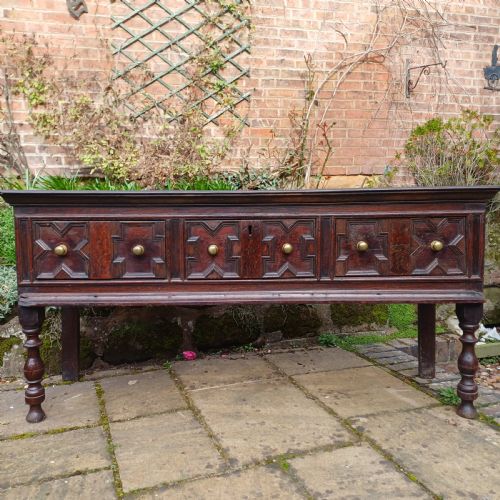
English Oak Low Table
An English oak low table brings centuries of sturdy provincial craftsmanship into a modern sitting room.
English Oak Low Table
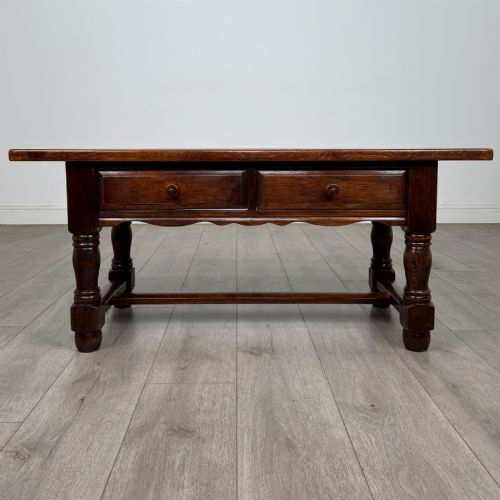
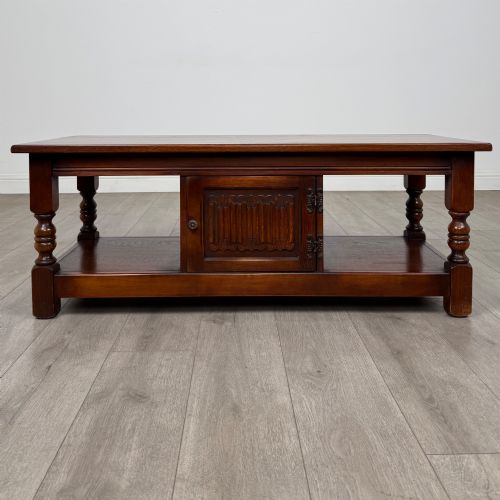
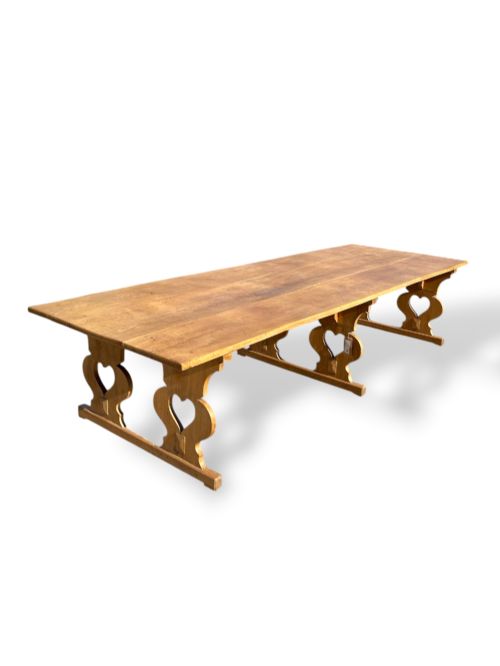
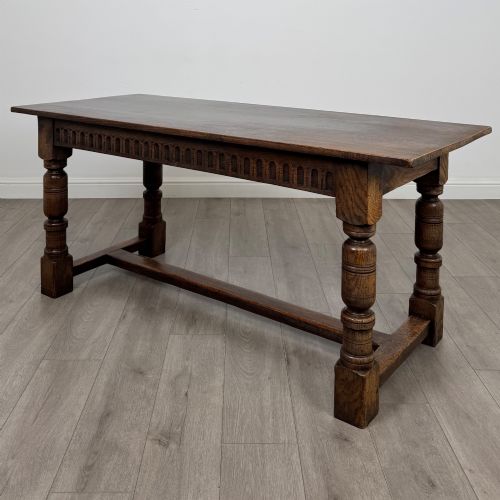
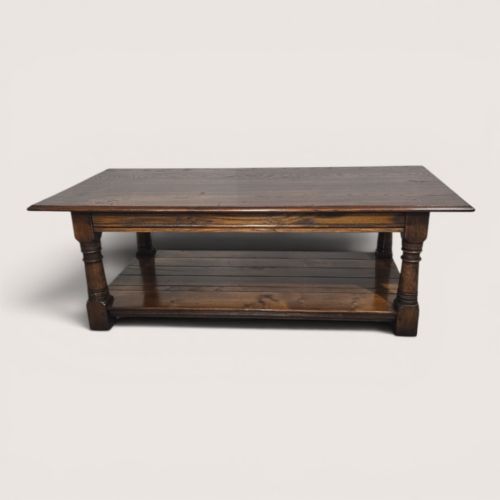
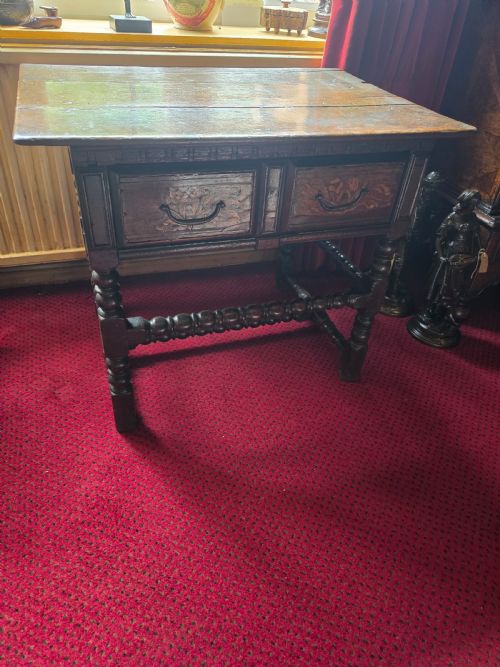
When you search for an english oak low table, you encounter a versatile category of domestic furniture drawn from seventeenth, eighteenth, and nineteenth-century domestic life. Many pieces began life as taller forms such as dresser bases, side tables, lowboys, or serving boards before finding a second existence at a reduced height in contemporary interiors.
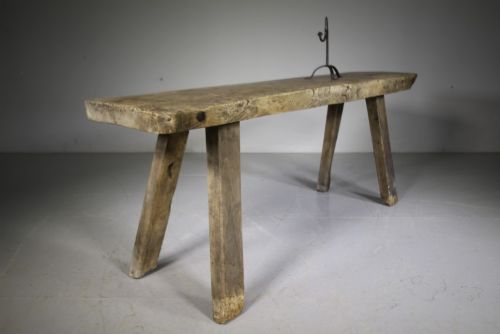
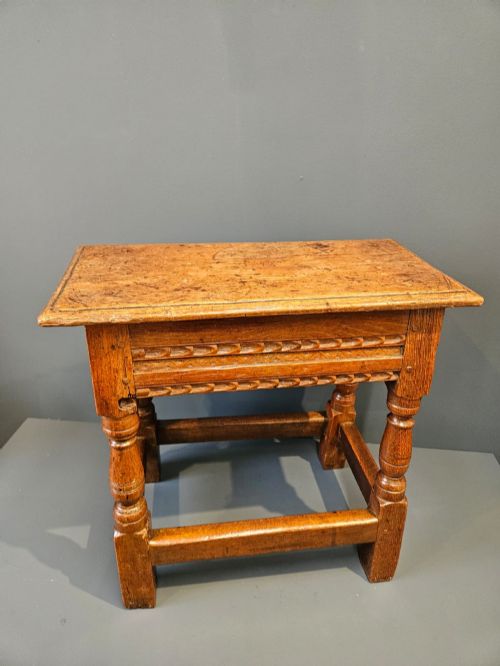
The selection also includes vernacular items like pig benches and joint stools adapted for surface use, alongside later revival pieces and occasional tables from the Edwardian era. These low surfaces display the honest proportions and utilitarian origins of English country and Georgian workshops.
The materials span solid native timber supplemented occasionally by elm or ash, often retaining patinated surfaces built up through generations of use.
Materials and Construction
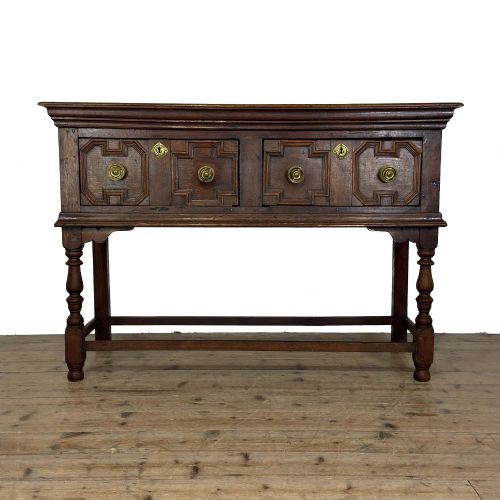
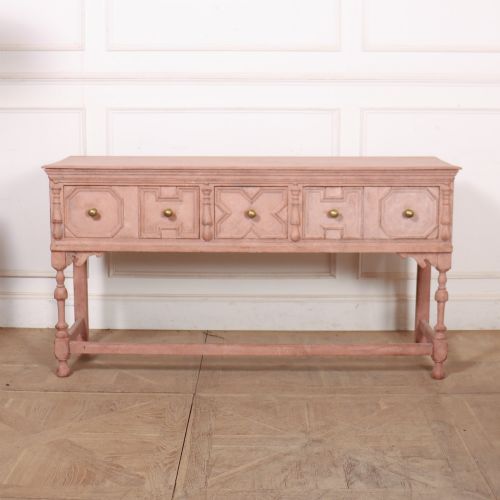
Makers relied primarily on native English oak, selected for its strength and grain, sometimes combining it with secondary woods like elm or ash in structural or secondary elements. Iron and brass fittings, including drawer pulls and structural brackets, appear alongside wood inlay and painted timber finishes.
Joinery methods involved traditional pegged mortise and tenon frames, geometrical moulding on drawer fronts, and plank construction designed for heavy daily service. Surfaces show the marks of hand planing and early sawing techniques rather than industrial uniformity.
Several listings proudly preserve the honest identity of antique pig benches repurposed as charming, low coffee tables.
Evaluating the Pieces
Quality rests upon the integrity of the timber, the depth of the natural patina, and the proportion of original material retained through any height alterations. Pieces retaining their original seventeenth or eighteenth-century drawer configurations, hardware, and unblemished structural framing command greater consideration.
Finer examples display crisp geometric mouldings, harmonious timber figuring, and honest signs of age that enhance the surface rather than obscure the construction.
Gillows·Waring and Gillow
The English Oak Low Table Glossary
- Lowboy
- A small oak side table or dressing table fitted with one or more drawers, standing on relatively slender legs. These eighteenth-century forms frequently serve as low coffee tables today.
- Dresser base
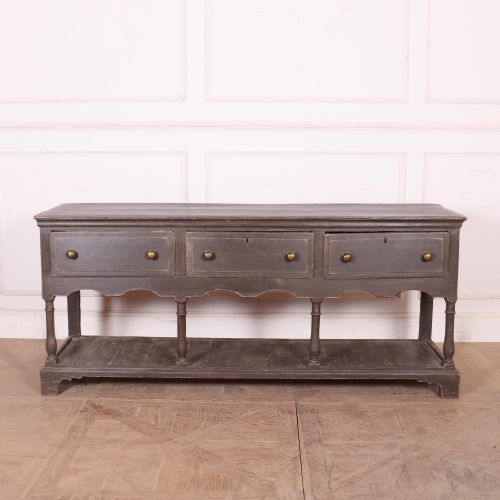
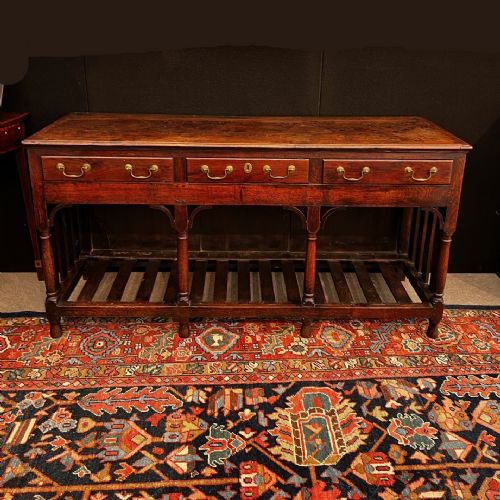
- The lower section of a dining room storage unit, featuring cupboards and drawers beneath a robust top board. Many surviving examples have been shortened to function as low tables.
- Joint stool
- A sturdy wooden stool constructed with pegged mortise and tenon joinery rather than turned legs alone. These low seating pieces double readily as small occasional tables.
- Potboard
- A lower open shelf built between the legs of a dresser base or side table, originally designed to hold pots and pans. This feature provides a practical lower tier on adapted low tables.
- Patina
- The deep, lustrous surface sheen developed on oak over centuries through handling, polishing, and exposure to light. A rich patina distinguishes untouched antique timber from modern surfaces.
English Oak Low Table: Frequently Asked Questions
How do I use a low table in my living room?
An English oak low table serves naturally as a central coffee table, bringing warmth and historical texture to a modern seating arrangement. Its low profile and solid surface provide a stable platform for books, lamps, and daily objects.
Because these pieces were constructed from durable native timber, they withstand everyday use while adding distinct character to a room.
Are these tables cut down from taller furniture?
Many examples originate from taller eighteenth-century forms such as dresser bases, side tables, or writing lowboys that have been reduced in height to suit contemporary sitting room proportions. This adaptation has a long tradition in vernacular furniture.
Examining the lower leg proportions and structural framing reveals whether a piece has undergone this historic transformation.
How do I care for antique oak surfaces?
Maintain the finish by dusting with a dry cloth and occasionally applying a traditional beeswax to nourish the dry timber. Avoid placing these tables near direct heat sources or strong sunlight, which can dry out the ancient wood.
Gentle care preserves the natural patina built up over centuries of domestic service.
How can I tell the seventeenth century pieces apart from later ones?
Seventeenth-century examples often feature deeper hand-carved ornamentation, geometric mouldings on drawer fronts, and darker, heavier oak timbers joined with visible wooden pegs. Eighteenth-century pieces frequently display cleaner Georgian lines, lighter golden tones, and occasional cross-banding or brass hardware.
Looking closely at the joinery and tool marks helps determine the approximate period of manufacture.