

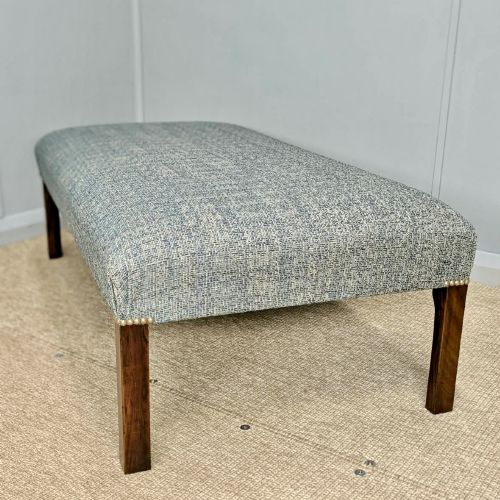
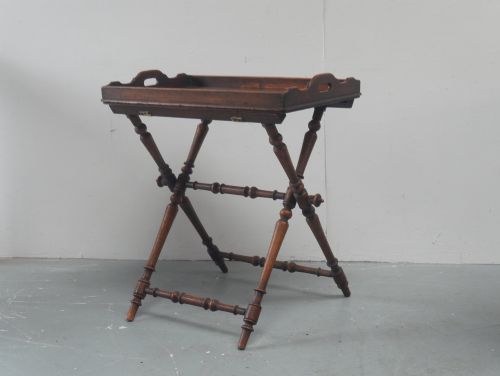
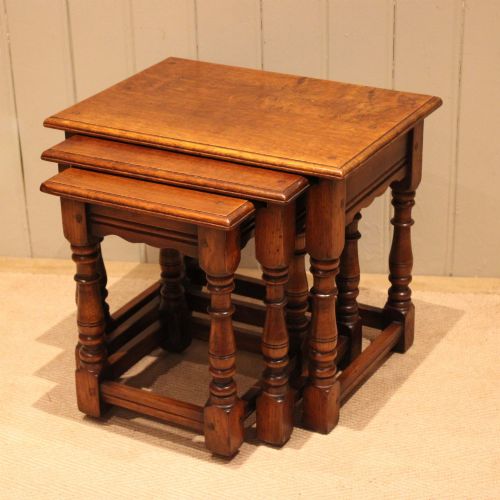
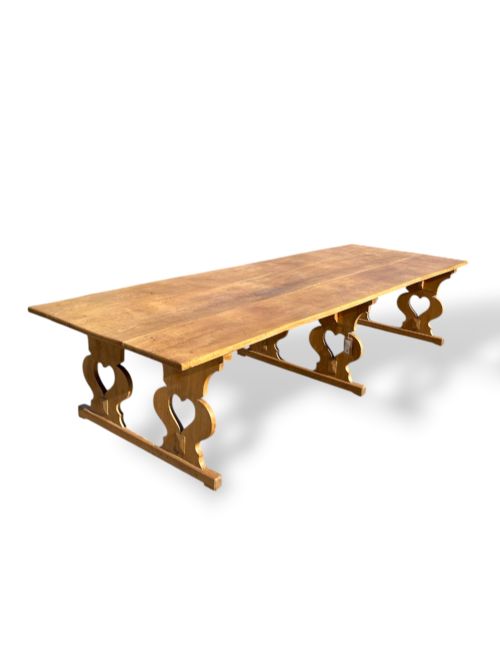


English Country Coffee Table
An English country coffee table brings tactile warmth and domestic history into a room through honest timber and vernacular craft.
English Country Coffee Table
An English country coffee table brings together centuries of domestic utility and regional carpentry, ranging from Victorian and Edwardian examples to those dated to 1860, 1920, and the nineteenth century. These low tables emerge in various forms, including carved designs, plank constructions, and painted surfaces.
The pieces on this page span several distinct stylistic interpretations of the rural tradition. Visitors will encounter rustic farmhouse tables, Jacobean revival and Jacobean style pieces, along with straightforward English country forms.
Materials vary across the selection to reflect local availability and traditional workshop practices. Oak, pine, metal, leather, and paint appear frequently, alongside occasional uses of elm and chestnut found in archive pieces.
Materials and construction
Makers utilised solid domestic timbers such as oak, pine, elm, and chestnut to build these durable low tables. Planks were selected for strength and grain pattern, forming robust tabletops designed to withstand daily use.
Surface treatments range from natural waxed finishes highlighting the golden or dark tones of the wood to historic painted applications. Carving appears on specific Edwardian and Victorian examples, introducing ornamental detail to structural woodwork.
English Country Coffee Table Retail Price Guide 2026
Typical asking prices for english country coffee table among the pieces listed under this phrase on Sellingantiques today, from the lower quarter to the upper quarter. They describe what is for sale here now, not the wider market.
Some tables were built low enough to double as magazine repositories before anyone invented the term coffee table.
Assessing quality and character
Quality in an English country coffee table rests in the integrity of the timber and the honesty of the construction. Tables fashioned from thick oak planks or featuring well-proportioned turned supports demonstrate superior material selection compared to lighter utility builds.
The distinction between ordinary and exceptional examples often lies in the depth of the patina and the subtlety of the surface finish. Original paintwork or untouched aged timber carries more visual resonance than later surface interventions.
The English Country Coffee Table Glossary
- Plank table
- A table constructed from wide boards joined side by side to form the top. This method allows the natural grain and knots of the timber to dominate the surface appearance.
- Jacobean revival
- A nineteenth-century style that imitates seventeenth-century English furniture characteristics. It frequently incorporates dark oak, heavy turning, and geometric carved motifs.
- Patina
- The surface sheen and colour acquired by wood and metal through decades of handling, polishing, and exposure to light. It serves as a visual indicator of age and consistent use.
- Vernacular furniture
- Domestic pieces made by local tradesmen using regional materials rather than following metropolitan high-style designs. These items prioritise utility and local building traditions.
English Country Coffee Table: Frequently Asked Questions
What defines an English country coffee table?
These pieces are low tables constructed in Britain using traditional domestic timbers like oak, pine, elm, or chestnut. They reflect regional carpentry styles ranging from rustic farmhouse to Jacobean revival.
Their forms are typically robust and unpretentious, designed originally for practical domestic tasks before finding a permanent home beside modern seating.
How do I date an older wooden table?
Dating relies on observing construction methods, tool marks, and timber characteristics alongside overall style. Nineteenth-century and Edwardian pieces often display specific joinery techniques and patination that mark their era.
Comparing the primary wood, such as golden oak or painted pine, helps anchor the piece within periods like the Victorian era or the 1920s.
Are painted finishes period-correct?
Historic painted surfaces do appear on country furniture, reflecting regional domestic customs of adding colour or protecting softer woods. Original painted finishes show appropriate wear and integration with the substrate.
Evaluating the paint requires looking for craquelure and organic fading that align with nineteenth-century or earlier application methods.
How do I care for antique timber?
Maintaining these tables involves keeping them away from direct heat sources and sudden humidity changes to prevent wood movement. Gentle cleaning with a soft cloth preserves the historic surface.
Applying traditional wax occasionally helps nourish dry timber and maintains the subtle sheen built up over generations of use.