

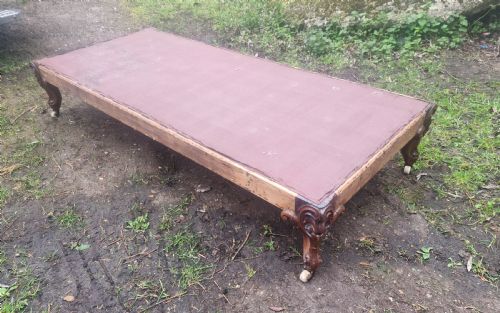
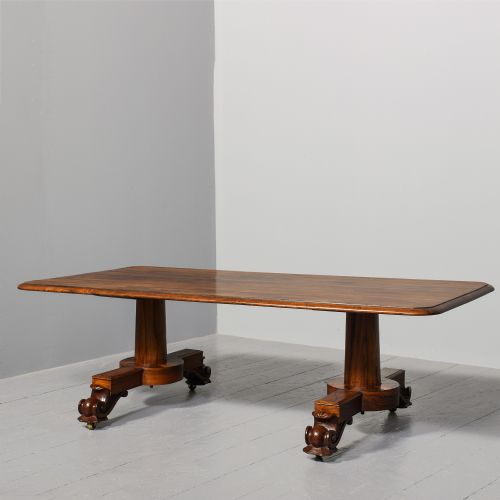


Large Rectangular Coffee Table
These large rectangular coffee table designs anchor a room with substance, bringing generous proportions and heritage timbers straight to your living space.
Large Rectangular Coffee Table
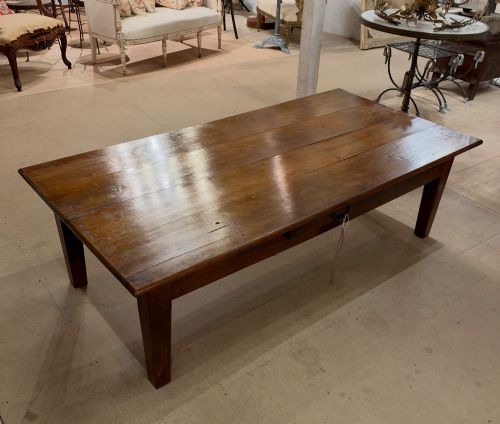
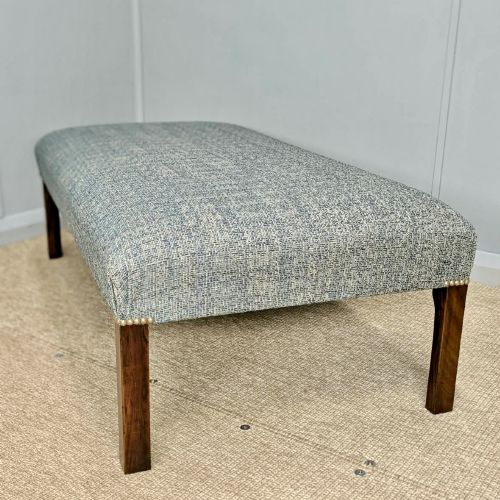
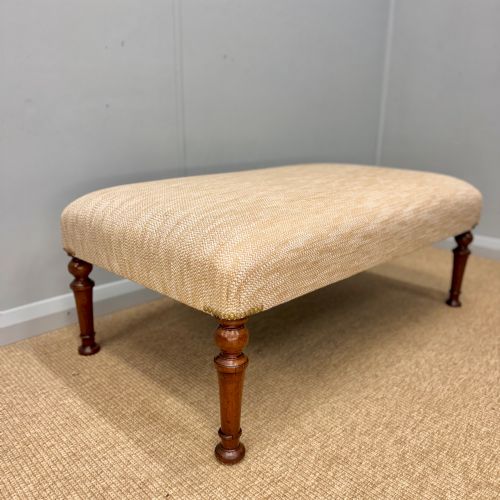
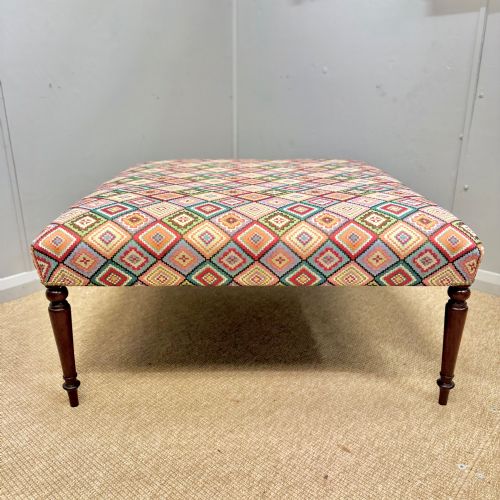
A large rectangular coffee table brings generous surface area and architectural presence to a sitting room, frequently adapting earlier forms such as footstools, ottomans, and centre tables. These pieces provide a solid visual anchor in larger reception rooms where smaller tables look lost.
The selection here draws primarily upon nineteenth-century pieces, including Victorian and Regency examples, alongside Georgian and early twentieth-century country house interpretations. Many items began life as low stools or centre tables before finding a new role in modern interiors.
Materials span rich timbers like mahogany, rosewood, elm, and golden oak, often paired with leather, cane, or upholstered surfaces. Buyers find everything from formal Regency rosewood tables to rustic oak and country house ottomans.
How they were made
Cabinet makers relied on dense hardwoods including mahogany, rosewood, and oak, selecting timber for strength and deep natural grain. Frames were joined using traditional methods that ensured stability across broad rectangular surfaces.
Upholstered variants incorporate buttoned leather, woven fabric, or cane seating supported by sturdy timber framing. Carved details and turned legs appear on mid-Victorian centre stools, while simpler rustic forms utilise elm and oak planks.
Large Rectangular Coffee Table Retail Price Guide 2026
Typical asking prices for large rectangular coffee table among the pieces listed under this phrase on Sellingantiques today, from the lower quarter to the upper quarter. They describe what is for sale here now, not the wider market.
Several items here began life as cane-seated stools before finding retirement as resting places for heavy art books and morning coffee.
What varies in quality
The distinction between ordinary and exceptional pieces lies in the choice of timber and the crispness of any carved or turned detail. Dense rosewood and finely figured mahogany denote higher workshops, while simpler elm and oak represent more vernacular traditions.
Proportion and structural integrity dictate the lasting appeal of each piece. Tables that retain their original timber surfaces, unaltered frames, and authentic upholstery foundations hold greater integrity than heavily adapted examples.
The Large Rectangular Coffee Table Glossary
- Centre table
- A freestanding table designed to stand in the middle of a room rather than against a wall. These often feature finished detail on all four sides.
- Ottoman
- A low, upholstered seat or bench without a back or arms. Many large examples serve double duty as coffee tables in contemporary settings.
- Regency
- An English architectural and decorative style dating from the early nineteenth century. It is known for classical restraint and the use of dark exotic woods like rosewood.
- Cane seated
- Furniture featuring woven rattan or cane panels. This technique adds texture and lightness to sturdy timber frames.
Large Rectangular Coffee Table: Frequently Asked Questions
How do I style a large table?
Balance the expansive surface by grouping books, trays, and decorative objects in asymmetric arrangements. Leave enough clear timber or leather exposed to appreciate the grain and texture.
Keep taller items minimal so the table remains functional for everyday use and conversation across the room.
Can I use an ottoman as a table?
Upholstered ottomans make excellent alternative coffee tables when paired with a sturdy wooden tray for drinks and glassware. This setup combines soft textures with a stable flat surface.
Buttoned leather and fabric versions introduce warmth and tactile comfort that rigid wooden surfaces cannot match.
What periods do these pieces span?
The selection encompasses items from the Georgian era through the Regency period and Victorian nineteenth century, extending into the nineteen-thirties. Each era brings distinct timber choices and aesthetic priorities.
Victorian pieces often showcase heavier carved rosewood or oak, while Georgian and Regency examples favour refined classical lines.