



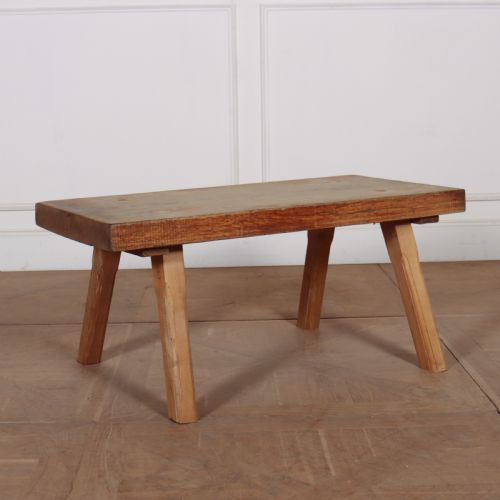


Rustic Pine Coffee Table
A rustic pine coffee table brings warmth and vernacular character to a sitting room through honest, timber construction.
Rustic Pine Coffee Table
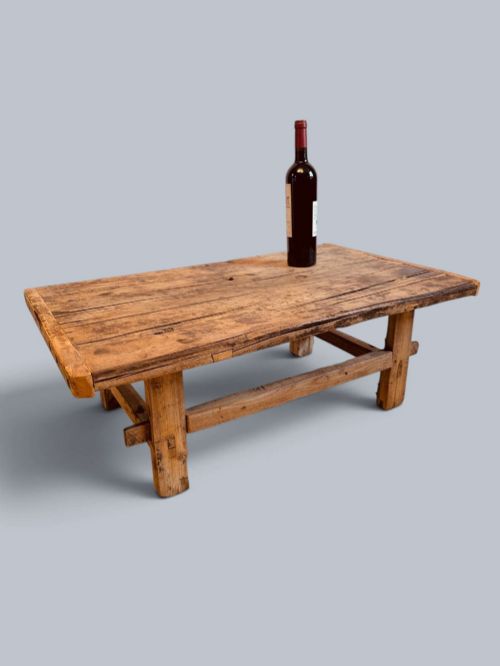
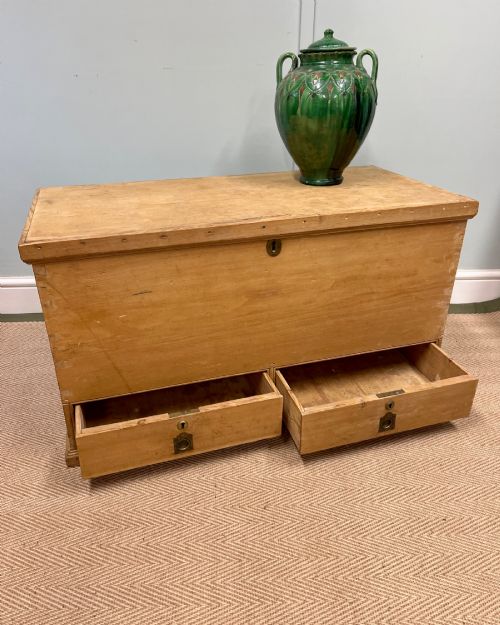
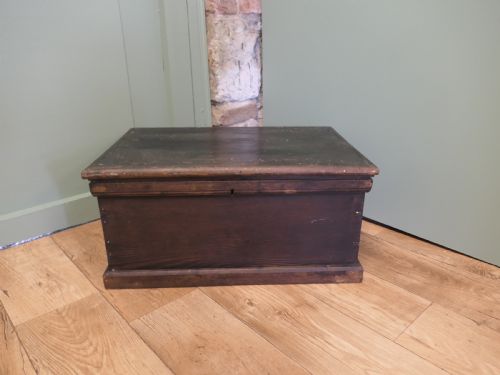
A rustic pine coffee table is a low domestic surface adapted from everyday vernacular forms or constructed with country timber. Buyers searching this phrase encounter low tables, modified blanket boxes, trunks, carpenter's chests, and cobblers' benches in pine. These pieces span periods from the Victorian era and Edwardian years back to the nineteenth century, including English, French, and Dutch examples.
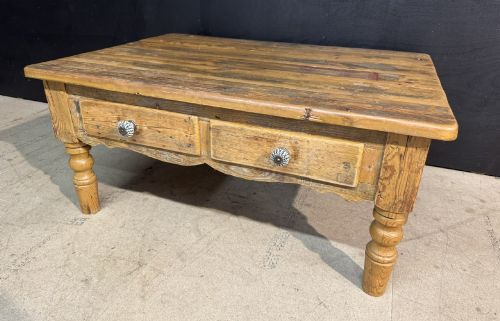
Many of these tables began life as storage chests, tool trunks, or work benches before conversion to domestic table height. Scrub tops, drawers, and lower shelves appear frequently across the pieces recorded in past and present inventory. The aesthetic leans firmly into country farmhouse and rustic chic traditions, prioritising utility and robust timber over formal cabinet-making.
Materials and construction methods
Construction relies heavily on solid pine timbers, sometimes bleached or scrubbed clean, paired with functional hardware in brass, iron, and other metals. Paint finishes also appear on certain English and continental surfaces, adding layers of historic colour and patina. Joinery is typically straightforward and utilitarian, designed to withstand heavy daily use in workshops, farmhouses, and domestic sculleries.
Adaptations from blanket boxes and carpenter's chests utilise the original dovetailed or boarded corners of the trunk, adjusted with lowered legs or stable plinths. Scrub tops show the grain raised through repeated washing and hard scrubbing, while applied mouldings and simple panel work reveal regional vernacular carpentry traditions.
Rustic Pine Coffee Table Retail Price Guide 2026
Typical asking prices for rustic pine coffee table among the pieces listed under this phrase on Sellingantiques today, from the lower quarter to the upper quarter. They describe what is for sale here now, not the wider market.
Recorded pieces span Edwardian, Victorian, and nineteenth-century eras, incorporating pine alongside brass, iron, and paint.
Assessing quality in country furniture
Quality in these pieces rests upon the integrity of the timber, the honesty of the conversion, and the depth of the natural patina accumulated over generations. Tables retaining their original scrub tops or authentic period hardware command greater interest than heavily sanded or artificially distressed modern imitations. The balance of proportions between the low surface and the heavy pine body dictates visual success in a modern interior.
The distinction between a purpose-built country table and a converted trunk lies in the subtlety of the alteration and the preservation of original tool marks or maker's scars. French and Dutch examples often display lighter bleached tones or more sculptural leg turnings, whereas English workshop pieces lean towards robust practicality and straightforward plank construction.
The Rustic Pine Coffee Table Glossary
- Scrub top
- A bare wooden table surface that has been repeatedly scrubbed with water and sand or soap to keep it clean and white. This process raises the grain and creates a distinctive textured finish.
- Blanket box
- A deep wooden chest historically used for storing household textiles, linens, and blankets. Many surviving examples are subsequently converted at a lower height to serve as coffee tables.
- Patina
- The surface sheen and colour depth developed on wood and metal through decades of handling, polishing, and natural ageing. A rich patina indicates genuine age and careful use.
- Dovetail
- A traditional wood joint formed by interlocking fan-shaped tenons and mortises, prized for its exceptional tensile strength. It appears frequently on the corners of antique chests and trunks.
- Vernacular furniture
- Domestic objects made by local craftsmen using regional materials and traditional techniques, prioritising function over high-style academic design.
Rustic Pine Coffee Table: Frequently Asked Questions
How do I clean a pine coffee table?
Maintenance requires little more than a soft, dry cloth to remove dust and occasional wiping with a damp cloth for spills. Avoid harsh chemical cleaners that strip the historic finish or modern waxes that build up heavy residues.
Applying a natural beeswax periodically helps nourish dry pine without altering the natural patina.
Are these coffee tables converted from old trunks?
Many examples begin their lives as blanket boxes, carpenter's chests, or cobblers' benches before conversion to table height. These modified pieces retain their original storage utility while serving a new domestic purpose.
Other items are built as low tables from the outset, drawing on farmhouse and country workshop traditions.
How do I date a Victorian pine table?
Dating relies on examining construction methods, such as hand-cut dovetails, tool marks, and the type of hardware attached. Victorian pine often displays darker original finishes, heavier planking, and simple turned legs.
Comparing the timber density and the wear patterns around the edges helps establish the period.