


English Oak Armchair
When choosing an english oak armchair, you select a piece of historic seating that brings structural honesty and tactile warmth to an interior.
English Oak Armchair
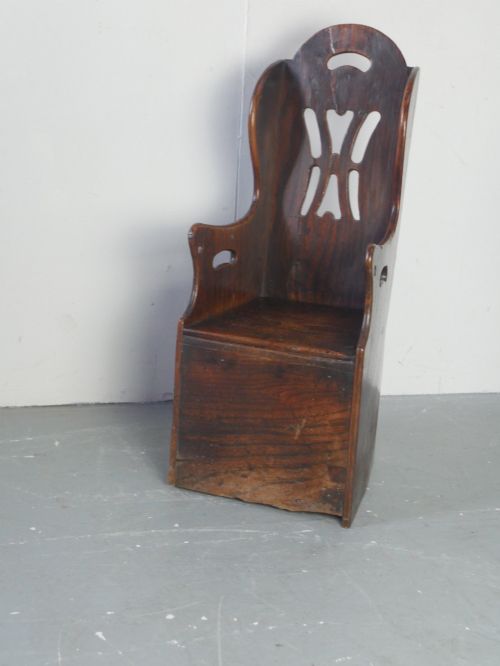
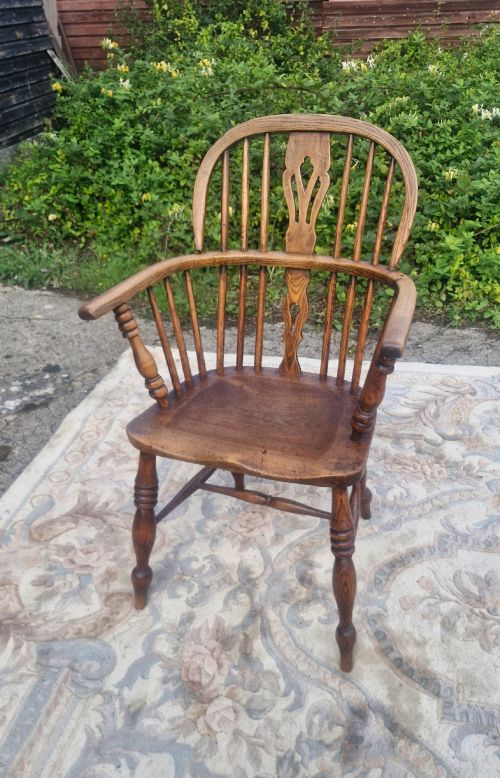
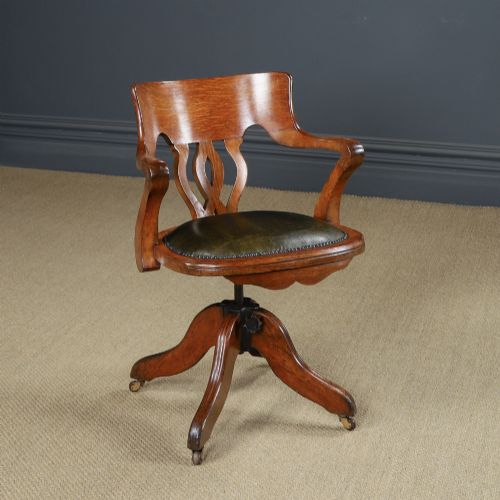
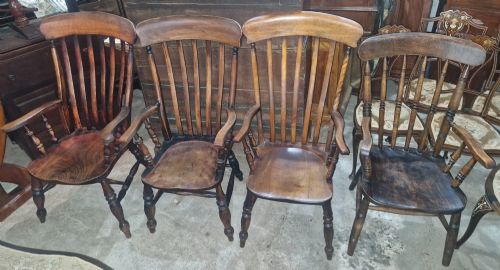
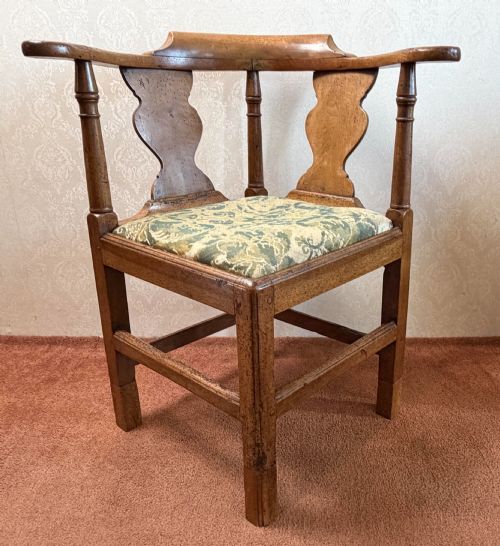
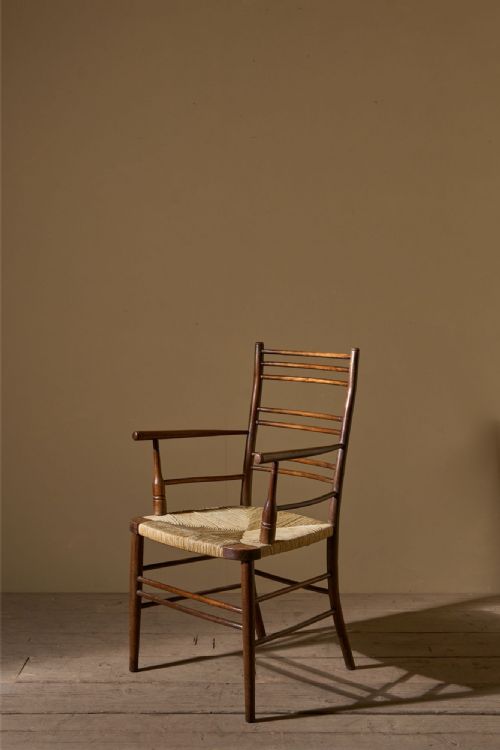
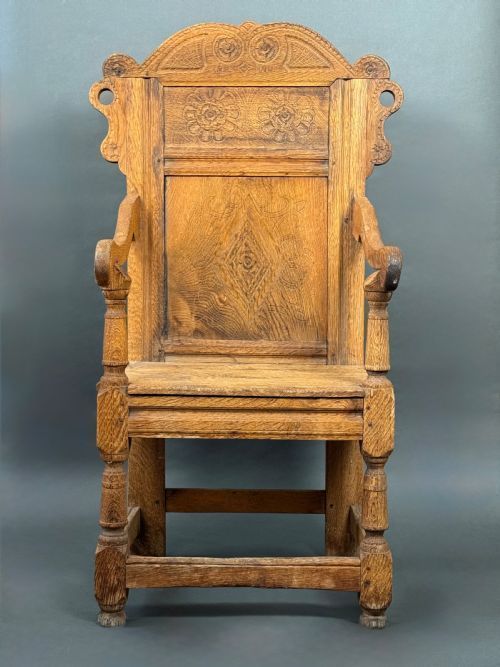
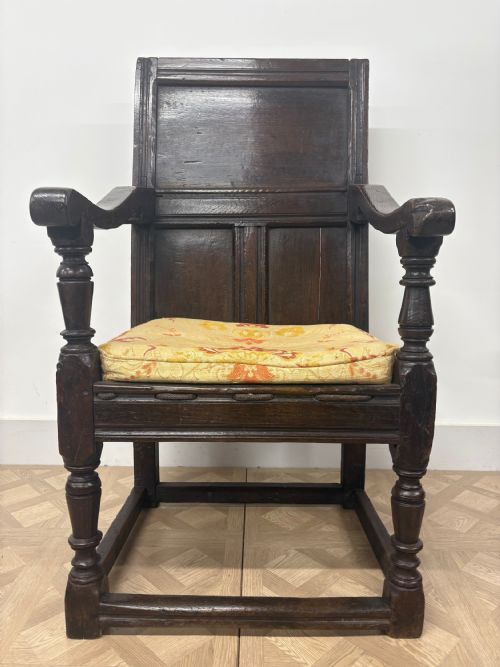
The english oak armchair encompasses heavy joined wainscot forms from the seventeenth century alongside vernacular country windsors, ladder backs, and office swivel chairs from later periods.
Buyers encounter solid timber frames shaped for domestic dining, fireside reading, or library desk work across various regional traditions.
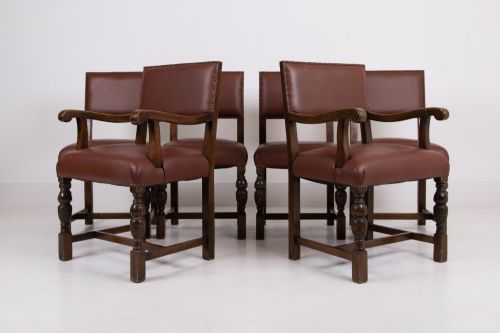
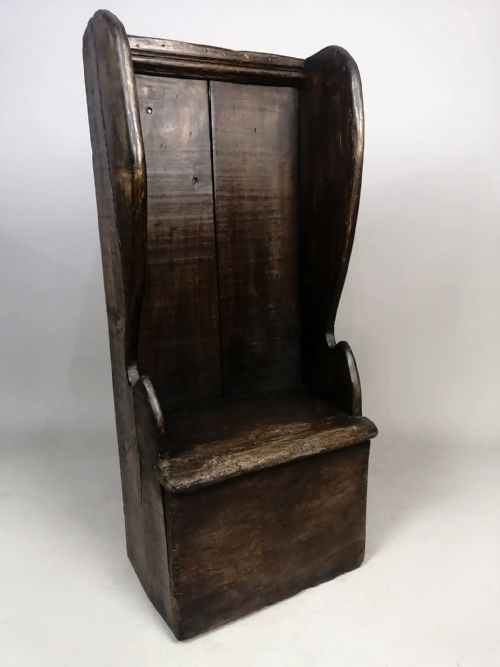
The selection ranges from early wainscot and lambing chairs through to Edwardian revolving office seating and arts and crafts interpretations.
Materials and Technique
Cabinet makers utilised dense native hardwoods, frequently combining oak frames with elm, ash, or beech seats to withstand heavy daily use.
Construction relies on traditional joinery techniques such as mortise and tenon joints, pegged framing, and steam-bent wooden hoops.
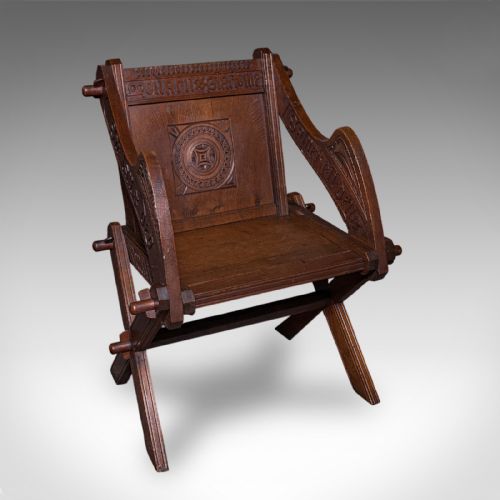
Surface detailing incorporates hand carving, turned spindles, panel moulding, and occasional additions of leather upholstery, rush, or brass fittings.
English Oak Armchair Retail Price Guide 2026
Typical asking prices for english oak armchair among the pieces listed under this phrase on Sellingantiques today, from the lower quarter to the upper quarter. They describe what is for sale here now, not the wider market.
Materials recorded across the inventory include solid oak, elm, ash, beech, yew wood, rush, and green leather.
Assessing the Standard
Quality rests upon the integrity of the original construction, the crispness of hand-carved details, and the survival of untouched patination on the timber surface.
Examples retaining their primary structural timber without extensive replacement parts command greater appreciation among traditional collectors.
The balance of proportions and the integration of secondary woods reveal the care taken by the original maker.
William Birch·Howard and Sons
The English Oak Armchair Glossary
- Wainscot chair
- A heavy wooden armchair constructed with panelled backboards, originating in the seventeenth century. These sturdy seats represent some of the earliest domestic furniture preserved today.
- Windsor chair
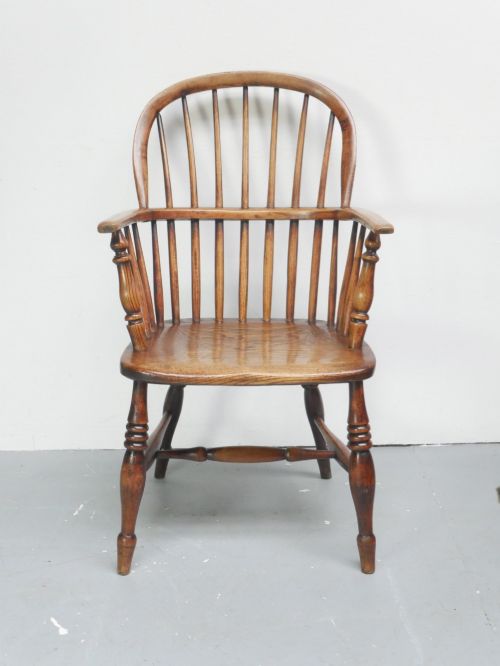
- A vernacular seating form featuring a solid wooden saddle-seat into which legs and back spindles are directly wedged. Regional variations include hoop backs, comb backs, and low backs.
- Smoker's bow
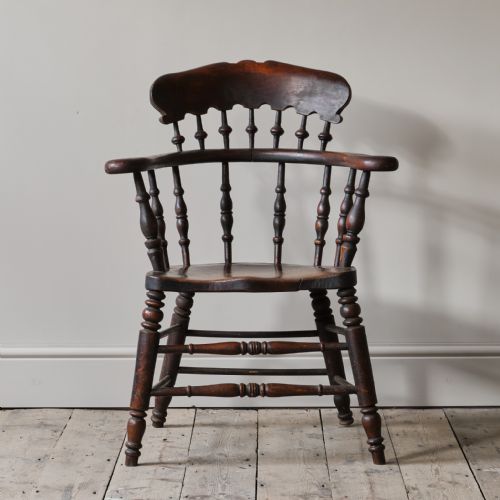
- A low-backed Windsor armchair with a rounded continuous arm bow, frequently found in country houses and captain's offices. They offer robust elbow support and sturdy construction.
- Bergere
- An upholstered armchair with woven cane panels set into the wooden frame. This technique adds lightness and texture to the seating design.
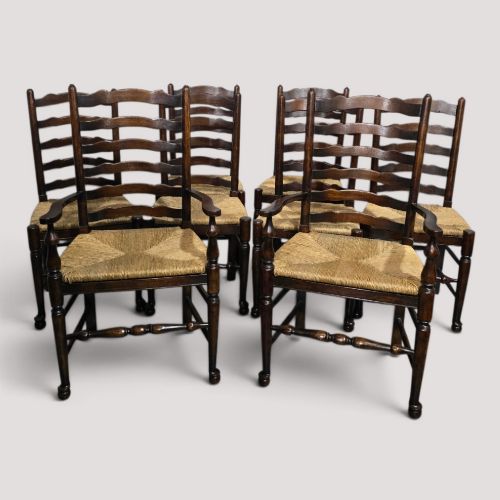
- Ladder back
- A chair back constructed with horizontal wooden slats or rails between upright posts. This traditional style often incorporates rush or wooden slip seats.
English Oak Armchair: Frequently Asked Questions
How do I identify a wainscot chair?
A wainscot chair is defined by its heavy panelled wooden back, solid armrests, and joined box frame construction dating to the seventeenth century.
These pieces rely on pegged joinery rather than metal fasteners, displaying deep tool marks and dense oak grains developed over centuries of exposure.
What is a smoker's bow chair?
A smoker's bow is a sturdy vernacular armchair with a curved wooden arm rail supported by short spindles above a shaped elm seat.
Originally designed for domestic reading or tavern use, this form provides a low, comfortable backrest and robust proportions suited to daily sitting.
Where were Windsor armchairs made?
Windsor armchairs were produced by regional rural makers across various English counties, utilising local hardwoods such as ash, beech, and elm.
Distinct regional characteristics emerge in the turning of the legs, the shaping of the central splat, and the profile of the bentwood hoop.
How should I care for historic oak furniture?
Historic oak requires stable room humidity and protection from direct sunlight to prevent timber shrinkage, splitting, or surface drying.
Applying occasional microcrystalline wax helps nourish the dry grain and preserves the accumulated patina built up across generations of use.