
English Oak Accent Table
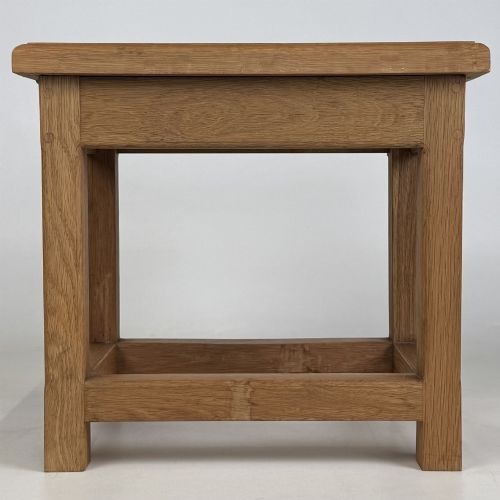
These English oak accent table pieces span centuries of provincial carpentry, offering sturdy occasional surfaces suited to daily domestic life.
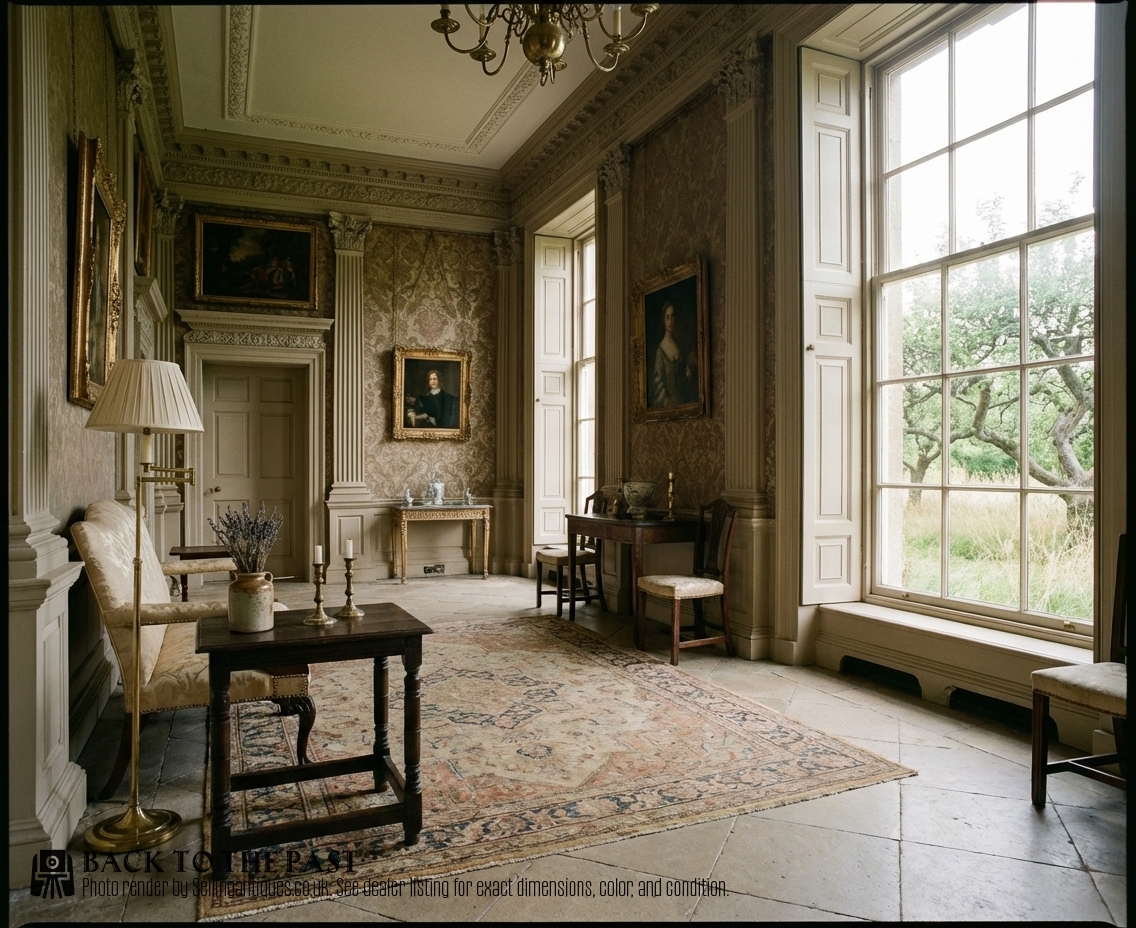
English Oak Accent Table
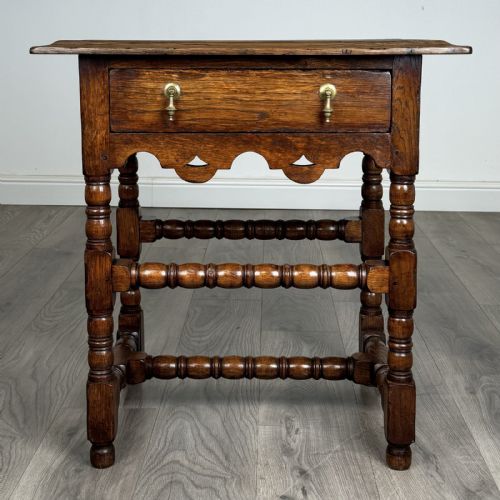
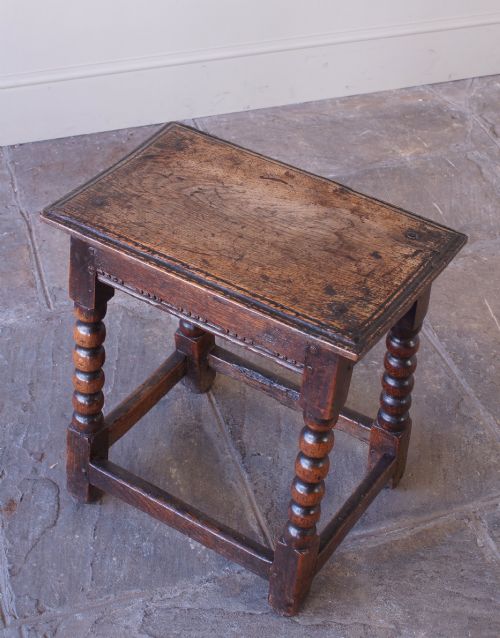
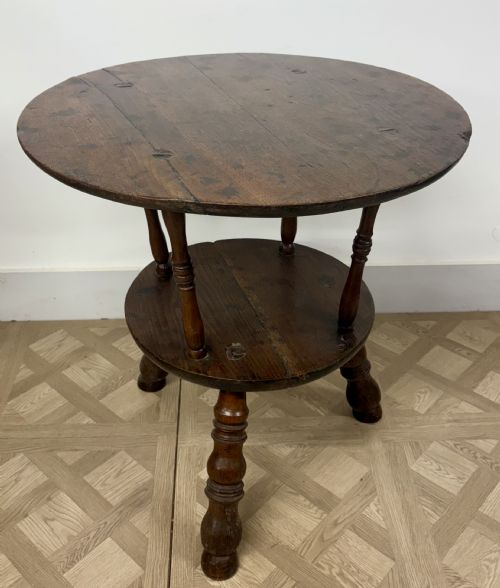
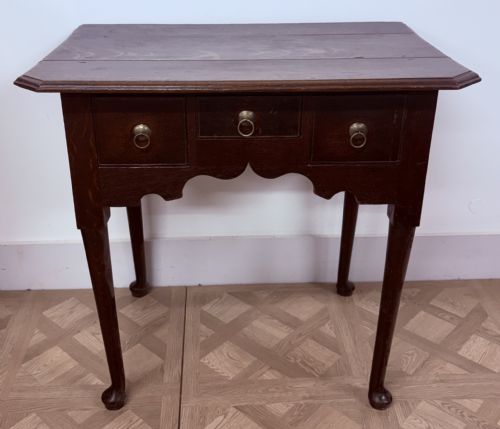
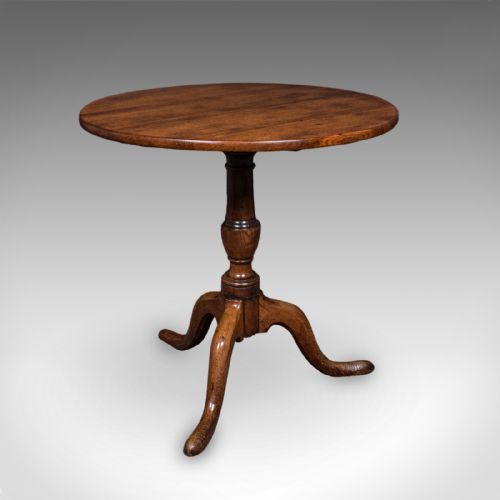
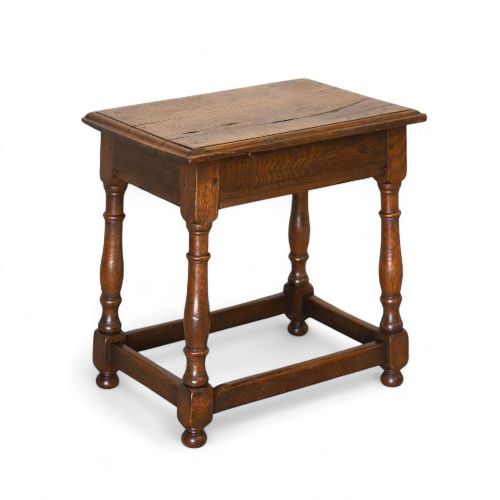
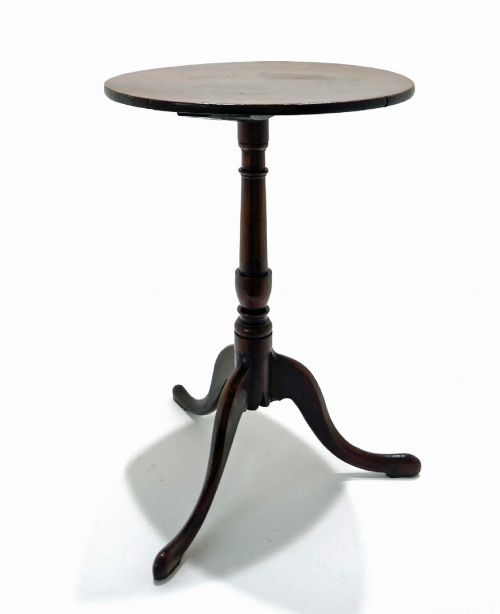
An english oak accent table takes several forms across the centuries, appearing most frequently as compact side tables, tripod cricket tables, and low joint stools used for occasional placement in a room. These pieces originate from provincial workshops and country houses, carrying utilitarian forms designed for everyday placement beside chairs or against walls.
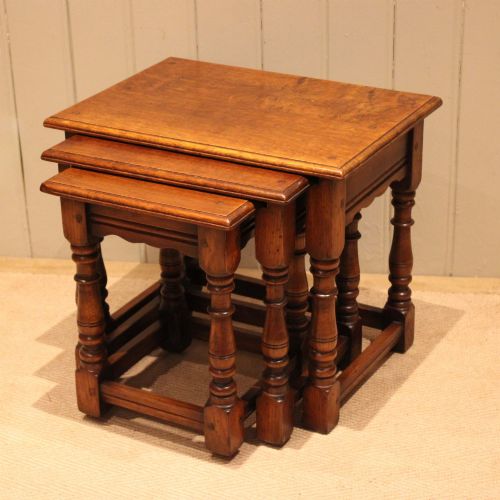
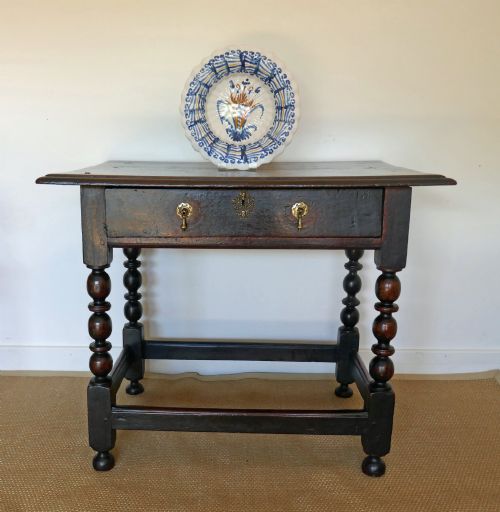
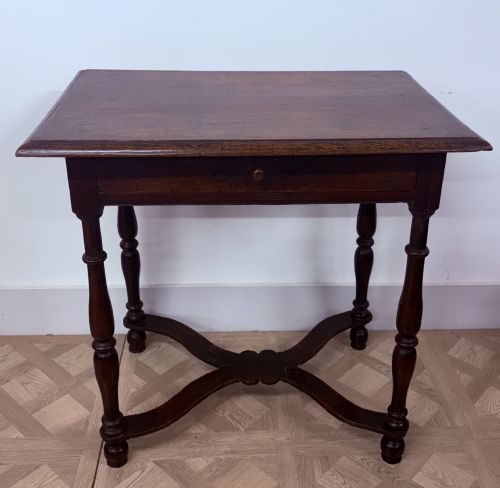
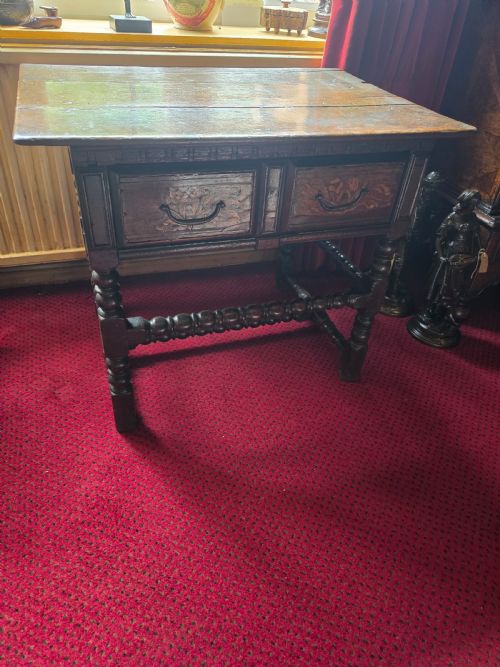
The selection here encompasses periods from the seventeenth century through to the early twentieth century, including Georgian, Victorian, and Edwardian interpretations alongside revival styles. Side tables with single drawers, tilt-top occasional pieces, and nested tables demonstrate how domestic furniture adapted from heavy seventeenth-century jointed construction to lighter nineteenth and twentieth-century formats.
How they were made
Makers relied primarily on solid timber frames, utilising oak supplemented by beech, pine, and yew wood for specific structural components or contrasting details. Joinery depended heavily on pegged mortise and tenon joints for stability, particularly in seventeenth-century joint stools and side tables.
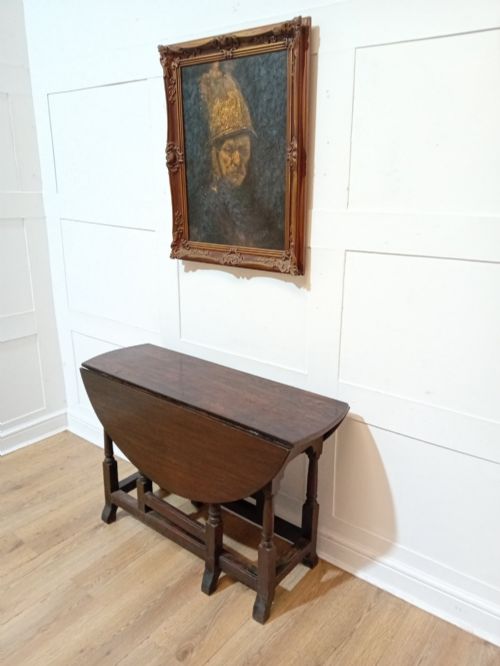
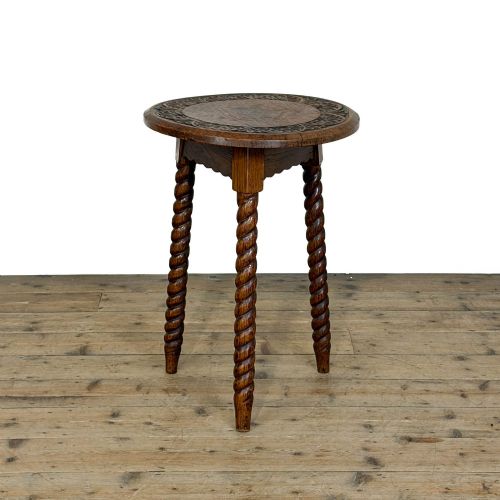
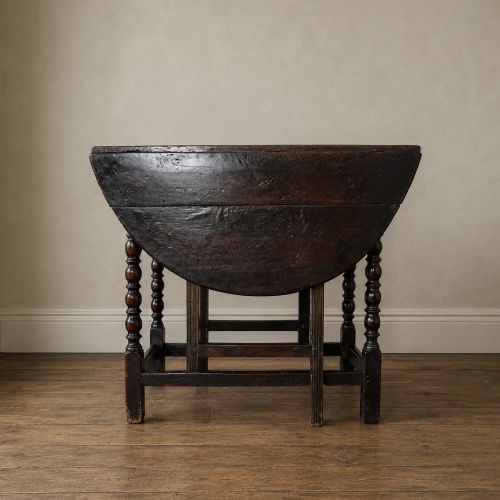
Surface finishing involved hand-planing and polishing to bring out the natural grain, occasionally incorporating wood inlay, painted finishes, or carved decoration such as barley twist turnings and zodiac motifs. Tripod tables utilised turned central columns fixed to timber legs, while drop-leaf gateleg variants required hinged wooden flaps supported by swinging legs.
What varies in quality
Quality rests in the integrity of the timber selection and the precision of the original joinery rather than ornamental elaboration. Pieces retaining their original unpainted surfaces and deep natural colour show superior ageing compared to examples stripped or heavily refinished in later centuries.
Proportion and balance distinguish finer provincial work, where slender columns on tripod tables or well-proportioned stretchers on side tables provide structural harmony. The retention of original hardware, such as brass pulls on drawers or early hinges on gateleg tables, elevates the integrity of the piece.
The English Oak Accent Table Glossary
- Cricket table
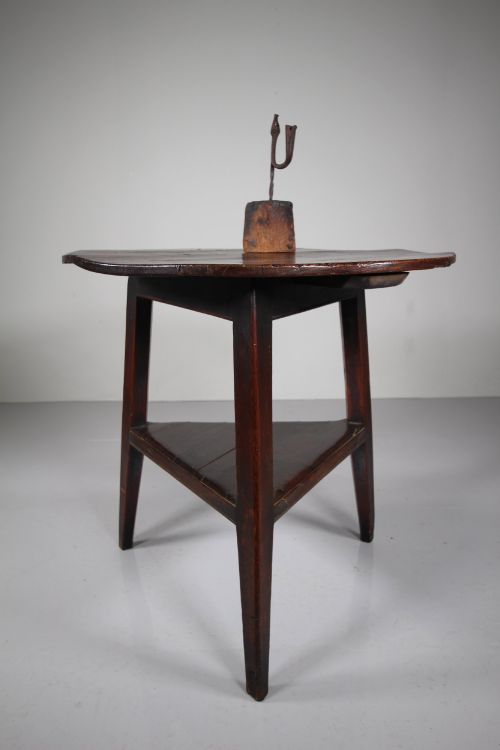
- A small three-legged occasional table, typically constructed with a round wooden top and splayed legs braced by a lower triangular shelf.
- Joint stool
- A sturdy wooden seat built with pegged mortise and tenon joinery, frequently utilised historically as a small side table or stand.
- Gateleg table
- A drop-leaf table featuring hinged flaps supported by swing-out legs that resemble a gate opening.
- Tilt-top table
- An occasional table with a tabletop mounted on a catch mechanism, allowing the surface to tilt vertically for storage against a wall.
- Barley twist
- A decorative turning technique resembling a spiral rope, popular in seventeenth-century furniture and later revival periods.
English Oak Accent Table: Frequently Asked Questions
What is an english oak accent table used for?
These tables provide sturdy small surfaces for lamps, books, or decorative objects within living spaces. Their compact proportions allow them to fit easily beside armchairs or in hallways.
Historically, similar small tables and joint stools served versatile domestic functions, moving around the home as needed for dining, writing, or holding hearthside items.
How do I date an antique oak table?
Dating relies on examining construction methods, tool marks, and hardware. Seventeenth-century examples typically feature hand-cleaved timber, pegged mortise and tenon joints, and heavy turned stretchers.
Later nineteenth and twentieth-century versions display more uniform machine-sawn components, lighter scantlings, and different revival stylistic cues such as Arts and Crafts influences or Edwardian turnings.
What is a cricket table?
A cricket table is a distinct three-legged occasional table with a circular wooden top. The three splayed legs provide inherent stability on uneven floorboards found in older rural houses.
Many versions include a triangular under-tier shelf fitted between the legs, offering extra storage space for small household items.
Are these tables solid oak?
Most examples utilise solid timber construction, with oak forming the primary structural carcass and top. Makers occasionally paired oak with secondary woods such as beech for turned legs or pine for internal framing.
Individual listings note when alternative timbers like yew wood or painted finishes are present on specific occasional or lamp tables.