
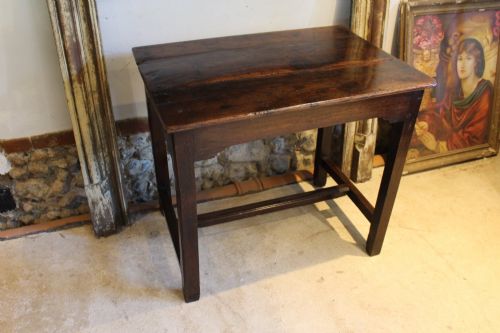
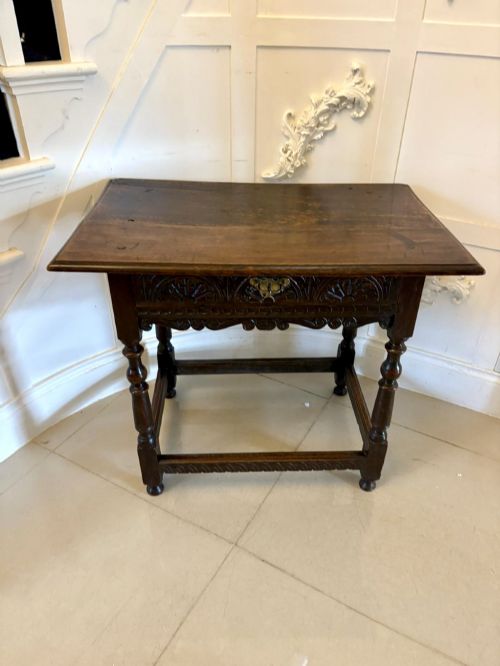
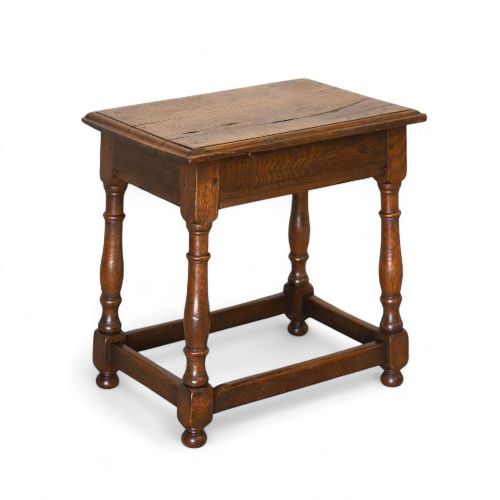
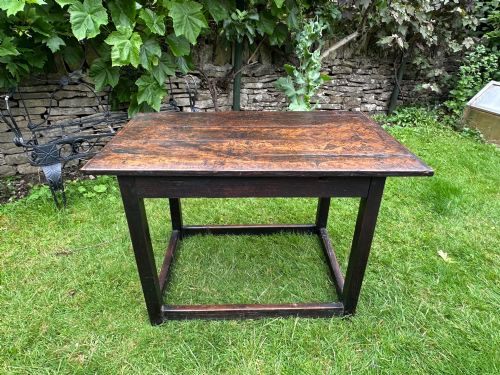
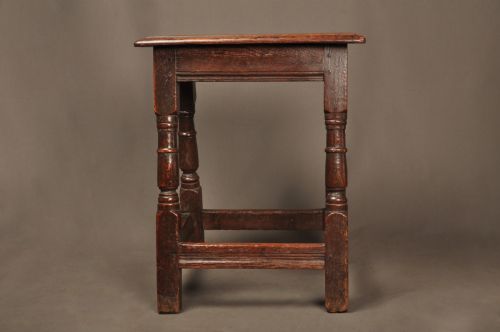


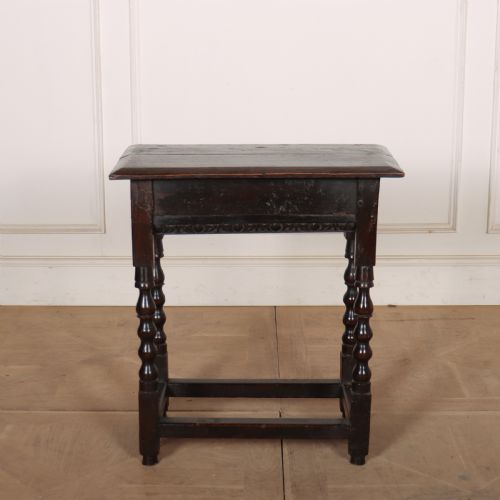


18th Century Joint Table
These 18th century joint table pieces are sturdy wooden furnishings carrying deep historic character, offering buyers genuine utility and authentic period craftsmanship.
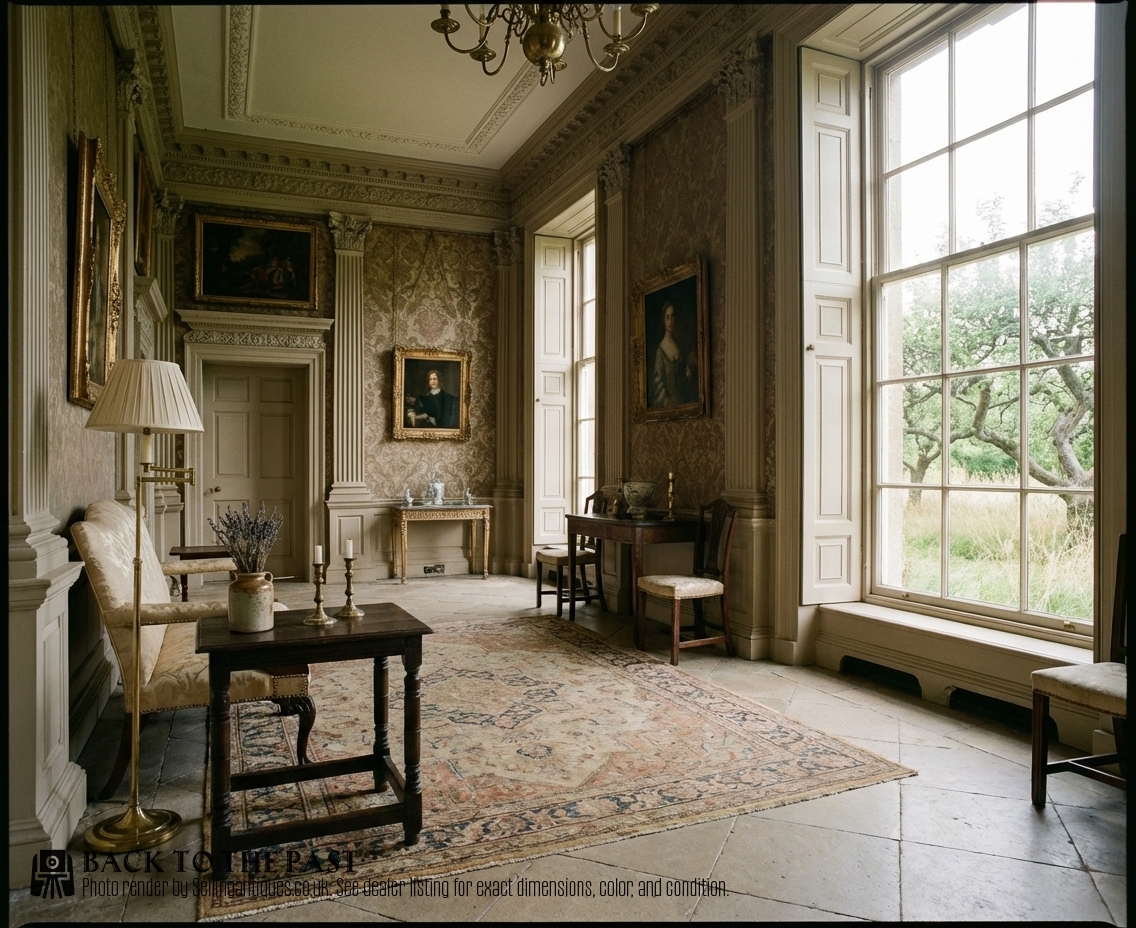
18th Century Joint Table
These pieces reflect early English country and Georgian provincial aesthetics, built primarily for daily domestic utility. Oak is the dominant timber, occasionally paired with elm for top surfaces or structural elements.
The forms remain relatively modest and functional, ranging from plank top tables to occasional stands. Collectors value them for their honest construction and the rich patina developed over centuries of use.
Materials and construction methods
The construction relies heavily on native British timbers, with sturdy oak forming the primary framework and occasionally elm utilised for specific surfaces like plank tops. Traditional joinery techniques such as mortise and tenon joints, secured with wooden pegs, provide the structural integrity without relying on metal nails.
Listings span the 17th and 18th centuries, showcasing oak, elm, pine, iron, and brass across side tables, lamp tables, and joint stools.
Distinguishing quality in early furniture
Quality separates pieces by the integrity of the original timber and the retention of surface depth. Examples that preserve their untouched, rich colour and original pegged construction stand above those with heavily stripped or overly restored surfaces.
Proportion and timber selection also divide the standard examples from superior survivals. A well-figured oak grain and balanced proportions on a side table or stool elevate the piece within its period category.
The 18th Century Joint Table Glossary
- Joint table
- A sturdy wooden table constructed using traditional joinery and pegged joints rather than modern metal fixings. These pieces typically date from the seventeenth and eighteenth centuries.
- Oak
- A hard, durable native timber heavily utilised in early English furniture making. It provides structural strength and develops a deep, rich patina over centuries.
- Elm
- A tough timber used historically for table tops and secondary components due to its resistance to splitting. It often shows distinctive grain patterns.
- Plank top
- A solid wooden surface constructed from joined boards running the length of the table. This method was standard before sheet materials and large industrial presses existed.
- Provincial
- A style descriptor indicating regional craftsmanship outside major metropolitan centres. These items often display practical design and honest local materials.
18th Century Joint Table: Frequently Asked Questions
What is an 18th century joint table?
An 18th century joint table is a sturdy wooden furnishing built using traditional pegged joinery rather than metal nails. These items reflect early Georgian and English country domestic life.
They serve primarily as compact side tables, lamp tables, or occasional surfaces. Their appeal lies in honest construction and centuries of accumulated patina.
How do I live with these tables?
Living with these pieces involves placing them in environments where their dry timber is protected from extreme temperature swings. Use natural wax to maintain the finish rather than modern silicone polishes.
Their compact proportions make them versatile as side tables or lamp stands in both traditional and modern interiors. Treat the historic surfaces with care to preserve their character.
What woods were used?
Oak is the predominant timber found in these constructions, providing a strong and durable framework. Elm is also utilised, particularly for plank tops and structural surfaces.
Secondary materials like pine and iron occasionally appear in internal or structural components. Brass hardware may also be present on related forms.
How do I spot provincial style?
Provincial style is identified by straightforward construction and a lack of excessive ornamentation. These pieces were made by regional craftsmen focusing on utility.
They utilise local native timbers like oak and elm, displaying practical forms suited for country houses. The charm of provincial work rests in its unpretentious execution.