


English Georgian Glassware
English georgian glassware brings tactile history to the table, offering drinking vessels and table items shaped by eighteenth- and early nineteenth-century hands.
English Georgian Glassware
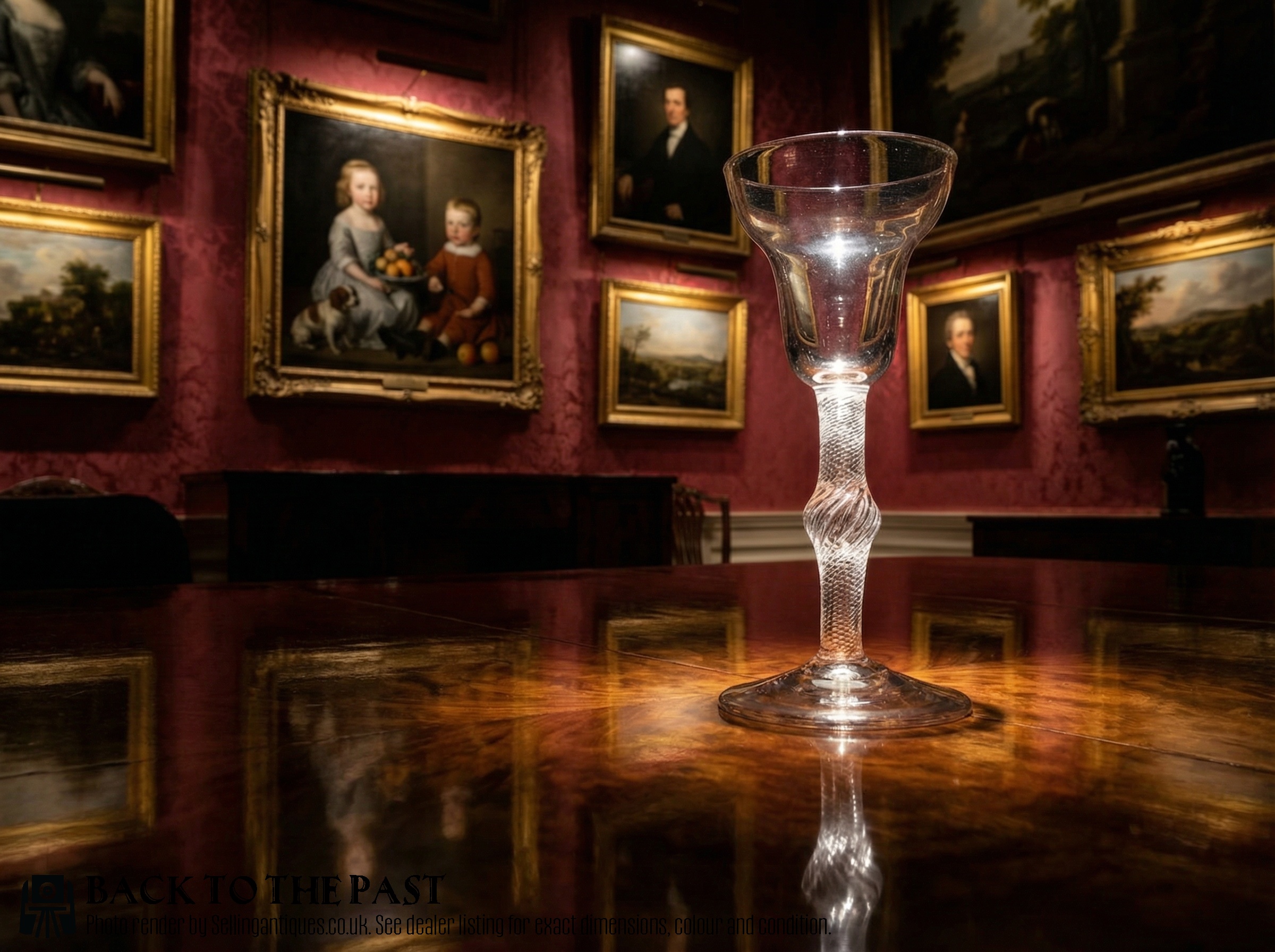
English georgian glassware encompasses a refined selection of drinking vessels and small table objects produced across the eighteenth and early nineteenth centuries. The pieces span periods such as the eighteenth century, georgian era, and regency, reflecting shifts in social dining and domestic habits.
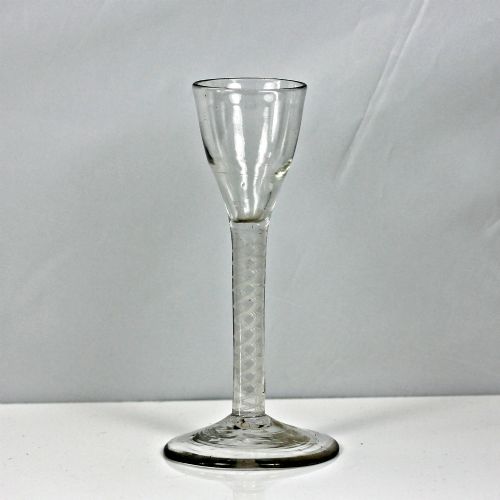
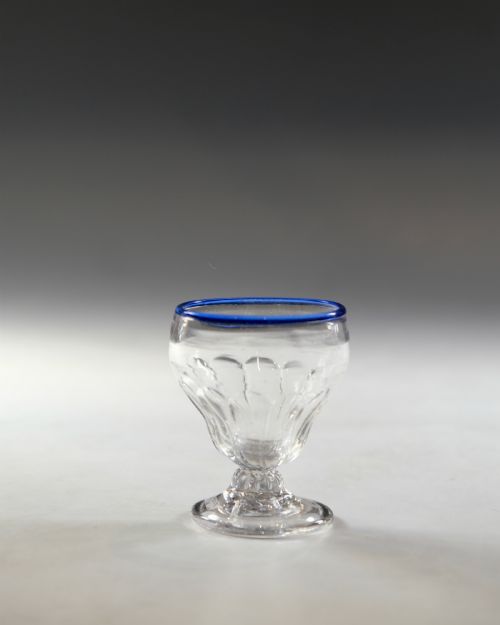
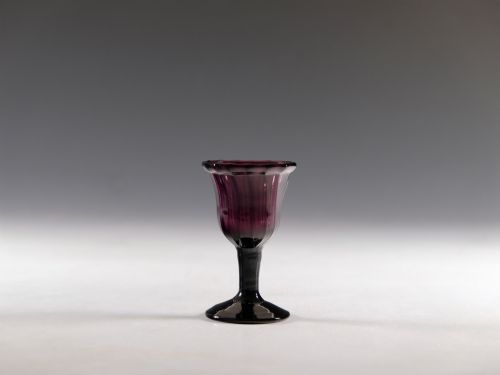
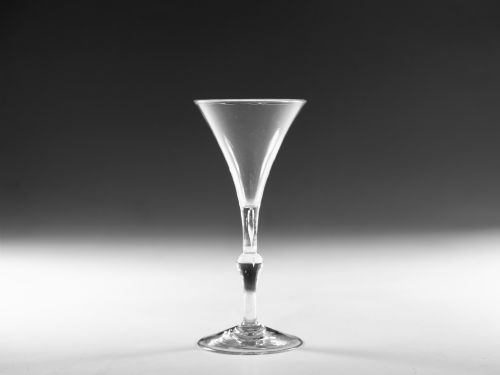
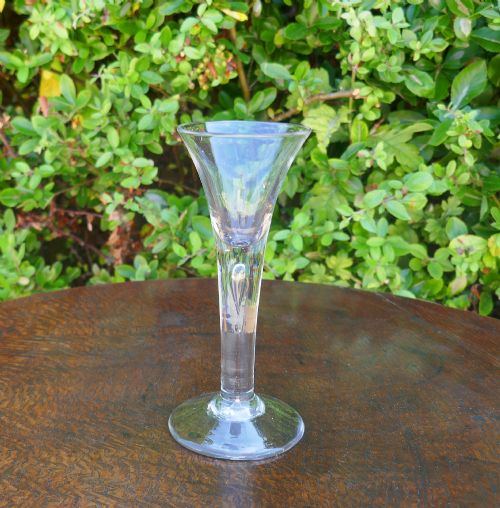
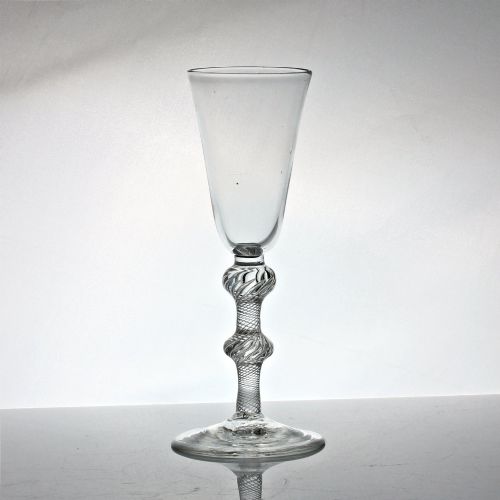
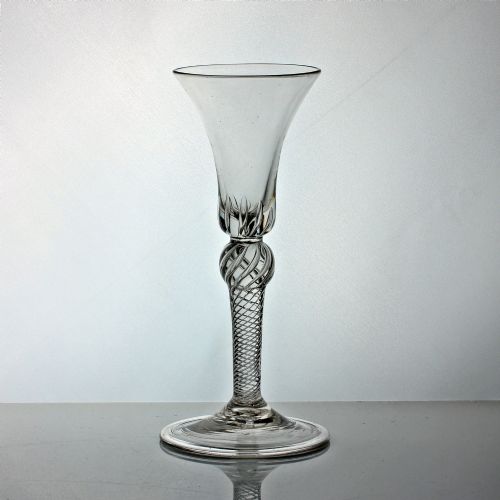
Wine glasses dominate the forms, alongside ale glasses, rummers, egg cups, cream jugs, and patch stands. Collectors encounter trumpet bowls, ogee bowls, and bell bowls, often supported by air twists, opaque twists, or plain stems with folded feet.
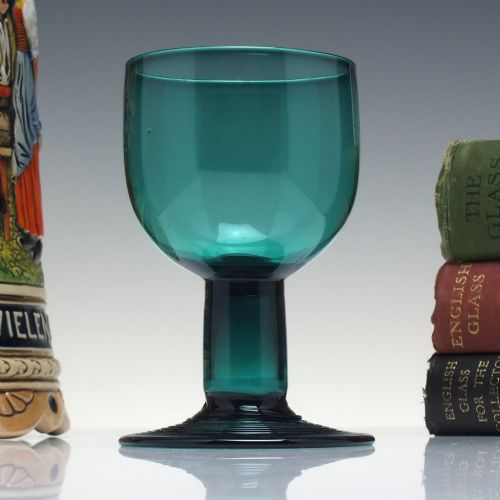
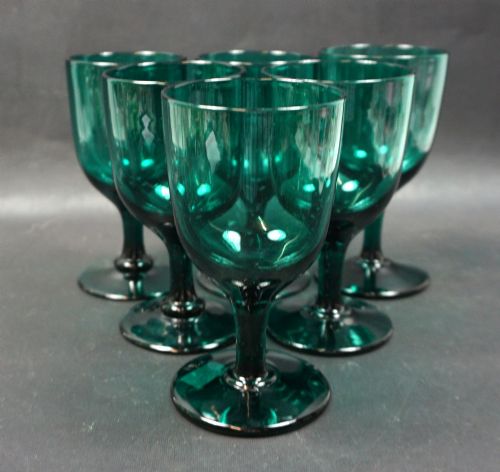
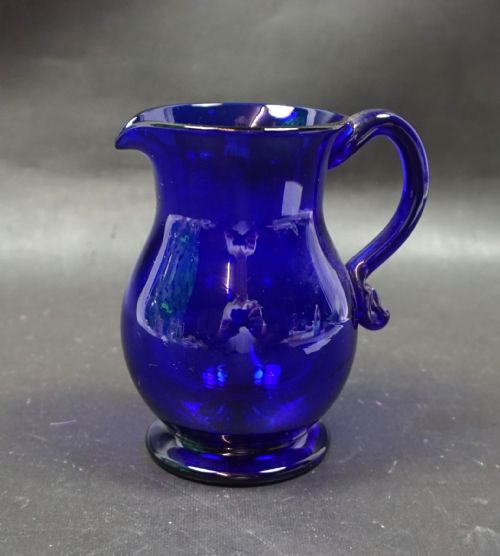
Green, blue, turquoise, and red hues appear alongside clear lead glass and flint glass. Production methods yield bonnet glasses, jelly glasses, and rib-moulded items originating from English workshops.
How they were made
Craftsmen shaped lead glass, clear glass, and flint glass while hot, utilising hand-blown techniques to form bowls, stems, and feet. Certain examples incorporate cobalt glass and enamel additions, while others rely on rib-moulding to create tactile surface patterns.
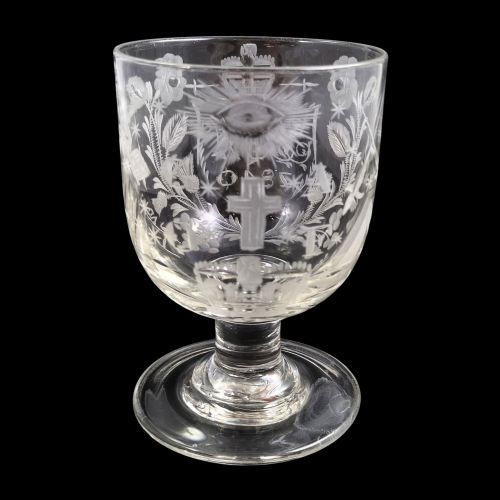
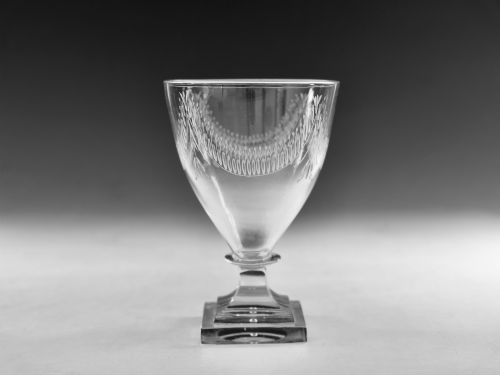
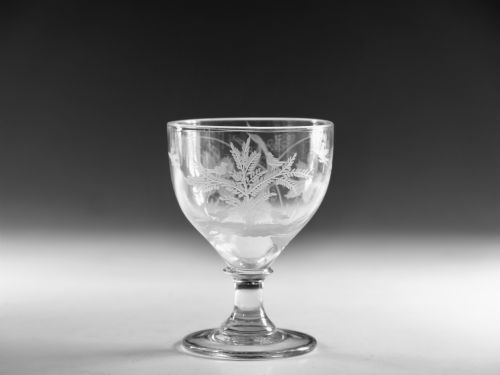
Stems required intricate manipulation, trapping air bubbles or drawing out multi-spiral air twists and opaque twists inside the molten material. Surface decoration often involved wheel engraving, marking rummers and ale glasses with botanical motifs like hops and barley.
English Georgian Glassware Retail Price Guide 2026
Typical asking prices for english georgian glassware among the pieces listed under this phrase on Sellingantiques today, from the lower quarter to the upper quarter. They describe what is for sale here now, not the wider market.
Object forms include wine glasses, rummers, ale glasses, patch stands, egg cups, cream jugs, and bonnet glasses.
What varies in quality
Quality rests on the dexterity displayed in forming the stem and the clarity of the metal itself. Heavily weighted lead crystal with exceptional transparency sits above standard utilitarian glass.
The precision of twist stems and the crispness of moulded details, such as honeycomb patterns on patch stands, distinguish masterwork vessels from simpler production pieces.
The English Georgian Glassware Glossary
- Air twist
- A stem containing spiral threads of elongated air bubbles trapped within the glass. This technique required skilled manipulation of the molten metal before drawing and twisting.
- Opaque twist
- A stem containing white or coloured enamel rods twisted inside clear glass. These threads create solid opaque patterns running through the centre of the stem.
- Folded foot
- A glass foot where the outer rim is turned underneath to form a double layer of metal. This method added strength to the base of wine and ale glasses.
- Rummer
- A large, sturdy drinking glass introduced in the late eighteenth century for wine or ale. They frequently feature bucket bowls and thick stems.
- Patch stand
- A small circular table tray used to hold cosmetic beauty patches. These miniature stands often feature moulded decoration and pedestal feet.
- Wrythen
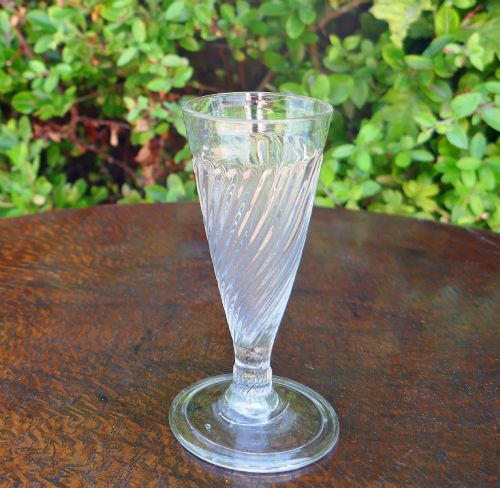
- A decorative spiral pattern moulded into the body of a vessel. The technique twists the glass while semi-molten to create diagonal ribs.
English Georgian Glassware: Frequently Asked Questions
How do you date georgian glassware?
Dating relies on combining stylistic evidence with manufacturing characteristics. Stem formations, bowl shapes, and foot types changed rapidly across the eighteenth and early nineteenth centuries.
For instance, folded feet and heavy plain stems point toward earlier decades, while rummers with engraved hops and barley typically indicate the regency period.
What were rummers used for?
Rummers served as robust drinking vessels for ale, punch, or wine during communal dining and tavern gatherings. Their generous bowl capacity and thick stems suited frequent toasts.
They emerged toward the end of the eighteenth century and remained popular into the nineteenth. Many examples feature wheel engraving depicting agrarian motifs.
What is a patch stand?
A patch stand is a miniature pedestal dish designed to hold small silk cosmetic patches worn on the face. Georgian fashion embraced these decorative accessories for social occasions.
These stands often feature moulded rims, such as honeycomb patterns, and compact circular feet. They represent some of the smallest decorative glass items from the period.
What is lead crystal glassware?
Lead crystal is a heavy, high-clarity glass made by adding lead oxide to the batch. This composition increased the refractive index, making the glass catch and scatter light effectively.
English glasshouses utilised this material extensively during the georgian era. It allowed for deep cutting and crisp engraving without losing structural stability.