



English Country Sporting Painting
When you search for english country sporting painting, you enter a visual archive of rural pursuits, hounds, and equine portraits recorded across the nineteenth century.
English Country Sporting Painting
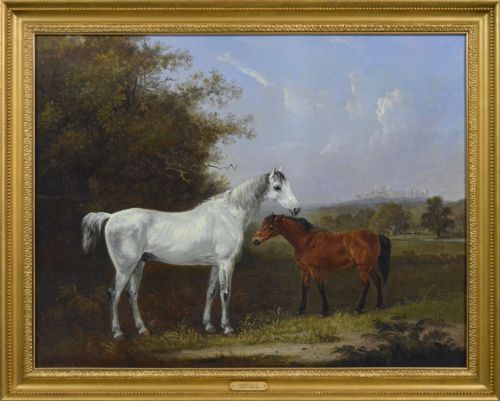
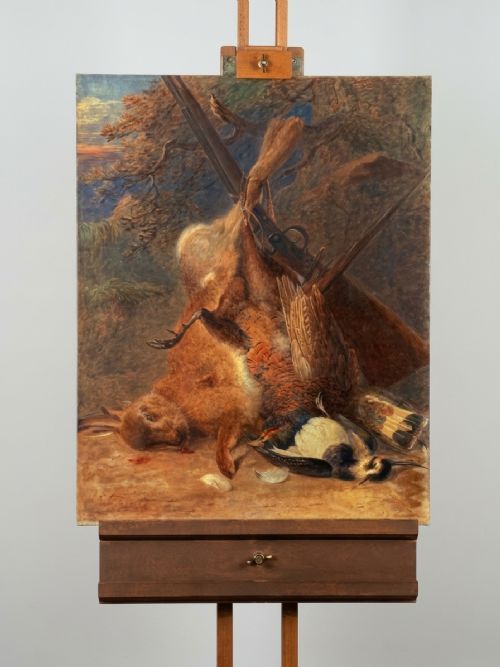
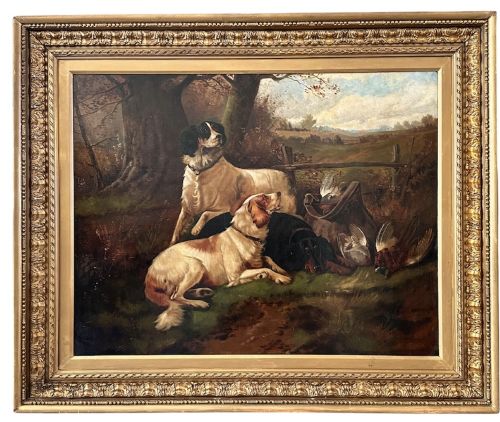
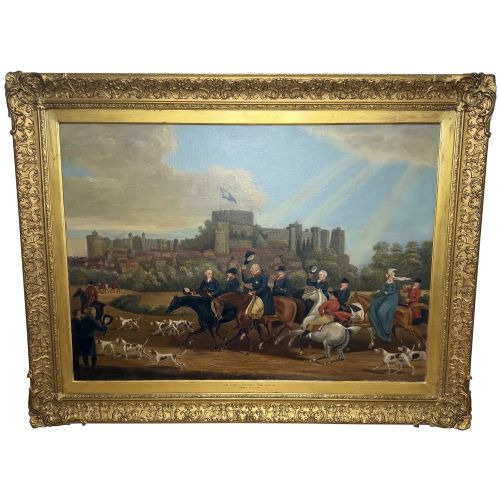
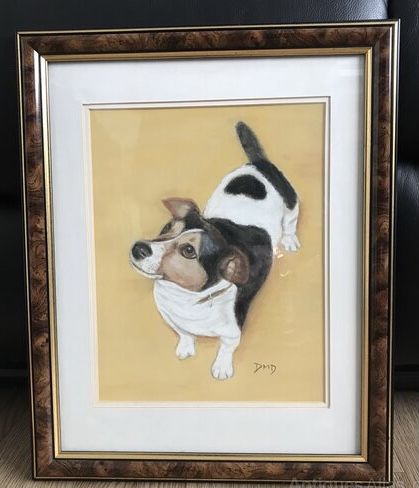
An english country sporting painting captures the pursuits, animals, and rural landscapes central to landed life primarily during the nineteenth century. Buyers encounter oil on canvas works, watercolours, and pastels depicting hunts, gun dogs, and prized horses within domestic and agrarian settings.
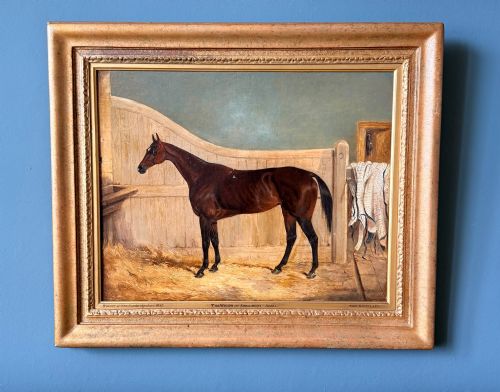
The selections span Victorian canvases to Georgian watercolours, featuring specific breeds like setters, spaniels, and terriers alongside coaching scenes and race meetings. Many works directly connect to traditional British sporting art schools, portraying named animals and local hunts.
The typical piece on this page balances portraiture with landscape, showing dogs or horses set against expansive countryside, country houses, or moorland. These compositions reflect a period when rural sport dictated the social rhythms of the English countryside.
How they were made
Makers built these compositions primarily using oil paint on stretched canvas or oil on board, applying pigments to achieve depth in animal coats and pastoral backgrounds. Watercolour and bodycolour on paper appear frequently in the earlier nineteenth-century examples, often preserved under glass.
Artists utilised traditional framing methods, mounting works in giltwood frames featuring gold leaf to complement the dark, rich palettes of the subjects. Canvases received layers of oil paint that allowed for fine detail in horse musculature and dog fur.
Several paintings record specific named animals, preserving the exact likenesses of nineteenth-century dogs and winning racehorses for modern viewers.
What varies in quality
The ability to render canine anatomy and equine conformation correctly separates standard works from accomplished portraiture by recognised painters. Stronger examples display precise brushwork in the rendering of light upon a horse's coat or the alert posture of a hunting dog.
The depth and execution of the surrounding landscape influence the overall standard, as lesser canvases treat the background as a generic backdrop while superior pieces integrate the animal into a specific rural topography.
George Sydney Shepherd·Thomas Walker Bretland·Benjamin Blake·John Arthur Lomax·Samuel Raven·Colin Graeme Roe·Samuel Spode·Charles Faulkner·Clifton Tomson·Samuel Henry Alken·John Charles Tunnard·Charles Clifford Turner·Henri Schouten·John Atkinson·John Emms·Thomas Ivester Lloyd·William J Hodgson·Charles Bilger Spalding·John Vine of Colchester·Henry Frederick Lucas-Lucas
The English Country Sporting Painting Glossary
- Bodycolour
- An opaque watercolour paint containing white pigment, used by artists to add dense highlights and solid areas of colour to nineteenth-century works on paper.
- Giltwood
- Wood carved and coated with gold leaf, frequently used to manufacture ornate frames for Victorian and Regency oil paintings.
- Sporting art
- A genre of painting dedicated to horses, dogs, shooting, hunting, and racing, capturing the rural pastimes of the British landed gentry.
- Oil on canvas
- A painting medium where pigments suspended in drying oil are applied to a woven fabric support, prevalent throughout the Victorian period.
English Country Sporting Painting: Frequently Asked Questions
What subjects appear in these paintings?
The works depict rural subjects including gun dogs, hunting scenes, coaching coaches, and individual portraits of prize horses in landscapes.
Artists also recorded race meetings, country houses, and portraits of country gentlemen alongside their hounds.
Which periods do these works represent?
The majority date from the nineteenth century, encompassing both the Regency and Victorian eras.
Earlier examples originate in the Georgian period, while occasional pieces extend into the Edwardian era and the twentieth century.
How were these paintings housed?
Period works are typically mounted in traditional giltwood frames featuring gold leaf ornamentation.
Watercolour and pastel works on paper are generally protected beneath glass within contemporary or period framing.
Who painted these sporting scenes?
Many works are produced by named British artists associated with traditional sporting art and regional schools.
Others are created in the manner of prominent painters or produced by followers of well-known nineteenth-century animal artists.