



English Brass Candle Stands
English brass candle stands bring warm metallic character to a room, offering practical illumination through centuries of domestic design.
English Brass Candle Stands
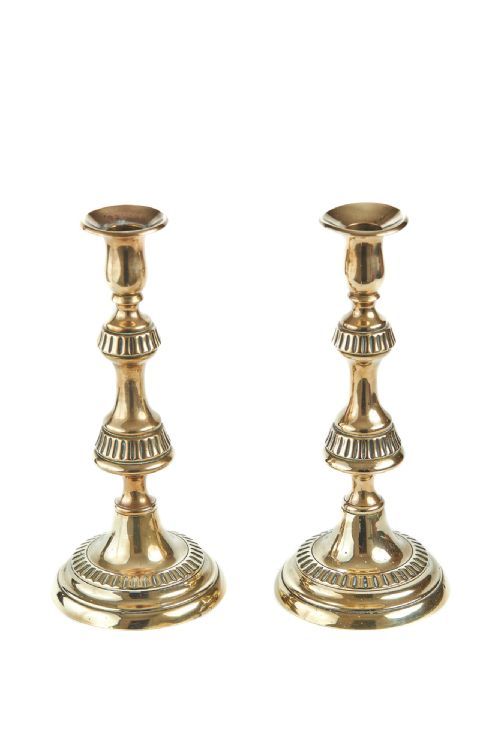
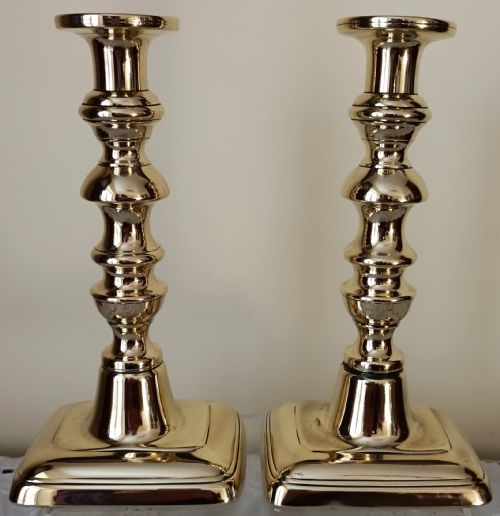
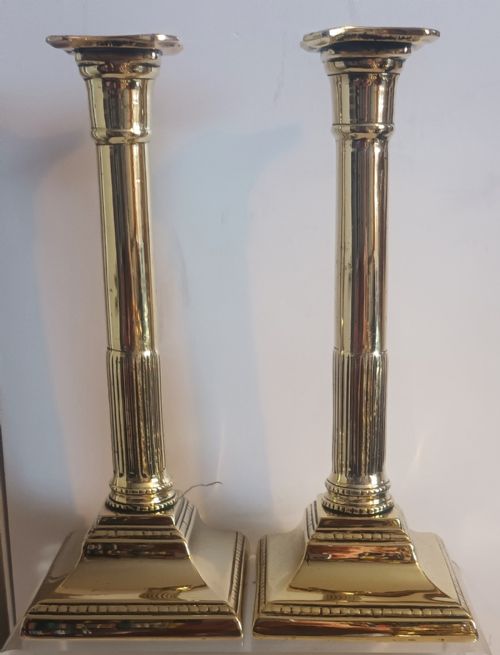
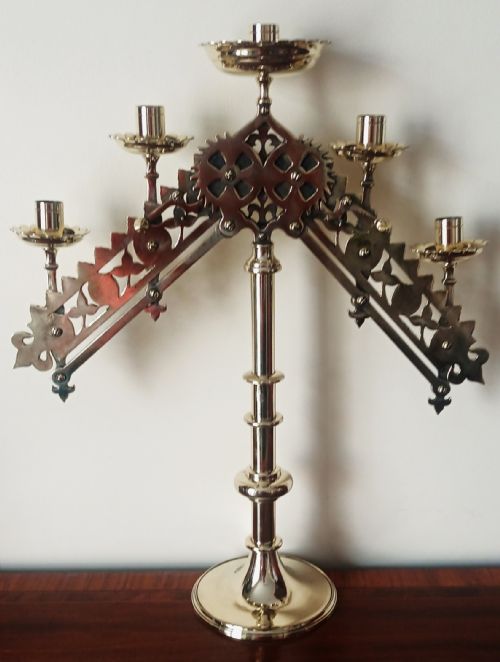
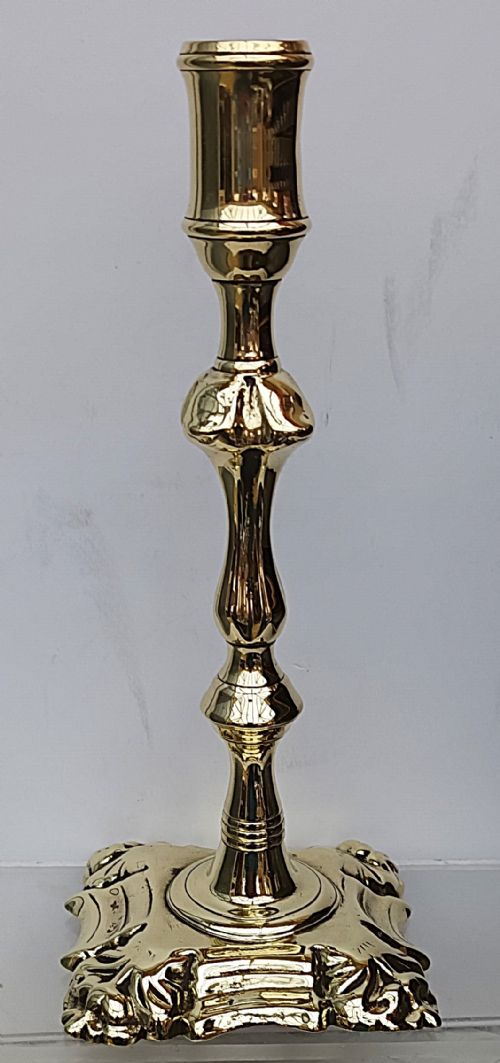
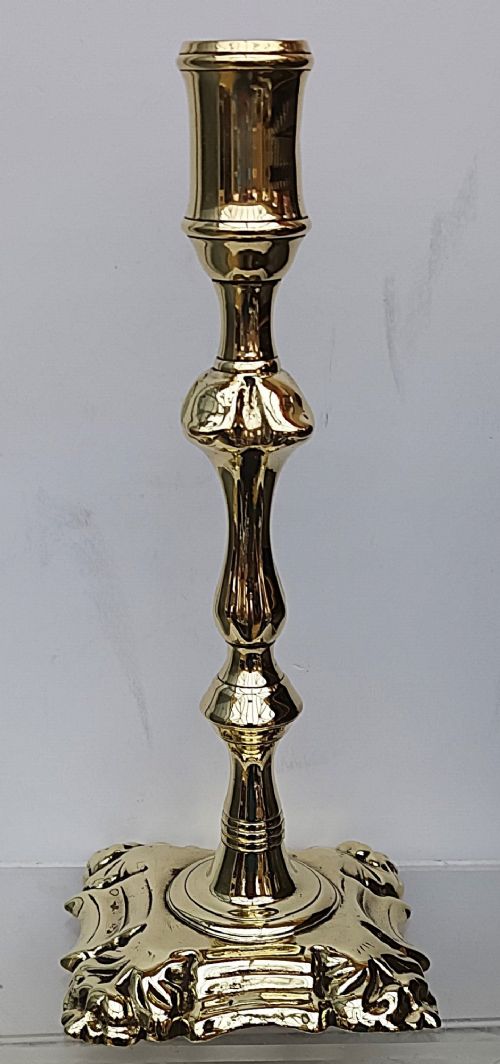
When you search for english brass candle stands, you encounter sturdy domestic lighting pieces spanning the eighteenth and nineteenth centuries. These utilitarian objects range from simple single stems to articulated candelabras and mechanical telescopic designs.
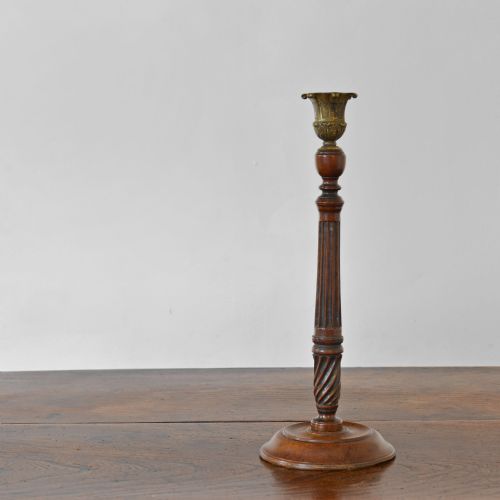
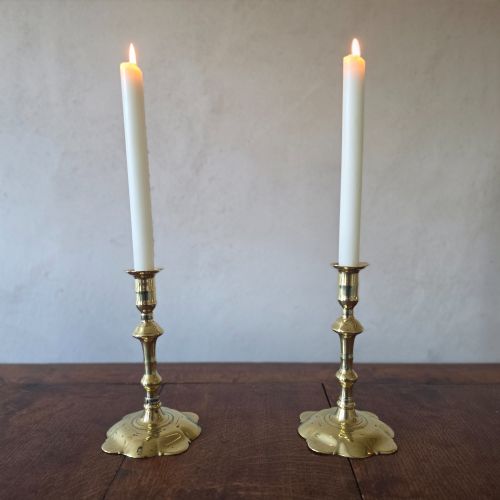
The selections on this page concentrate heavily on Georgian and Victorian examples fashioned from solid brass. Pairs dominate the listings alongside occasional single sticks and mixed-material constructions incorporating oak or mahogany.
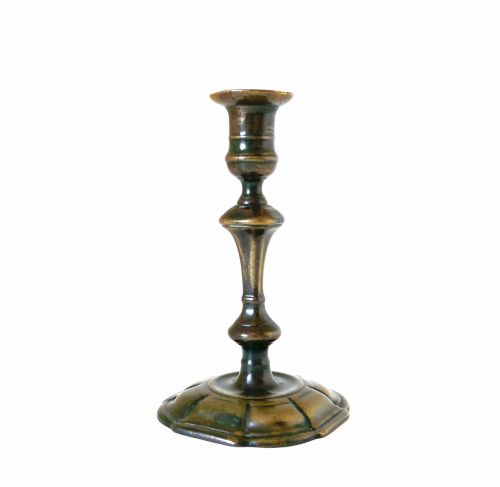
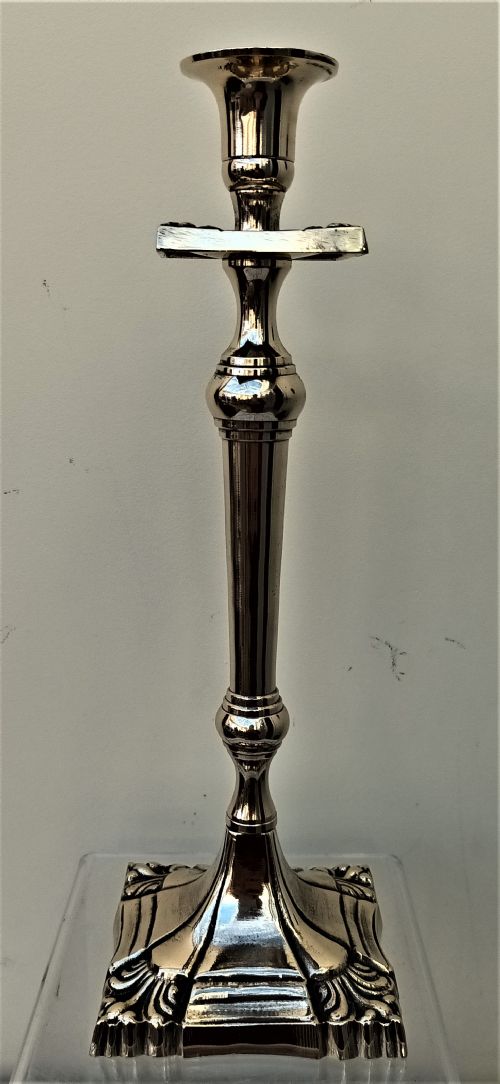
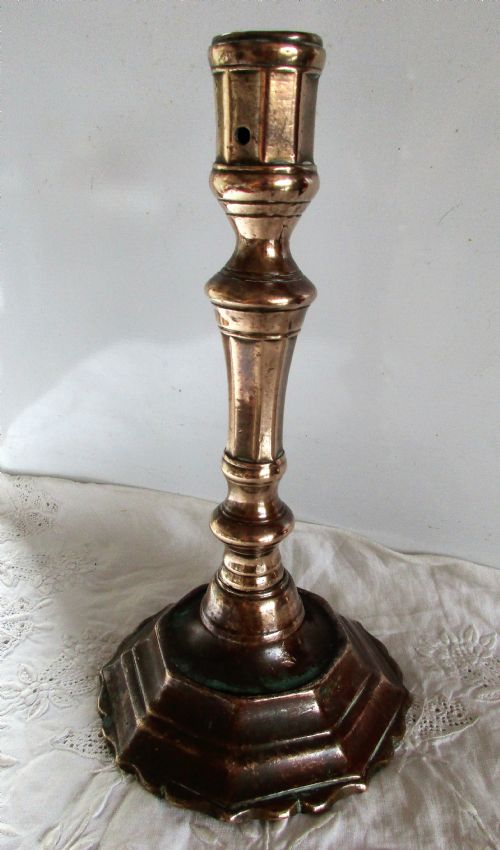
Form follows function across the eras, moving from hexagonal eighteenth-century bases to ornate nineteenth-century Victorian Gothic and neoclassical interpretations. Collectors frequently find specialised variants such as ejector mechanisms and patent telescopic columns among the available stock.
Materials and construction methods
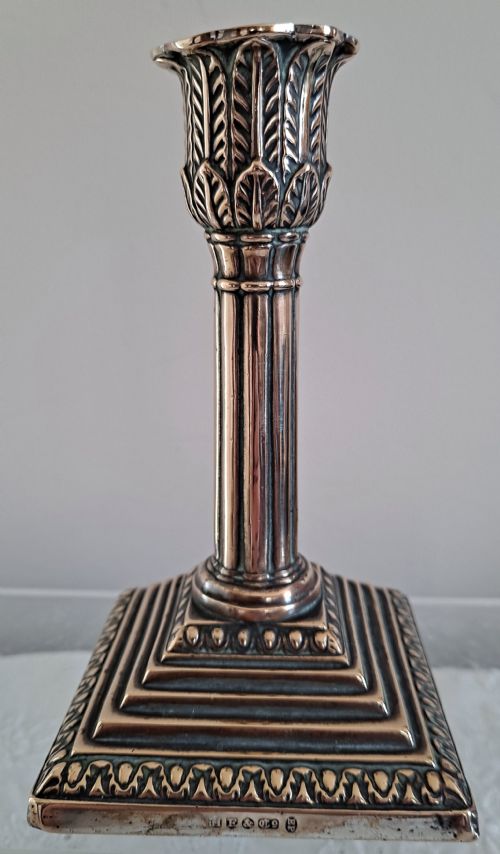
Mid-eighteenth-century pieces introduced internal ejector mechanisms to push out remaining candle stubs using a sliding thumb piece. Later Victorian and Edwardian workshops combined brass with turned hardwoods like oak and mahogany, or added silver plating to metal bases.
Some eighteenth-century brass stems hide internal ejector plates designed so tired servants did not burn their fingers digging out wax stubs.
Factors determining quality
The crispness of casting detail separates standard production from superior examples, particularly on petal bases and decorative knops. Sharp tooling marks and clean joint lines indicate skilled foundry work rather than mass-produced output.
Originality of components dictates desirability, ensuring that ejector mechanisms, bungs, and threading remain intact and period-correct. Weight and gauge of the metal also influence overall durability and balance.
Benhan and Froud·J.T. & Co·Harrison Patent
The English Brass Candle Stands Glossary
- Ejector
- A mechanical device inside the stem that lifts remaining wax remnants when a thumb lever is pushed upward. This clever addition prevents stuck candle stubs.
- Paktong
- A copper-nickel-zinc alloy resembling silver, used for high-status eighteenth-century candlesticks. Its bright metallic tone differentiates it from standard yellow brass.
- Telescopic
- An adjustable sliding shaft allowing the height of the candle holder to extend. These patent pieces offered customizable illumination for desks and tables.
- Petal base
- A multi-lobed foot design popular during the early eighteenth century. The curved lobes resemble flower petals radiating from the central column.
- Knop
- A decorative swelling or bulbous shape on the stem of a candlestick. This turned feature improves grip and visual balance.
English Brass Candle Stands: Frequently Asked Questions
How do I date an old brass candlestick?
Examine the base construction, manufacturing seams, and foot profile for clues. Eighteenth-century versions often feature wider, heavier bases with visible casting irregularities while Victorian pieces show sharper machine tooling.
Look closely at the socket and stem assembly. Early pieces were cast in sections and brazed together, whereas later nineteenth-century examples incorporated more standardised threaded components.
What is an ejector candlestick?
An ejector candlestick contains a hidden internal push-rod operated by a small side knob. Sliding this thumb piece upwards forces the remaining candle remnant out of the socket.
This practical innovation became common during the mid-eighteenth century. It eliminated the need for a separate candle pin to dig out wax.
How should I clean antique brass?
Dust gently with a dry or slightly damp cloth to preserve the aged surface patina. Avoid aggressive metal polishes that strip away historical wear and dull the underlying tone.
Many collectors prefer leaving natural oxidation untouched. Harsh chemical cleaners permanently damage the soft metallic glow accumulated over centuries.
Are pairs harder to find than singles?
Matched pairs appear frequently but command greater interest from buyers seeking symmetrical mantelpiece or table arrangements. Single candlesticks survive in steady numbers due to historical dispersal.
When buying a pair, inspect both pieces to ensure identical casting weights and matching wear patterns. Small variations often indicate marriage pieces put together at a later date.